





 Portuguese
  English
  Spanish
  5 min of reading
  4 comments


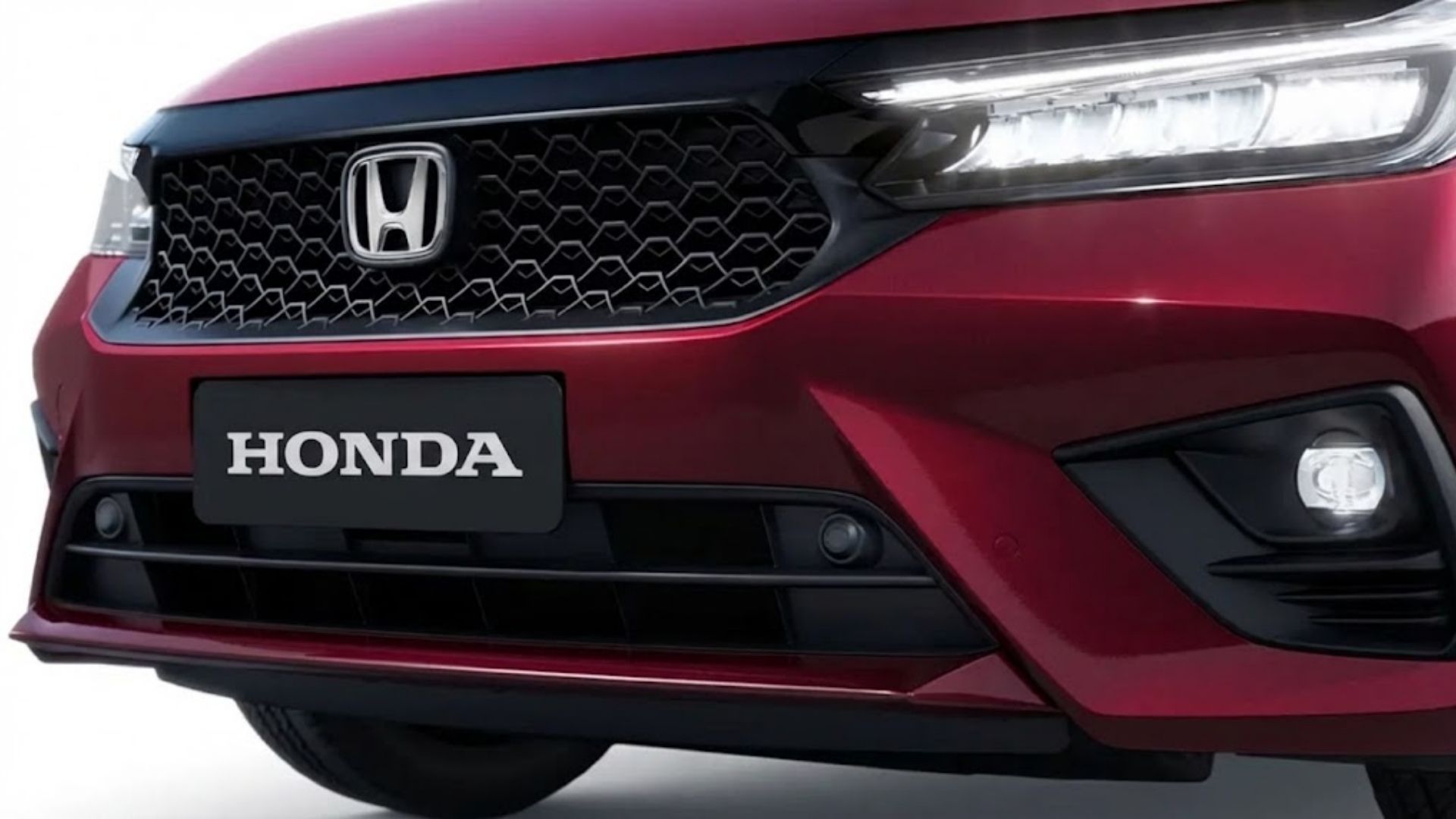


Entry Model from Honda Features 1.5 Flex Engine, CVT Transmission, and Fuel Consumption Data That Varies According to Use, in Addition to Focusing the Brand’s Strategy After the Departure of the Fit and Receiving a Visual Update in the 2025 Line.
The Honda City Hatch 2025 currently occupies the position of entry model for the brand in Brazil.
The car features a 1.5 flex engine with 126 hp, CVT automatic transmission, and fuel consumption figures that vary according to the type of use.
In a road test conducted by CNN Brazil, the evaluated unit recorded 17.8 km/l on the dashboard after a journey of 166 kilometers, a result obtained in specific driving conditions.
-
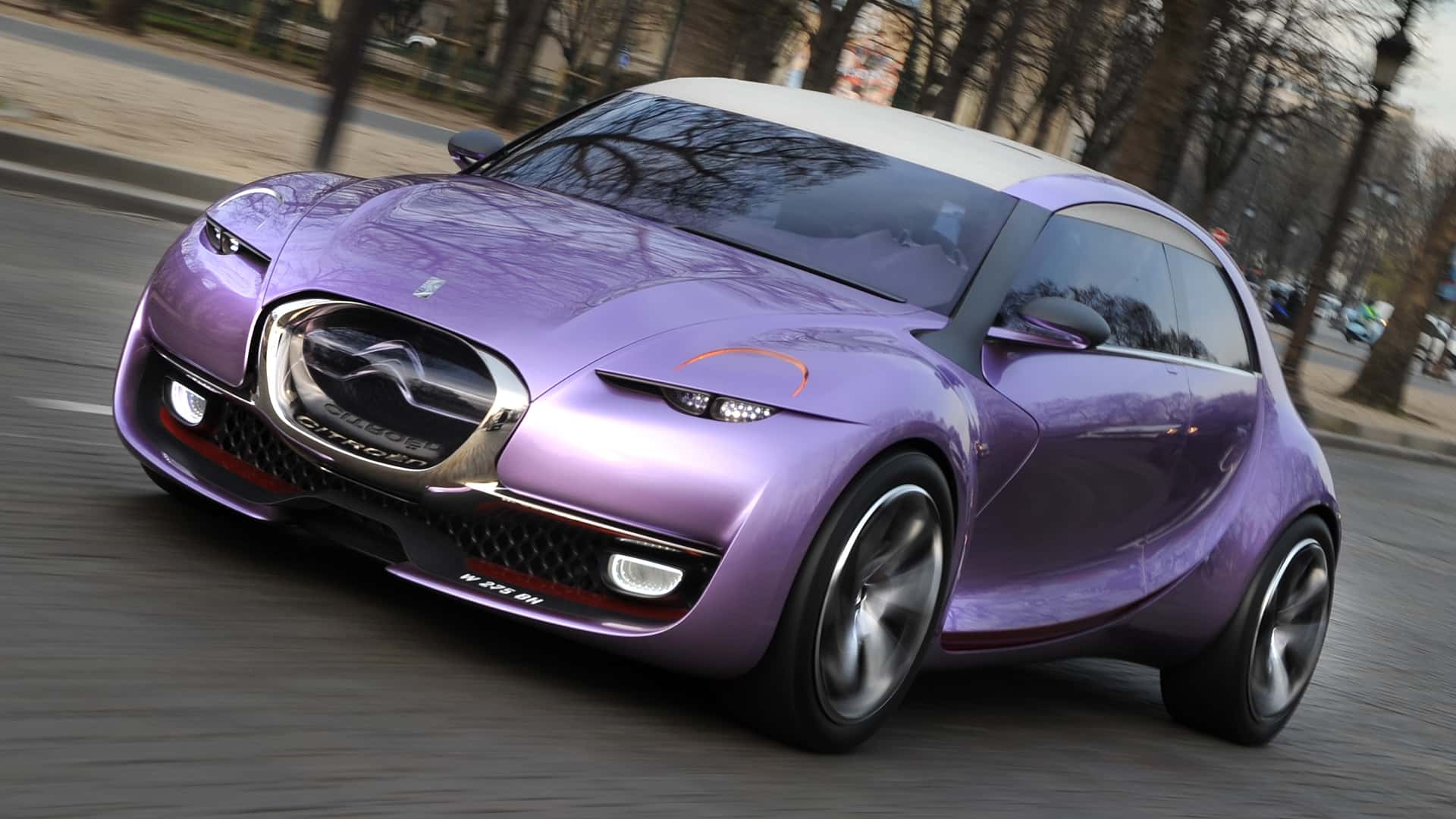
After decades out of the spotlight, Citroën is preparing to bring back the legendary 2CV as a low-cost electric vehicle, betting on the revival of one of the most popular cars in history and aiming to enter the race for affordable compact cars.
-
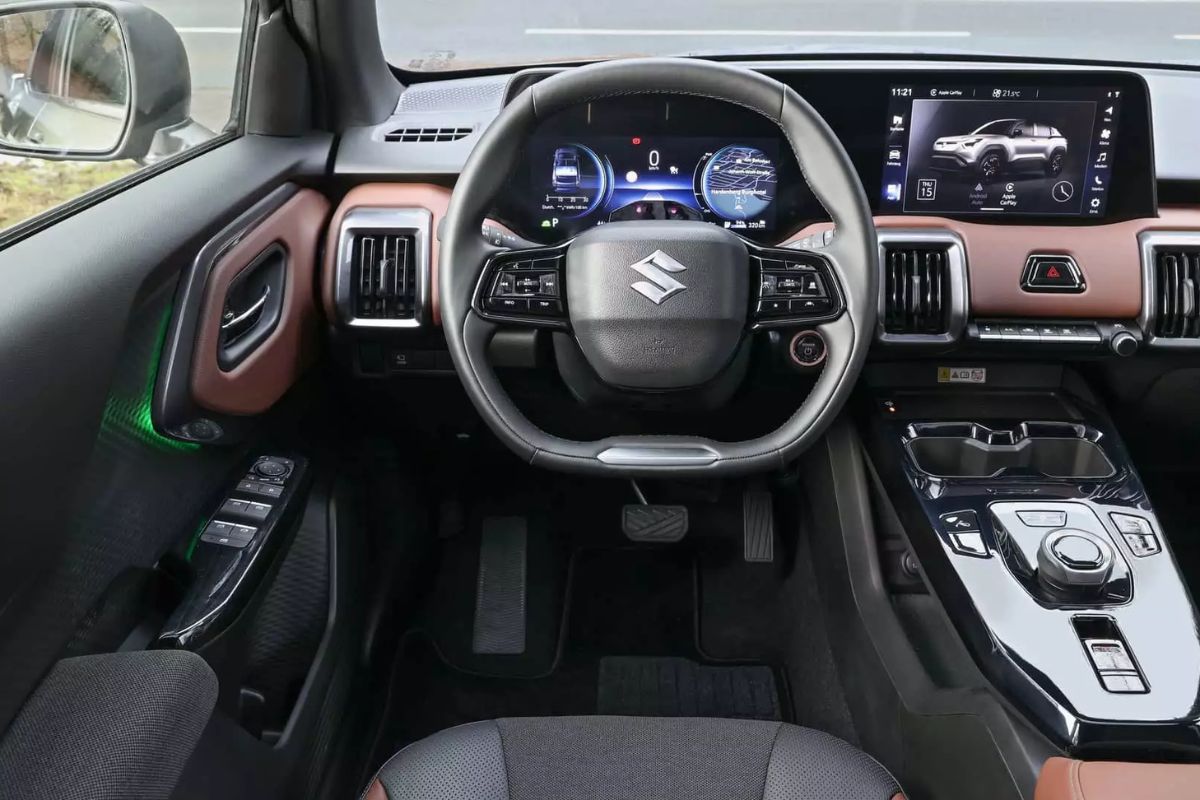
The 2026 electric Vitara arrives in Brazil and proves that Suzuki is not leaving: 4×4 traction, 184 hp, 61 kWh LFP battery, 293 km range, R$ 259,000, and a trunk capacity of 224 L.
-
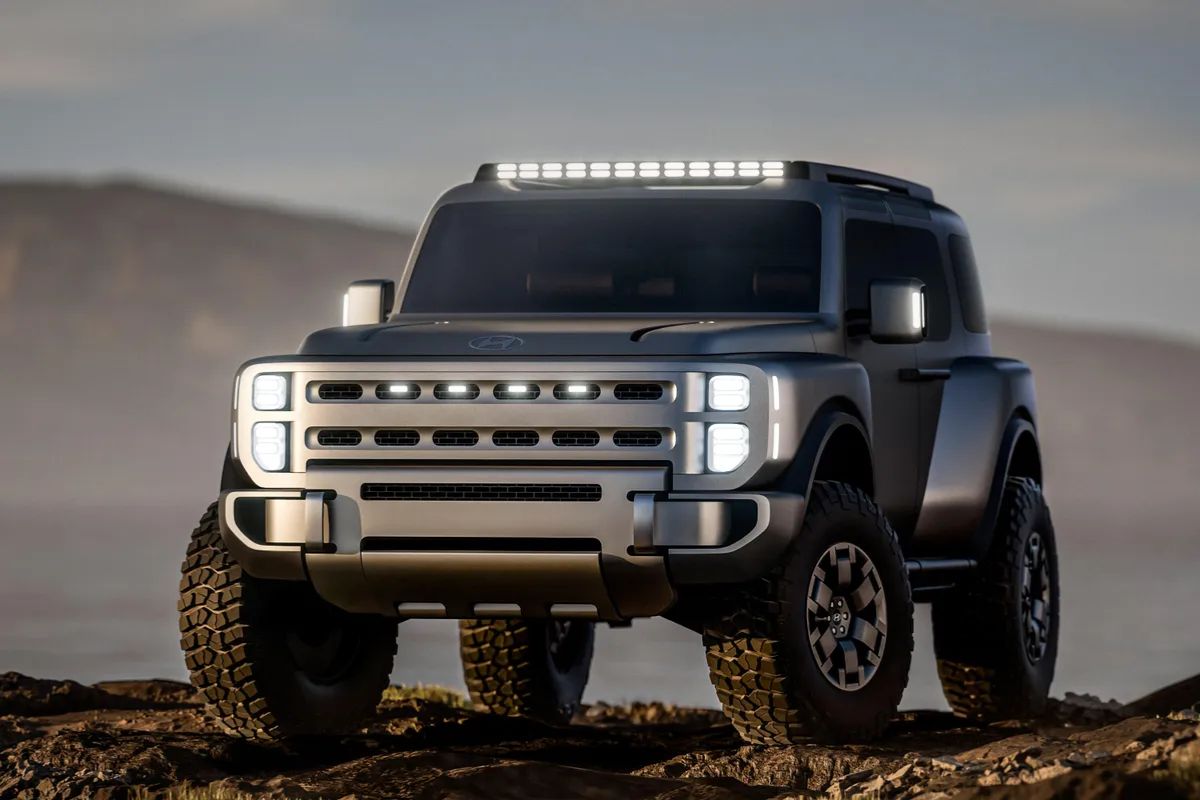
Hyundai has unveiled the Boulder, a square SUV with a body-on-frame design, 37-inch mud tires, and carriage-style doors that seems to be made to take on the Ford Bronco and the Scout Traveller in the United States.
-
The Toyota Hilux is R$ 75.5 thousand cheaper and bets on the 2.8 turbodiesel engine with up to 204 hp and 50.9 kgfm to catch up with the VW Saveiro, which leads with 4,472 sales.
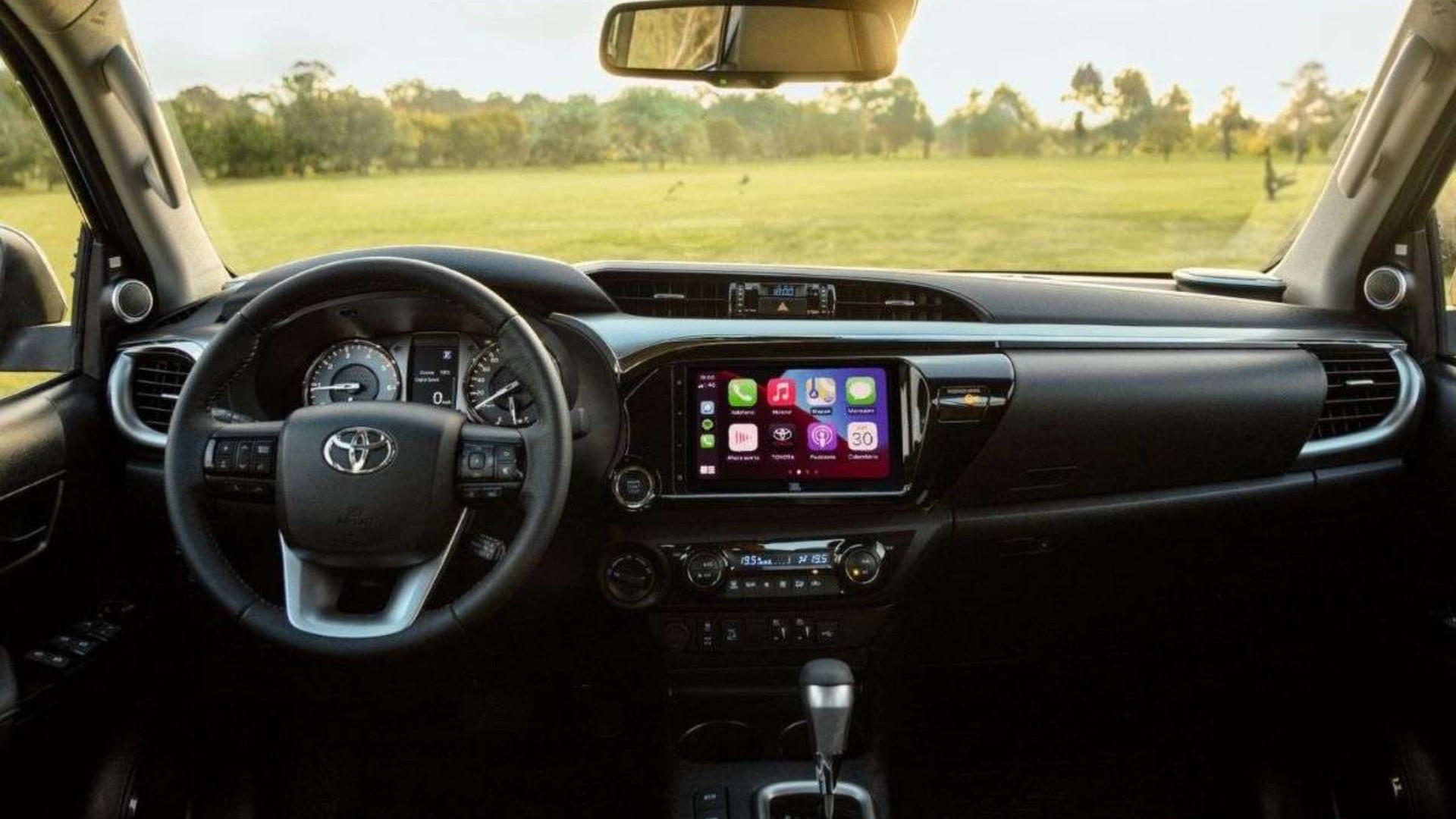

The adoption of the City as the manufacturer’s main compact occurred after the discontinuation of the Honda Fit, whose national production ended in 2021.
The change marked a reorientation of Honda’s strategy in the country, concentrating its offering in two body styles: hatch and sedan, based on the same mechanical platform.
Market numbers reflect this transition.
In 2020, the last full year of Fit sales in Brazil, the model totaled just over 12,000 units registered.
By 2024, considering a 12-month period, the City surpassed 30,000 registrations when combining sales of both hatch and sedan versions, according to consolidated automotive sector data.
Replacement of the Fit and Repositioning of the Honda City in Brazil

With the end of Fit production, Honda reorganized its lineup of compact vehicles in the Brazilian market.
The City began to fulfill the role of both compact sedan and hatch, serving distinct audiences within the same platform.
The strategy gained strength over recent years, especially with the expansion of version offerings and the consolidation of the model as the brand’s entry-level automatic alternative.
The growth in registrations indicates that the City has taken up space that was previously shared with the Fit, albeit with different proposals.
2025 Facelift Differentiates Hatch and Sedan Visually
For the 2025 lineup, the City underwent a visual update.
The changes included adjustments to the front design and external details, aiming to more clearly differentiate between the hatch and sedan.
While the hatch received lines associated with an urban proposal, the sedan maintained a more traditional design.
Despite the facelift, Honda kept the mechanical set unchanged.
The 1.5 flex engine continues to deliver 126 hp of power and 15.8 kgfm of maximum torque with ethanol, always paired with the CVT transmission.
The configuration prioritizes energy efficiency and linear operation, according to specifications released by the manufacturer.
Eight Points Noted on the Honda City Hatch Touring 2025

During the evaluation of the Touring version of the City Hatch, CNN Brazil’s report highlighted features that help understand the model’s positioning in the national market.
The digital air conditioning with remote activation via the key fob allows starting the car from a distance.
This feature speeds up cabin cooling after prolonged exposure to the sun.
The system also offers air vents for the second row.
Another item present is the electronic parking brake with Brake Hold function.
With the feature activated, the vehicle remains immobilized during stops, such as at traffic lights, without the need to keep the brake pedal pressed, as described in the test.
Regarding fuel consumption, the City Hatch showed significant variations based on the scenario.
In urban use, the recorded averages ranged between 9.5 km/l and 10 km/l with gasoline in heavier traffic.
In more open roads, consumption exceeded 12 km/l.

On the highway, the dashboard indicated 17.8 km/l for the evaluated route.
Official data from Inmetro, on the other hand, indicate lower figures, reinforcing that measurements in tests can differ from standardized indices.
The installation of child seats was made easier by the presence of exposed Isofix.
Unlike models where the points are hidden between the backrest and seat, in the City, access is direct. This reduces the time required for securing the seats.
Even in the most complete version, the seats only have manual adjustments.
The absence of electric adjustments was noted as a characteristic of the offered package, considering the model’s price positioning.
The wireless phone charger is present in the center console, but without a cooling system.
During prolonged use, the test indicated heating of the device, a common behavior in chargers without dedicated cooling.
The height of the front was also noted. The approach angle of 15.3 degrees requires attention over bumps and ditches, especially on uneven roads.
Despite this, during the evaluation period, there were no reports of scraping, according to the report.

Regarding connectivity, the front of the City maintains traditional USB ports.
The absence of USB-C ports was mentioned as a possible upgrade point, considering the growing adoption of this standard in newer vehicles.
Price of the Honda City Hatch and Position as the Brand’s Cheapest Car
The City is currently the most affordable car from Honda in Brazil.
In the 2025 lineup, the entry version of the model appears with a suggested retail price of around R$ 117,500.
This value places it below other vehicles from the brand, such as HR-V SUVs. In the evaluated Hatch Touring version, the reported price was R$ 149,800. The price may vary according to the region, commercial policies, and options.
The combination of flex engine, automatic transmission, and equipment package positions the City Hatch as an option within the automatic compact segment.
With well-defined consumption data, dimensions, and equipment, the City Hatch 2025 fits into a competitive market.
Between energy efficiency, a list of features, and urban usage characteristics, which of these factors tend to weigh more in the decision of the Brazilian consumer?







Tenho um modelo 2023/2023 e tenho a reclamar da altura frontal, como a matéria citou cuidados, sendo a montadora Honda, se pode disser nos dias de hoje uma boa marca, é necessário rever para um aro 17″. Estou com pressentimentos com o câmbio CVT, se aguenta direção em modo esportivo e outro é a injeção direta se vai acusar carbonização na revisão de 30 ou 40 mil/km !!! Essas duas manutenções e de lascar o traseiro de qualquer um feito na concessionária. Tem mais só que estou sem tempo…
Na cidade com gasolina meu Fit 1.5 2008 está melhor de consumo.
O Fit é insubstituível.
Tbm tenho um Fit 2011 1.4 automático. Carro espetacular e guerreiro. 140.000km de estradas horríveis, sem defeitos e quebra. 100% confiável. Pena que parou de fabricar.