





 Portuguese
  English
  Spanish
  4 min of reading
  13 comments


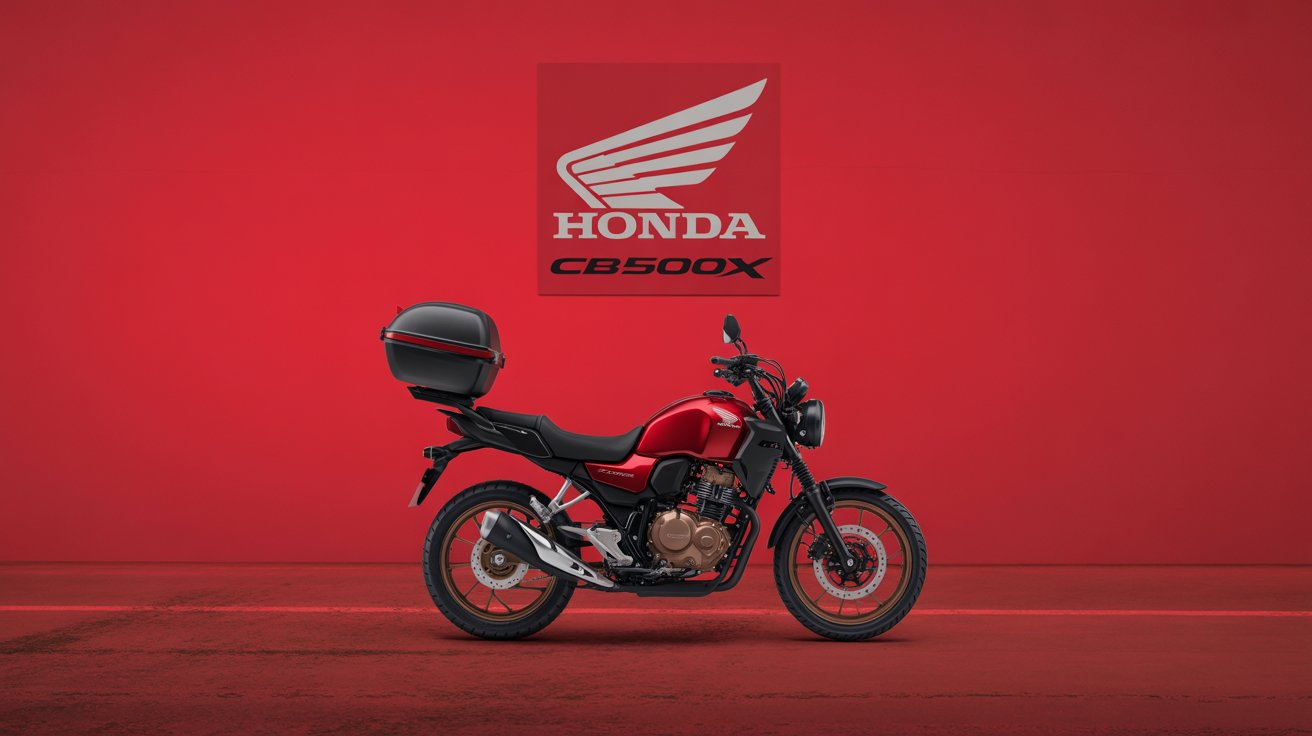


Known for building engines that exceed 100 thousand kilometers without major repairs, Honda has earned a reputation for ‘indestructibility’ with models like the CB500, thanks to engineering that prioritizes simplicity, extreme testing, and reliability above all else.
When it comes to mechanical resilience and reliability in the world of motorcycles, few names carry the weight of Honda. From urban scooters to high-displacement and adventure models, the Japanese manufacturer has built a solid reputation over the decades, creating reliable engines that go for years without serious issues. Among them, the engine of the CB500 stands out as a true icon, known by many as “indestructible.”
But what sustains this reputation? The answer lies in the combination of design philosophy, precise engineering, and extreme testing. Honda adopts an approach that focuses not only on performance but mainly on longevity and robustness. Below, understand how this strategy was developed and why mechanics and motorcyclists trust Honda’s engines so much.
The Japanese DNA of Reliability: The Philosophy That Shapes Honda Engines
Durability is not a matter of chance. Since its founding in 1948, Soichiro Honda incorporated into the company the philosophy of kaizen — continuous improvement in every detail of the development process. This means designing components that are more resistant to wear, creating highly efficient cooling and lubrication systems, and eliminating potential points of failure.
-
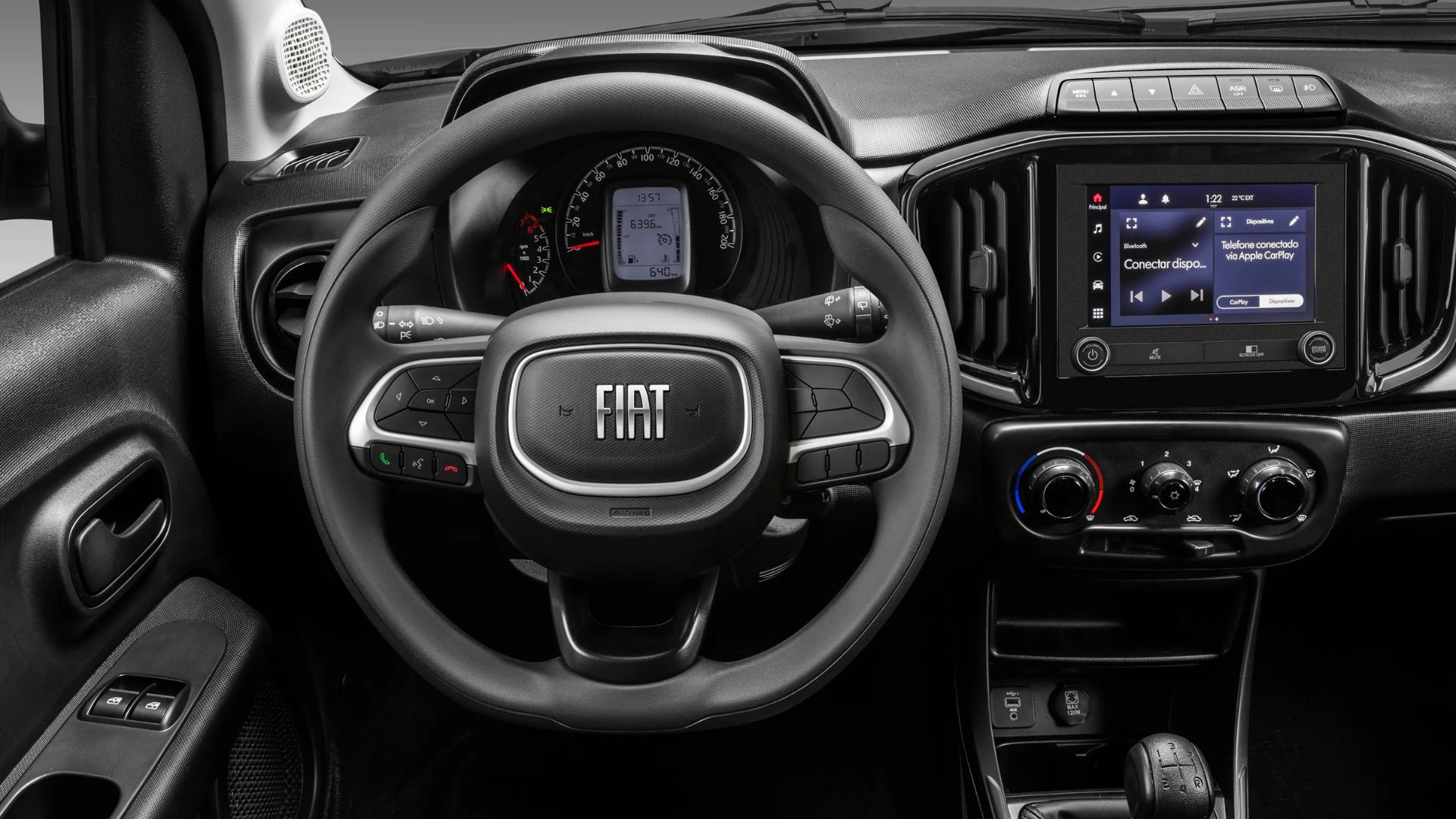
With a 1.0 engine producing 75 hp and costing less than R$ 70,000, Fiat’s car returns to the podium as the cheapest in the country; a temporary promotion for the 2026 Like version reduces the price of the Fiat Mobi.
-
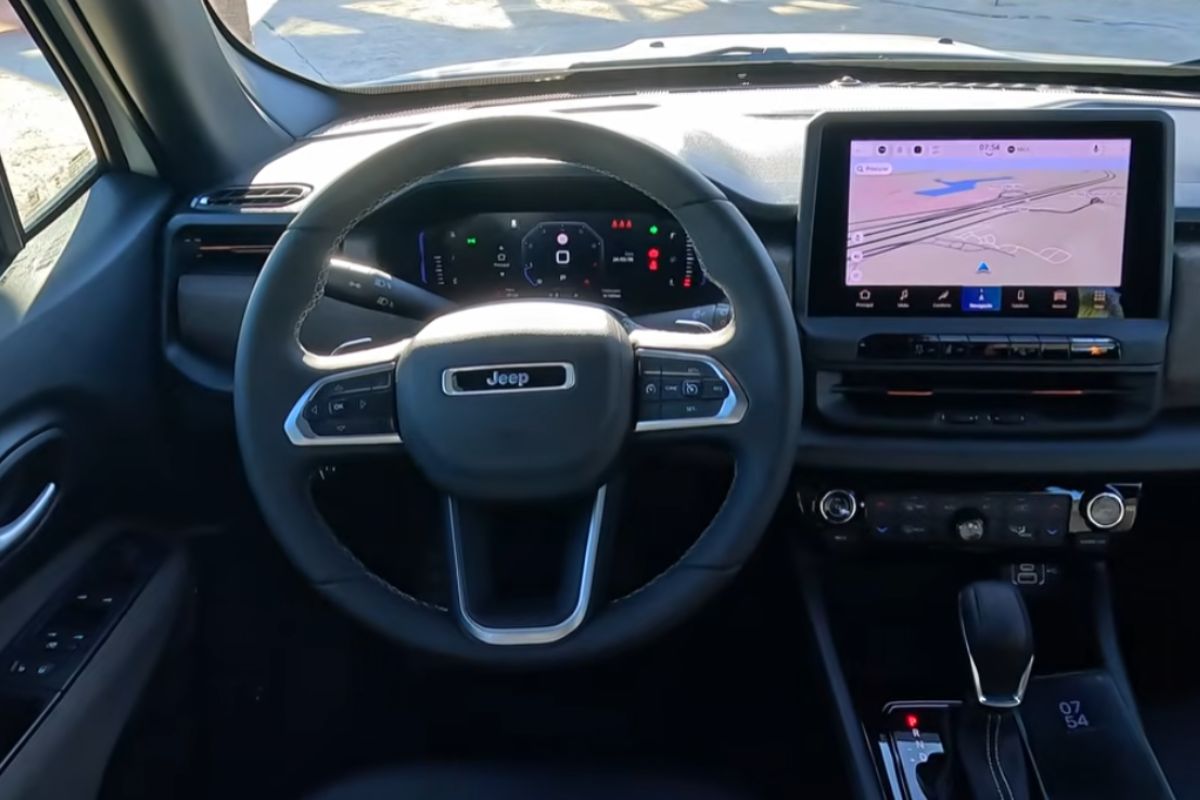
With a mild hybrid system of 48 V, 176 hp and a price of R$ 175,990 in the Sahara version, the new Jeep Renegade changes mostly on the inside, improves slightly in fuel consumption, and remains almost the same car.
-
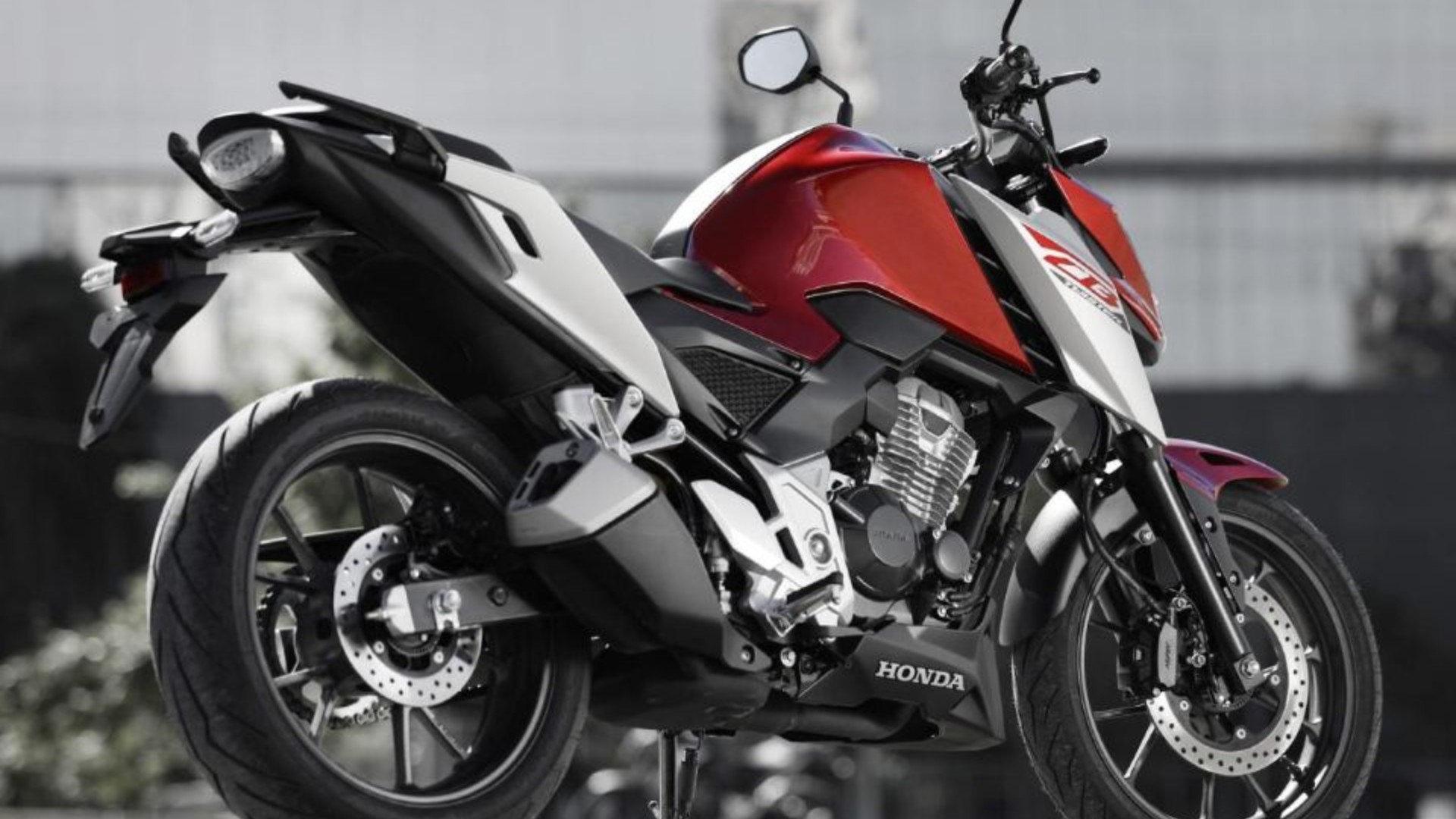
With a 293.5 cm³ engine and a range of up to 400 km with a 14.1-liter tank, the Honda CB 300F Twister 2026 has up to 24.7 hp, an initial price of R$ 25,150, and already exceeds R$ 29,000 in the Fipe Table.
-
With a 1.3 engine, nearly 700 km of range, and Turbo 200, the Fiat model surpasses Polo, Tera HB20, and Onix, becoming the best-selling car in March; see the numbers for the Fiat Strada and others.

Instead of just seeking maximum power, Honda engineers prefer to deliver balanced performance, with structural tolerances that avoid overloading the components. This balance results in engines capable of running thousands of kilometers, even under severe conditions, maintaining a low rate of corrective maintenance. The CB500 perfectly exemplifies this engineering philosophy that prioritizes durability without compromising performance.
CB500: Moderate Power, Simplicity, and Robustness
Originally launched in the 1990s and updated in the last decade, the CB500 is considered one of Honda’s most reliable projects. Its 471 cm³ twin-cylinder engine combines stable performance, low consumption, and accessible maintenance.
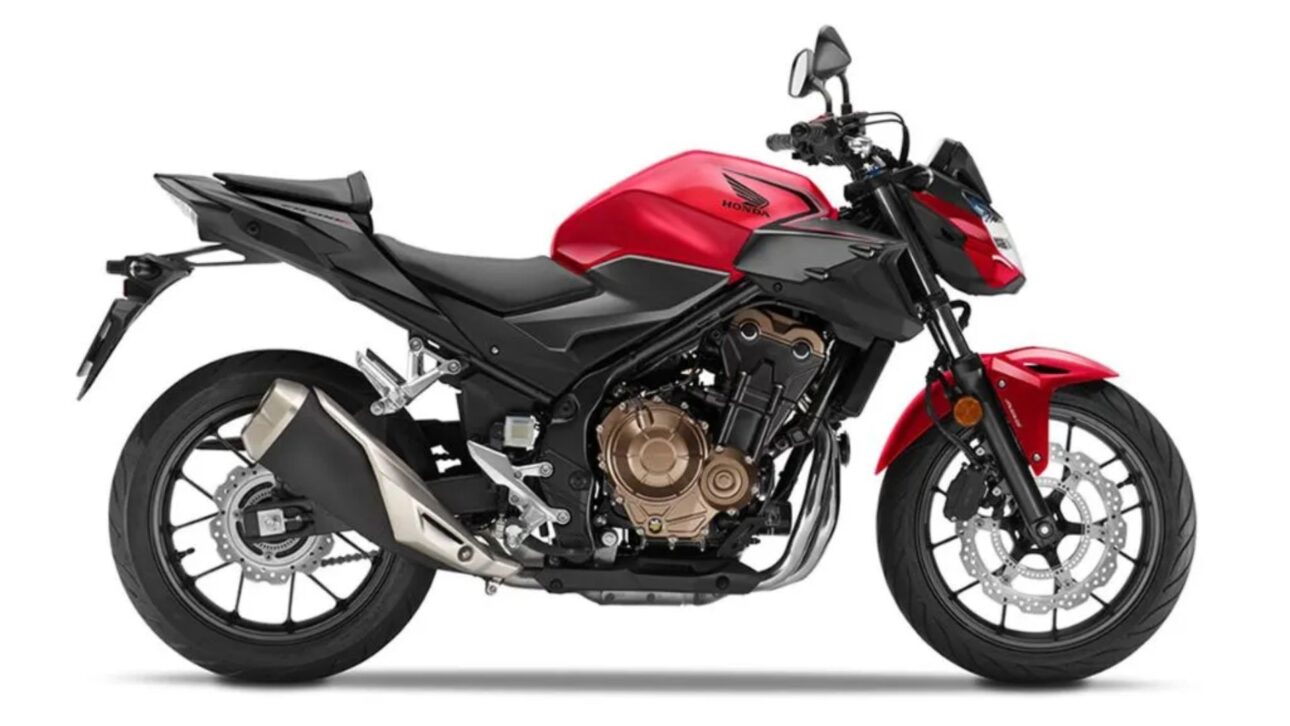
The secret lies in well-applied simplicity. With dual overhead camshafts (DOHC), liquid cooling, and precise electronic fuel injection, the mechanical set was designed to last, without resorting to excessively complex solutions that could compromise its reliability. The result is efficient thermal balance, reducing internal wear and increasing the lifespan of the assembly.
Reports from mechanics confirm that CB500 engines easily reach the mark of 100 thousand kilometers without needing a rebuild — an uncommon feat among competitors in the same category.
Resistance Testing: How Honda Guarantees the Durability of Its Engines
Before hitting the streets, Honda engines undergo a routine of extreme tests that go beyond industry standards. In exclusive laboratories and test tracks, they are subjected to hundreds of hours at high RPMs, radical temperature variations, and repetitive cycles of acceleration and braking.
In the CB500, for example, there are reports of internal tests where the engine operated for over 300 continuous hours at near-limit RPMs, without critical failures. This performance is made possible by the use of high-strength metal alloys, specific heat treatments, and optimized lubrication systems.
This dedication explains why, even after years of intense use, the brand’s engines continue delivering compression, consumption, and response very close to original factory standards.
In Practice: What Owners Say and How Much It Costs to Maintain a Honda
Durability is confirmed in everyday life. Owners of bikes like CB500, XRE 300, and CG 160 rarely report being stranded, even with daily use or long trips. This reliability is one of the brand’s biggest attractions.
Another favorable point is the maintenance cost. In dealerships, inspections are standardized and affordable, with qualified labor and original parts. A basic inspection of the CB500, for example, ranges from R$ 400 to R$ 600, depending on the region. In independent workshops, prices may be lower, but not always with homologated parts or trained technicians — something that can compromise reliability on long trips.
Preparing for Great Adventures: How to Equip a Honda for Long Trips
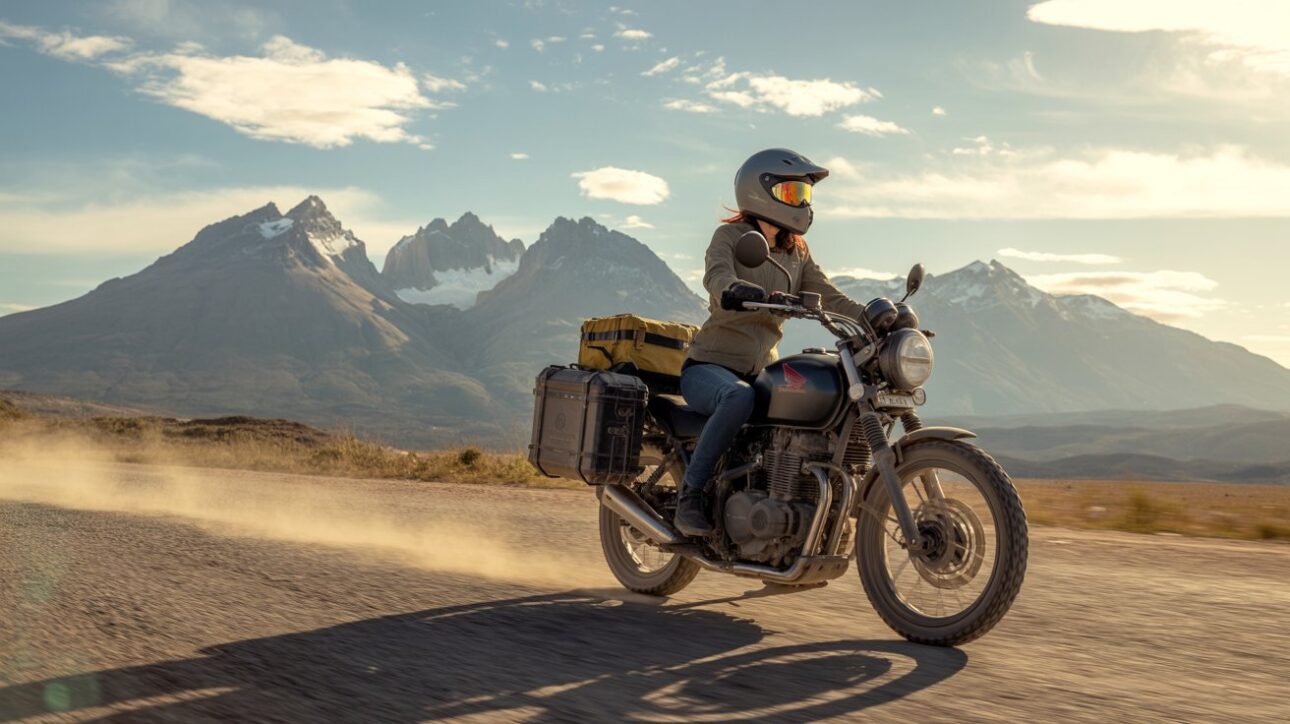
Models like the CB500X and NC 750X are popular choices for long-distance adventures, such as expeditions through Patagonia, due to their reliability and low consumption. For trips of this scale, preparation goes beyond preventive maintenance.
The most recommended items include:
- Top Case and Side Bags for better cargo organization;
- Fairing Guards and Crash Bars to minimize damage in falls;
- Mixed or Trail Tires, providing traction on dirt and gravel;
- GPS or Cell Phone Mount with USB Charger, for navigation;
- Auxiliary Lights, essential in low visibility sections.
Honda itself offers original touring kits, with compatible and reliable parts, ideal for those seeking safety on challenging routes.
Why Honda Remains Timeless
More than a motorcycle manufacturer, Honda has established itself as a symbol of trust. Its models, with consistent visual identity and a history of reliability, transcend generations and maintain market value precisely because of their durability.
By combining precise engineering, low maintenance costs, and a wide assistance network, the Japanese brand reaffirms with each launch that it is the safe choice for those who want to go far — and without surprises along the way.








Motor de plástico 🤣🤣🤣🤣🤣
Minha CG 160 2017/2018 está com 163 mil km rodados sendo a maior intervenção feita até o momento a troca da embalagem.
Tive Honda por mais de vinte anos, não por opção, era o que eu conseguiu comprar na época ou fazer rolo, todas deram problemas no motor, atualmente tenho uma CB 300, já sabem sobre o motor, eu acho que a Honda fez seu nome e só mandou coisas ruins para o Brasil.