





 Portuguese
  English
  Spanish
  3 min of reading
  0 comments


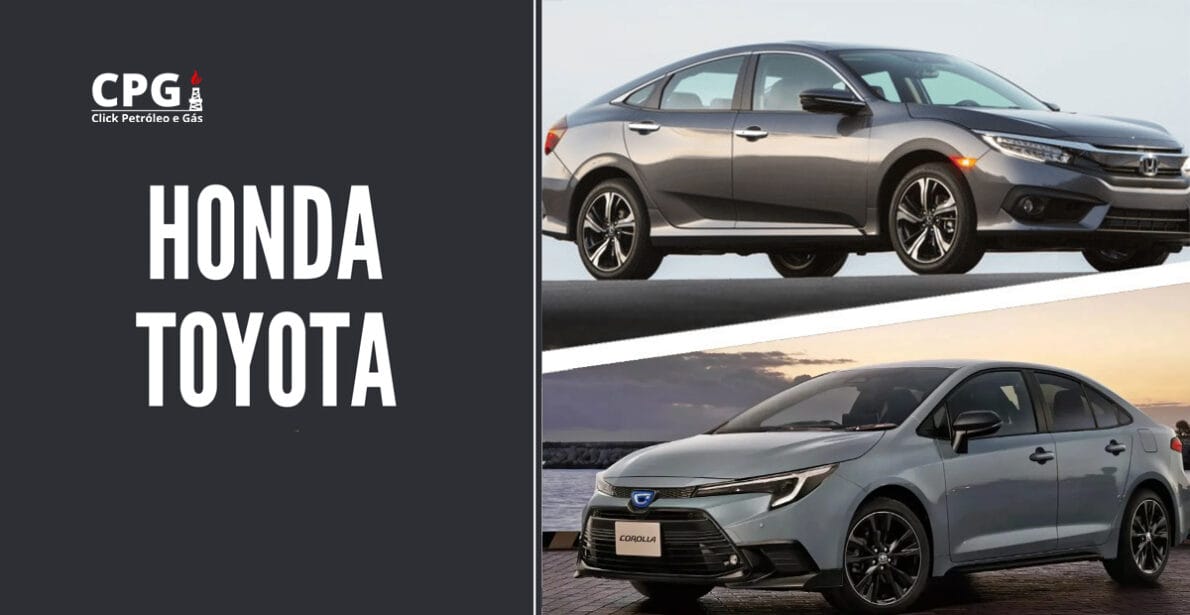
When We Think of Luxury Cars, Brands Like Mercedes-Benz, Jaguar, and Maserati Come to Mind. But What About Honda and Toyota? Many Brazilians Consider These Japanese Brands to Be Premium, but Is This Perception Justified?
The idea that these vehicles are high class is deeply rooted, but the reality may be a bit different. Let’s explore the reasons behind this impression and what really defines a car as premium.
According to experts from the VRUM portal, journalists Enio Greco and Alexandre Carneiro, the reputation of Honda and Toyota in Brazil is unquestionable.
Both are known for their reliability and quality, which gives them a significant advantage over some European competitors, such as Citroën and Peugeot.
-
Less than a Tera TSI, up to 710 km of range and charging in 9 minutes: the new BYD Song Ultra expands the Chinese brand’s bet on increasingly faster, more technological, and competitively priced electric SUVs.

-
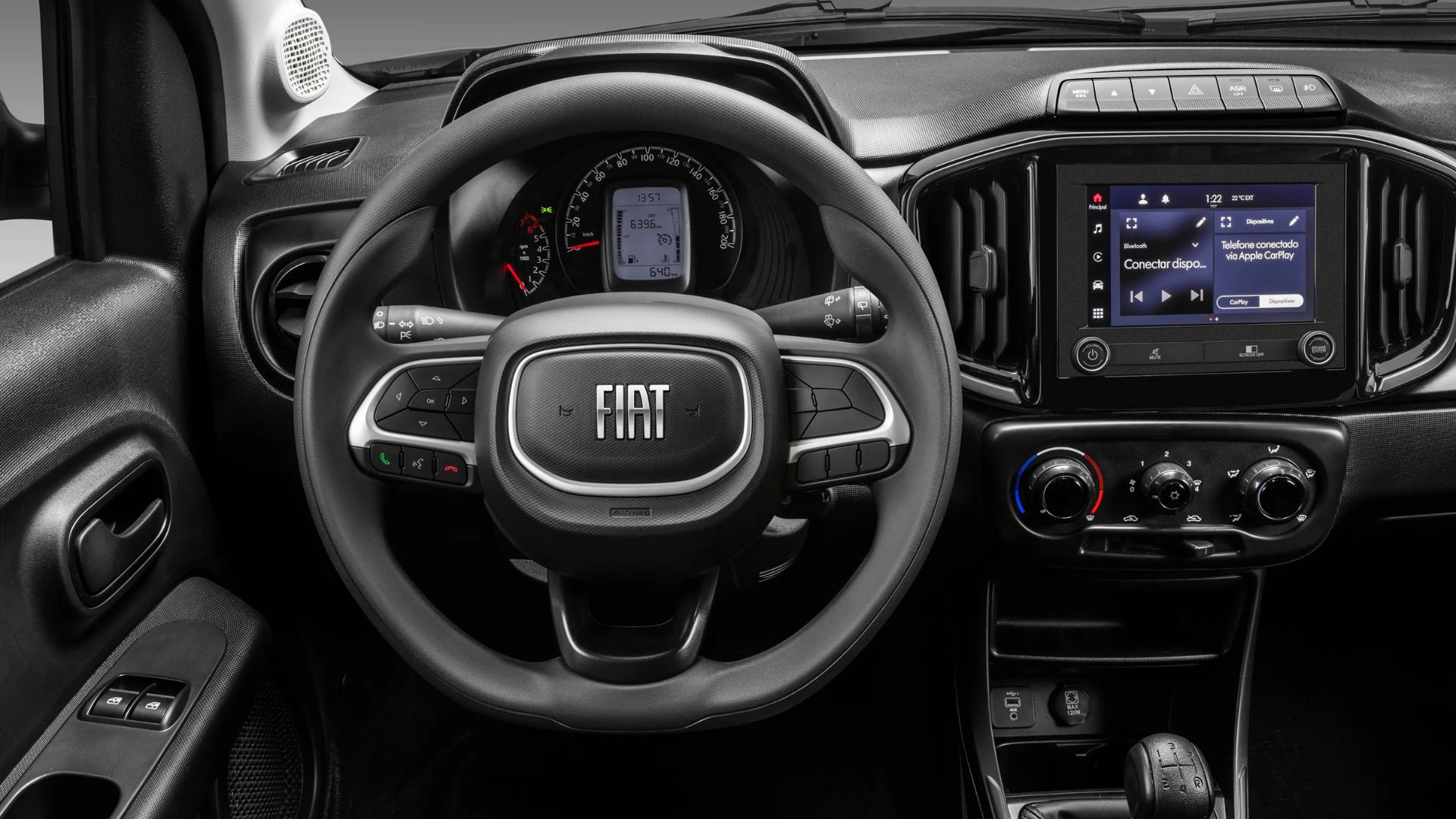
With a 1.0 engine producing 75 hp and costing less than R$ 70,000, Fiat’s car returns to the podium as the cheapest in the country; a temporary promotion for the 2026 Like version reduces the price of the Fiat Mobi.
-
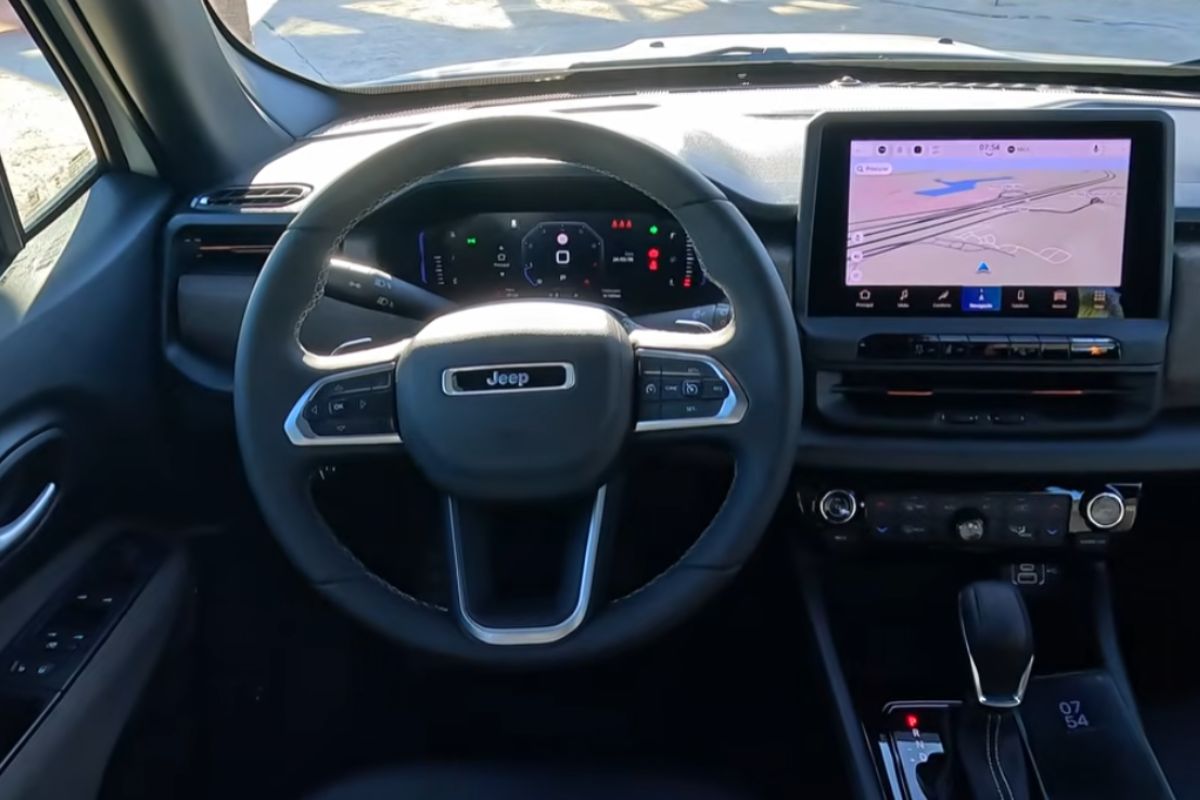
With a mild hybrid system of 48 V, 176 hp and a price of R$ 175,990 in the Sahara version, the new Jeep Renegade changes mostly on the inside, improves slightly in fuel consumption, and remains almost the same car.
-
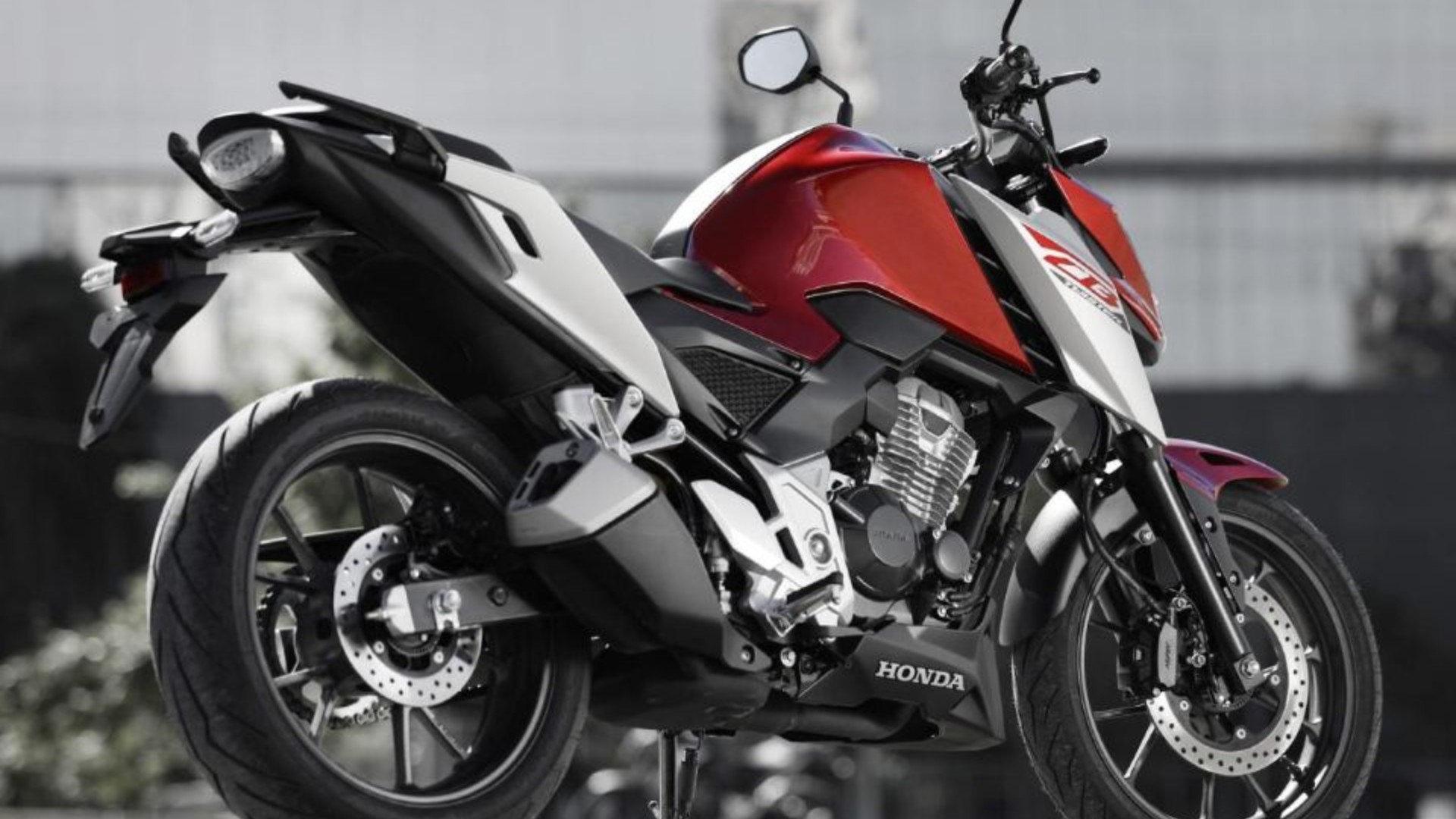
With a 293.5 cm³ engine and a range of up to 400 km with a 14.1-liter tank, the Honda CB 300F Twister 2026 has up to 24.7 hp, an initial price of R$ 25,150, and already exceeds R$ 29,000 in the Fipe Table.

This reliability, the two assert, is reflected in prices that are often above the market average, creating a perception of superior value.
Honda and Toyota: Generalist Brands or Premium?
While many consumers may see these vehicles as luxury, it is important to clarify that neither Honda nor Toyota specializes exclusively in high-end cars.
While brands like Mercedes-Benz have a clear focus on luxury vehicles, Honda and Toyota cater to a broader audience.
These brands have divisions dedicated to premium cars: Honda has Acura, and Toyota has Lexus. However, Acura does not operate in Brazil, leaving Lexus as the only representative of the luxury segment for the brands.
The Image of Superiority of Japanese Cars
The perception that vehicles from these brands are superior began to form in the 1990s, when the Brazilian market was flooded with imported products.
At that time, owning a Toyota Corolla or a Honda Civic was a status symbol, an image that continues to be perpetuated today.
Marketing campaigns reinforce this perception, highlighting the quality and durability of Japanese vehicles.
Moreover, Honda and Toyota do not market entry-level models in Brazil, as they do in other markets. In Asia, for example, Honda sells the Brio, and Toyota sells the Vitz, models that are more accessible.
Perception of Value in Global Markets
It’s interesting to note how the perception of these cars varies globally. In the United States and Canada, the Toyota Corolla and Honda Civic are considered entry-level vehicles, accessible to a wide range of consumers.
This strongly contrasts with the image in Brazil, where these models are seen as more sophisticated and of higher added value. This difference in perception is largely due to marketing strategies and brand positioning in different regions.
The Reality of the Brazilian Market for Honda and Toyota
In Brazil, Honda and Toyota’s strategy of not offering entry-level models contributes to the maintenance of an exclusive image.
This, combined with the lack of truly luxurious options, can lead some consumers to view these brands as the pinnacle of the automotive market.
However, it is important to remember that, although these cars are of high quality, they do not fit the traditional definition of premium vehicles.
And what do you think about this issue? Do you believe that Honda and Toyota are premium brands in Brazil? Leave your opinion in the comments and participate in the discussion!







Seja o primeiro a reagir!