





 Portuguese
  English
  Spanish
  5 min of reading
  0 comments


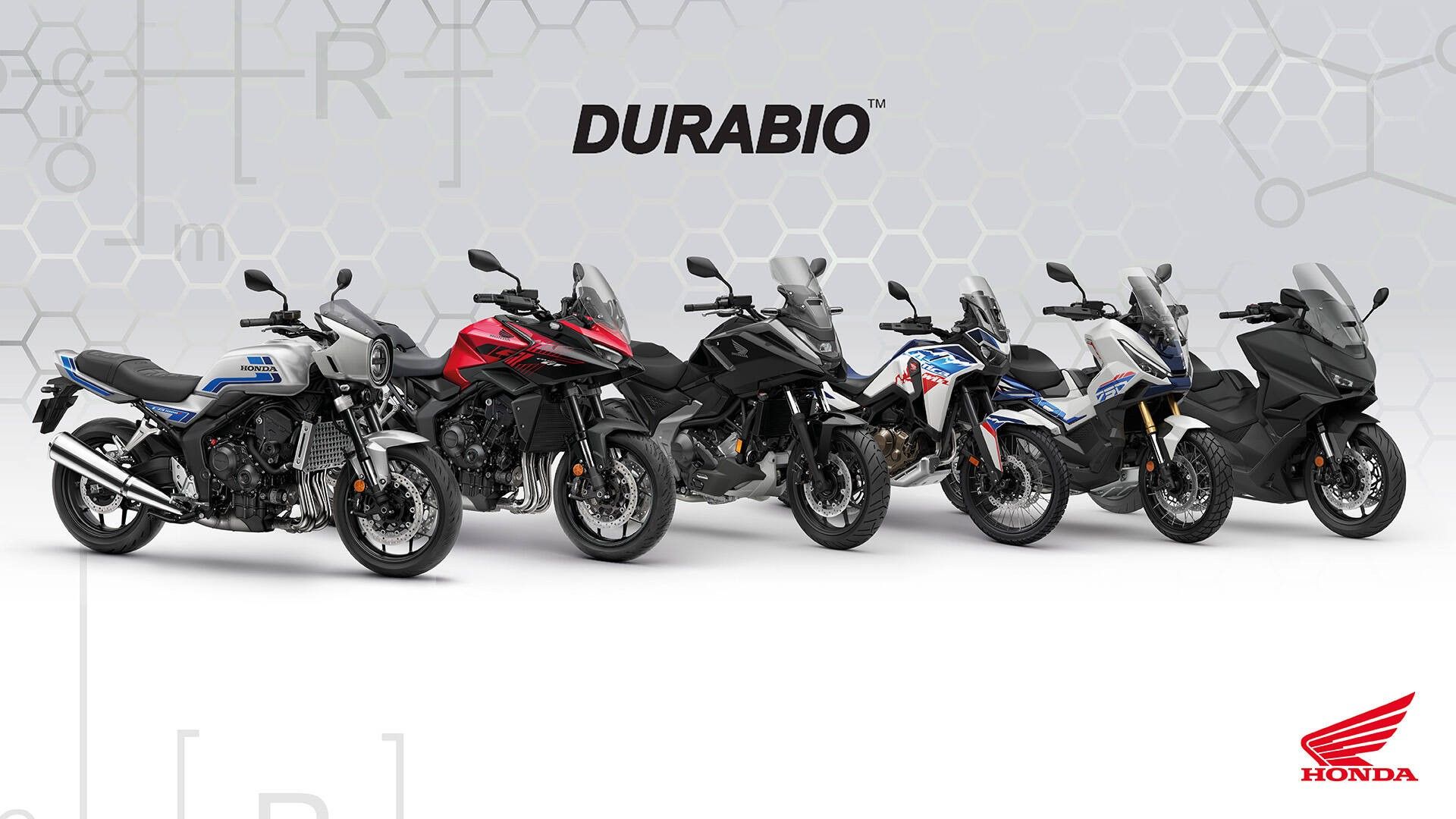
Honda Advances Sustainability by Incorporating Durabio and Recycled PP in Its 2026 Motorcycle Line, Reducing Environmental Impact and Expanding the Use of Renewable and Recycled Plastics
Honda announced a significant increase in the use of sustainable materials in its 2026 motorcycle line, prioritizing renewable and recycled raw materials. According to an article published by motociclismo online this Monday, December 1, the strategy involves the use of plant-based and recycled plastics — such as the bioplastic Durabio and recycled plastics (pre-consumer PP and reused automotive components) — aimed at reducing the environmental impact of its motorcycles.
Main Advances for Sustainability in Honda Motorcycles
Adoption of Plant-Based Plastic and Environmental Resistance
The introduction of Durabio, mentioned by Honda itself, marks a milestone for low environmental impact mobility. This bioplastic is derived from plant-based raw materials — such as non-edible corn and wheat — transformed into isosorbide, providing an alternative to traditional petroleum-based plastics.
The material is noted for its high resistance to scratches and impacts, stability against ultraviolet radiation, and high-quality aesthetic finish, characteristics that allow for the production of fairings and external parts without the need for painting. This reduces energy consumption and decreases CO₂ emissions associated with conventional painting processes.
-
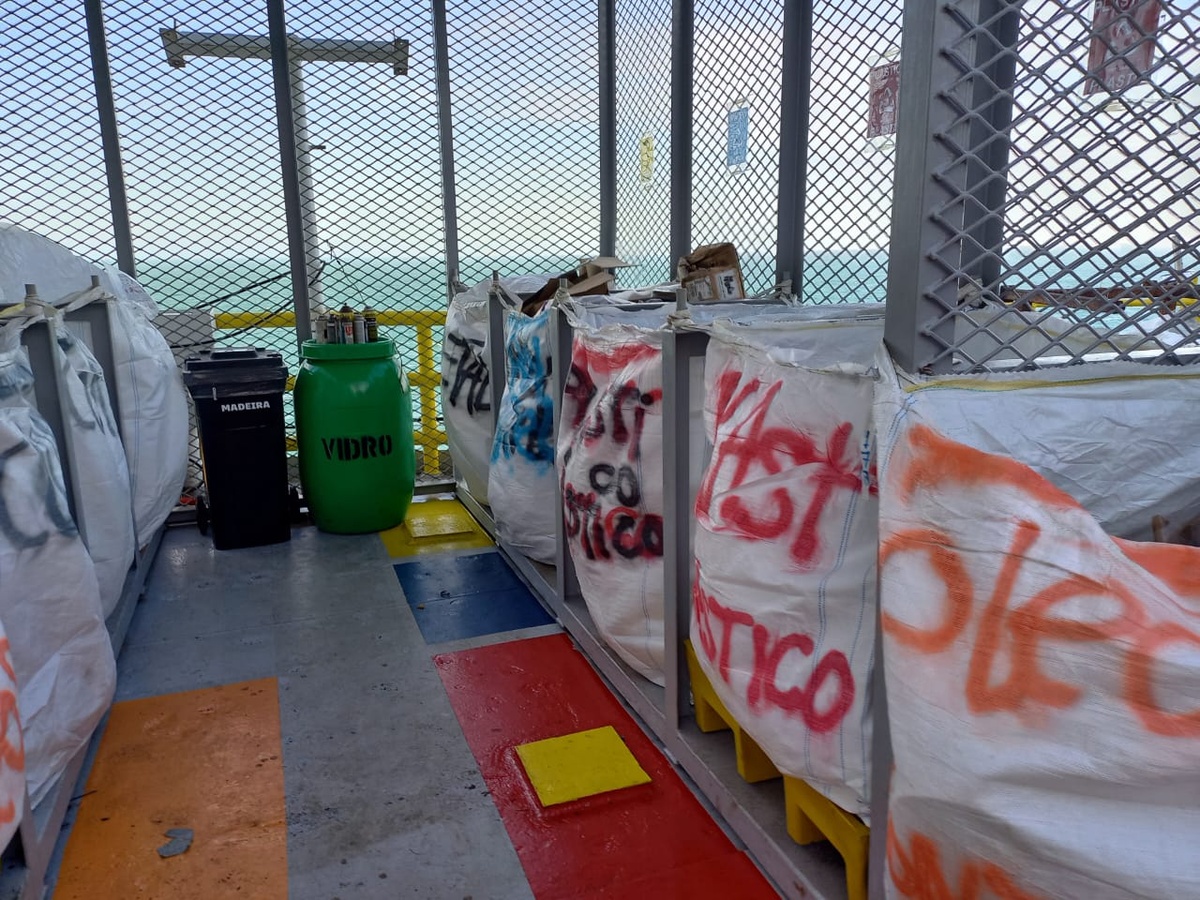
Foresea achieves 100% offshore waste reuse in 2025, eliminates landfill disposal, and consolidates sustainable strategy with 1,500 tons recycled.
-
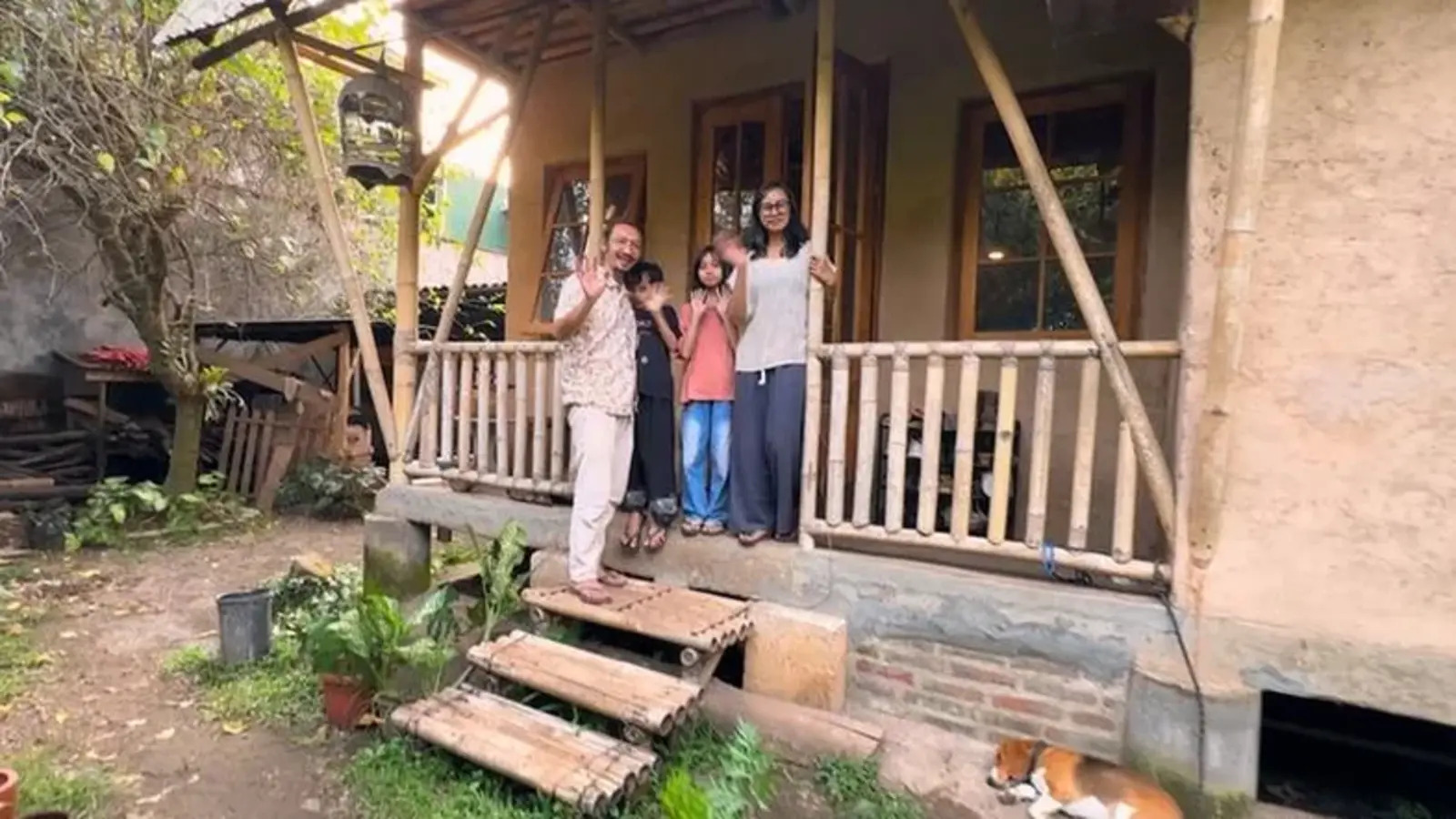
With earth, bamboo, straw, and lime mortar, a specialist builds a house for just over $460 and draws attention for its cost being much lower than traditional construction.
-
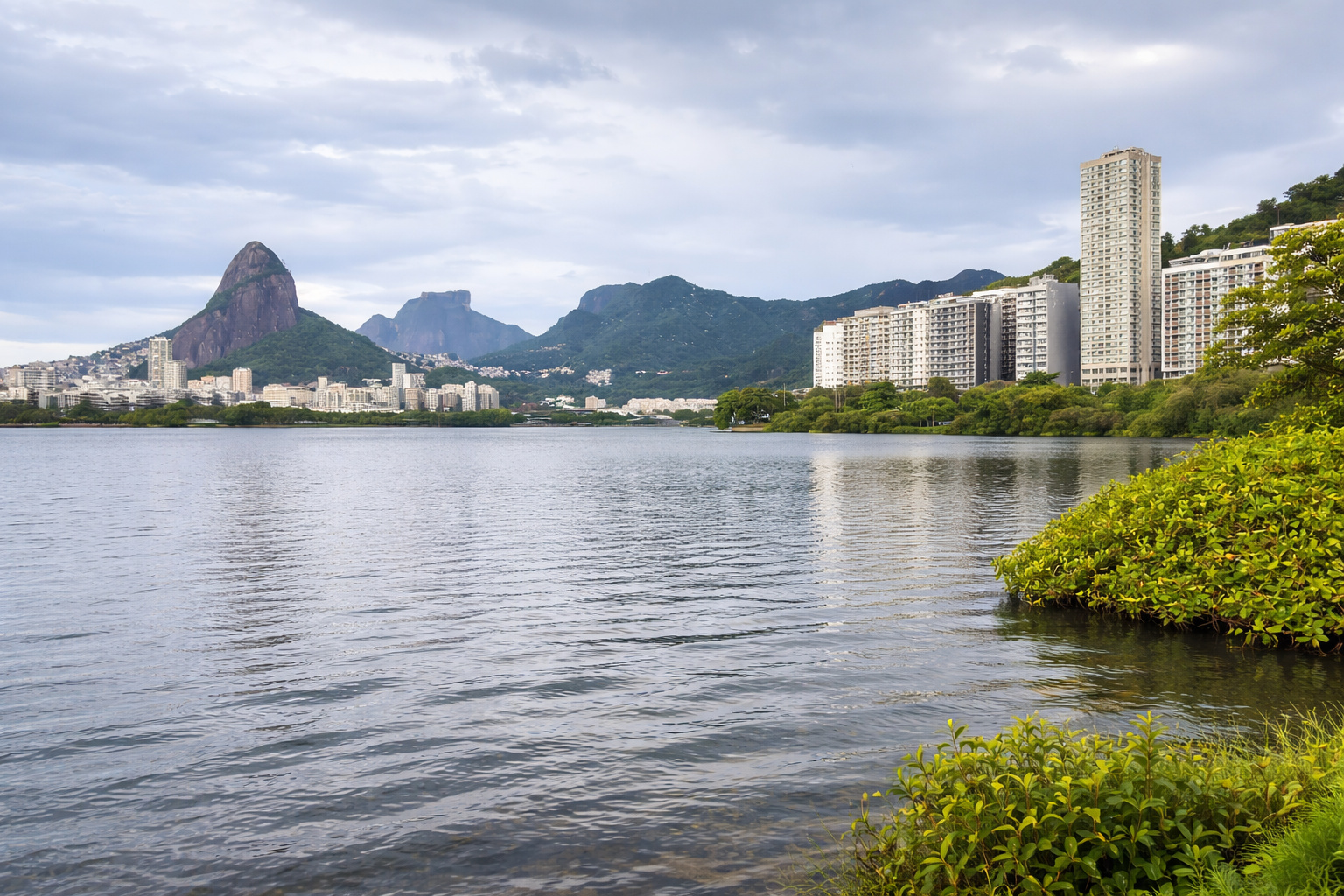
Rodrigo de Freitas Lagoon advances in environmental recovery with sanitation, elimination of irregular sewage, and the resumption of water sports in Rio de Janeiro.
-
Sustainable housing gains strength with a nationally awarded project in Campo Grande, highlighting innovative solutions that combine sustainability, urban integration, and efficiency in the use of natural resources.

The use of Durabio started with the windshield of the CRF1100L Africa Twin model released in March 2024 — the first motorcycle in the world to use this plant-based plastic in such a component.
For 2026, Honda expanded its application to other models, starting to use it in different components of at least six motorcycles from the 26YM (model year 2026) line.

Models and Components of Honda Benefited by Renewable Plastics
The expansion of the use of eco-friendly materials is not limited to one or two models — it encompasses a varied range of motorcycles with different profiles, reinforcing Honda’s commitment to sustainability.
- The 2026 version of the X-ADV now uses Durabio in the windshield and lower cowling covers.
- The Forza 750 maxi-scooter adopted front parts and handlebar components made from Durabio, including external panels.
- The NC750X crossover incorporated the material into central, side, rear fairings, and the windshield — including the application of colored Durabio in specific versions.
- The newly announced 2026 CB1000GT has also been confirmed to be equipped with a windshield made of Durabio.
This diversification of use shows that Honda’s sustainable project is not a one-off — it is transversal, encompassing everything from urban scooters to high-displacement and mixed-use motorcycles, demonstrating that the commitment to sustainability spans different audiences and riding styles.
Use of Recycled Plastics and Pre-Consumer PP: Circular Economy in Focus
In addition to plant-based plastics, Honda is progressing with recycled and reused materials in its models. The strategy is not limited to reducing the consumption of virgin plastic but adopts a complete life cycle and circular economy view.
- Components such as Honda car bumpers that have already been used have been recycled and reused in non-structural parts of motorcycles — such as luggage racks, compartments, and seat bases. This began to be implemented in models like the X-ADV and NC750X.
- Recycled pre-consumer polypropylene (PP) — internal waste from production — began to be used in panels and external parts, maintaining properties similar to new plastics.
Thus, Honda significantly reduces its dependence on virgin plastics and the extraction of fossil resources, contributing to the reduction of its environmental footprint. In addition, these practices promote the reuse and recycling of components at the end of their life cycle, aligned with the principles of a circular economy.
Honda’s Global Strategy: Carbon Neutrality and Circular Economy
The initiatives described are part of a broader plan by the company, which aims to transform its business and production model with a focus on sustainability. Honda’s global goal is to achieve 100% sustainable use of materials, clean energy, and carbon neutrality by 2050.
In the context of motorcycles, this strategy includes: increasing use of recycled and bio-derived materials, design that favors recycling and dismantling, and the creation of circular value chains that allow for the reuse of materials after the end of the vehicle’s life.
Moreover, Honda has been investing in complementary initiatives, such as recycling metal components, reusing raw materials, and partnerships to ensure a more sustainable and traceable supply chain.
Why This Change from Honda Matters?
The adoption of renewable and recycled materials represents a true competitive and environmental advantage for the motorcycle industry. By consistently and technically integrating sustainability, Honda demonstrates that it is possible to reconcile performance, aesthetics, and ecological responsibility.
For the consumer, the advantage goes beyond the rhetoric: motorcycles now have components with durability and resistance equivalent — or even superior — to conventional ones, with a lower environmental impact. This means choosing a modern and efficient vehicle without compromising environmental consciousness.
In a global context of climate crisis and increasing pressure for sustainable transport, these motorcycles represent a more conscious option. The adoption of bioplastics and recycled materials paves the way for cleaner mobility aligned with environmental goals — without sacrificing technology, style, or functionality.
A New Path for Mobility with Environmental Responsibility
Starting from December 1, 2025, Honda reinforces its environmental commitment with a structural change in production: the expansion — and not just a one-off adoption — of the use of renewable and recycled materials in its motorcycles. The use of Durabio and recycled plastics shows that mobility can be more sustainable, without losing performance or quality.
With models like the X-ADV, Forza 750, NC750X, CB1000GT, and others included, the manufacturer takes a leadership role in the transition to a circular economy in the motorcycle sector.
For those who value the environment — or for those looking for a modern motorcycle with ecological responsibility — this new generation of Honda motorcycles represents an intelligent and conscious choice.



Seja o primeiro a reagir!