





 Portuguese
  English
  Spanish
  5 min of reading
  1 comment


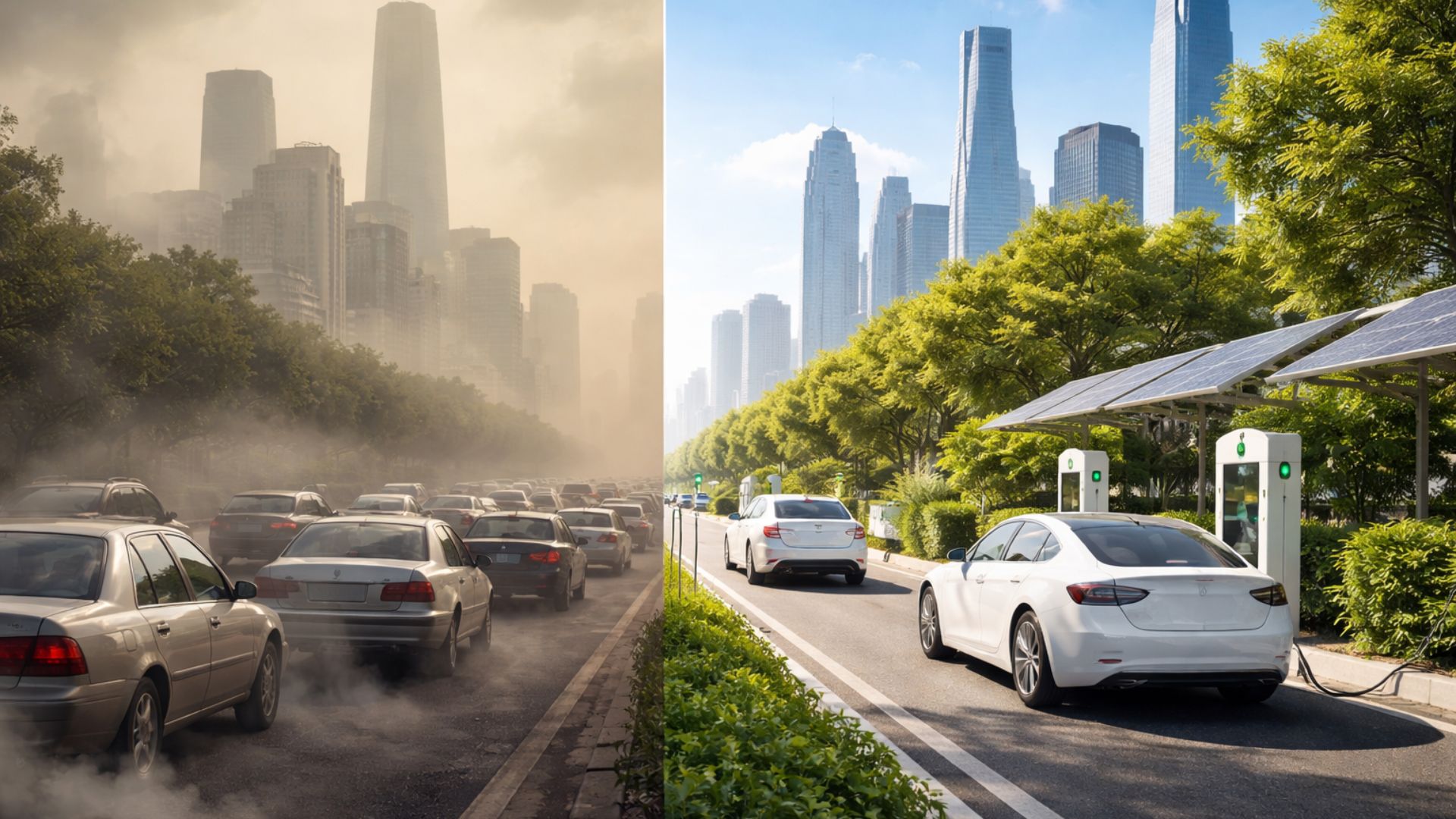

Beijing Registers Historical Advance in Combatting Pollution After a Decade of Environmental Policies, Expansion of Electric Cars and Investments in Sustainability That Raised Air Quality to Unprecedented Levels
Official consolidated data for the year 2025 confirm a historical change in the environmental landscape of the Chinese capital. After decades being a global reference for high levels of air pollution, Beijing recorded the best air quality performance since the start of official monitoring, according to information released by the city’s Municipal Bureau of Ecology and Environment and reported by the portal Xataka Brasil on January 15.
Air Quality in Beijing Hits Historical Level in 2025
The advance was the result of a set of rigorous public policies, particularly focusing on industrial emissions control, public transport modernization, and the rapid expansion of electric cars, which became a key component in combatting urban pollution.
In just over ten years, the Chinese capital managed to drastically reduce the concentration of fine PM2.5 particles, which are considered the most harmful to human health. This marks an environmental milestone for a megacity with nearly 22 million inhabitants.
-
6 sources of free fertilizer that you are throwing away every day and can transform your garden without spending anything.

-
With a water crisis on the radar, Sabesp invests in reclaimed water for data centers and transforms sewage treatment into a solution that saves millions of liters and protects public supply.

-
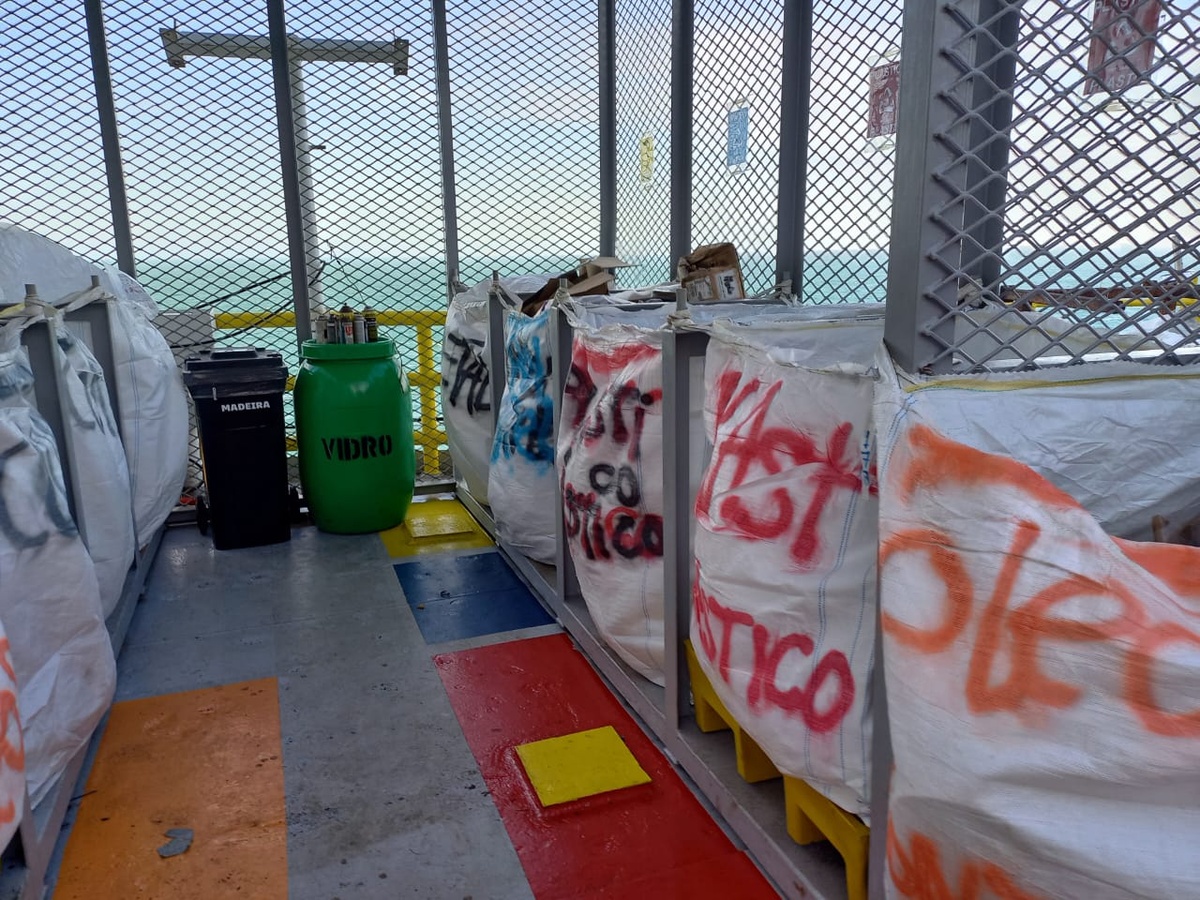
Foresea achieves 100% offshore waste reuse in 2025, eliminates landfill disposal, and consolidates sustainable strategy with 1,500 tons recycled.
-
With earth, bamboo, straw, and lime mortar, a specialist builds a house for just over $460 and draws attention for its cost being much lower than traditional construction.


The numbers released by environmental authorities are significant. In 2025, the annual average of PM2.5 particles in Beijing was 27 micrograms per cubic meter (µg/m³). In 2013, this figure was 89.5 µg/m³, a level considered extremely dangerous by international health organizations.
It was the first time the annual average fell below 30 µg/m³, consolidating the best result since the beginning of systematic monitoring of air quality in the city. Moreover, throughout the entire year of 2025, only one single day was classified as having severe pollution, according to China’s Air Quality Index.
Atmospheric Pollution and the Environmental Turning Point in Beijing
For decades, Beijing ranked among the most polluted cities in the world, with frequent episodes of overcast skies, low visibility, and alerts to the public to avoid outdoor activities. The turning point occurred in 2013 when the capital recorded nearly 60 days with critical levels of pollution from suspended particles.
In light of the gravity of the situation, the central Chinese government and the municipal administration launched a comprehensive action plan to tackle the issue. The strategy involved deep changes in the transport, energy, and industrial sectors, focusing directly on emissions reduction.
Electric Cars as Central Strategy for Urban Sustainability
The expansion of electric cars became one of the central axes of this environmental plan. By eliminating direct exhaust emissions, these vehicles significantly contributed to reducing nitrogen oxides and fine particulate matter, the main components of urban pollution.
In Beijing, electric and plug-in hybrid vehicles received direct incentives, such as facilitation in licensing and exemption from circulation restrictions applied to fossil fuel-powered cars during critical pollution periods. This differentiated policy accelerated the adoption of the technology by the urban population.
Record Fall of PM2.5 Improves Air Quality
According to the Municipal Bureau of Ecology and Environment of Beijing, the year 2025 recorded 311 days with low or moderate pollution levels, the highest number since the beginning of measurements. PM2.5 particles are considered extremely dangerous due to their ability to penetrate deeply into the lungs and bloodstream.
The World Health Organization recommends that the annual average exposure does not exceed 10 µg/m³, a value still far from the Chinese reality. Nevertheless, the reduction observed in just over a decade is considered one of the fastest ever recorded in large urban centers.

Air Quality, Public Health and Effects on the Population
The improvement in air quality in Beijing has direct repercussions on public health. Scientific studies link the reduction of PM2.5 particles to a decrease in respiratory and cardiovascular diseases and hospital admissions, particularly among the elderly and children.
Although consolidated health impact data is still being analyzed by Chinese authorities, experts indicate that the consistent drop in atmospheric pollution is likely to yield long-term benefits, including increased life expectancy and reduced healthcare costs.
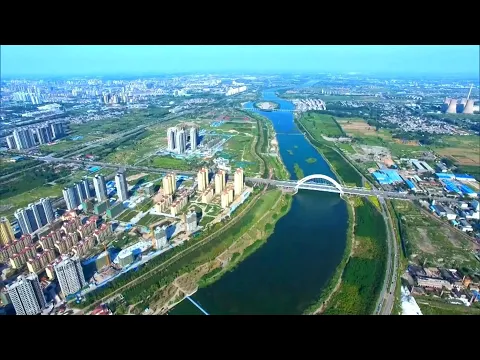

Sustainability and Comparison With Global Cities
Despite the advances, Beijing still exhibits pollution levels higher than those of European cities like London, Paris, Berlin, and Madrid, whose annual PM2.5 averages range from 10 to 15 µg/m³. However, the speed of the Chinese transformation is noteworthy.
While Western cities took decades to reduce pollution following intense industrialization processes, the Chinese capital achieved significant results in just over ten years. This accelerated pace reinforces the role of sustainability as an integrated strategy for urban planning.
Expansion of Electric Cars Drives Structural Change
The transformation observed in Beijing follows a national trend. In June 2025, China had about 37 million vehicles in circulation, of which approximately 10% were already electric, hybrid, or plug-in.
The sales of these models grew exponentially. In 2020, only 5% of the vehicles sold in the country were electrified. By 2025, that number surpassed 50% of annual sales, according to preliminary industry data. In the last year alone, over 12 million electric cars were sold across China.
Electric Infrastructure and Sustainable Transport in Beijing
In addition to the fleet of electric cars, Beijing has heavily invested in infrastructure. The city expanded its public charging network, electrified bus and taxi fleets, and expanded electric bike-sharing systems.
These initiatives reduced the dependence on individual transport powered by fossil fuels and contributed to cleaner urban mobility. Public transport has taken on a central role in the sustainability strategy, complementing the advancements made with the electrification of the private fleet.
A New Environmental Standard for Large Cities
The experience of Beijing demonstrates that it is possible to reverse critical scenarios of pollution even in highly industrialized megacities. The combination of rigorous public policies, investments in clean technology, and incentives for electric cars was decisive in achieving historical results in air quality.
The Chinese case reinforces that sustainability, urban growth, and public health are not incompatible objectives. On the contrary: when integrated, they can redefine the future of large cities and serve as a global reference for addressing the environmental challenges of the 21st century.








Lembrei de uma notícia na pandemia da COVID que foi a seguinte: “Devido ao baixo movimento de transportes e queima de matéria em fábricas, os índices de poluição atmosférica baixou consideravelmente”. Então essa notícia tem um certo fundo histórico.