





 Portuguese
  English
  Spanish
  5 min of reading
  0 comments


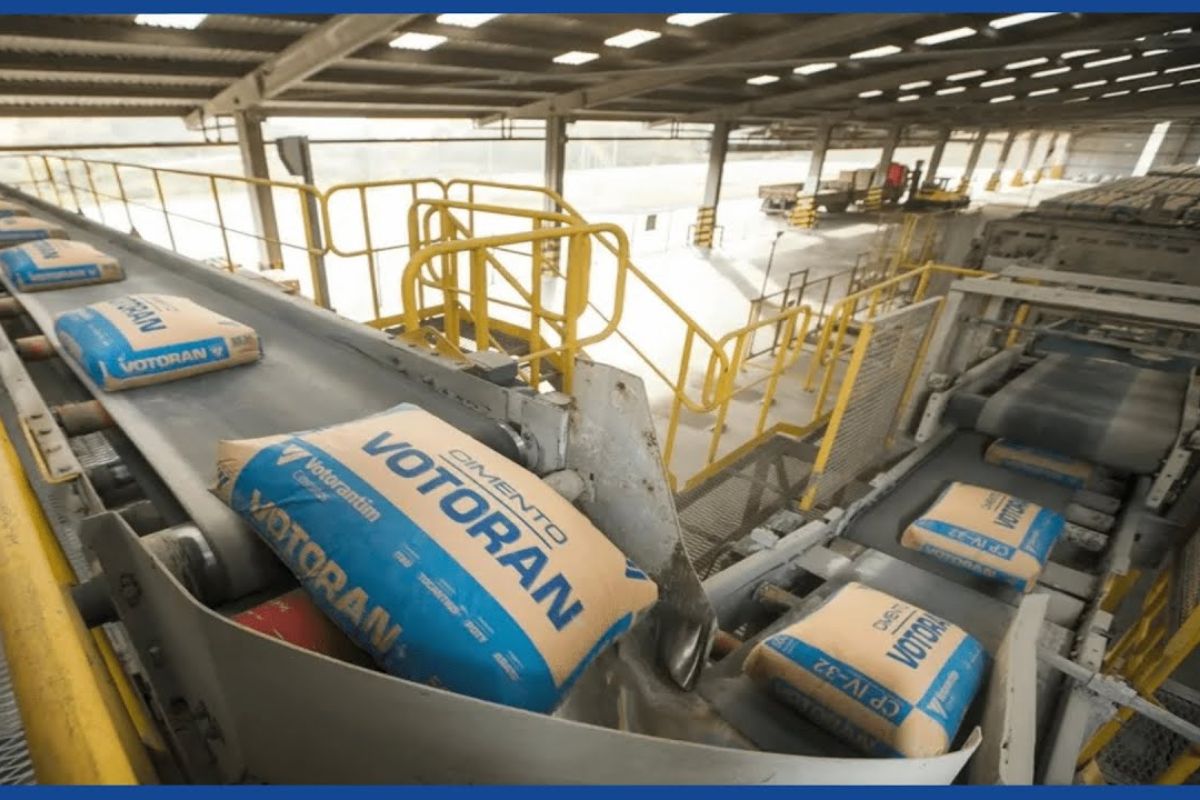
From Controlled Blasting That Releases 200 Thousand Tons of Limestone to Final Grinding, Understand How Industrial Cement Is Born in Giant Quarries, Passes Through Furnaces That Operate 24 Hours, Strict Quality Tests and Ends Up Automatically Packaged in Strong 50 Kg Bags Ready to Build Cities All Over the World
Before becoming cargo on a truck or a building pillar, industrial cement is heir to a history that begins between 4,000 and 3,000 BC, goes through Roman technology, and receives its name in 1824 when Joseph Aspdin patented Portland cement in England. The evolution of this material accompanies the very history of civil construction, from the first mortars to today’s skyscrapers.
Today, far from the artisanal workshops of the past, the process is fully automated and controlled. In large plants, furnaces operate 24 hours a day and every gram of raw material is measured, ground, and tested in the laboratory, so that the final product always delivers the same performance in projects of all sizes.
From the Deposit to Controlled Blasting of Limestone
It all starts with the choice of the land where the factory will be installed, always close to a limestone deposit, the main raw material of industrial cement.
-
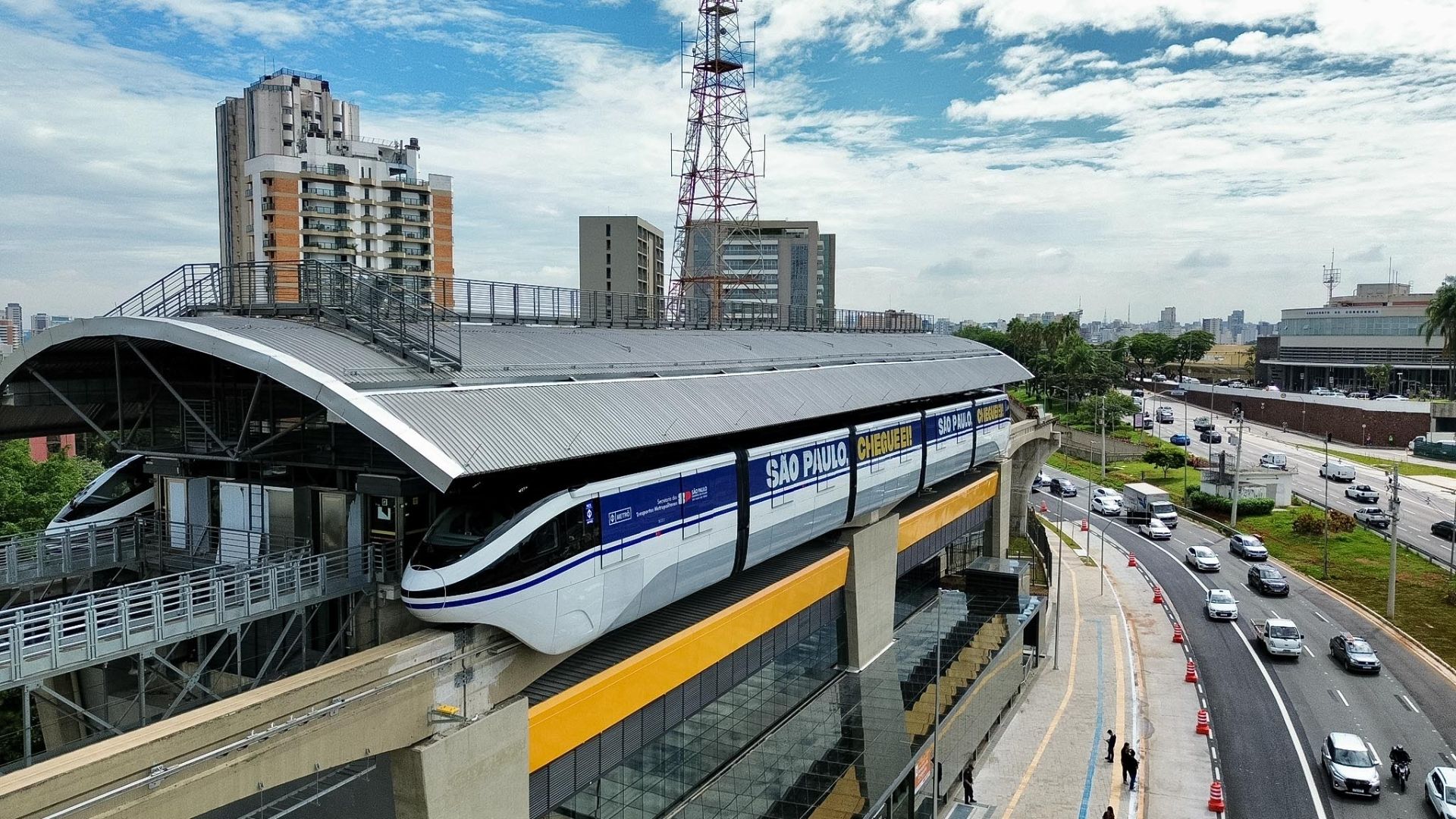
The project that was supposed to be ready for the 2014 World Cup in Brazil debuted with a 12-year delay and nearly R$ 6 billion invested: the Line 17-Gold of the São Paulo monorail opened with reduced hours and is only expected to operate fully in October.

-
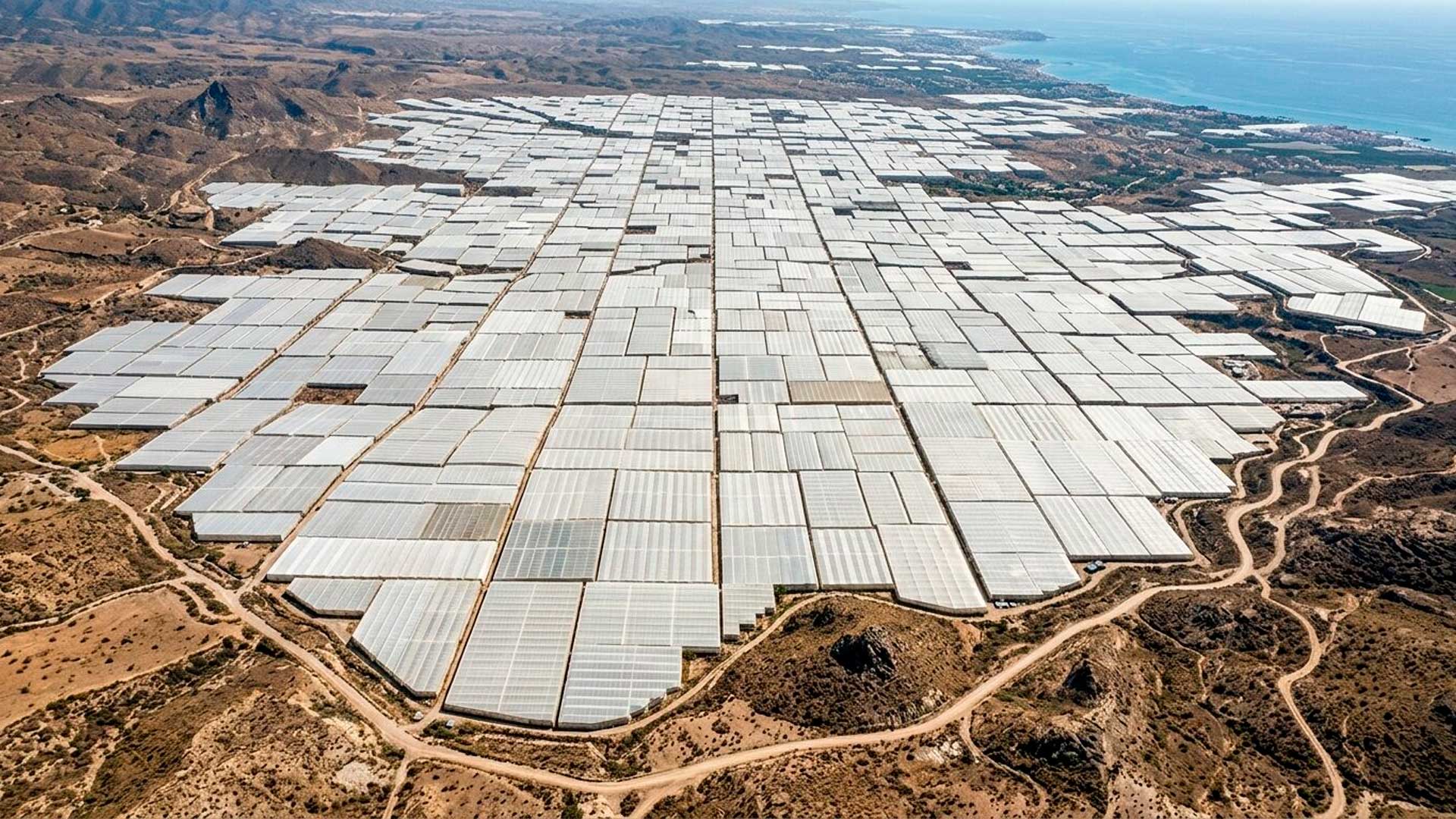
Neither the Pyramids nor the Great Wall of China, this gigantic construction in Spain is the human mark on planet Earth that intrigues the most when seen in images from space.
-
Surrounded by cliffs, mist, and chilling stories, the ancient Hotel del Salto has been reborn as a museum while still unable to shake off its reputation as a haunted place.

-
This star-shaped fortified construction, hidden near the border of Spain, may be the largest fortress on the planet.

The proximity reduces transportation costs and ensures a continuous supply of rock for decades of operation.
In the quarry, the ground is drilled at various points down to the planned depth. Ammonium nitrate explosives are carefully positioned and covered with gravel, forming aligned charges interconnected by wires to the main detonator.
When triggered from a distance, these controlled detonations fragment the rock face and can release up to 200,000 tons of limestone at once.
Giant Trucks, Excavators, and The First Crushing
After the blasting, large machines come into play. Excavators with buckets of around 12 m³ remove the loose rocks, picking up to 17 tons of stone in a single move.
These blocks are loaded onto off-road trucks with a capacity of around 60 tons per trip.
The trucks take the material to the primary crusher, a large-scale grinder.
There, the raw limestone is reduced to the size of tennis balls, a stage known as crushing. This sizing is essential for the subsequent grinding stages to be efficient and more energy economical.
Homogenization of The Mixture and Birth of Raw Meal
From the crusher, the material follows through conveyor belts to enormous piles inside the factory. The rocks of limestone, clay, and iron ore are piled in alternating layers, which helps to pre-homogenize the chemical composition.
Batch scales, controlled by the central laboratory, withdraw raw materials in the exact proportion defined by the project.
The mixture goes to the raw mill, where everything is ground into a very fine powder, called raw meal.
This meal, with the ideal chemical composition, is stored in tall silos, ready to feed the thermal stage.
Cyclone Tower, Calcination, and Entry Into The Furnace
Before entering the furnace, the raw meal passes through the cyclone tower and the calciner. In this vertical assembly, the powder is heated by hot gases that rise contrary to the material that descends, maximizing thermal energy utilization.
Upon reaching about 850 ºC, calcination occurs, at which point part of the carbon dioxide is released from the rock.
From there, the meal is no longer just cold powder, but an activated material that goes directly to the rotary kiln, a long, inclined metal cylinder that rotates slowly.
Rotary Furnace Lit 24 Hours and Formation of Clinker
In the rotary furnace, temperatures reach around 1500 ºC. The raw meal transforms into an almost liquid mass, resembling glowing lava, in which the components begin to react chemically. It is here that the calcium silicates and aluminates form, responsible for the hardening properties of the cement.
As this mass moves inside the furnace, it solidifies into small, hard spherical nodules known as clinker.
The temperature is so high that, upon leaving the furnace, the clinker can be around 1000 ºC. Therefore, the equipment must operate continuously, 24 hours a day, being turned off only during planned maintenance stops.
Rapid Cooling and Storage of Clinker
Right after leaving the furnace, the clinker passes through a cooler. The cooling speed is essential for product quality, as it directly affects the internal structure of these grains and, therefore, the performance of future industrial cement.
Upon reaching temperatures close to 100 ºC, the clinker is sent via belts to specific silos. In these structures, the material awaits the final grinding stage, separated by type or batch, depending on each factory’s strategy.
Ball Mills, Gypsum, and Mineral Additions
In the final phase, the clinker enters ball mills. These machines are large steel cylinders that rotate partially filled with thousands of metal balls.
The clinker and other materials are added inside, and the rotational movement causes the balls to fall and roll, crushing the content by impact and abrasion.
It is at this point that gypsum and, in some cases, additions such as granulated blast furnace slag or pozzolana are introduced.
Gypsum controls the setting time, that is, it prevents the cement from hardening almost instantly upon contact with water, allowing the mason to mix, transport, and apply mortar or concrete.
The dosage of each component defines different types of industrial cement, with specific characteristics for each application.
Quality Control in The Laboratory for Every Batch Produced

Throughout the entire line, samples are collected and sent to the laboratory. There, test mills, spectrometers, and other advanced equipment evaluate the fineness of the grinding, the chemical composition, and the mechanical strength of the test specimens molded with that cement.
These tests verify whether the product meets the standards and hardens at the right time, neither too fast nor too slow.
Only after passing all the tests do the batches proceed to the packaging stage, ensuring that the industrial cement delivers the promised performance in each project.
Automatic Packaging in 50 Kg Bags and Bulk Sales
From the final silo, the approved cement is sucked through tubes and sent to the bagging area. Fully automated machines place the multi-layer kraft paper bags at the filling mouths, fill, weigh, and release each unit.
Each bag receives exactly 50 kg of cement, with minimal tolerances monitored by automatic scales that reject any unit outside the standard.
The bags proceed along conveyors, can be organized on pallets, and then go to storage or directly to trucks.
In addition to the bagged version, industrial cement is also sold in bulk, transported in dedicated silo trucks that unload the product directly into concrete plant silos, precast facilities, or large construction sites.
Millions of tons of this material are produced every year around the globe, enabling everything from small renovations to mega infrastructure projects.
After learning all this, tell me in the comments: Which stage of the industrial cement manufacturing process did you find most impressive and why?









-

-

6 pessoas reagiram a isso.