





 Portuguese
  English
  Spanish
  5 min of reading
  0 comments



A Brazilian Reports How Living in Rural America Revealed a Structured Routine, Large Families, Focus on Wealth, and an Active Christian Community, Completely Transforming His View on Consumption, Education, Work, and Quality of Life
The Brazilian Cris, creator of the channel Mission America, shared in one of his latest videos a detailed analysis of his first year and what it is like to live in rural America.
Throughout the account, he described cultural shocks, daily habits, structural differences, and social values that profoundly changed how his family sees life.
What Does It Mean to “Live in Rural America“
Right at the beginning, Cris explains that the idea of rural America is completely different from the notion of rural Brazil. He emphasizes that, in Brazil, remote areas are often associated with structural deficiencies, lack of services, poor roads, and evident poverty.
-
Why was the Great Wall of China built? The truth that many are unaware of!

-
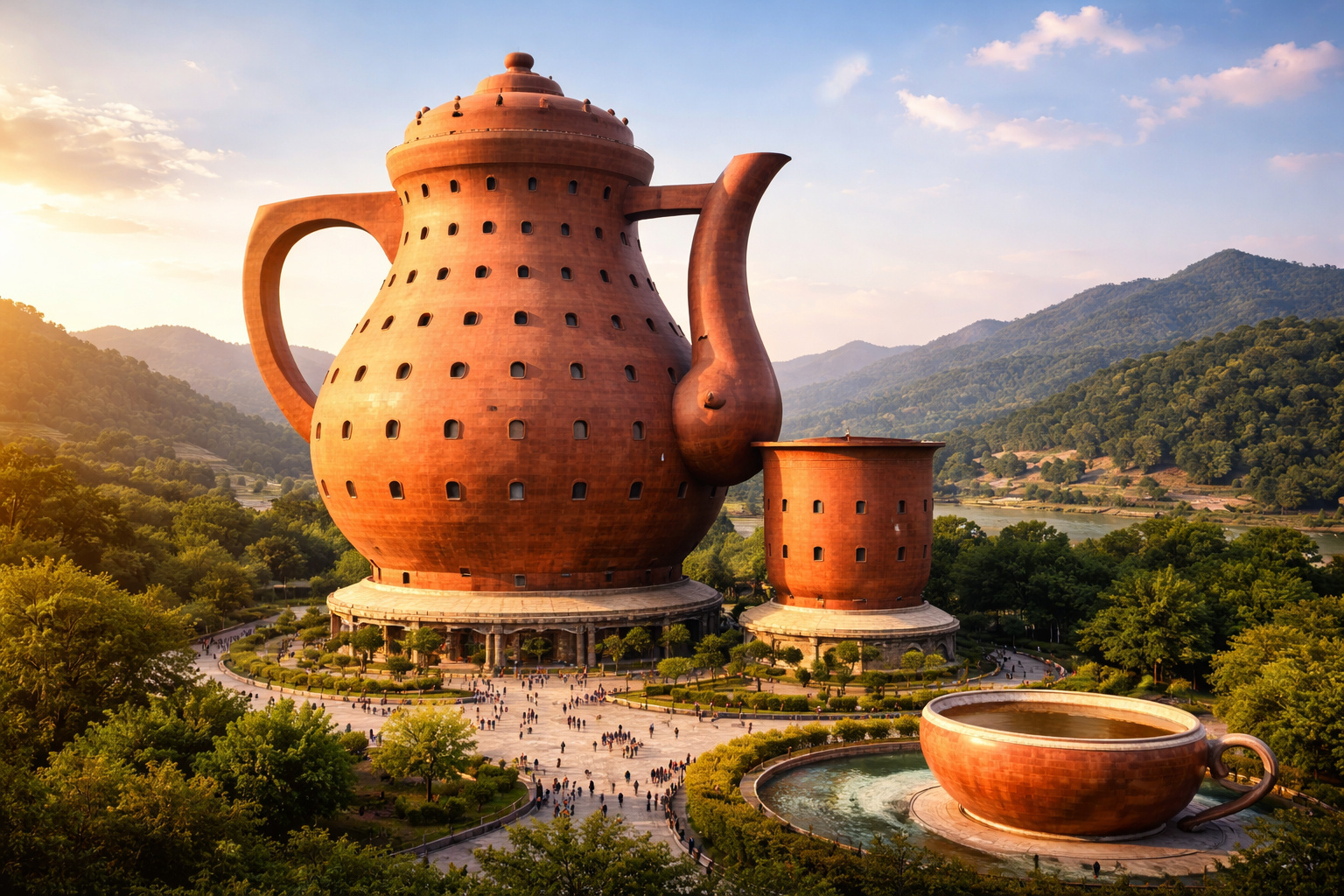
At 73.8 meters tall, the world’s tallest teapot-shaped building has 15 floors, ensures stability, and impresses with an internal space of 28,000 cubic meters.
-
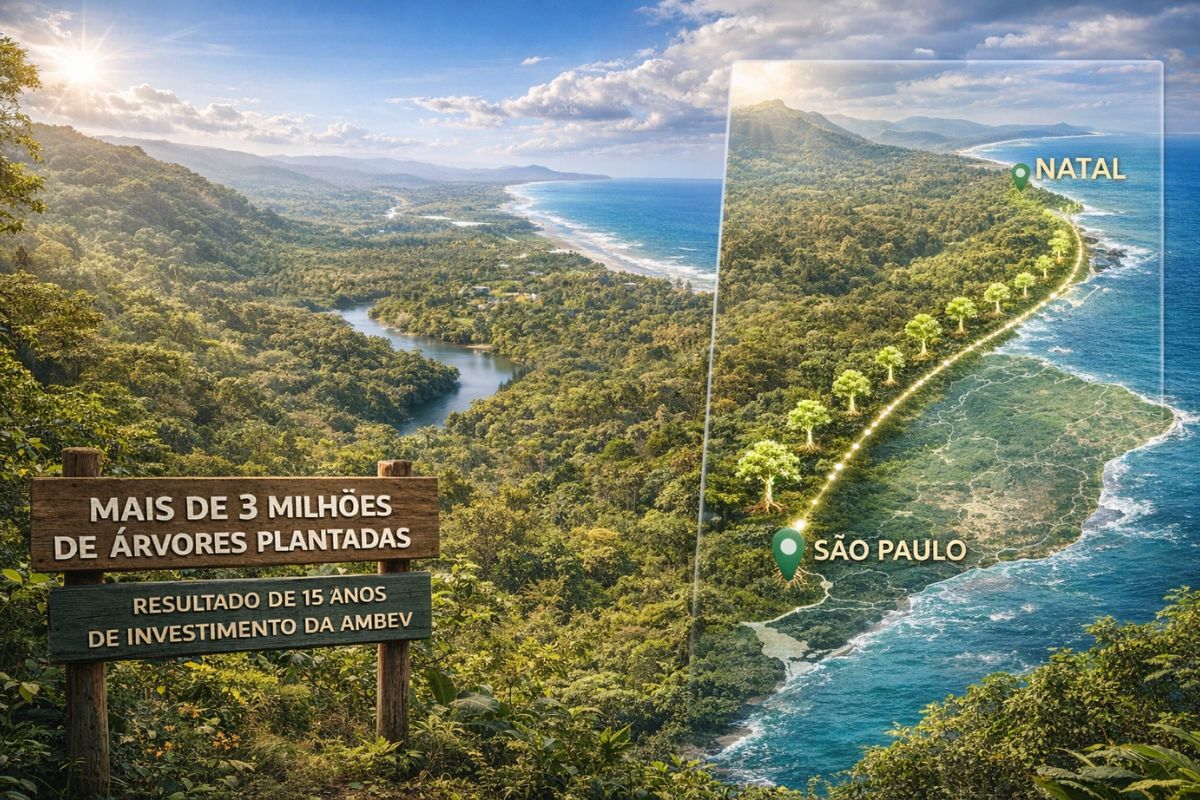
Ambev has planted over 3 million trees and restored an area equivalent to the coastline from São Paulo to Natal, and the result after 15 years of silent investment has finally appeared for all of Brazil to see.
-
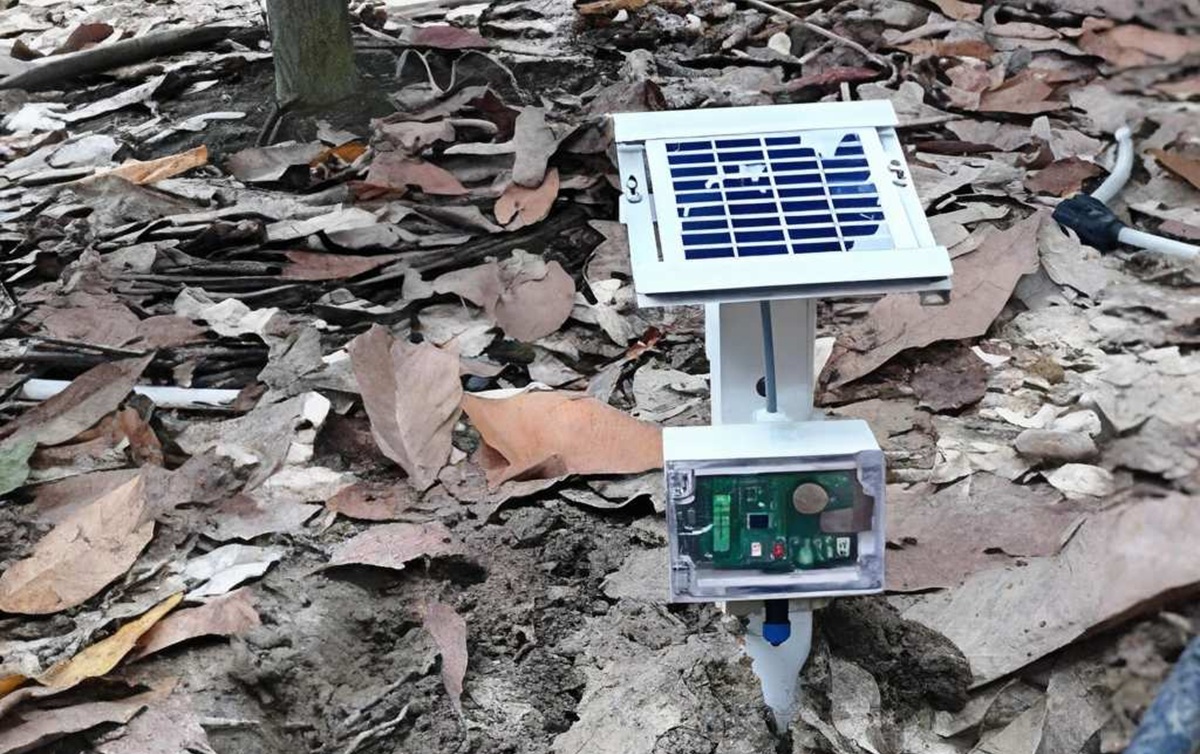
A new AI collar technology for cattle eliminates physical fences, creates virtual barriers, monitors animals 24/7, and detects changes in behavior and health.


In the United States, according to him, this image does not apply. Rural areas present a standard of living practically identical to that of large cities, with spacious homes, wide streets, quiet neighborhoods, and modern infrastructure in all details.
Cris reminds us that it’s common to find two-story houses, four or more bedrooms, fully equipped garages, and central heating andair conditioning systems installed in almost all homes. This combination allows for complete comfort even in rural areas.
Moreover, the distance between houses ensures privacy and direct contact with nature. In many properties, it is not even possible to see neighbors. Lots with dozens or hundreds of acres are part of the local reality, something unimaginable for a large part of Brazilians.
Accessible Comfort and Infrastructure
The creator emphasizes that the quality of homes does not depend on the location. According to him, living in rural areas does not mean giving up comfort. On the contrary, infrastructure is often even better than in the major American capitals.
He explains that the excess of people in metropolitan areas wears down roads and services, forcing governments to carry out constant maintenance. In rural areas, everything lasts longer, creating a more organized and quieter environment.
For Cris, this balance between comfort and tranquility was one of the first factors that positively impacted his family life.
The American Lifestyle and Relationship with Money
When analyzing the behavior of the families he interacts with, Cris states that traditional Americans are less consumerist than the average Brazilian. Even with easy access to consumer goods, many prefer to save money, control expenses, and prioritize long-term investments.
He highlights that the hourly wage culture directly influences how Americans understand value. For every purchase, there is a clear awareness of how much of their own time was necessary to pay for that item.
This relationship creates a more moderate behavior. Restaurants, delivery, and impulse buying are not part of the routine of most traditional families with whom Cris interacts.
The main focus, according to him, is to gather resources to buy their own home as soon as possible. The creator cites the case of young people under 30 who already own properties valued at around $450,000, even driving simple vehicles.
Large Family and Domestic Life as a Priority
Another cultural shock mentioned by Cris is the size of families. Among his friends and neighbors, he says it is common to find couples with three, four, or even five children. Many marry young and start building their families before turning 30.
He also notes that, in traditional communities, mothers usually dedicate their full time to the family. Although some do small jobs on the side, the focus is typically on the home and the education of the children. The man dedicates himself to work and financial provision.
For Cris, this division makes daily life more fluid. With well-defined responsibilities, the family gains stability and organization. He states that this model is possible because wages in rural America allow a single income to support the household, which is rare in Brazil.
The Power of Homeschooling and Home Education
Cris reports that, in his region, homeschooling is very common. He estimates that about 30% to 40% of the families he knows practice homeschooling, even with free public schools of good quality available.
According to the creator, many prefer to teach their children at home due to personal values, lifestyle, and routine autonomy. He highlights that this is more common in rural areas than in large centers like New York or San Francisco.
Simple Diet and Organized Routine
The account also highlights typical eating habits of the region. Contrary to what many Brazilians imagine, Cris states that families in rural areas do not live on fast food. Restaurants and prepared meals appear only occasionally.
The main meal of the day is dinner, usually served early, between late afternoon and early evening. The workday typically ends around 4 PM, allowing everyone to be home while there is still natural light.
Children snack on fruits and vegetables, and many residents grow gardens, raise animals, and produce part of their own food. Neighbors often share excess produce with other residents.
Nature, Outdoor Play, and Independence
Contact with nature is one of Cris’s favorite aspects. According to him, children play freely in backyards, explore trails, climb trees, and interact with animals present in the area. Snakes, spiders, and deer are part of the environment and are treated naturally.
Many families raise goats, chickens, or rabbits and use this production for their own consumption. There is also a strong culture of sustainable hunting. During allowed periods, residents hunt deer, process the meat, and keep the food in the freezer.
Additionally, handiness stands out. Americans enjoy building, repairing, and making their own things. Tools occupy entire garages, and furniture, clothing, and household structures are often made by the residents themselves.
Birthdays with Rules and Simplicity
Cris describes how surprising the first children’s birthdays he attended were. He explains that all celebrations follow the same pattern: two hours long, set start and end times, and total simplicity.
Unlike Brazil, there are no big decorations, buffets, or high expenses. The party usually consists of cake, games, and socializing.
Respect, Welcoming, and Community Life
The experience with the local population was one of the most emphasized points. Cris claims that he has never witnessed instances of prejudice and that Americans, in general, are extremely welcoming to foreigners.
They take care to respect personal space, avoid excessive physical contact, and value discreet greetings, which the creator considers an elegant gesture. He also emphasizes the intense religiosity of the community, with active churches and constant support among families.
A New Way of Living
At the end of his account, Cris states that his family is experiencing the best phase of their lives. The lifestyle, safety, sense of community, and calmer pace of rural America have been decisive for this feeling.
He reinforces that knowing the United States beyond tourist centers can transform perspectives and that there are accessible paths to study, live, or spend time in the country.








-

Uma pessoa reagiu a isso.