





 Portuguese
  English
  Spanish
  5 min of reading
  0 comments


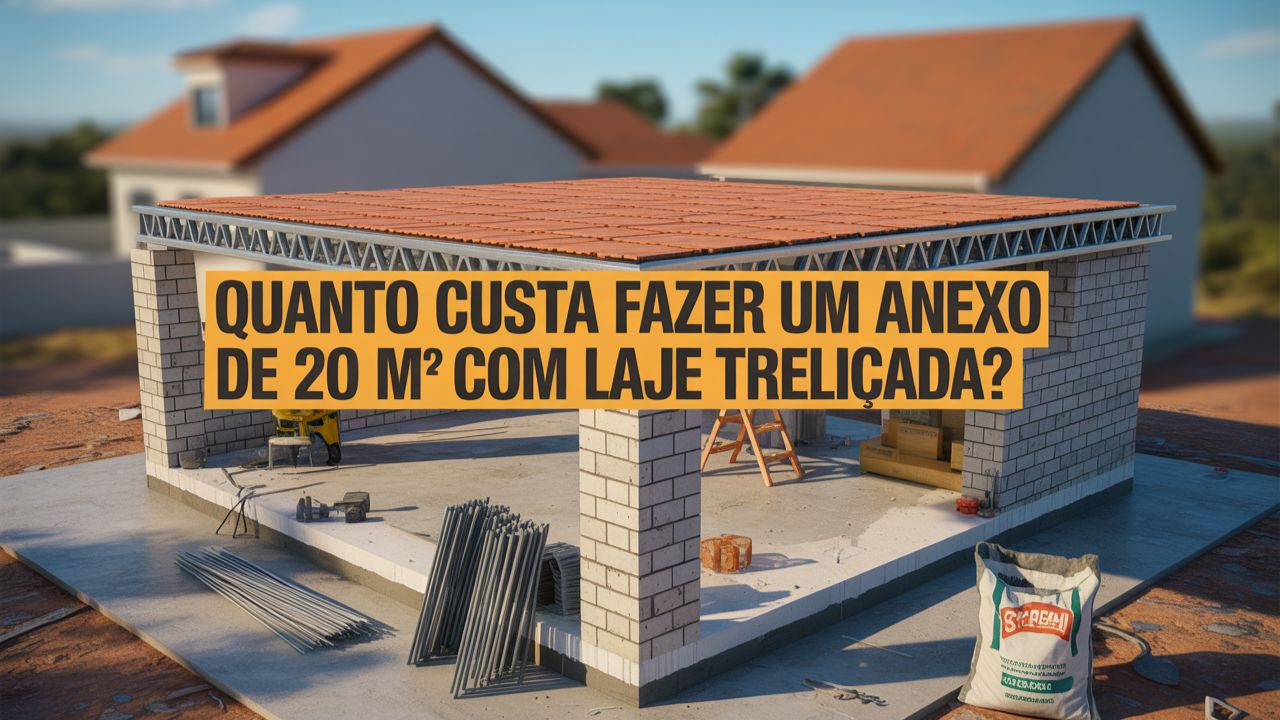
How Much Does It Cost to Build a 20 m² Truss Slab? See Real Values, Advantages of the System, Durability, and Why It Is Replacing the Solid Slab in Small Constructions.
The truss slab has ceased to be merely a technical alternative and has become the preferred system for engineers and builders for small expansions, outbuildings, attachments, and single-story houses across Brazil. The reason is simple: it is lighter, cheaper, faster to assemble, and requires less labor than the traditional solid slab.
For those considering building a 20 m² annex, an ideal space for an extra bedroom, office, expanded laundry room, or home studio, the main question is straightforward: how much does it cost to use a truss slab and why is it gaining ground in the country? The answer involves real savings, applied technology, and profound changes in how small constructions have been executed.
What Makes the Truss Slab Dominate Small Constructions in Brazil
Unlike the solid slab – which requires large volumes of concrete, a lot of wood, heavy beams, and formwork for days – the truss slab uses a set of metal trusses, filling blocks (EPS or ceramic), and a thinner concrete layer.
-
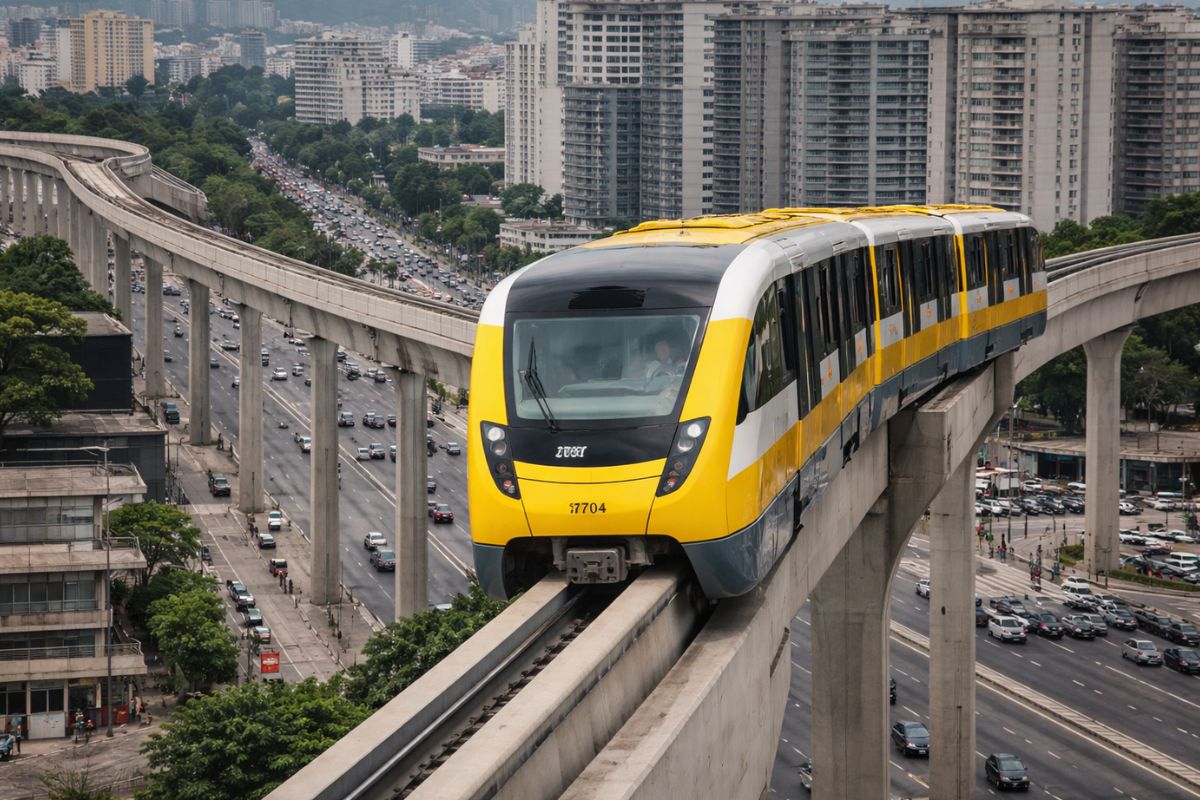
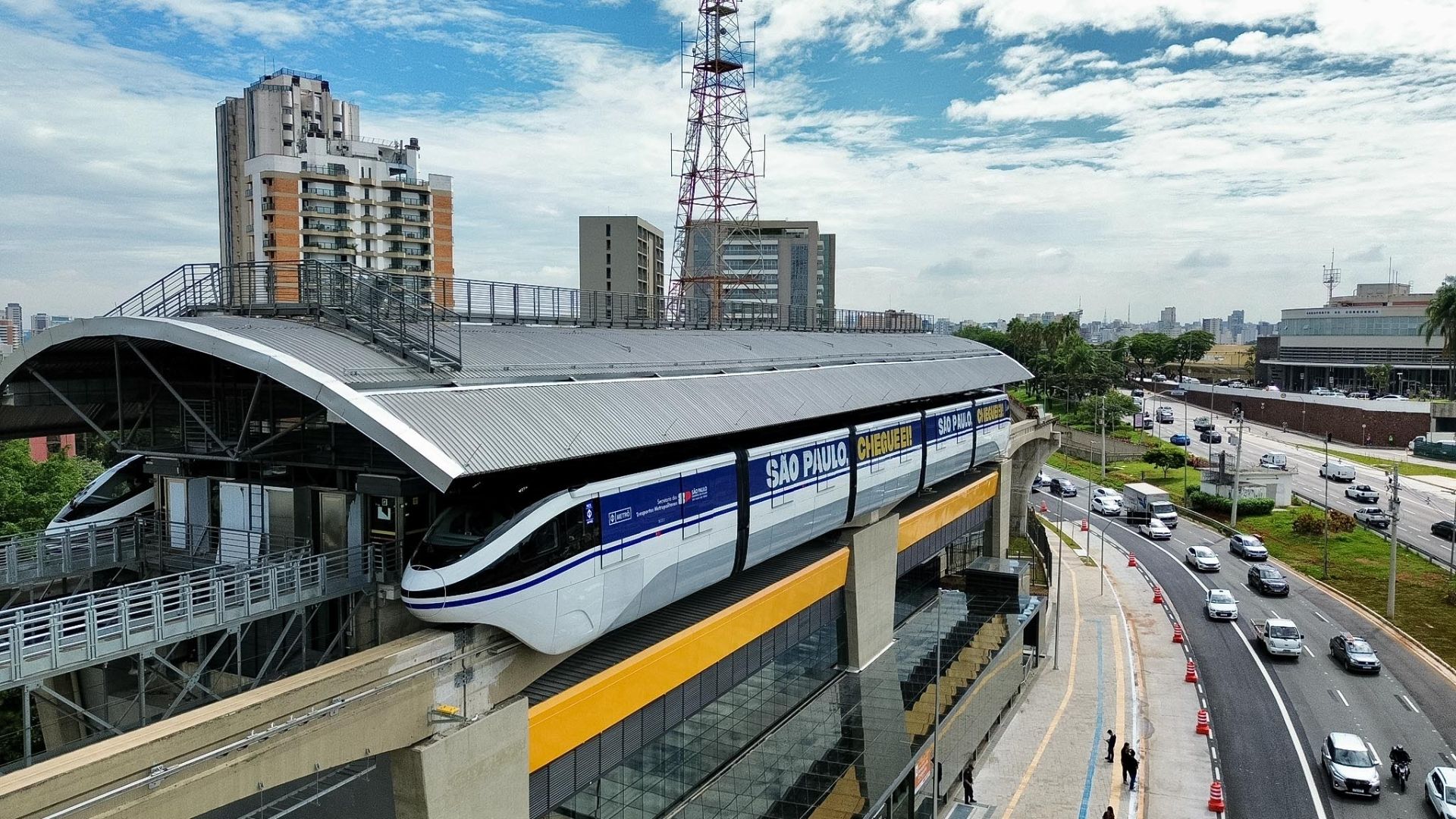
The project that was supposed to be ready for the 2014 World Cup in Brazil debuted with a 12-year delay and nearly R$ 6 billion invested: the Line 17-Gold of the São Paulo monorail opened with reduced hours and is only expected to operate fully in October.
-
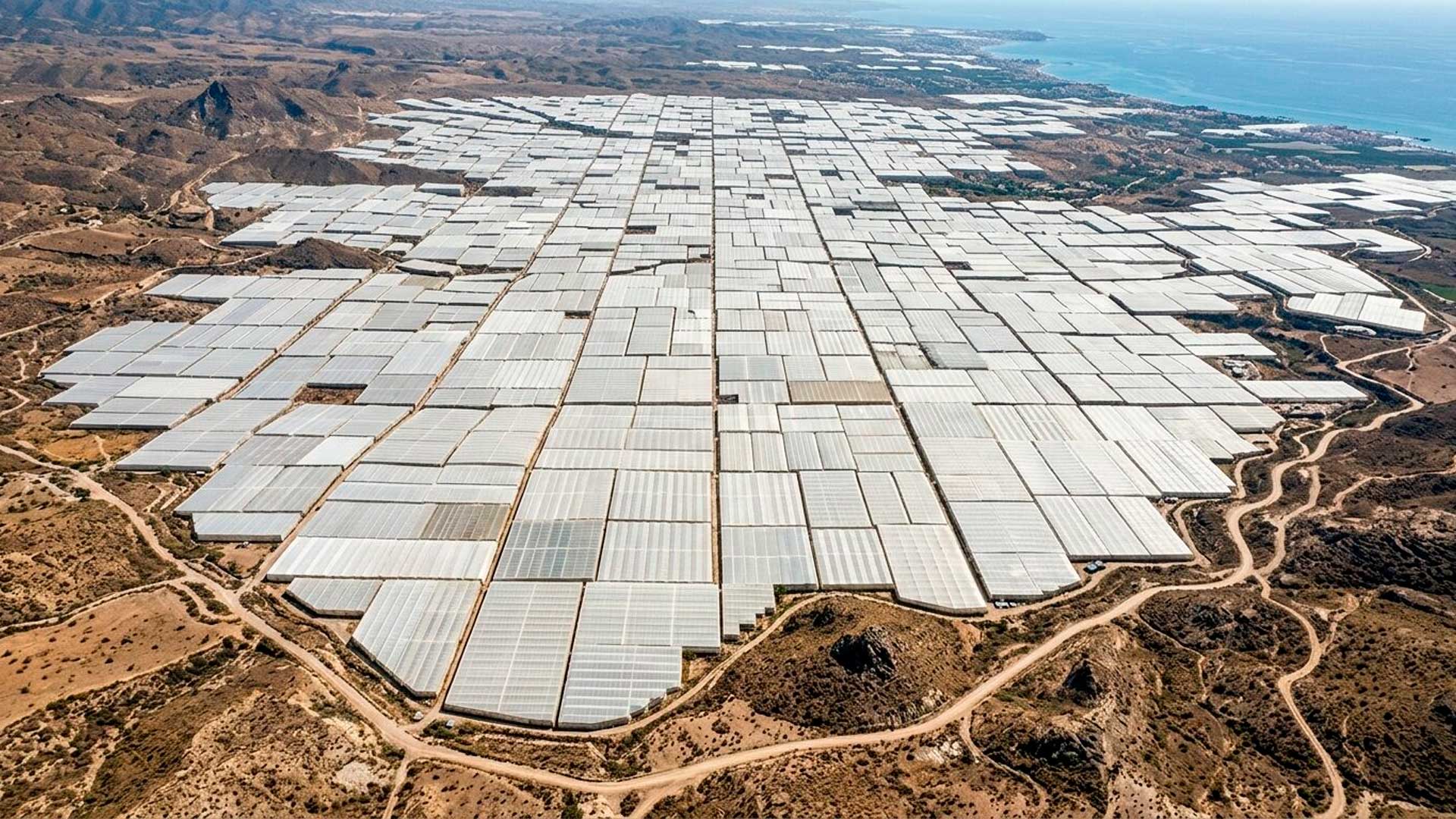
Neither the Pyramids nor the Great Wall of China, this gigantic construction in Spain is the human mark on planet Earth that intrigues the most when seen in images from space.
-
Surrounded by cliffs, mist, and chilling stories, the ancient Hotel del Salto has been reborn as a museum while still unable to shake off its reputation as a haunted place.

-
This star-shaped fortified construction, hidden near the border of Spain, may be the largest fortress on the planet.


The result is a lightweight, precise, and quick-execution structural system. It eliminates much of the formwork wood, reduces construction time, and simplifies life for small teams, which explains its popularity in residential projects.
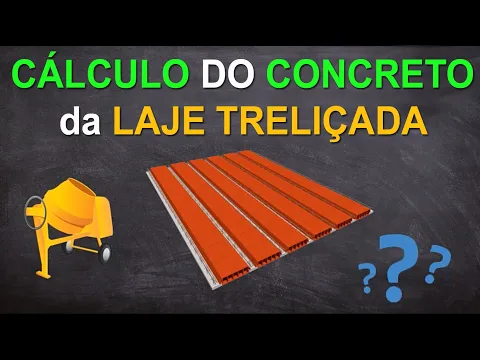

The trusses arrive ready from the factory, sized for the exact span of the annex. This industrial standard reduces errors and speeds up assembly. This is why, in many cases, a slab that would take three days to prepare using the traditional method can be installed in one morning.
How Much Does It Really Cost to Build a 20 m² Truss Slab
Prices vary by region, type of filling, and supplier, but the prices practiced in Brazil follow a pattern observed by construction companies and specialized suppliers. On average, the truss slab costs:
- R$ 140 to R$ 220 per m² (material + assembly labor)
For a 20 m² annex, this means:
- R$ 2,800 to R$ 4,400 for the complete slab.
This amount includes trusses, blocks, additional reinforcements, steel mesh, spacers, and the concrete layer. The concrete typically costs an additional R$ 400 to R$ 800, depending on whether it is pumped or cast manually.
When compared to the solid slab, which can cost R$ 300 to R$ 450 per m², the savings become clear. Additionally, the reduced time generates indirect savings on labor and rental periods for forms and equipment.
Why the Truss Slab Is Cheaper
The cost reduction can be explained by four main factors:
- Less volume of concrete, since the layer is thin and part of the space is filled by the blocks;
- Less wood, as the formwork is minimal;
- Fast installation, reducing workdays;
- Industrialization, which eliminates improvisation and rework.
In practice, the system is only more expensive in two situations: very large spans or projects that require extremely high loads. Otherwise, it dominates the residential market.
EPS or Ceramic: Which Filling to Choose?
For 20 m² annexes, both work well, but each has its own characteristics. EPS provides a lighter slab, reducing loads on the structure and foundation. It is easier to cut and handle and offers better thermal insulation. On the other hand, ceramic blocks can withstand higher temperatures, have better acoustic insulation, and are preferred in hot regions or areas with high noise levels. In terms of cost, the difference is small, and the choice usually depends on the project and local conditions.

What Is the Assembly Process for the Truss Slab
The installation of a truss slab for a 20 m² annex usually follows three stages: First, the metal trusses are positioned over the walls or support beams, respecting the spacing recommended by the manufacturer. Then, the filling blocks are fitted between the trusses, forming a continuous surface that serves as a base for concreting.
After this preparation, the professionals install the steel mesh and small structural reinforcements at critical points.
The final stage is the concreting of the layer, which typically varies between 3 and 5 centimeters. After that, the slab requires only a few days of curing to achieve sufficient strength, without requiring long periods like the solid slab.
This sequence explains why the system has become so widespread: it is fast, practical, and can be executed even by small and well-trained teams.
Resistance, Durability, and Technical Standards
The truss slab follows ABNT standards, such as NBR 14859, which defines manufacturing, assembly, and performance parameters. When well executed, its durability is equivalent to that of any traditional slab. In Brazil, millions of square meters of this type of slab are used annually in residences, small buildings, warehouses, and businesses.
One of the most praised points by engineers is the uniform load distribution, resulting from the combination of trusses and the concrete layer. This structural balance reduces cracks and improves the load-bearing capacity.
Why the Truss Slab Is Replacing the Solid Slab
The trend is clear in the Brazilian construction industry. For small areas, such as annexes, external suites, expanded kitchens, and small backyard buildings, the solid slab is often excessive.
It requires:
- Large volumes of concrete;
- More construction time;
- Greater formwork;
- More labor;
- Higher total cost.
The truss slab, in comparison, delivers:
- Fast construction;
- Less waste;
- Significant savings;
- Simplicity in the process;
- Excellent structural performance.
Therefore, large projects still use solid slabs when necessary, but small constructions have almost entirely migrated to the truss slab, as it is more rational and economical.
The Decision That Is Transforming Small Projects into Professional Constructions
Building a 20 m² annex with a truss slab is a logical path for those seeking speed, safety, lower costs, and flexibility. The industrialized system improves the quality of the work, reduces risks, and delivers a cleaner, more durable finish.
In a scenario where material costs are rising and labor is becoming increasingly specialized, the truss slab emerges as a solution that combines economy and efficiency — and is expected to continue expanding in Brazil in the coming years.








-

-

-

-

-

9 pessoas reagiram a isso.