





 Portuguese
  English
  Spanish
  6 min of reading
  0 comments


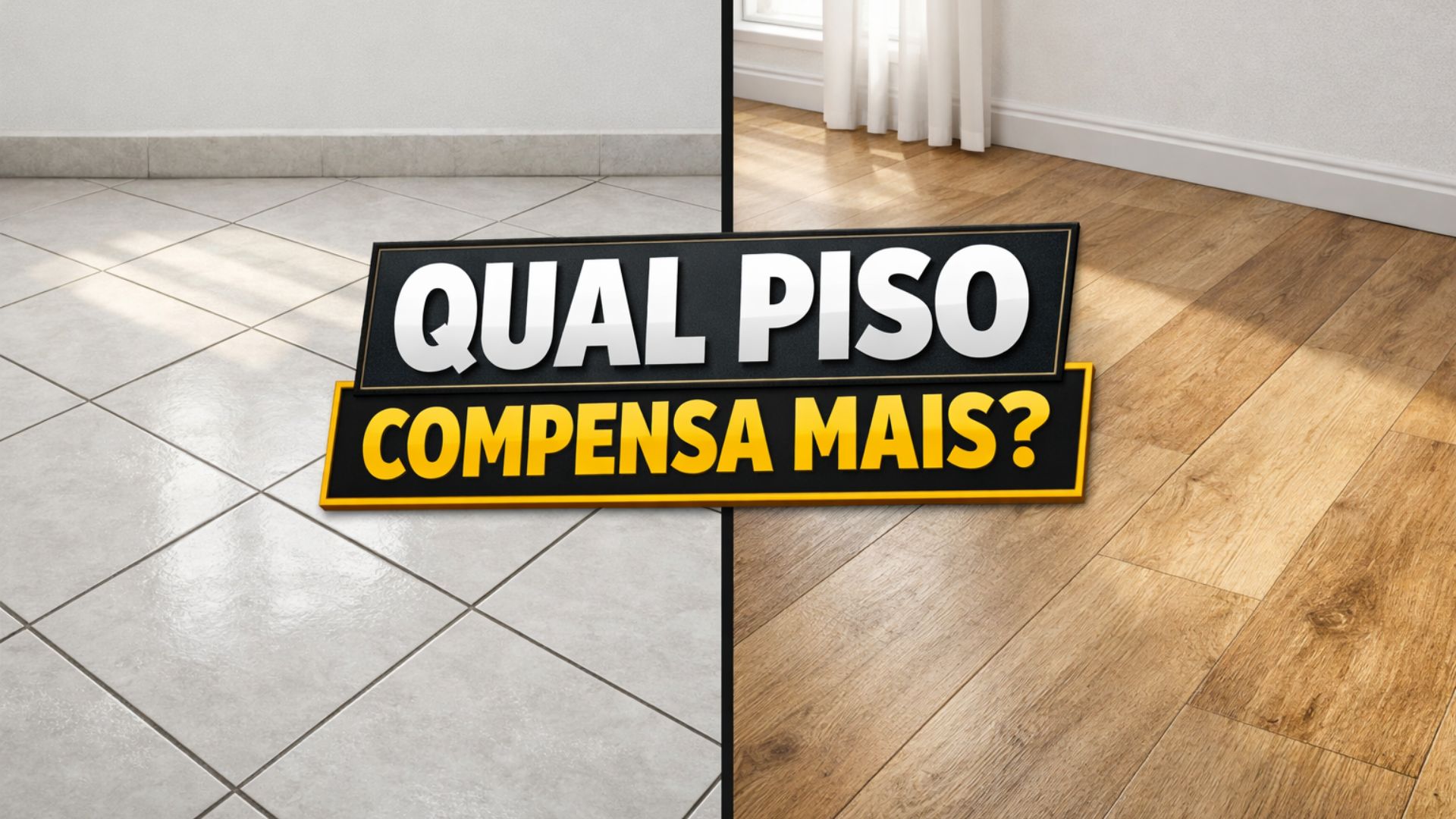
Comparison Between Simple Ceramic and Vinyl Flooring Reveals Price Differences per m², Labor Costs, Installation Time, and Acoustic Comfort in Renovations of Affordable Housing Based on Public Data and Market References.
Floor Replacement in Affordable Housing: Simple Ceramic vs Vinyl Flooring
Replacing the flooring in an affordable home in Brazil with simple ceramic or vinyl flooring in planks involves clear differences in price per square meter, labor costs, execution time, and acoustic comfort.
Budget guides and official social housing spreadsheets show that glazed ceramic tile in the popular line remains the standard in many public projects, while vinyl flooring appears increasingly in renovations and private works, with prices ranging from just over 30 reais to about 80 or 90 reais per square meter just for the material, depending on the type and brand.
Price of Simple Ceramic Flooring in Affordable Housing
In standard type projects for social interest housing, simple ceramic is still a reference.
-
The section of Serra da Rocinha on BR-285 is now open in Timbé do Sul: 50 m tensioned curtains and top-down technique stabilize the slope, with a stairway duct controlling the water.

-
Scientists use sawdust mixed with clay to create a lighter brick, promising efficient thermal insulation and impressing by transforming waste into a solution for construction.

-
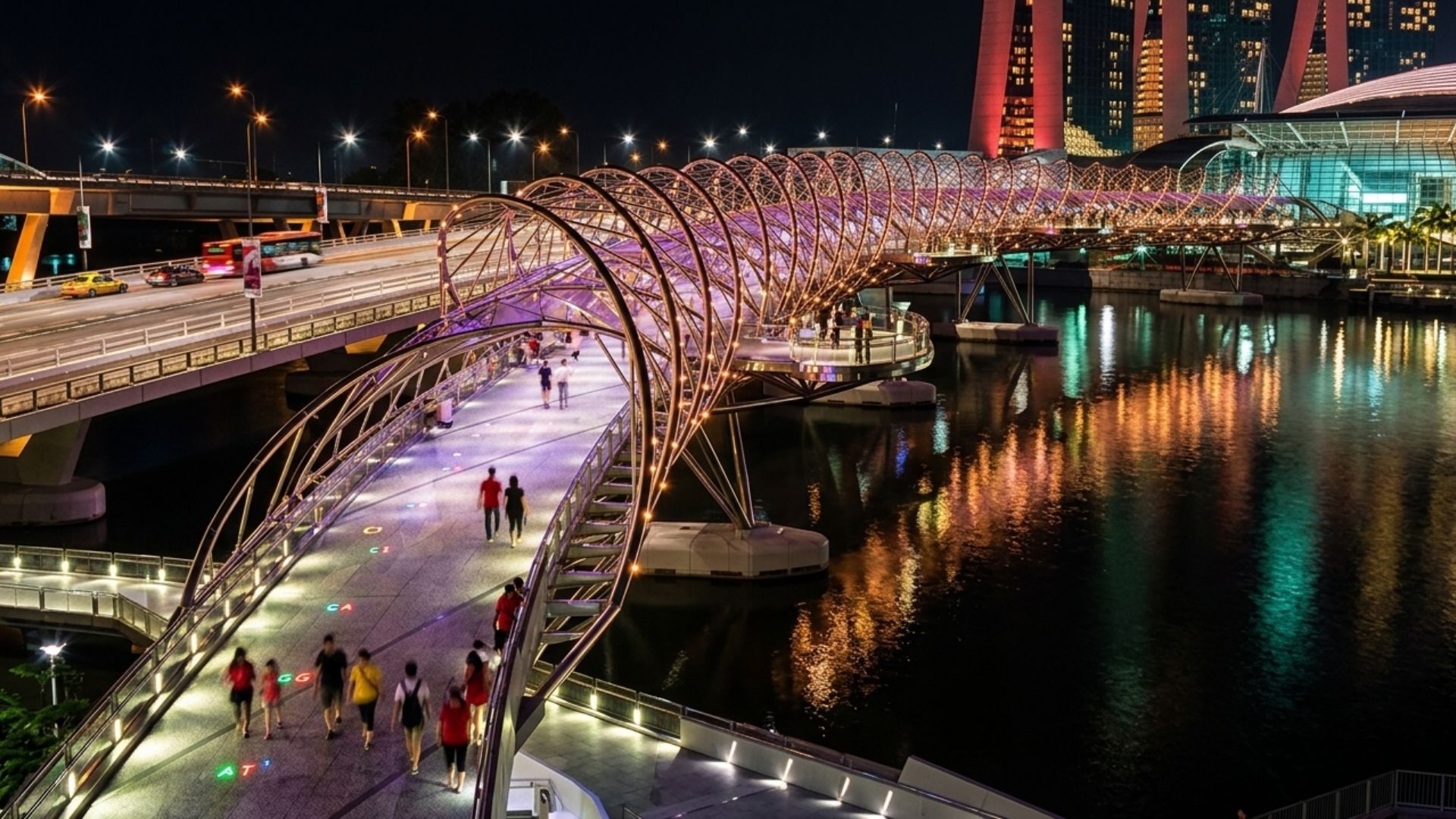
With a DNA shape, this bridge in Singapore draws attention in modern architecture and surprises tourists by transforming a simple crossing into an unforgettable visual experience in the urban heart.
-
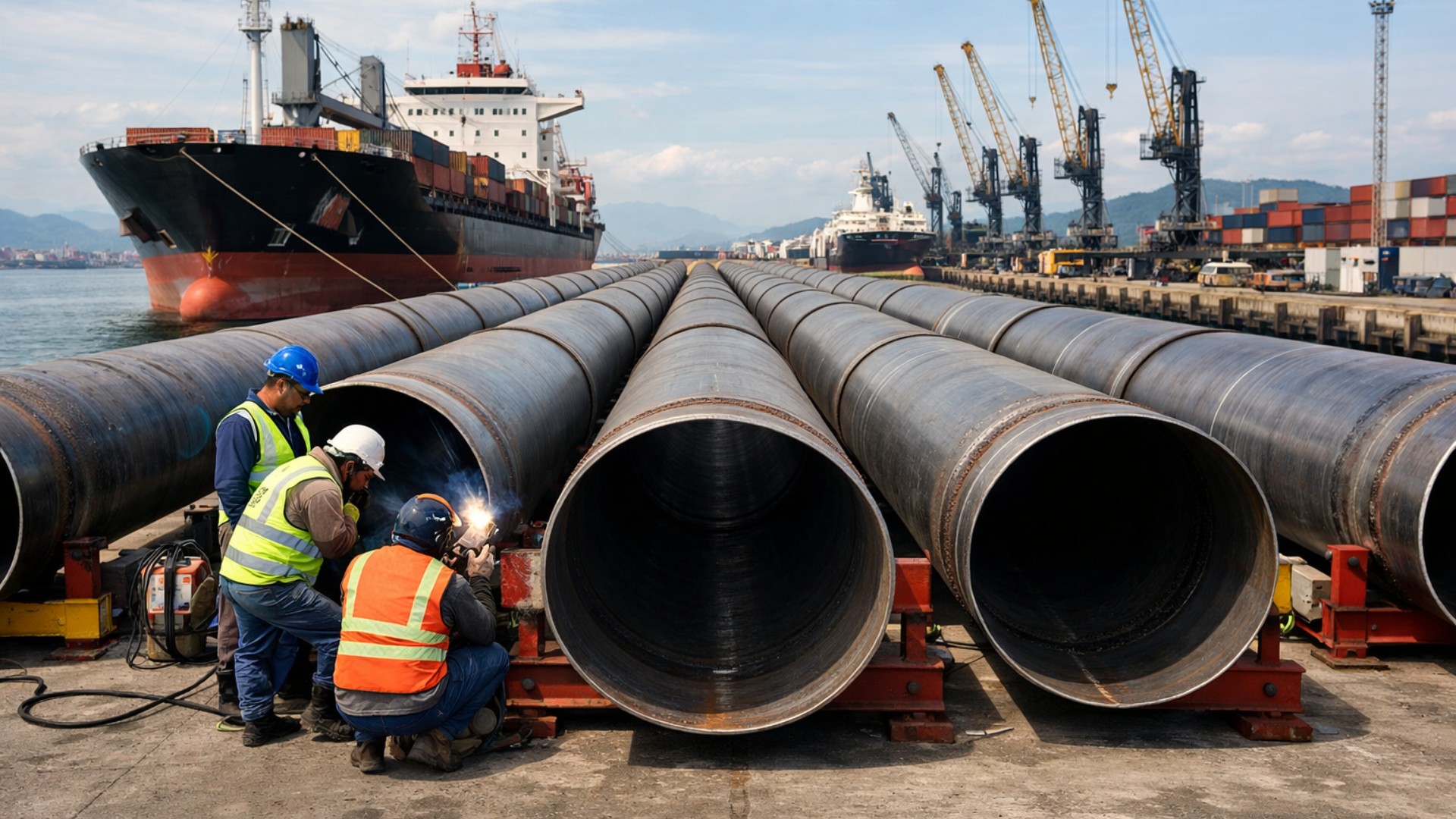
Giant underwater pipeline begins to take shape with a R$ 134.7 million project at the Port of Santos: the 1.7 km structure uses 12-meter and 700 mm pipes to supply water to 450,000 people in Guarujá.

In a standard project notebook for a 42 square meter house, Caixa Econômica Federal specifies glazed ceramic tile in the popular line, 33 x 33 centimeters, with PEI 3 resistance, laid with adhesive mortar and industrialized grouting in all internal environments.
In a budget spreadsheet for affordable housing published in 2024 by the government of Espírito Santo, based on SINAPI compositions, extra 45 x 45 centimeters glazed ceramic tile for internal flooring appears detailed with a unit cost per square meter, including materials, labor, and BDI, in a range close to 80 reais, providing a concrete cost reference for housing programs.

When only the installation service price is considered, excluding the material, labor tables published by construction companies and professional associations indicate that the installation of ceramic flooring is often budgeted at around 60 reais per square meter, with variations depending on the city, complexity, and cuts.
In parallel, large retail chains for construction materials present various models of basic ceramic flooring for internal areas, with unit prices that, converted to square meters, keep ceramic flooring among the most affordable options compared to other types of rigid flooring.
Vinyl Flooring in Planks: Material and Labor
In the case of vinyl flooring in planks or sheets, recent price ranges show greater value dispersion due to thickness, type of installation, and brand.
A budget guide from JC Decor, a store specialized in the segment, states that vinyl sheet flooring is sold, on average, for 33 reais per square meter, with labor costs estimated at 35 reais per square meter in installations with adhesive, plus supplies such as contact glue and tools.

For self-adhesive vinyl flooring, the same source indicates an average price of around 70 reais per square meter of material, accompanied by labor costs around 30 reais per square meter, with the possibility of the customer performing the service in some cases.
Another survey, published by a service platform in December 2025, presents a summary of the installation costs for vinyl flooring per square meter: labor is estimated between 30 and 40 reais, the vinyl flooring between 35 and 85 reais, and the total cost, summing material and labor, reaches 120 to 140 reais per square meter in common scenarios, with corrections for leveling the subfloor via leveling compound in an additional range of 25 to 50 reais per square meter when necessary.
In a technical article from MadeiraMadeira, which also compiles installation prices, ranges of 20 to 35 reais per square meter for self-adhesive vinyl flooring, 25 to 40 reais for click vinyl flooring, and 30 to 50 reais for glued vinyl flooring are indicated, emphasizing that labor costs vary according to the joining system.
Large national retailers, such as online sales platforms for vinyl flooring in planks and sheets, display basic products with prices around 20 to 30 reais per square meter in promotions for thinner lines, and models from traditional brands with prices exceeding 70 reais per square meter, especially in products of greater thickness or with locking systems.
Combining this information, it is observed that, in practice, the cost of installed vinyl flooring per square meter tends to be, in most consulted references, higher than the compositions of simple ceramic flooring used in social housing programs, although with some overlapping in ranges for cheaper vinyl and more expensive line ceramics.
Work Time and Impact on Home Routine

In terms of work time, both installation companies and specialized stores describe vinyl flooring as a quicker solution for renovations compared to ceramic.
Vinyl flooring installation guides emphasize that the covering can be applied over an existing subfloor, provided it is clean, dry, and leveled, eliminating demolition and debris removal steps.
The same material highlights that, after leveling the base with leveling compound, the application of the planks or sheet is done with glue or self-adhesive system, which reduces the interference in the home’s routine compared to the process of laying ceramic, grouting, and waiting for curing.
On the other hand, simple ceramic flooring, although widely dominated by traditional labor, requires longer steps: subfloor preparation or leveling, application of adhesive mortar, leveling of each piece, and subsequent grouting.
The service tables that present prices for ceramic installation also indicate that the productivity of the tiler and the need for cuts influence the final value, which shows a direct relationship between work time and labor cost per square meter, even if these sources do not detail quantitative comparisons with vinyl flooring in affordable housing.
Acoustic and Thermal Comfort of the Coverings
In terms of acoustic and thermal comfort, manufacturers and large retailers highlight important differences.
In product pages and buying guides, vinyl flooring is presented as a covering that offers thermal comfort and acoustic insulation, in addition to being resistant to moisture and recommended for those seeking quick renovation with less noise.
The PVC material, when installed over a leveled base, tends to absorb some of the impact noise and reduce the sensation of cold flooring compared to ceramic.

These benefits appear frequently in commercial descriptions and informative texts, although they are not accompanied, in the consulted references, by specific standardized measurements for environments in Brazilian affordable housing.
Simple ceramic, in turn, is described by retailers as a durable, easy-to-clean, and resilient covering, with a wide variety of patterns that allow for some aesthetic customization even in low-cost projects.
These same sources emphasize that popular line ceramic tiles can increase property value when well specified and laid, which helps explain the presence of this material in standard economic housing projects and in municipal bidding for affordable homes.
Base, Leveling, and Limitations of Available Data
In terms of base preparation, guides on vinyl flooring emphasize the need for careful leveling of the subfloor, as any unevenness or defect tends to become evident under the flexible covering.
This step is often associated with the use of leveling compound, with costs cited around 25 to 50 reais per square meter in estimates from budget companies, which can add a significant portion to costs in environments with very uneven flooring.
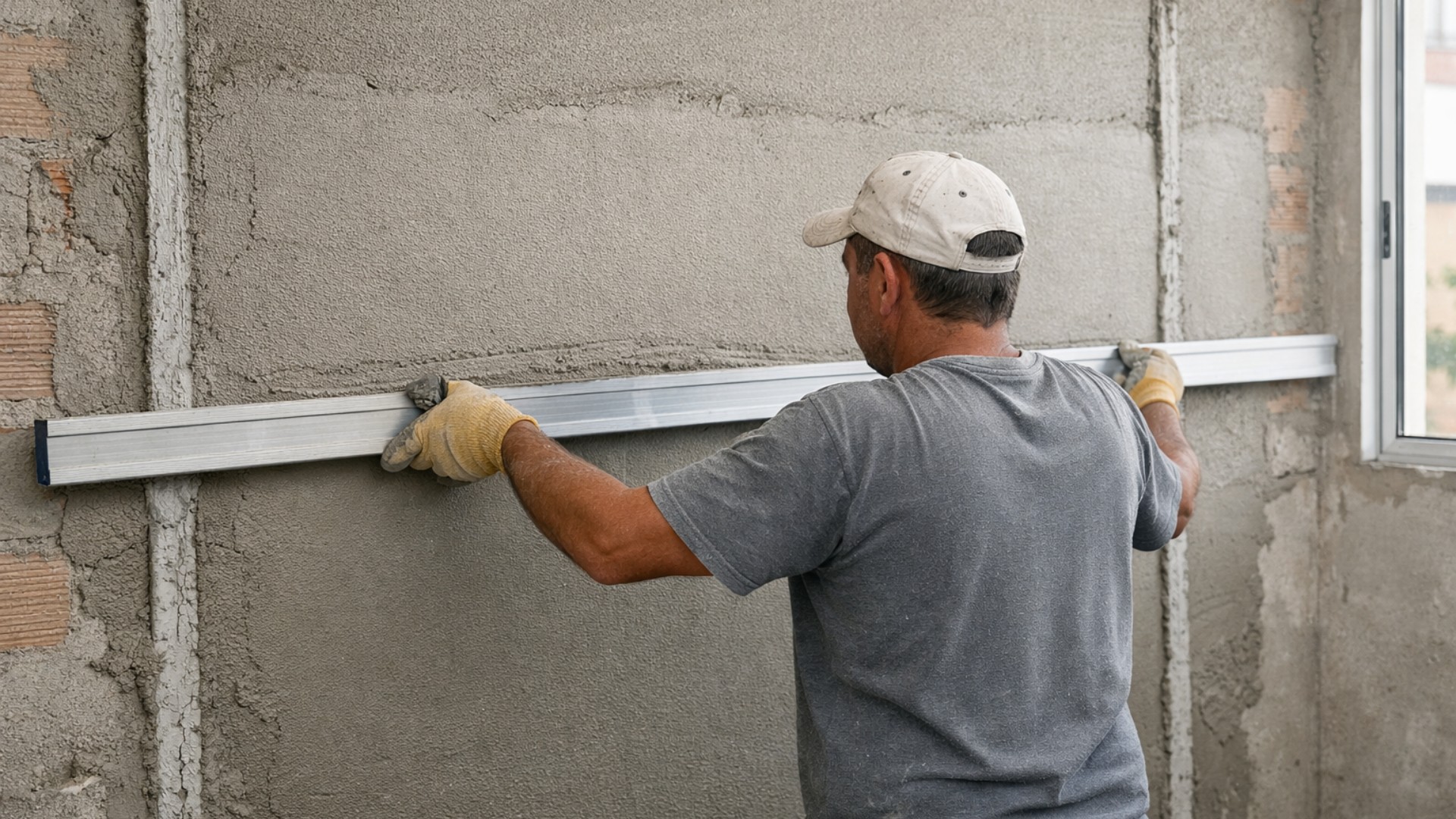
In the case of ceramics, leveling usually occurs during the subfloor phase and in the adhesive mortar itself, already incorporated into many official cost compositions, making it difficult to separate in spreadsheets how much is spent exclusively to correct base imperfections before replacing an existing floor.






-

-

-

-

10 pessoas reagiram a isso.