





 Portuguese
  English
  Spanish
  6 min of reading
  0 comments


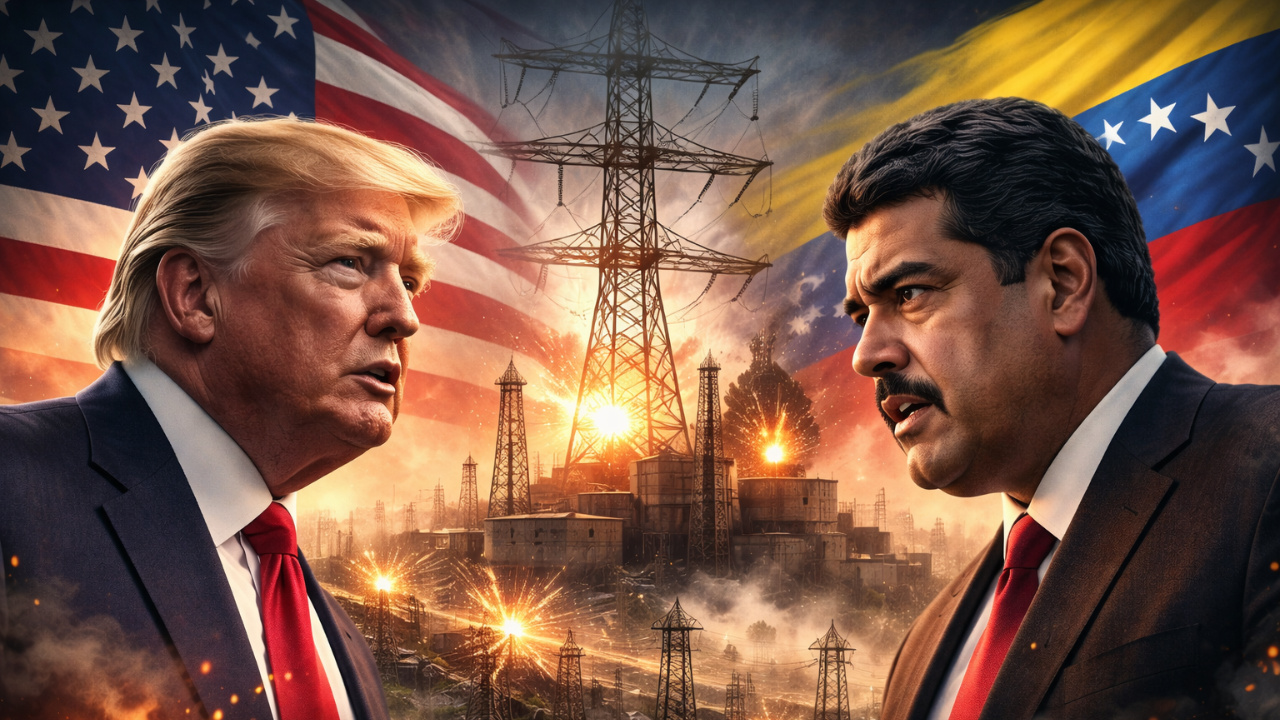
Understand How The Electricity Sector Of Venezuela Works, Its Structural Weaknesses, Hydroelectric Dependence, Recurrent Blackouts And The Possible Paths After The Political Crisis And The Capture Of Nicolás Maduro.
The electricity sector of Venezuela has returned to the center of international attention after the political developments that culminated in the capture of President Nicolás Maduro. The institutional crisis has rekindled discussions about economic reconstruction, the resumption of investment, and the reorganization of the state. In this context, electrical energy emerges as one of the main bottlenecks for any recovery strategy for the country.
Over more than a decade, the Venezuelan electricity system has been marked by political isolation, economic sanctions, and infrastructure deterioration. As a result, prolonged blackouts and rationing have become part of the population’s routine. Now, in light of a new geopolitical scenario, the functioning of the electricity sector in Venezuela is being analyzed with more attention by experts, investors, and foreign governments.
An Electricity Matrix Concentrated And Highly Dependent On Hydropower
Despite having one of the largest oil reserves in the world, Venezuela operates a heavily centralized electricity sector and is dependent on hydropower generation. International data indicates that about 77% of the electricity generated in the country comes from hydroelectric plants, while just over 20% comes from fossil sources, such as oil and natural gas.
-
Brazilians paid R$ 18 billion more for energy from the Itaipu plant, reflecting a direct impact on tariffs and generating discussions about costs, transparency, and balance in the national electricity sector.

-
Equatorial adopts new national number for consumer units on electricity bills starting in April, following ANEEL standards and modernizing energy bills in several states.
-
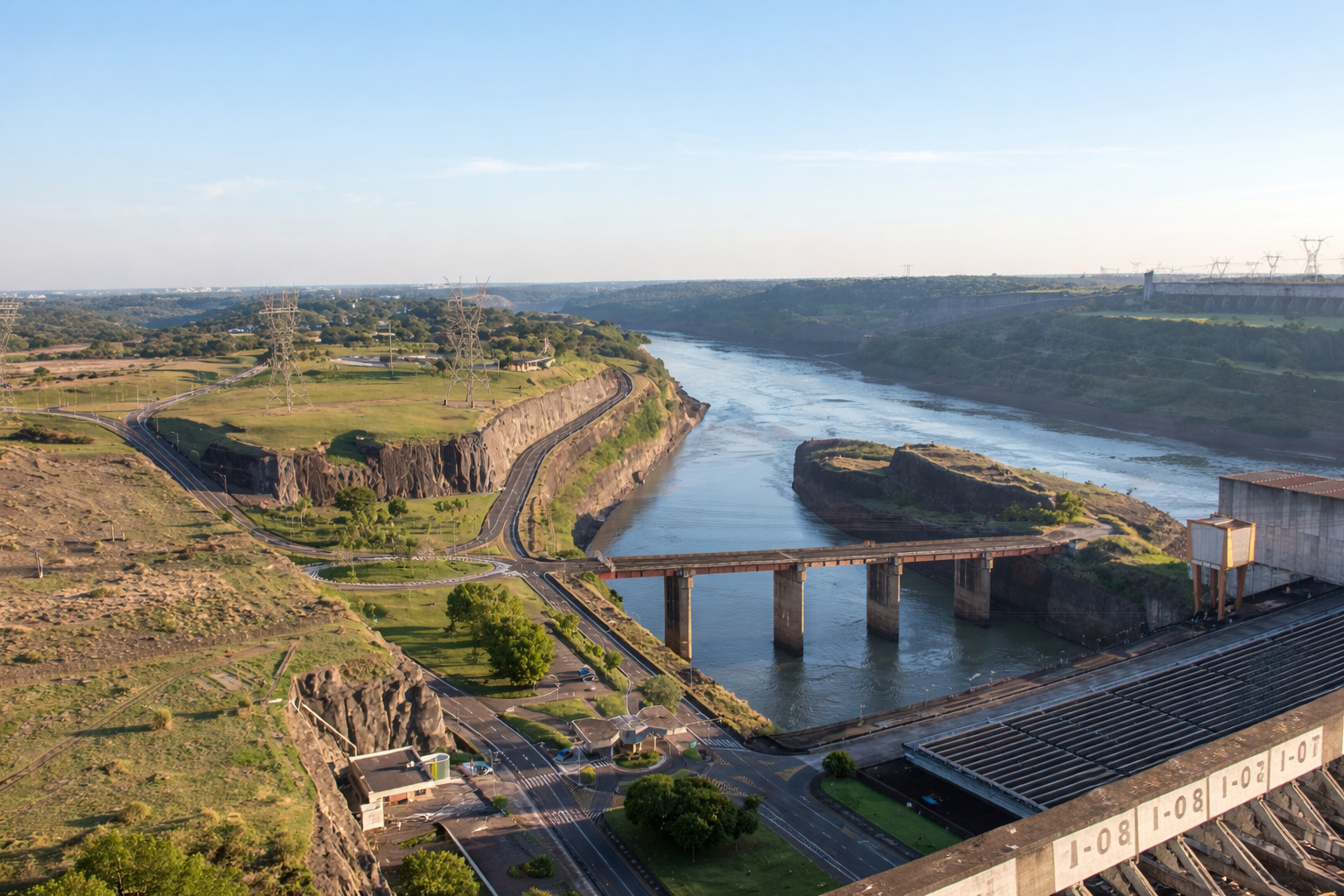
Itaipu Impresses the World: Hydroelectric Plant with 20 Turbines and 14,000 MW Generates Over 2.9 Billion MWh and Leads Global Clean Energy Production
-
Aneel Revokes CMAA Thermal Power Plants After Network Restrictions and Excess Energy in the System
This concentration creates significant vulnerabilities. Excessive dependence on a single type of source makes the system sensitive to climatic factors, operational failures, and maintenance problems. Furthermore, the lack of diversification limits the capacity to respond in times of crisis.
Guri Hydroelectric Plant Sustains The System And Increases Operational Risks
The main pillar of the electricity sector in Venezuela is the Simón Bolívar Hydroelectric Plant, known as Guri. Located on the Caroní River in Bolivar State, the plant accounts for more than 70% of all the electricity consumed in the country. With an installed capacity of 10,200 MW, Guri ranks among the largest hydroelectric plants in the world.
However, this strategic relevance also represents a critical point. Any operational failure at the plant directly impacts national supply. In recent years, maintenance issues, obsolete equipment, and lack of investment have compromised the reliability of the hydroelectric plant. Technical analyses indicate that the problems do not stem from external sabotage but rather from neglect of infrastructure and loss of operational capacity.
Thermal Power Plant Exists, But Operates Below Potential
In addition to hydropower generation, Venezuela has a significant thermal power capacity. Nonetheless, these plants operate with low availability. The scarcity of investment, difficulty in maintenance, and limited fuel supply drastically reduce the thermal generation capacity.
This scenario directly affects the electricity system. When hydropower production suffers a reduction, there are not enough alternative sources to compensate for the decline. Thus, the Venezuelan electricity sector has low redundancy, which explains the frequency and extent of the blackouts recorded in recent years.
Highly Centralized Governance Structure In The State
Unlike models adopted in other countries in Latin America, the electricity sector in Venezuela is entirely centralized and state-run. Planning and public policy formulation are under the responsibility of the Ministry of Popular Power for Electric Energy (MPPEE), created in 2009.
The operation of the system is conducted almost entirely by the state-owned Corpoelec (National Electric Corporation). The company controls generation, transmission, distribution, billing, and customer service. This concentration eliminates competition mechanisms and reduces incentives for operational efficiency.
Long And Vulnerable Transmission Lines Increase Instability
Another critical factor in the electricity sector of Venezuela is the geography of generation. Most electricity is produced in the south of the country, especially in Bolivar State, while the main consumption centers are in the north and west, such as Caracas and Maracaibo.
As a result, electricity travels long distances over high-voltage transmission lines. The lack of proper maintenance of these structures contributes to frequent failures, high technical losses, and interruptions in supply. Despite official announcements regarding maintenance plans, practical results remain limited.
Recurrent Blackouts And Rationing Become Routine
The sum of hydropower dependence, inefficient thermal capacity, and fragile transmission has resulted in a profound structural crisis. In various regions of the country, interruptions in electricity supply are daily occurrences.
To mitigate more severe collapses, the government has adopted load management plans, with scheduled rationing for several hours a day. Nevertheless, unscheduled blackouts continue to occur. Unofficial estimates have indicated hundreds of daily interruptions during recent critical periods.
At certain moments, emergency measures have been adopted, such as reducing the operating hours of public agencies, under the justification of climate emergency and low reservoir levels.
Nationalization And Loss Of Technical Capacity Explain Collapse
The collapse of the electricity sector in Venezuela did not occur suddenly. It is the result of decisions accumulated over decades, intensified after the nationalization of the sector in 2007. The creation of Corpoelec concentrated generation, transmission, and distribution under state control, pushing out private companies and reducing the influx of investment.
After this process, there was a significant drop in resources allocated to maintenance and modernization. Equipment aged, projects were abandoned, and sector governance deteriorated. At the same time, tariff policies froze prices for long periods, preventing the generation of sufficient revenue to sustain the system.
Another decisive factor was the loss of human capital. Low salaries, institutional instability, and poor conditions led to the exodus of engineers and specialized technicians, compromising operations and the capacity to respond to failures.
International Sanctions Amplified Operational Difficulties
The sanctions imposed on Venezuela also aggravated the situation of the electricity sector. Access to external financing, technology, replacement parts, and equipment became restricted. This context further complicated the recovery of infrastructure and deepened the underfunding cycle of the state-owned entity responsible for the system.
With fewer resources and reduced technical capacity, the electricity sector entered a continuous deterioration process, directly affecting the economy and quality of life of the population.
Possible Paths For The Electricity Sector After The Political Crisis
With the capture of Nicolás Maduro and the reconfiguration of the political landscape, expectations arise for changes in the electricity sector of Venezuela. Experts evaluate that it is still early for definitive conclusions, but some signs allow for hypothesizing.
According to Nivalde Castro, a professor at the Institute of Economics of UFRJ and coordinator of GESEL, the moment demands analytical caution. “It is very difficult to analyze such a significant topic in such a short period. What we do here is almost an exercise in predictability, working with hypotheses that may or may not materialize,” he stated.
In the specialist’s assessment, the international strategy adopted indicates the preservation of part of the Venezuelan institutional structure, avoiding a prolonged political vacuum. “The United States has demonstrated unmatched military and planning capability, but at the same time, signaled that they do not intend to repeat the mistake of destroying the existing structure and trying to create a new government from scratch,” he assessed.
Electricity May Gain Priority On The Investment Agenda
From an energy perspective, the expectation is that the electricity sector will occupy a relevant position on the reconstruction agenda. Although oil is expected to lead investments, electricity is likely to receive strategic attention, especially to reduce blackouts and restore the system’s reliability.
“The electricity sector should receive relevant attention, although not at the same level as oil. The trend is for gradual improvement in system reliability,” said Castro.
Still, the specialist notes that this is a preliminary assessment, subject to changes as the political and economic landscape evolves. The future of the electricity sector in Venezuela will depend on the capacity to attract investments, recover governance, and rebuild essential infrastructure for the country’s development.








Seja o primeiro a reagir!