





 Portuguese
  English
  Spanish
 5 min of reading
  0 comments


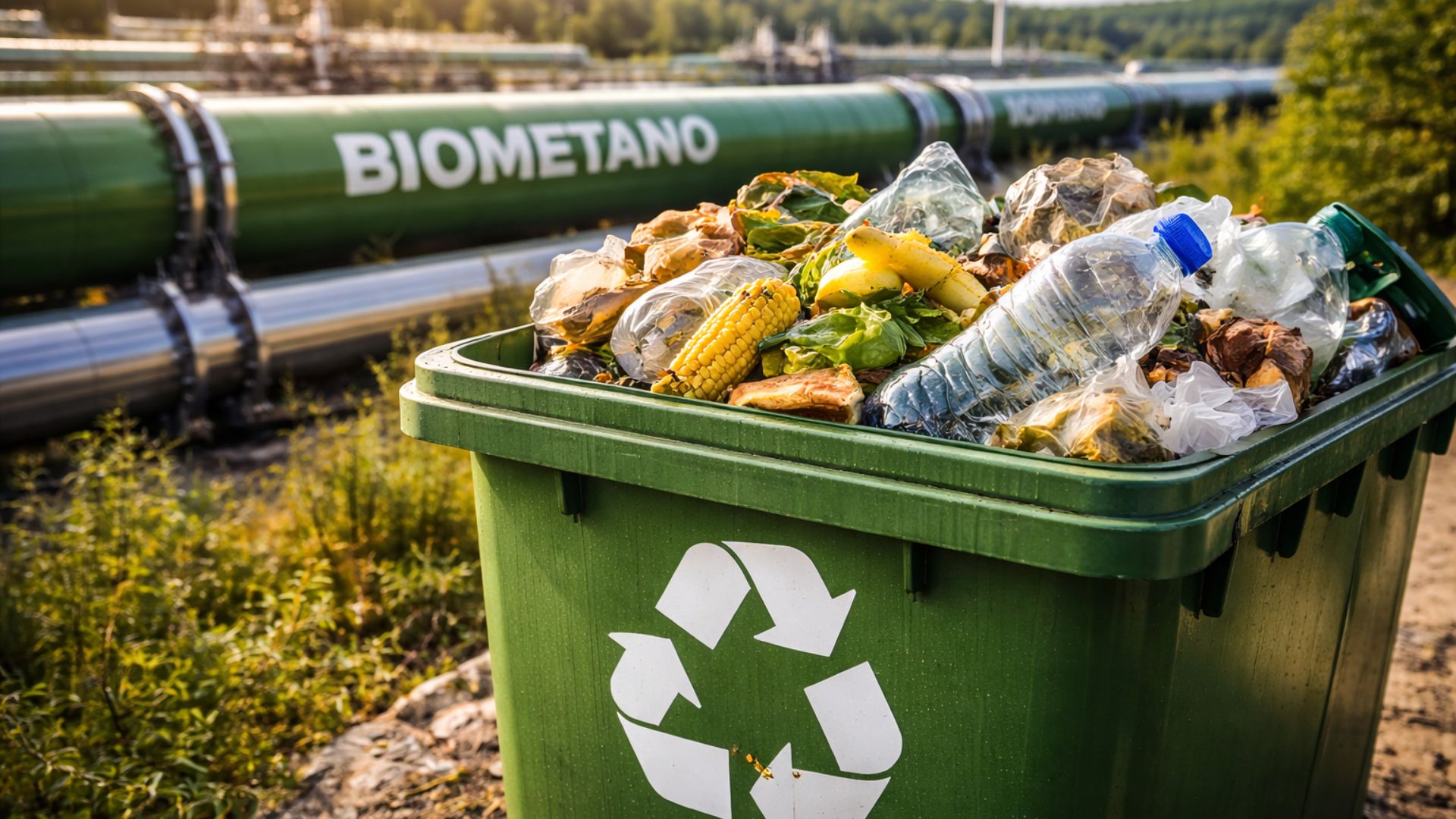
Project in Caieiras Shows How a Sanitary Landfill in SP Converts Urban Waste into Biomethane and Clean Energy, Reduces Emissions and Strengthens the Energy Transition with Environmental Technology and Innovation.
Located in Caieiras, in the metropolitan region of São Paulo, one of the largest sanitary landfills in Latin America has been establishing itself as one of the most relevant projects in the country for the conversion of solid waste into biomethane and clean energy.
According to an article published by Agência SP this Thursday (29), the initiative, led by the Solví Group in partnership with MDC Energia, demonstrates how modern waste management can contribute directly to the energy transition, the reduction of greenhouse gas emissions, and the strengthening of environmental policies in SP.
Largest Sanitary Landfill in SP as a Driver of the Energy Transition
Right from the first information disclosed during a technical visit made by the São Paulo State Secretariat for the Environment, Infrastructure, and Logistics (Semil), the strategic dimension of the project became evident.
-
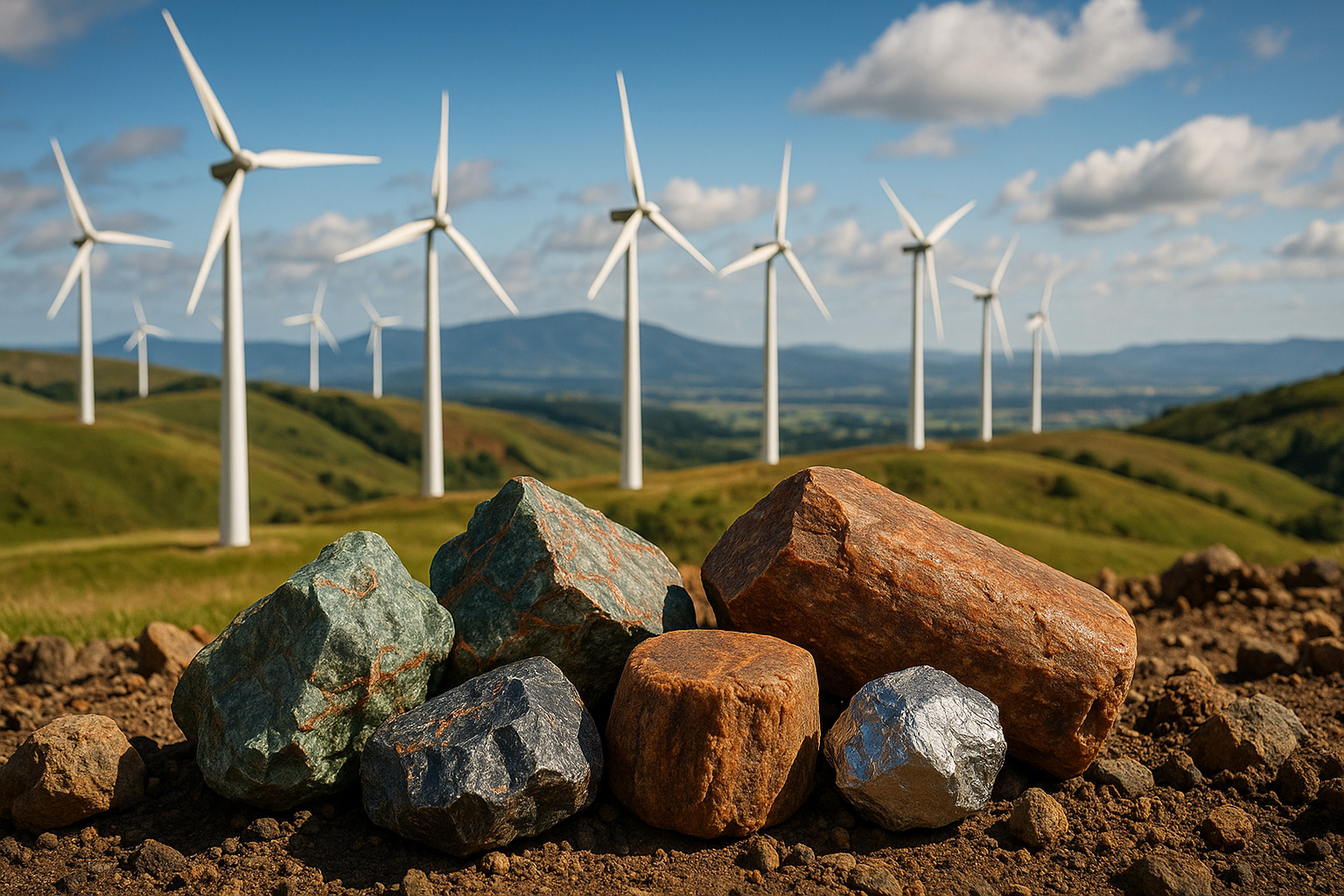
The Brazilian state accelerates industrial competitiveness with a focus on the extraction of strategic minerals to boost the energy transition in Goiás.
-
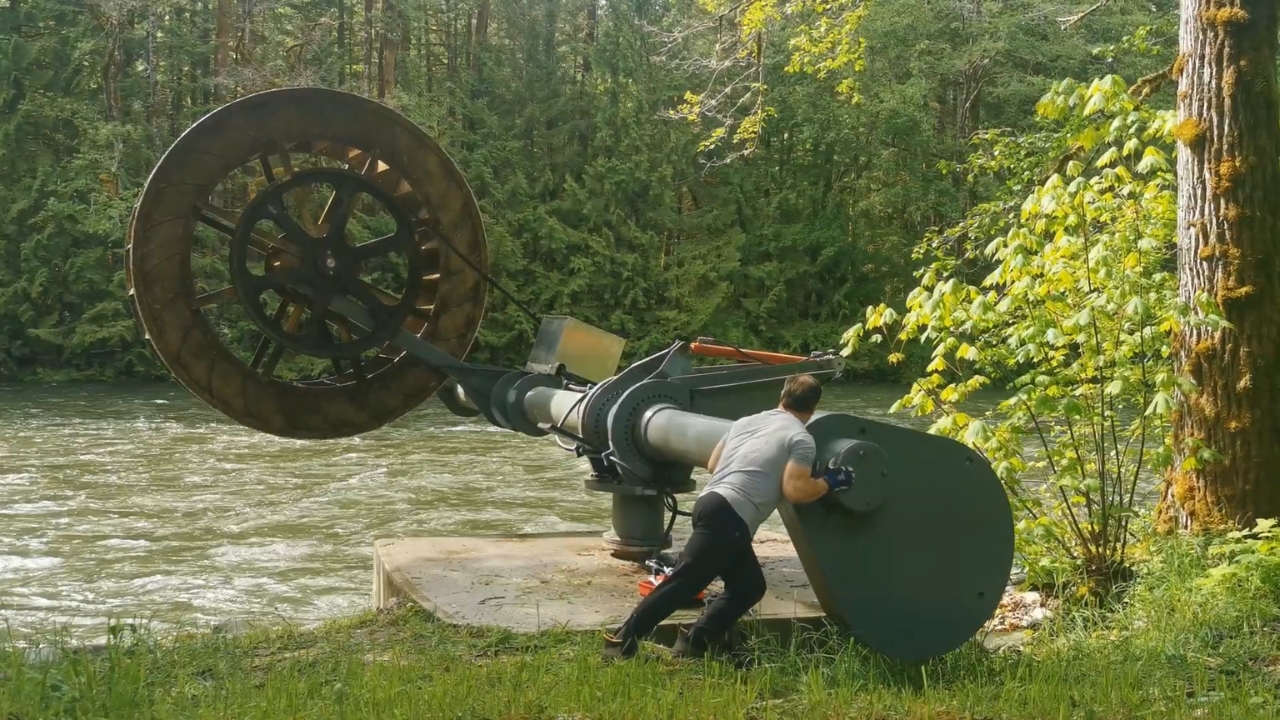
A Canadian retiree creates a hydroelectric system on a real river, generating energy continuously throughout the day and demonstrating how the power of water can supply a house with stability even in a simple structure.
-
Petrobras reaffirms its commitment to the market and ensures that it will carry out the energy transition safely to maintain national sovereignty.

-
Researchers discover a possible hydrogen deposit of up to 46 million tons beneath an ancient coal basin, and the volume could exceed half of the entire global production.


What was previously seen only as an environmental liability is now transformed into an energy and climate asset, with positive impacts on the environment, the economy, and society.
The sanitary landfill in Caieiras receives approximately 10,500 tons of waste per day, mainly from municipalities in Greater São Paulo. This operational scale makes the unit the largest in Latin America and significantly increases its potential for generating clean energy in SP.
Since 2006, the enterprise has already certified 9.6 million carbon credits, resulting from the capture and utilization of the biogas generated by the decomposition of waste. Each credit corresponds to one metric ton of CO₂ that was not emitted into the atmosphere, following internationally recognized methodologies.
This performance positions the sanitary landfill as a central element of the energy transition, especially in densely populated urban areas, where waste production is high and constant.

Biomethane and Clean Energy from Urban Waste
The transformation of biogas into biomethane is one of the main differentiators of the Caieiras unit. Inaugurated in November 2024, the biomethane plant installed at the site has the capacity to produce about 70,000 cubic meters per day of this renewable biofuel.
The biomethane has characteristics similar to those of fossil natural gas, being usable in industrial processes, electricity generation, and potentially in the transport sector. This is a clean energy source that contributes to the replacement of fossil fuels, reducing emissions and promoting a more sustainable energy matrix.
Moreover, the project prevents the direct release of methane into the atmosphere. This gas has a global warming potential 28 times greater than that of CO₂, according to consolidated data from the Intergovernmental Panel on Climate Change (IPCC). Thus, the energy utilization of biogas reinforces the role of the sanitary landfill in the climate agenda of SP.
Carbon Offsetting and Institutional Recognition
During the visit held on Tuesday, January 27, 2026, State Secretary Natália Resende received a symbolic plaque regarding the offsetting of greenhouse gas emissions from the Summit Agenda SP + Verde, a pre-COP event held between November 4 and 5, 2025.
The action enabled the neutralization of 284 tons of CO₂, considering emissions related to infrastructure, energy consumption, waste generation, and public transport. The carbon credits used were generated at the Caieiras sanitary landfill, reinforcing the integration between sustainable events, clean energy, and environmental public policies in SP.
The offsetting of emissions demonstrates that it is possible to hold large events aligned with the energy transition, using local and technologically established solutions.


Technology, Environmental Control, and Sustainable Valuation
Known as the Sustainable Valuation Unit (UVS), the Caieiras plant operates with advanced environmental and hydrogeological monitoring systems. In addition to the production of biomethane and clean energy, the complex carries out leachate treatment, reverse logistics of materials, and actions to restore degraded areas.
Leachate, the liquid resulting from the decomposition of organic matter and containing potentially toxic substances, undergoes strict treatment processes before its final disposal. This care reduces environmental risks and protects the soil and water resources of the region, enhancing the project’s credibility.
The combination of technology, environmental control, and operational efficiency transforms the sanitary landfill into a multifunctional hub, aligned with best international practices in solid waste management.
Articulation Between the Public and Private Sectors in SP
The technical visit included representatives from the National Agency of Water and Basic Sanitation (ANA) and the Brazilian Association of Waste and Environment (Abrema). The meeting promoted technical dialogue on regulatory, institutional, and infrastructure challenges related to expanding the use of biomethane in Brazil.
According to Solví, cooperation between governments, regulatory entities, and the private sector is essential to accelerate the energy transition. This alignment allows for the creation of more efficient public policies, reducing regulatory uncertainties and stimulating new investments in clean energy in SP.
For ANA, the integration between different sectors of basic sanitation is crucial for achieving lasting results, especially in projects that combine waste management, energy generation, and climate mitigation.
Waste Sector as a Driver of a Low-Carbon Economy
The experience of the sanitary landfill in Caieiras reinforces the vision that the waste sector is one of the pillars of a low-carbon economy. For Abrema, urban solid waste represents a concrete opportunity for generating biomethane, electricity, and carbon credits.
What was once seen as an environmental problem is now part of the climate solution, integrating the chain of the energy transition and fostering technological innovation.
This model contributes to emission reduction, diversification of the energy matrix, and the generation of specialized jobs. In the context of SP, where waste production is high, projects like the one in Caieiras gain even more strategic relevance.
Biomethane in the Energy Strategy of the State of São Paulo
The advancement of biomethane in the state of São Paulo is directly related to the existence of sanitary landfills with scale, technology, and operational security. These enterprises allow for the transformation of environmental liabilities into continuous sources of clean energy.
By replacing fossil fuels, biomethane contributes to the reduction of sectoral emissions and strengthens energy security. This is a solution aligned with national and international climate goals, with practical applications and measurable results.
A Model That Points the Way to a Sustainable Future
The largest sanitary landfill in Latin America, located in SP, demonstrates that waste management can go beyond final disposal. The transformation of waste into biomethane and clean energy proves that the energy transition can begin where least expected.
By integrating technology, regulation, institutional articulation, and long-term vision, the Caieiras project is consolidating itself as a national reference. It shows that economic development, innovation, and environmental responsibility can walk together, providing real solutions to the climate challenges of the present and the future.






Seja o primeiro a reagir!