





 Portuguese
  English
  Spanish
  3 min of reading
  0 comments


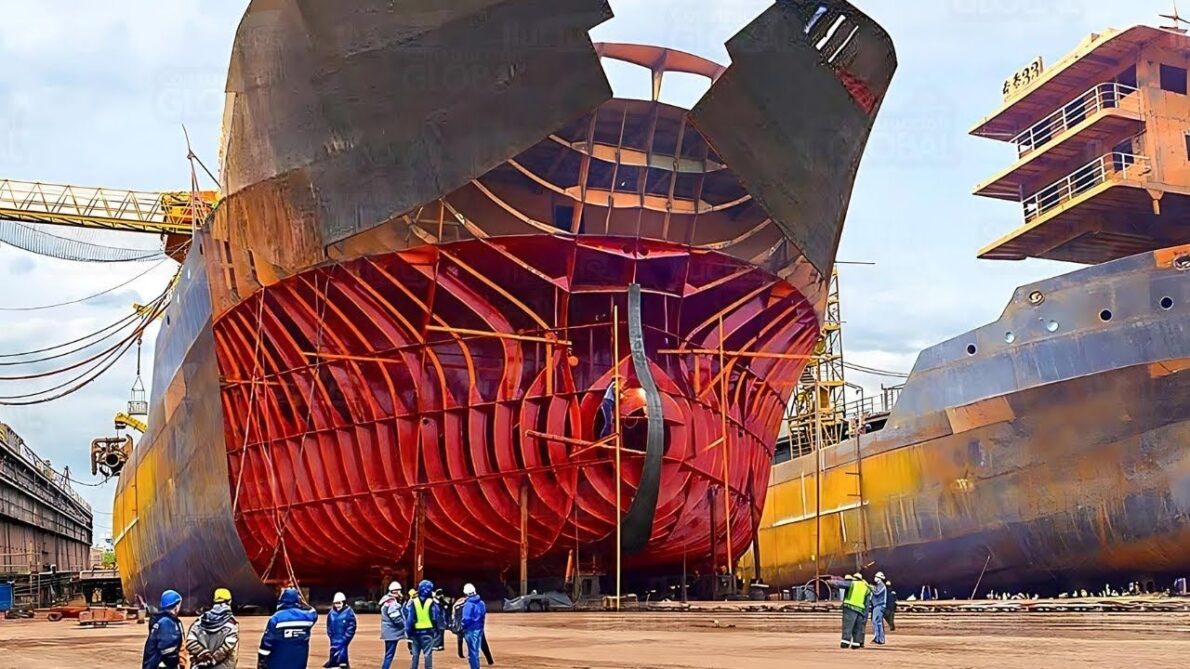
Understand The Complex Maintenance And Repair Processes That Ensure The Efficiency And Longevity Of The Giants Of The Naval Industry, From Thorough Inspection To The Replacement Of Critical Components.
Maintaining and repairing huge ships worth millions of dollars is a complex and vital task for the naval industry. This process involves cutting-edge technology, meticulous planning, and a highly skilled team. Let’s explore how ships are repaired, from detecting problems to implementing solutions that ensure the longevity and efficiency of these massive vessels.
Ship maintenance is essential for ensuring their safety and efficient operation. Repair processes may include system upgrades, preventive maintenance, and damage rectification. Upgrades may involve modernizing navigation systems, improving fuel efficiency, and reducing emissions, making ships more sustainable and economical.
Dry Docking Is A Crucial Step In Ship Repair
An example of a complex repair is the replacement of propellers (see how propellers are made). These vital parts, responsible for moving ships, are manufactured with precision using advanced casting techniques in the naval industry. After casting, propellers undergo rigorous quality inspections with X-ray scanners and a meticulous polishing process to ensure their hydrodynamic efficiency.
-
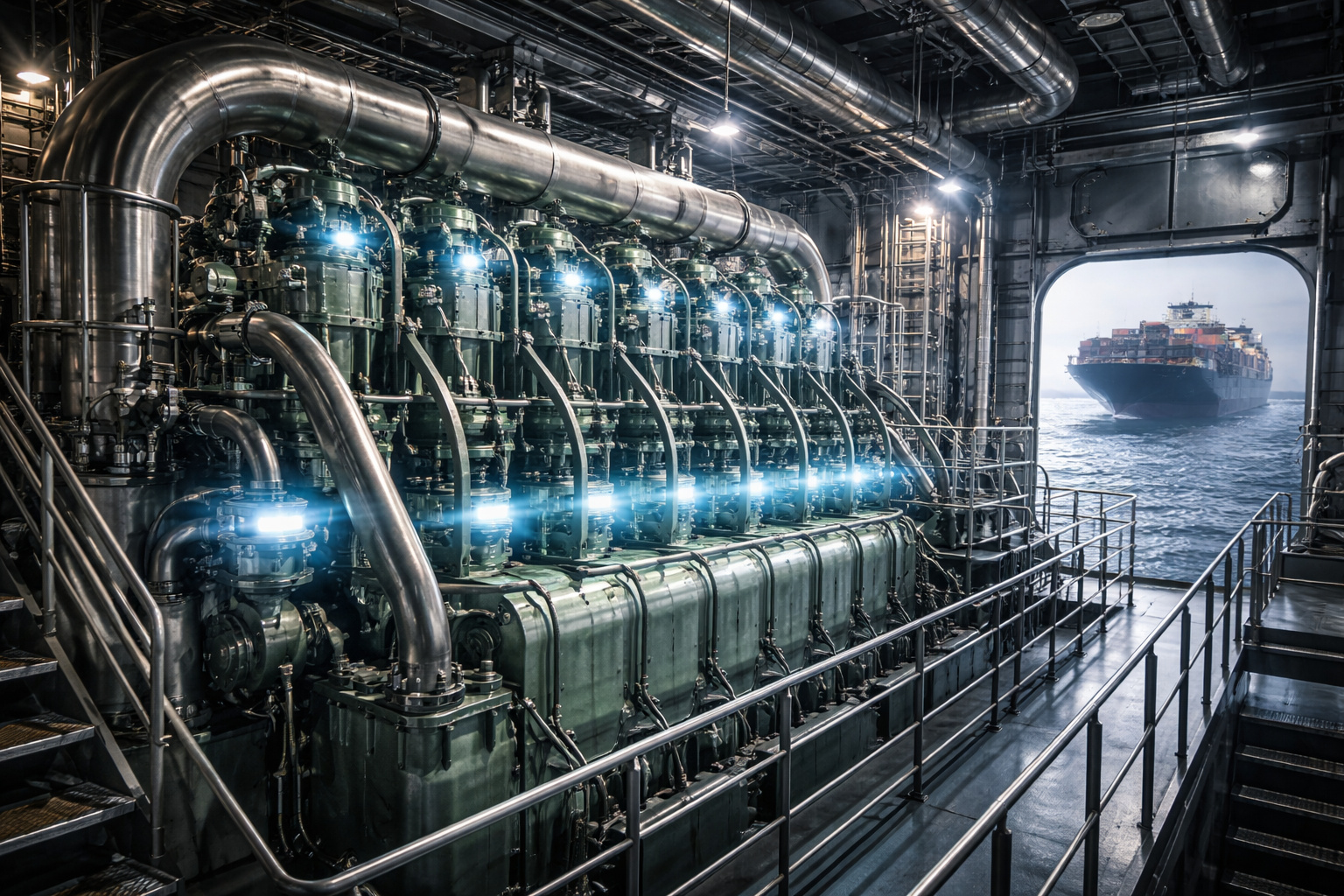
Europe is trying to create an ammonia-powered marine engine without auxiliary fuel, which could unlock the race for giant emission-free ships. The technology aims to eliminate one of the biggest obstacles to clean maritime propulsion.
-
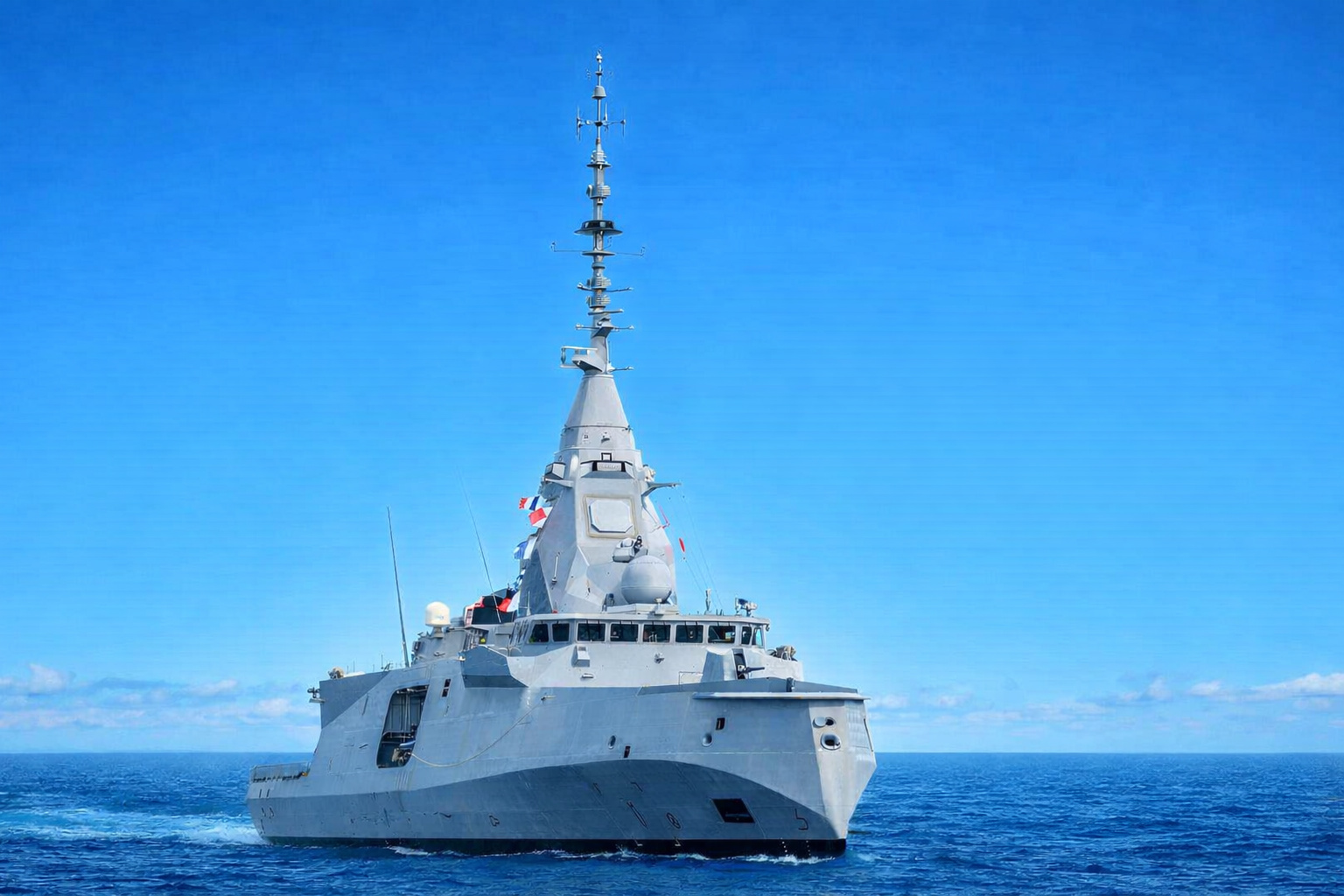
A 4,500-ton frigate with just over 100 crew members, state-of-the-art radar, and cruise missiles is being touted as the new standard of naval warfare in the 21st century.
-
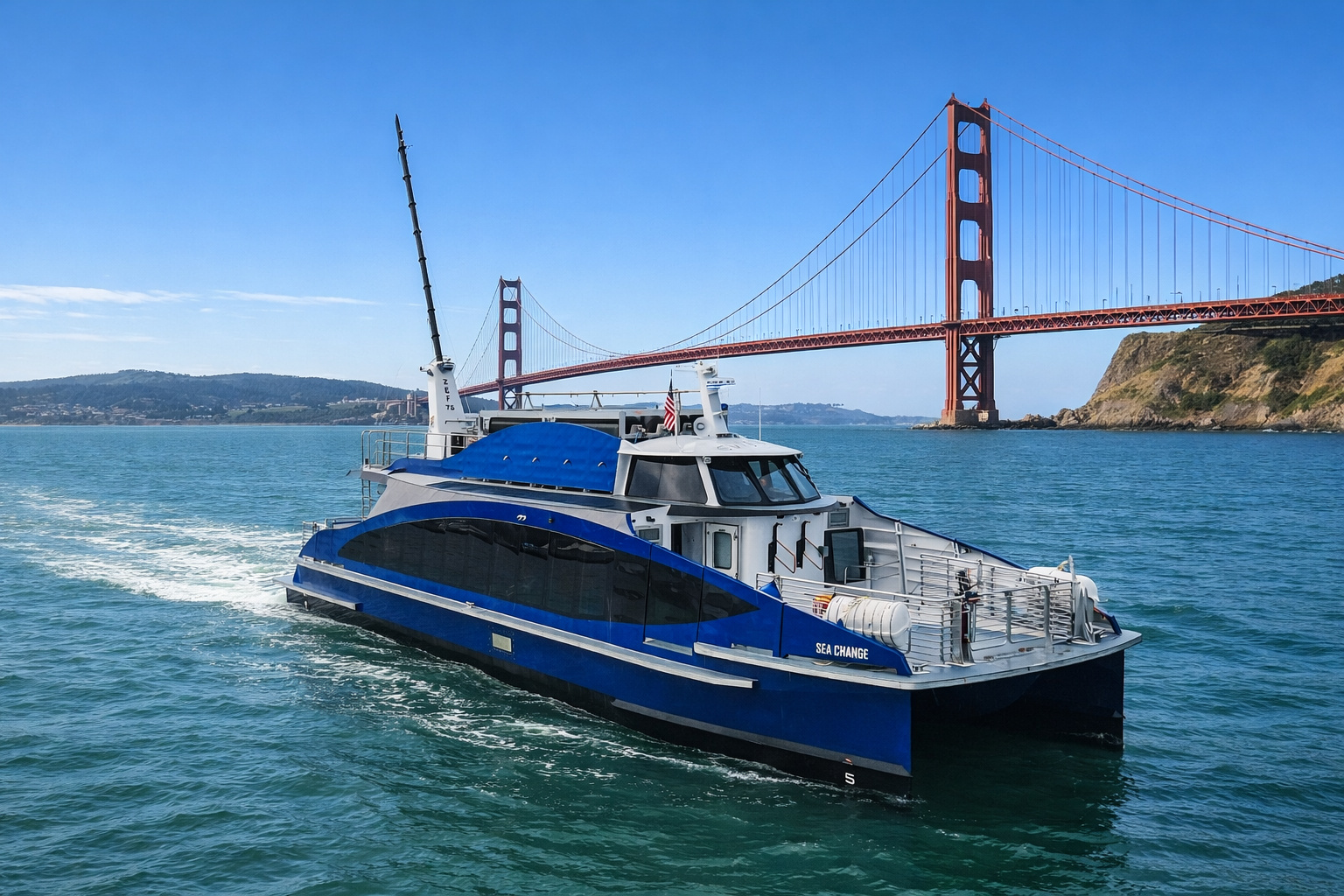
The first commercial hydrogen-powered ferry enters operation in the U.S., eliminates the use of diesel, uses fuel cells to generate clean energy on board, and transforms San Francisco Bay into a landmark of the new era of emission-free navigation.
-
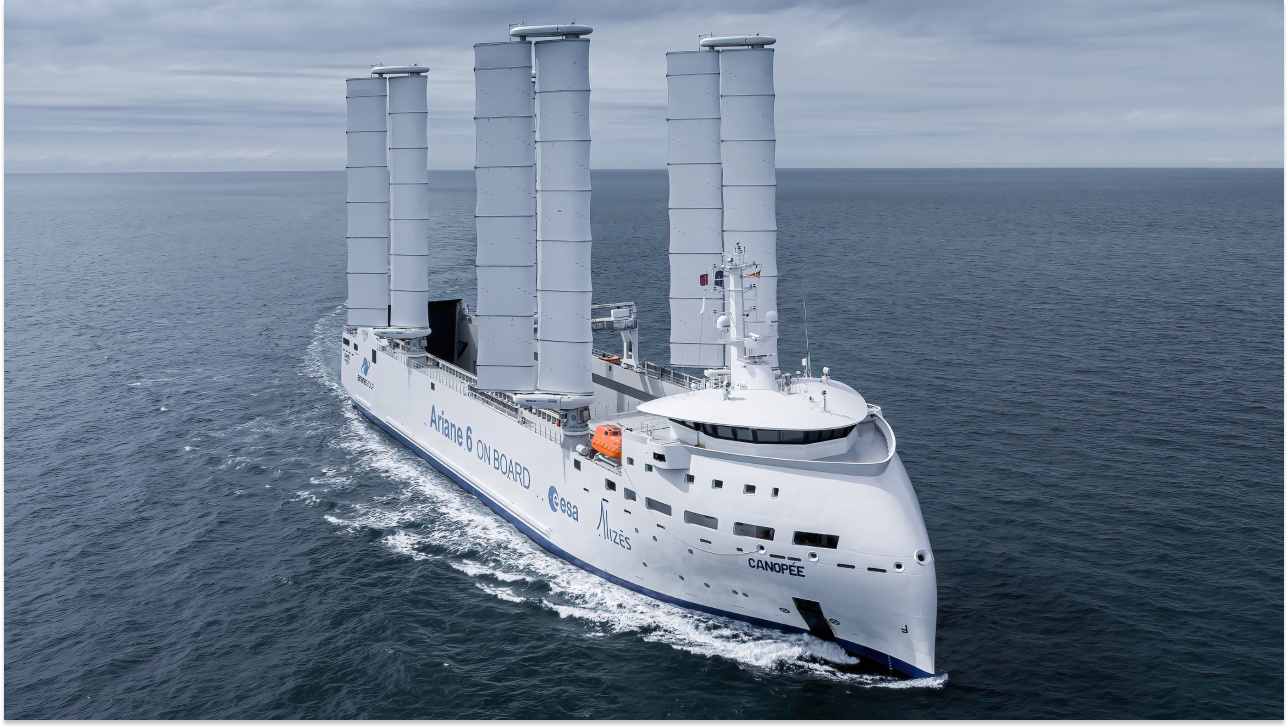
With a length of 121 meters and four rigid sails of 36 meters that automatically rotate to capture the wind, Canopée is the world’s first hybrid industrial cargo ship powered by wind, used to transport rockets and reduce fuel consumption by up to 30% on transoceanic routes.

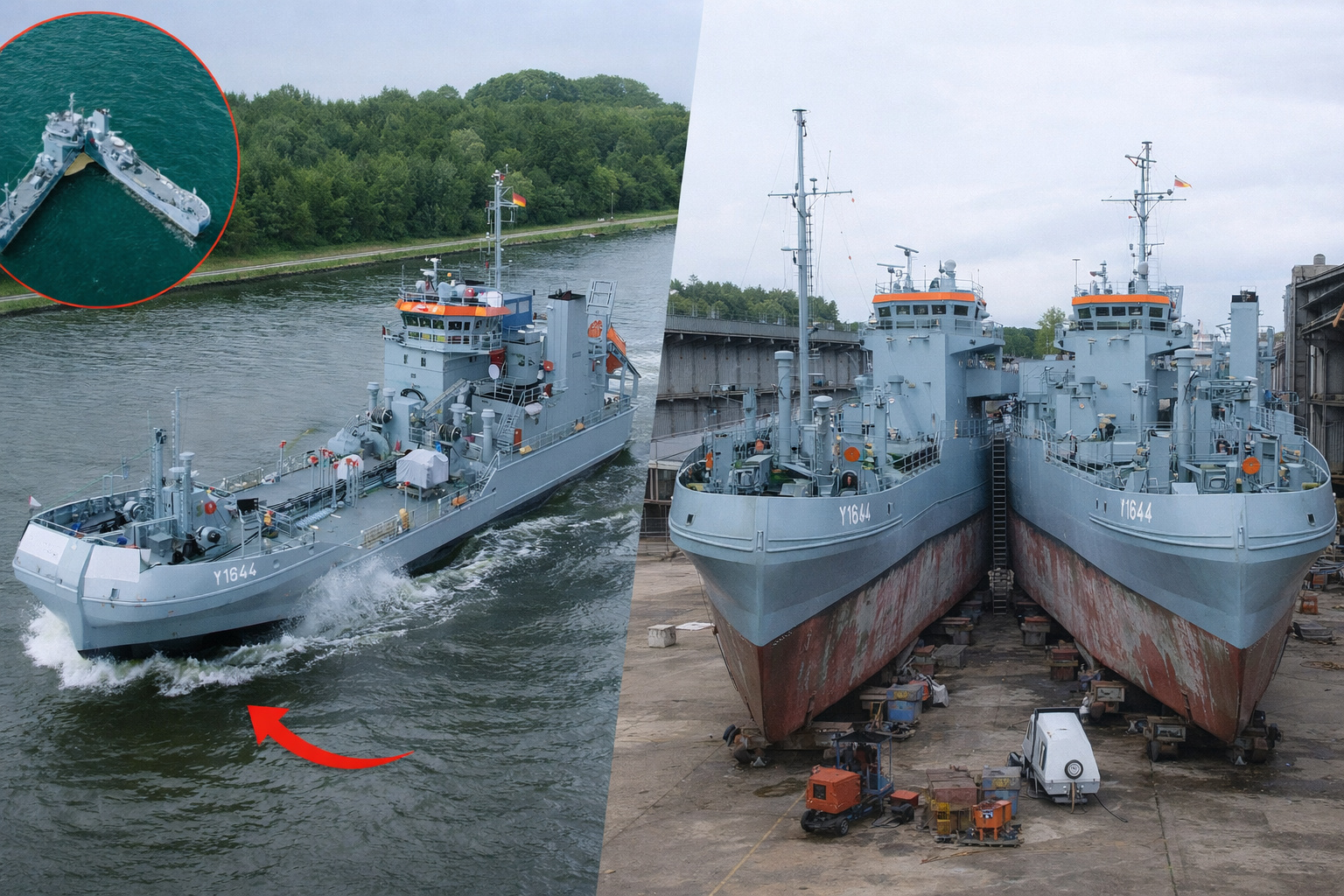
Dry docking is a crucial step in ship repair. At this stage, the ship is taken to a structure that can be flooded and drained, allowing it to be exposed to the air and facilitating detailed inspections and necessary repairs. This process is vital for maintaining the structural integrity and safety of the vessel.
Shipyards Play A Central Role In The Naval Industry
In addition to structural repairs, regular maintenance includes underwater cleaning of the ship’s hull. This cleaning removes algae and microorganisms that accumulate, reducing drag and improving fuel efficiency. Periodic cleaning is performed by divers or robots equipped with modern technology to ensure the safety and effectiveness of the process.
Shipyards play a central role in the naval industry, providing space and resources to carry out complex repairs. Equipped with advanced tools and a specialized workforce, these shipyards ensure that ships are ready to return to sea safely and efficiently.
Skilled Labor To Ensure That Ships Remain Operational And Safe
Maintaining these giants of the sea requires a continuous effort of planning, inspection, and repair. The naval industry constantly invests in advanced technologies and skilled labor to ensure that ships remain operational and safe, contributing to globalization and the world economy.
With these practices and technologies, the naval industry ensures that ships, although facing challenges at sea, can continue to navigate safely and efficiently, prolonging their lifespan and ensuring sustainable returns on investments.









Seja o primeiro a reagir!