





 Portuguese
  English
  Spanish
  3 min of reading
  0 comments


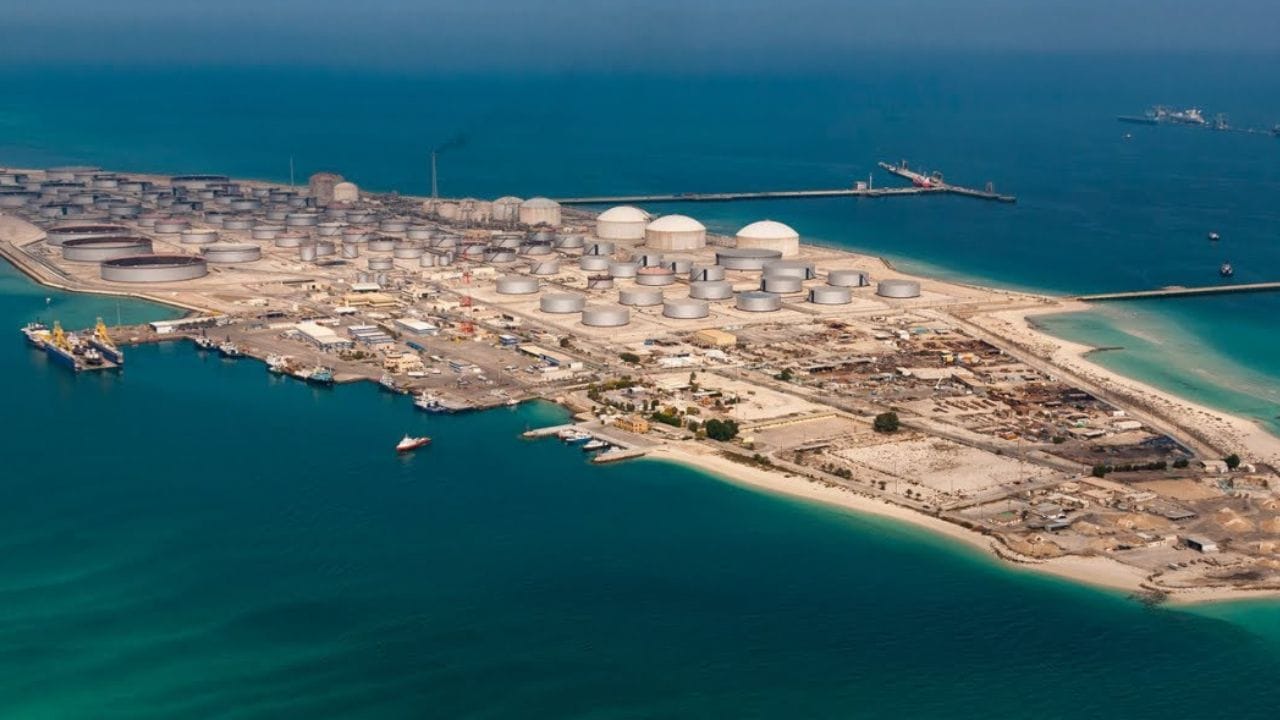
Saudi Arabia, Known for Being a Power in Oil Production, Raises Its Standards with the Construction of the Ras Tanura Refinery, One of the Largest and Most Impressive Refineries in the World, Situated on the West Coast of the Country. This Mega Structure, Crucial for the Saudi and Global Economy, Represents a Significant Milestone in the Oil Sector.
Inaugurated in 1941, the Ras Tanura refinery has its roots in the 1930s, when the global economy began to lean heavily toward the industrial model, with oil becoming a key resource. The construction was an initiative of the Arabia America Orion Company, a partnership between the Saudi government and American companies, which later became exclusively Saudi.
Ras Tanura, located in the historic city, covers an area of 15 square kilometers and has an impressive production capacity of 550,000 barrels per day. This places the refinery among the largest in the world, just slightly behind the Carriel refinery in Luziânia, United States. The refinery has several processing units, including crude oil distillation, vacuum installation, hydrocracking, fluid catalytic cracking, among others.
Structure and Construction


The refinery was developed in several phases, starting with a small unit and expanding to its current capacity in the following decades. The complex includes not only the processing units but also storage tanks and pipelines, with a robust infrastructure to ensure efficiency and safety.
-
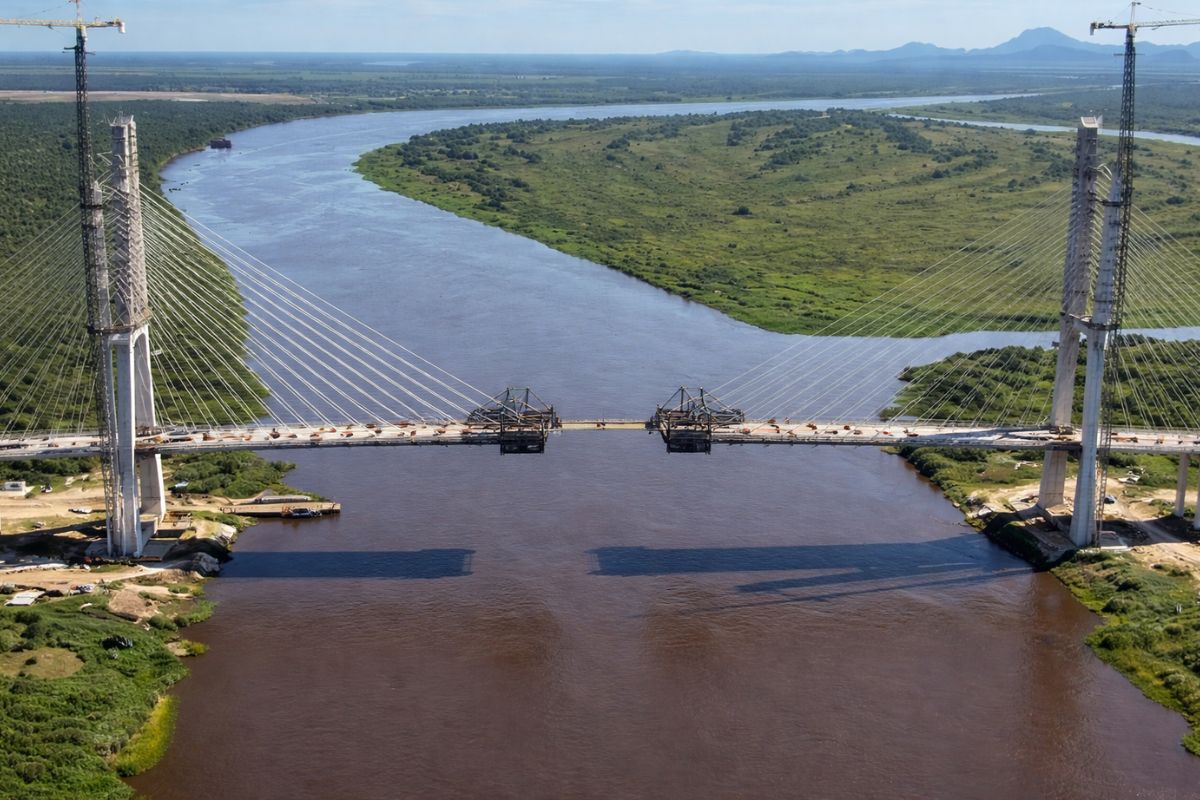
Only 46 meters remain for Brazil and Paraguay to connect via the Bioceanic Route bridge, the project that will link the Atlantic to the Pacific by land and change the logistical map of four countries in South America.
-
The bridge that holds the largest stone railway arch in the world: built over 100 years ago, destroyed in the war, and rebuilt to continue operating to this day, it still carries trains over the Soča River in Slovenia.

-
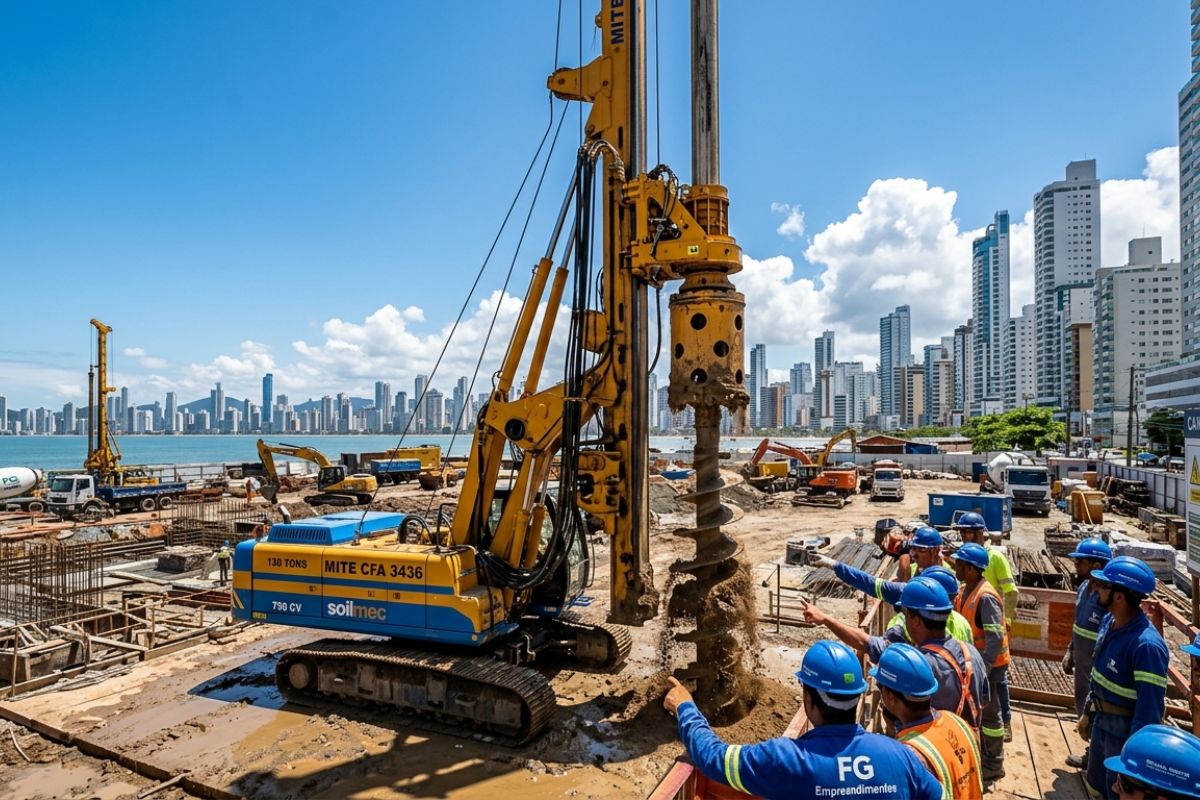
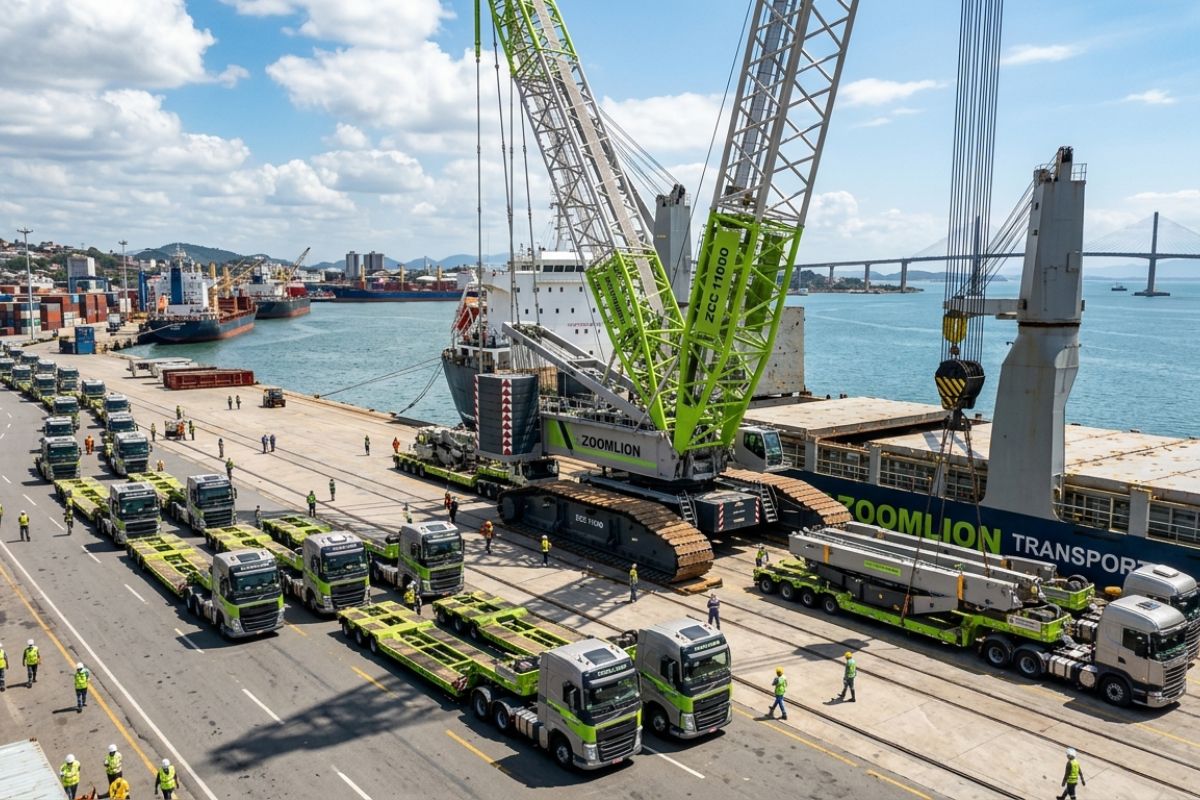
Italian giant of 130 tons arrives at the Senna Tower construction site and accelerates foundations: Mite CFA 3436 drills up to 50 m, 750 hp engine, investment of R$ 20 million, unique in Latin America.
-
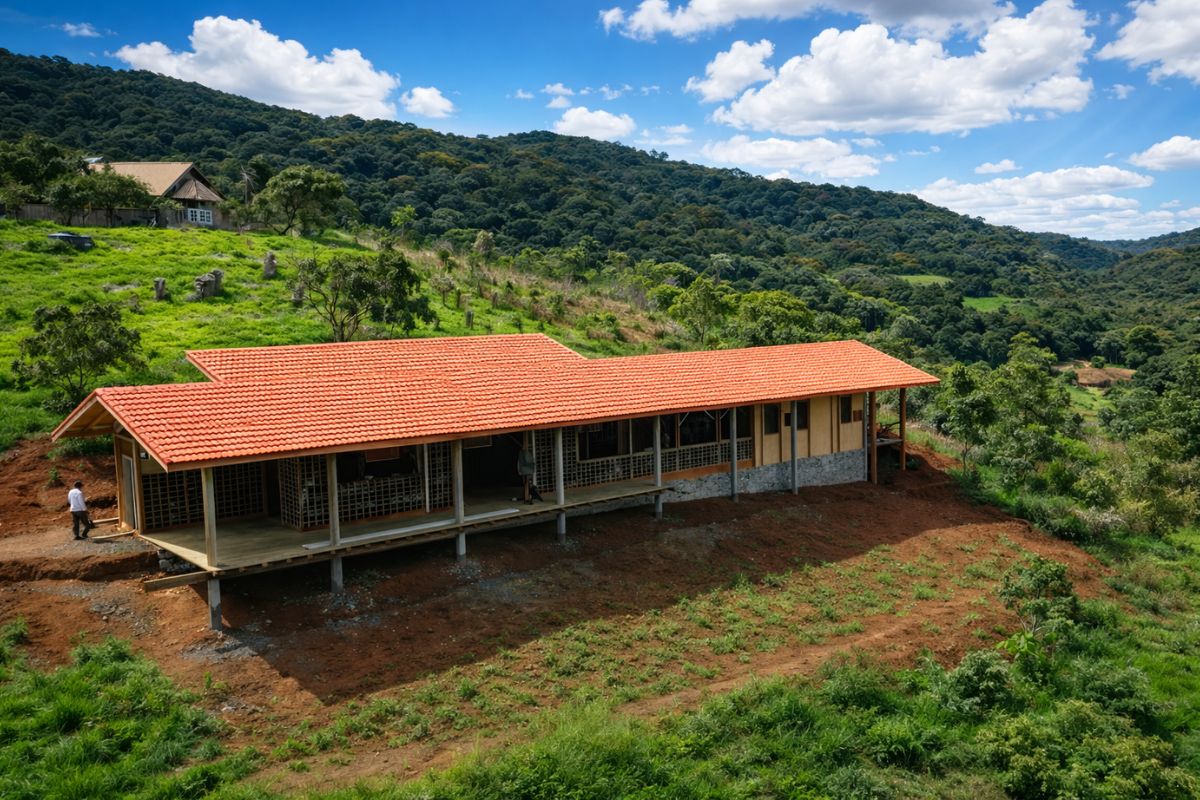
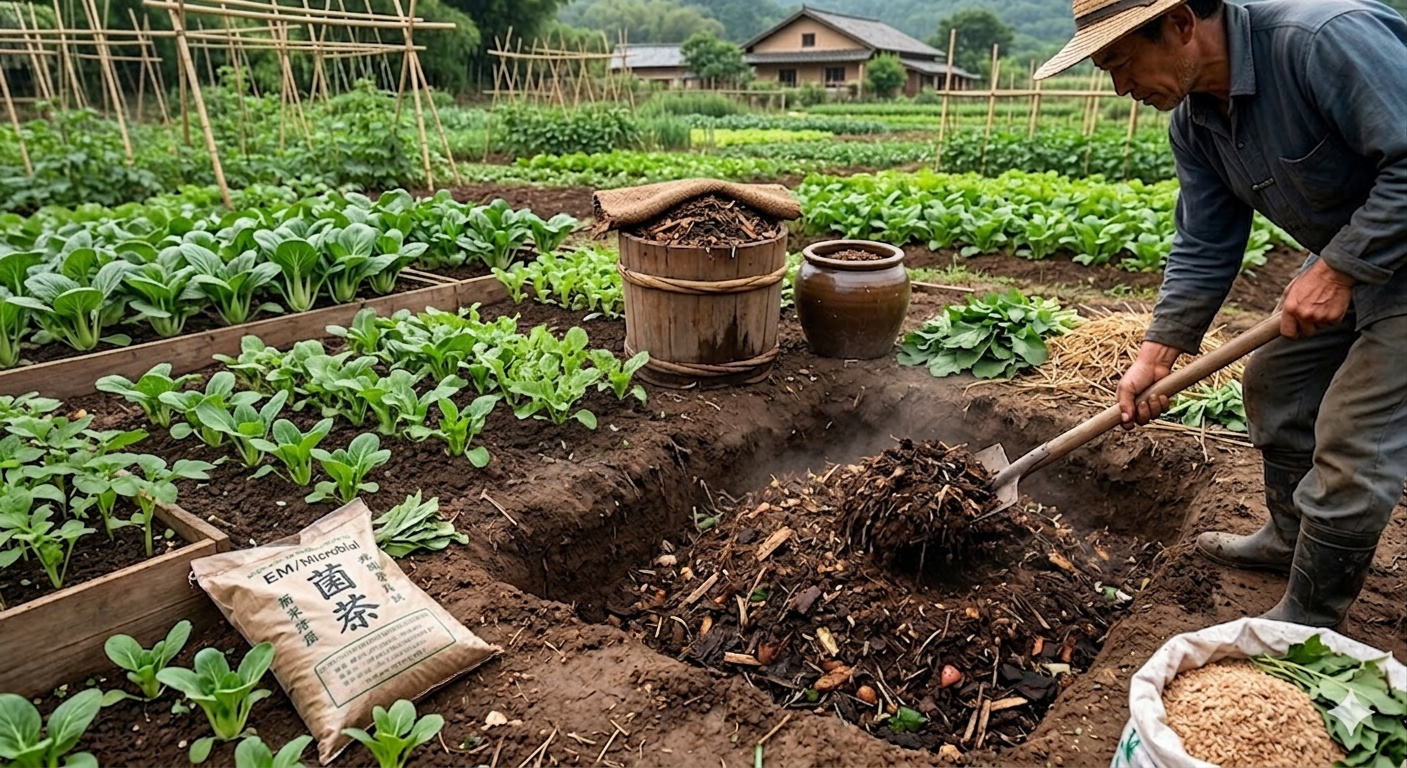
The adobe house in Monteiro Lobato takes shape with bamboo and clay from the land, a stone foundation, and a roof for the wind; cracks are normal, and finishing with lime turns it into a “common house.”

Ras Tanura not only serves as a reference for the Saudi oil industry but also as a crucial pillar for the country’s economy. With an annual sales potential exceeding $17 billion, the refinery significantly contributes to the Gross Domestic Product (GDP) of Saudi Arabia and government revenue, with oil accounting for about 70% of government revenues. This venture plays an essential role not only in the local economy but also in the global energy market.
Sustainability and Future
Despite the growing wave of sustainability and the search for alternative energy sources, oil still plays a crucial role in the global energy matrix, accounting for 29.5% of the global energy source in 2020. Global oil demand, according to the International Energy Agency, is expected to continue growing until at least 2040, especially in developing countries in Africa, Asia, and the Middle East. This positions the Ras Tanura refinery and Saudi Arabia strategically to meet this growing demand.
The Ras Tanura refinery is an example of the continued importance of oil in the global energy landscape and Saudi Arabia’s ability to maintain its position as one of the world leaders in oil production. As the world seeks a balance between sustainable development and energy demands, the refinery represents a significant link between the present and the future of the energy industry.







Seja o primeiro a reagir!