






 Portuguese
  Spanish
  2 min of reading
  0 comments


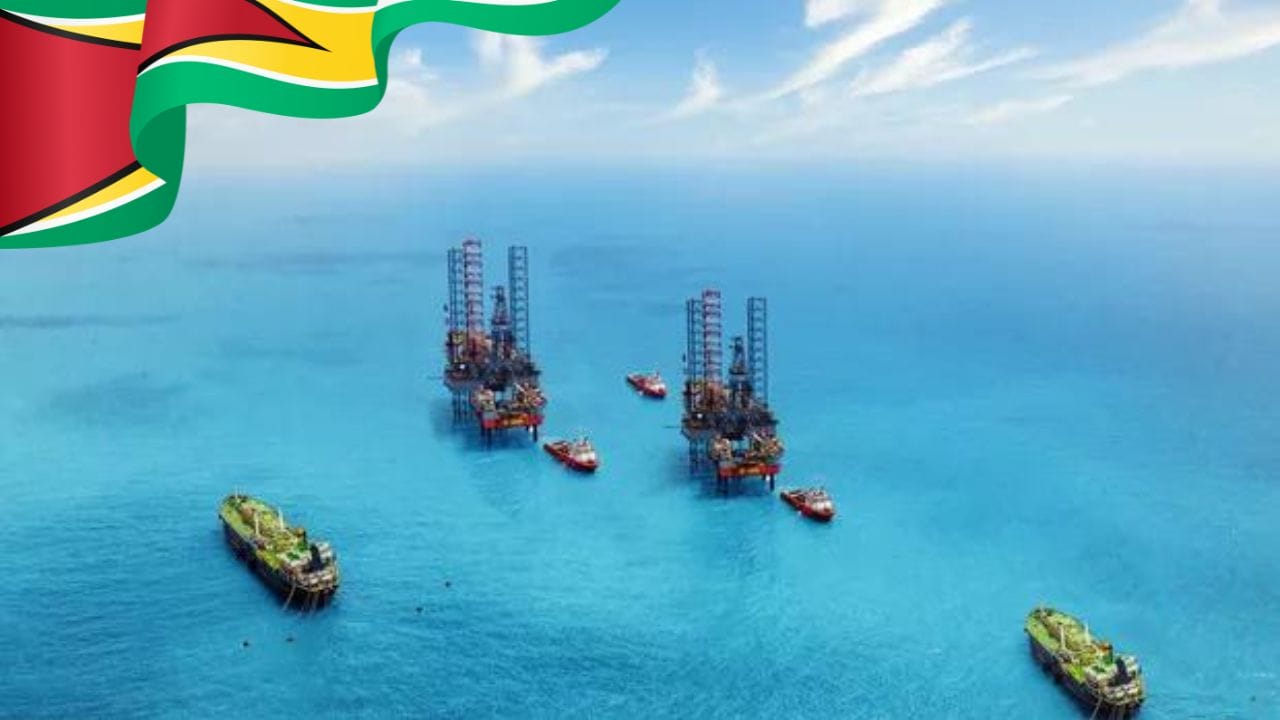
Since 2015, when the American company ExxonMobil discovered large oil reserves in the waters of Guyana, the country has been experiencing an economic optimism wave. The reserves estimated at about 11 billion barrels, in addition to other findings in the region, could catapult Guyana to the status of one of the most prosperous oil nations in the world.
Guyana, a country located in the northern part of South America, neighbors Brazil, Venezuela, and Suriname, is at the epicenter of an economic revolution driven by the discovery of vast oil reserves. With a population of approximately 800,000 inhabitants, this country with African and Indian heritage, formerly a Dutch colony and later British, may soon become one of the wealthiest nations in terms of GDP per capita thanks to oil.
With GDP growth estimates around 37% in 2023 and 45% in 2024, Guyana is preparing for unprecedented economic expansion. Oil promises to radically change the face of the country, previously one of the poorest in South America.
Oil Contracts and Challenges
Guyana’s first contract with ExxonMobil, splitting profits 50/50 and paying only 2% in royalties to the country, was considered unfavorable. However, lessons learned from this initial agreement are guiding more advantageous negotiations for the country in subsequent contracts.
-
IEA reduces forecast for global oil demand in 2026 after impacts of the Middle East crisis

-
Bank of Japan raises interest rates to 1%, reaching the highest level in over three decades

-
ANP halts LPG reform, and Sindigás sees technical caution as a decisive point for safety, investments, and the future of the cylinder in Brazil.
-
Oil spill in the Caribbean raises environmental alert and increases tension between Venezuela and Trinidad and Tobago




To avoid the “resource curse,” which affects many resource-rich countries with corruption and mismanagement, Guyana is being advised to create a sovereign fund, following the example of countries like Kuwait and Norway. This could help in the proper management of oil resources, ensuring sustainable benefits for the population.
Environmental Challenges and Climate Change


Guyana faces global pressures regarding climate change. With the world moving towards more sustainable energy sources, the country must act quickly to capitalize on its oil reserves while transitioning to cleaner energy sources.
The discovery of oil has also brought geopolitical challenges, especially with Venezuela claiming the resource-rich Essequibo region. Guyana’s economic future largely depends on how the country navigates this complex scenario and the actions of its political class.
Guyana is facing a historic opportunity for economic and social transformation through oil. However, success will depend on its ability to manage the challenges of corruption, environmental issues, and geopolitical pressures. With prudent management and a long-term vision, Guyana could become an example of prosperity and sustainable development in South America.







Be the first to react!