





 Portuguese
  English
  Spanish
  4 min of reading
  0 comments


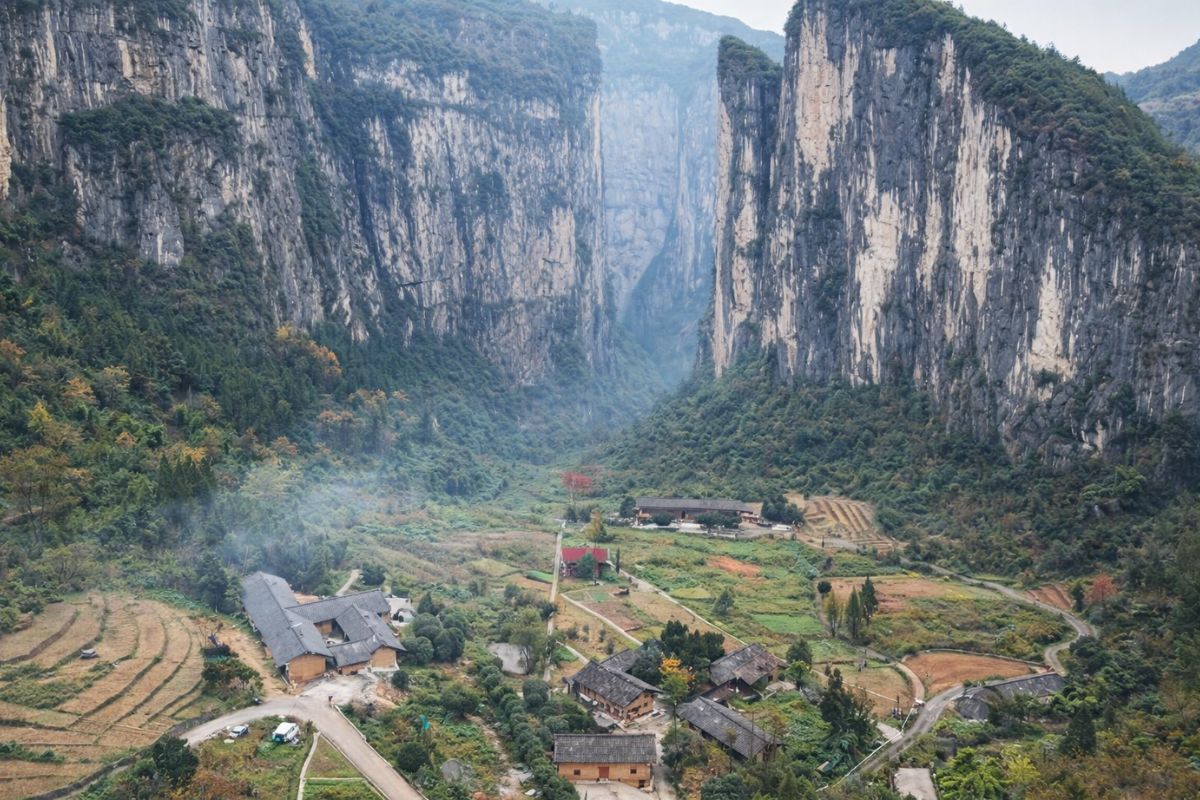
In The Remote Gorge Of Chongqing, Vila Huilong Lives As An Isolated Village For Generations, Protected By A Natural Stone Gate Called Dry Kuimen.
Living Among Cliffs, Fog, And A Sinkhole-Shaped Valley, The Residents Of This Isolated Village Maintain A Daily Life Almost Untouched By The Modern World, With Dirt Patios, Ears Of Corn Hanging On The Walls, And Fruit Trees Blooming In Spring While The Remote Gorge Of Chongqing Attracts Visitors Seeking Rare Scenery And Absolute Silence.
The “Celestial Gate” Of The Remote Gorge Of Chongqing
Hidden In The Depths Of The Chinese Mountains, Vila Huilong Exists Only Because Geology Decided To Exaggerate.
Two Rock Walls Over 600 Meters High Face Each Other As If Cut By A Giant Axe, Forming A Gate Approximately 400 Meters Wide.
-
Church from 1888 becomes a mansion of over 330 m² in Canada after a renovation of R$ 3.4 million and is eventually sold for nearly R$ 4.3 million.

-
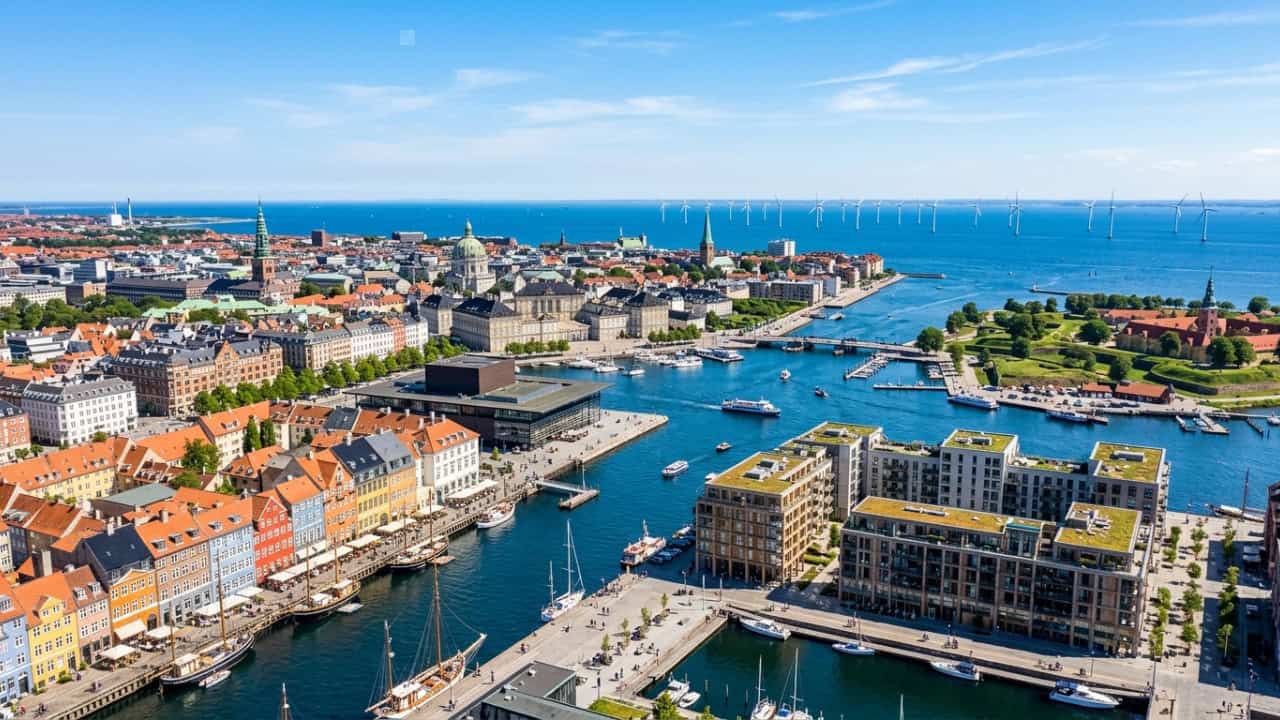
How an innovative city combines high technology, well-being, and sustainability to become the largest reference in clean energy on the planet.
-
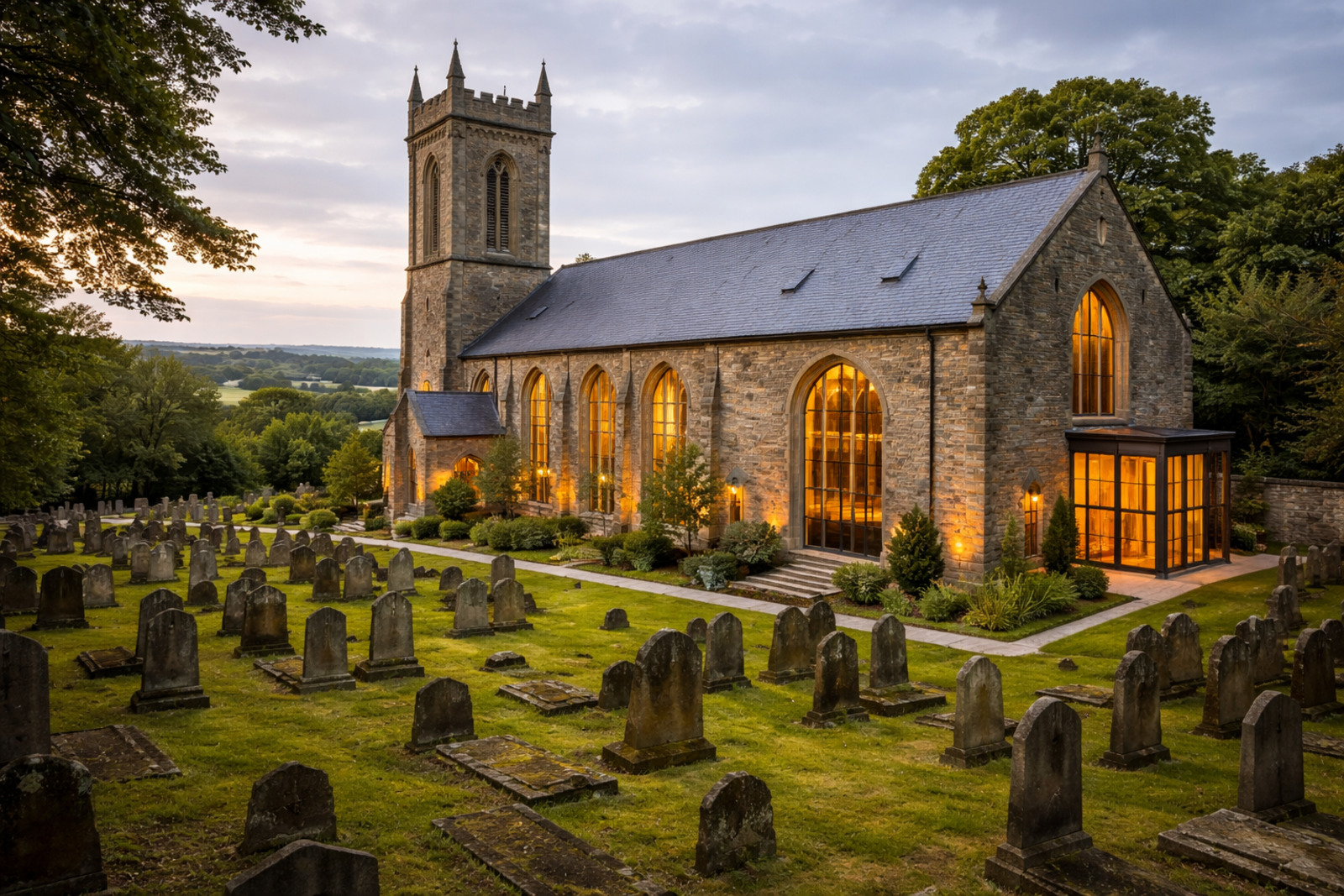
Couple buys 1846 church in ruins for R$ 660,000, invests R$ 3.2 million in renovations, transforms it into a millionaire mansion, and even preserved a historic cemetery with over 300 graves.
-
He started running at 66 years old, broke records at 82, and is now a subject of study for having a metabolic age comparable to that of a 20-year-old, in a case that is intriguing scientists and inspiring the world.


This Natural Gate Is Known As Dry Kuimen And Transforms The Remote Gorge Of Chongqing Into Something That Seems Like A Door To Another World.
Geologists Have Identified It As One Of The Largest Mountain Gates On The Planet And, Along With The Qutang Gorge In The Three Gorges Of The Yangtze River, It Forms The Pair Of The So-Called “Twin Kuimens” Of The Region.
Down Below, The Scenery Is Typical Of Karst Landscape. The Sinkhole Functions As A Giant Stone Basin, Surrounded By Precipices, With Agricultural Terraces Resembling Rice Fields, Small Planting Strips, And A River That Now Flows More Discreetly After Works Diverted Part Of The Water To Generate Energy.
Adobe Houses And Rustic Courtyards At The Bottom Of The Sinkhole

Inside The Remote Gorge Of Chongqing, Vila Huilong Seems Like A World Of Its Own. The Older Houses Are Made Of Adobe, With Clay Bricks And Dark Tiles On Top, Often Plastered On The Outside But Still Retaining The Rough Texture Of Traditional Construction.
In The Courtyards, Ears Of Corn Hang On The Walls, Pumpkins Rest In Corners Of The Packed Earth, And Washing Machines Share Space With Old Wooden Benches.
Pomelo Trees Loaded With Fruit, Maples That Fill The Valley With Color In Autumn, And Other Fruit Trees Transform The Village Into A Living Picture, Especially In Spring When Everything Blooms At Once.
Life Is Simple And Practical. Water Comes Through Piping, Electricity Runs Through Buried Cables To Avoid Polluting The Landscape, And The Rhythm Of The Day Still Follows The Cycle Of Planting And Harvesting.
In Winter, The Crops Are Limited To Cabbages, Scallions, And Colza, While The Soil Is Turned To Prepare For The Next Year’s Planting.
An Isolated Village Within The Remote Gorge Of Chongqing
Before A Road Existed, Leaving Vila Huilong Was Almost An Expedition. Older Residents Remember That To Go To The Market, They Had To Climb Narrow Trails, Walk For Hours, And Face Steep Slopes Until They Reached The World Outside The Remote Gorge Of Chongqing.
The Location Nestled In The Sinkhole Made The Village A Natural Refuge. Surrounded By Tall Cliffs And Difficult To Locate, The Area Likely Served As Shelter For Those Fleeing Wars, Persecutions, Or Just Seeking An Isolated Place To Start A New Life.
An 86-Year-Old Resident Says She Was Born There, Saw Her Parents Live In The Same Adobe House, And Later Married Someone From The Same Village.
According To Her, The Community Once Had Over 200 Residents. Over Time, Many Moved Away, Bought Houses Elsewhere, And Transferred Their Residence Registration, Leaving Mainly The Elderly Who Refuse To Abandon The Valley.
Today, the village Is Described As A “Land Of Feng Shui” That Produces Long-Lived People. One Resident Lived To Be 105 Before Passing Away A Few Years Ago, And Several Elderly Residents Are Over 80 With Lucidity And An Active Routine.
Between The Silence Of The Mountain And The Flow Of Tourists
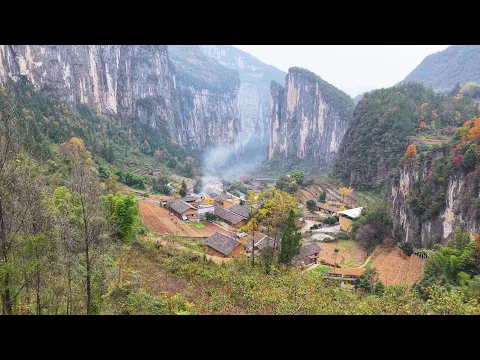

The Remote Gorge Of Chongqing Has Ceased To Be A Total Secret. The Opening Of The Road Has Transformed Vila Huilong Into An Excursion Destination, With Buses Of Tourists Entering Through The Stone Gate To Get A Closer Look At The “Largest Mountain Gate In The World.”
Some Families Have Adapted Their Houses, Expanding Yards And Creating A Larger Structure That Resembles Small Rural Inns.
Visitors Arrive Impressed With The Scale Of Dry Kuimen, The Sea Of Clouds In Clear Mornings, And The Feeling Of Walking Within An Epic Movie Set.
Even So, The Daily Life Of The Residents Remains Marked By Agricultural Routine And Attachment To The Place. The Idea Of Leaving Does Not Seduce Most Elderly Residents, Who Prefer To Age Looking At The Same Stone Gate They Have Seen Since Childhood.
A Valley Between Two Worlds
Crossing The Dry Kuimen, The Visitor Symbolically Crosses Two Worlds. Outside, Roads, Cities, Commerce, And Traffic. Inside, A Village Nestled In Rock, Surrounded By Silence, Vegetation, And Centuries-Old Houses.
The Remote Gorge Of Chongqing, With Its Deep Sinkhole And Giant Natural Gate, Is Both An Obstacle And A Protection.
It Has Isolated Vila Huilong For Decades, But It Has Also Preserved A Way Of Life That Blends Tradition, Longevity, And An Intimate Relationship With The Mountain.
For Geologists, It Is A Masterpiece Of Nature. For Those Who Live There, It Is Simply Home. For Tourists, An Almost Unbelievable Setting That Seems To Have Come From An Ancient Legend.
And You, Would You Have The Courage To Trade City Life For A Silent Routine In This Remote Gorge Of Chongqing, With A Giant Stone Gate Guarding Your Door Every Day?





-

Uma pessoa reagiu a isso.