





 Portuguese
  English
  Spanish
  4 min of reading
  0 comments


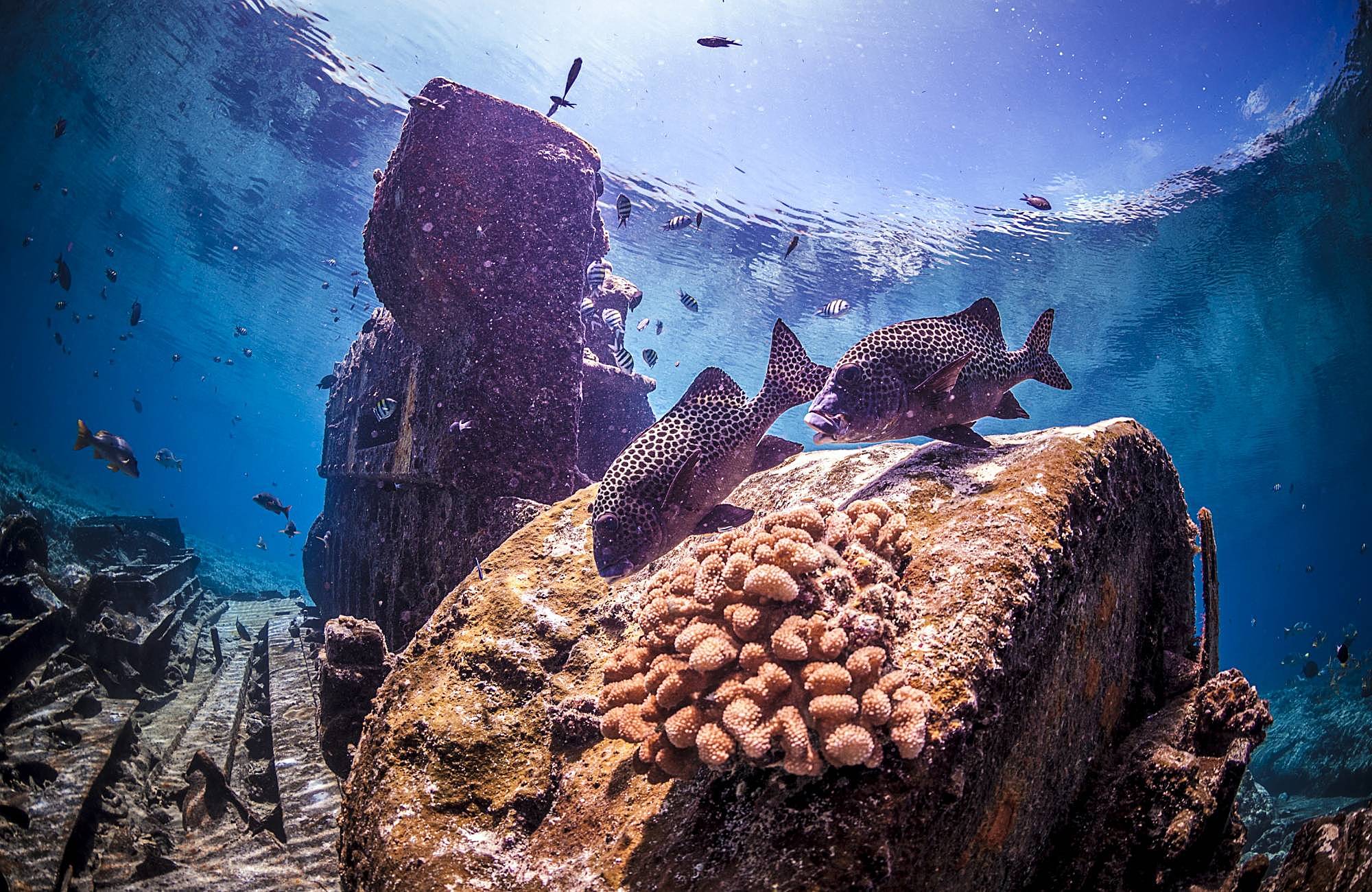
Hundreds Of Artificial Structures Shaped Like “Squids, Castles, And Even Mountains” Are Recreating Reefs In Collapsed Areas Of The Persian Gulf, Attracting Fish, Corals, And Restoring Undersea Ecosystems.
According To Environmental Programs Documented By The NOAA, The Smithsonian Environmental Research Center, And Marine Restoration Initiatives In The United Arab Emirates, Bahrain, And Florida, Artificial Structures Have Been Installed Since The 1980s To Replace Reefs That Collapsed Due To Pollution, Dredging, Water Heating, And Acidification. The Difference Is That In Recent Years, These Structures Have Evolved From Simple Concrete Blocks Or Tires To Ecological Engineering, Designed To Imitate Shapes, Textures, And Cavities That Quickly Attract Marine Life.
In The Persian Gulf, Especially In The United Arab Emirates And Bahrain, Natural Reefs Have Suffered From Landfill Projects, The Construction Of Artificial Islands, Intense Maritime Traffic, And Ocean Heatwaves That Raised Surface Temperatures To 35°C In 2017, Causing Widespread Coral Bleaching. In Some Areas, Reefs Simply Disappeared, Generating What Biologists Call “Underwater Deserts”, Sandy Bottoms Lacking Structural Complexity, Where Fish Cannot Find Refuge Or Reproduce.
The Engineering Of “Artificial Squids”
To Change This Scenario, Researchers In The Region Developed Modular Structures That Combine Plastic Tubes, Limestone Blocks, Or Stone-derived Composites, Creating Silhouettes Similar To Stylized Squids Or Octopuses, With Multiple Arms Or Cavities.
-
The gigantic steel shell built to contain Chernobyl for a century has been pierced by a drone, exposing a critical system and creating a hole that could cost over 500 million euros to repair.

-
Brazilian Navy reaches a new level by taking over an airport with a 1,600-meter runway used by 1,800 military personnel and autonomous attack drone testing.

-
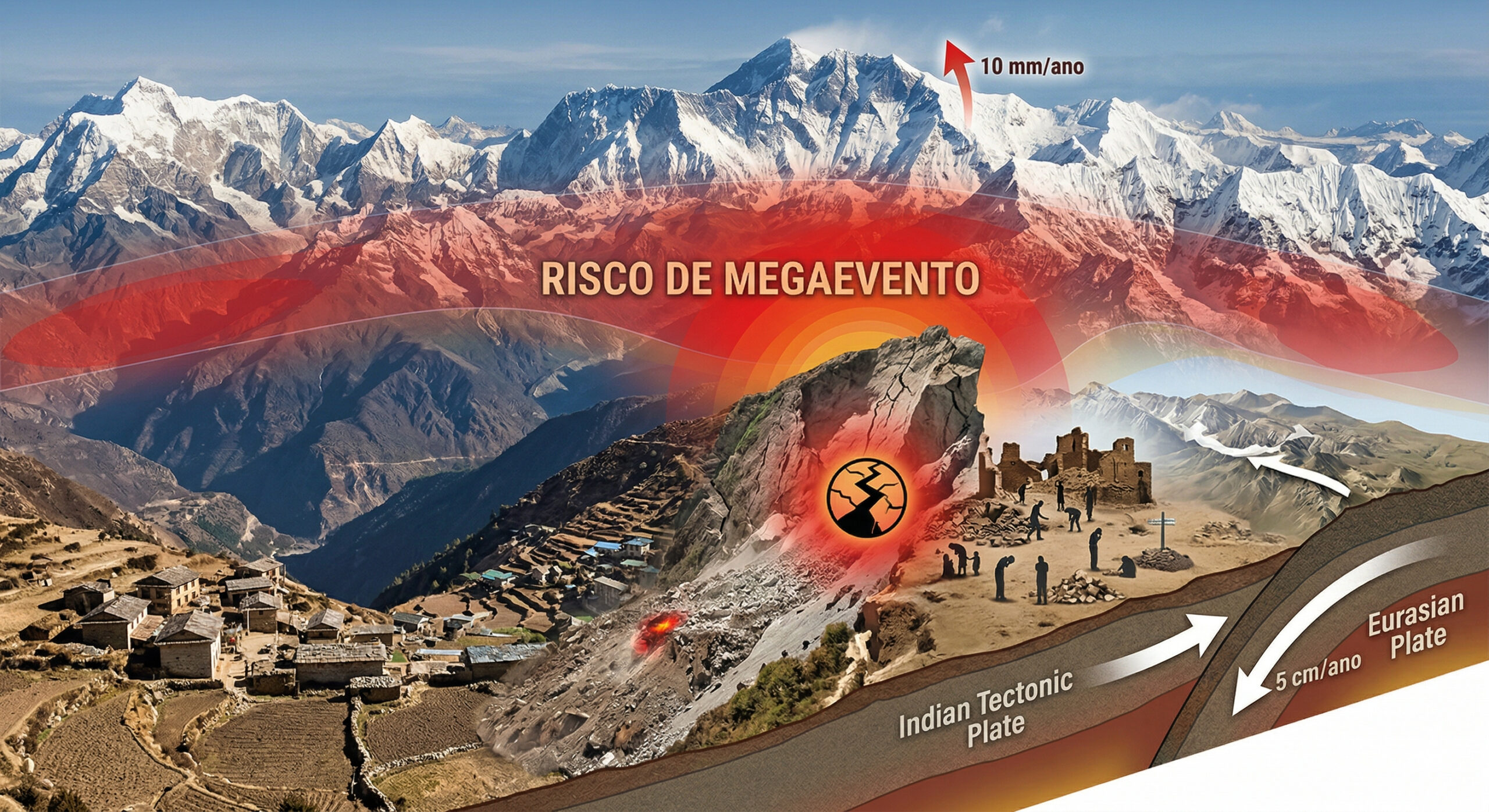
The Himalayas continue to grow to this day, with tectonic plates advancing 5 cm per year, mountains rising up to 10 mm annually, and the 2015 earthquake that killed 9,000 people may have increased the risk of an even larger seismic mega-event.
-
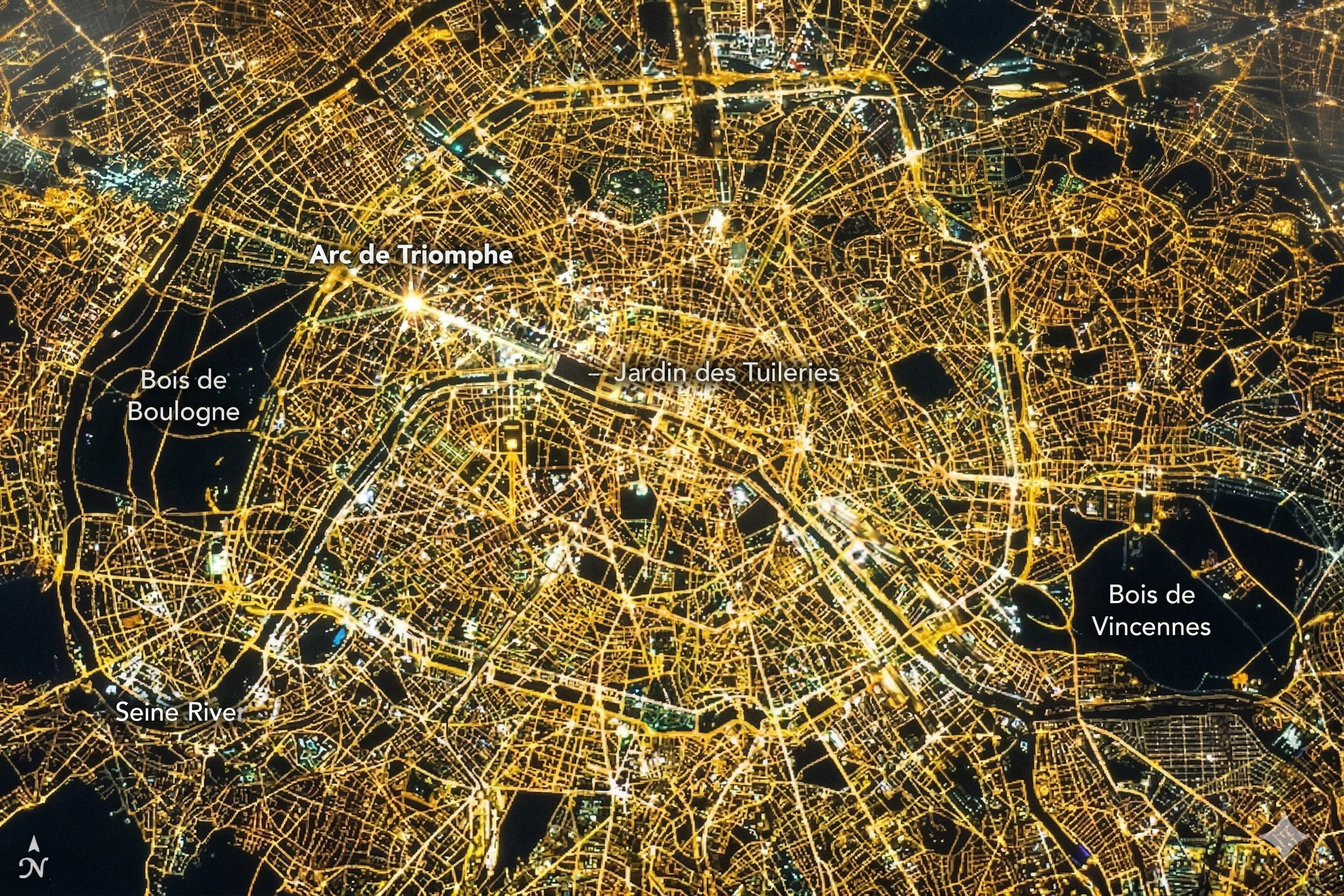
At an altitude of 400 km by astronauts from the International Space Station, Paris transforms at night into a golden mesh so precise that it reveals the outline of the Seine River, avenues, and entire neighborhoods like a luminous map drawn over the Earth.

These “Tentacles” Are Not Just Aesthetic; Each Opening Creates Micro-habitats With Shadows, Variations In Water Flow, And Shelters For Juvenile Fish And Invertebrates.

The NOAA Describes This Type Of Engineering As “Structural Complexity Enhancement”, Which Means Increasing The Physical Complexity Of The Habitat To Accelerate Ecological Succession. In Shallow Waters, This Complexity Serves As An Evolutive Shortcut: Species That Would Normally Need Decades To Recolonize A Reef Can Find Shelter In Just Weeks.
Besides Shape, The Material Also Matters. Replacing Tires And Scrap With Inert Polymers Or Limestone Aids Larval Corals In Establishing Themselves. Many Corals Prefer Limestone Substrates Because Of Their Chemical Affinity With The Construction Of Their Skeletons.
Results Recorded In The Persian Gulf
In The United Arab Emirates, Environmental Projects Documented By Local Newspapers Like The National, And By Conservation Programs From The Environment Agency – Abu Dhabi, Report The Installation Of Hundreds Of Artificial Reefs Over The Past Decade.
The Aim Is Not Just Biodiversity: The Gulf Has Fishing Communities Traditionally Dependent On Species Like Hamour (Epinephelus Coioides) And Snappers, Which Require Burrows And Caves To Complete Their Life Cycle. In Areas Where The Bottom Was Flat, Populations Declined Rapidly.
According To NOAA Data And Environmental Reports, Well-designed Artificial Reefs Can Increase Fish Biomass By Up To 400%, Depending On The Region And Complexity Of The Module. In The Persian Gulf, The Visible Results Include Return Of Small Fish, Increased Microalgae, Presence Of Sponges, And In Some Cases, Young Corals Adhering To The Material.
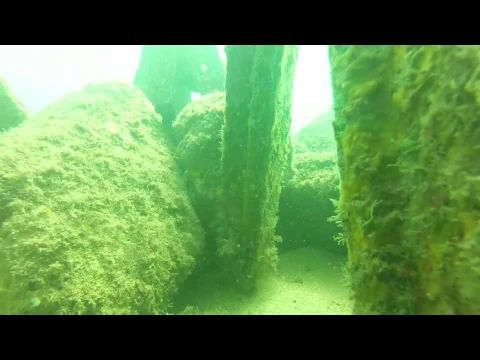
Bahrain Is Also Following This Trend. Local Programs Reported By Regional Media Highlight That The Modules Were Installed In “Dead Zones” Previously Used For Fishing. The Idea Was To Restore The Food Chain: First Come The Algae, Then The Crustaceans And Small Fish, Followed By Larger Predators.
The Experience In Florida Reinforces This Logic. According To The Florida Artificial Reef Program, The State Has Already Installed Over 4,000 Artificial Reefs, Some With Designs Similar To Those In The Gulf, And Recorded Growth Of Juvenile Corals In Well-positioned Structures. The NOAA Documents That These Modules Serve As Natural Nurseries For Grouper, Snapper, And Black Bass, Species Of Commercial Interest.
An Ecological Reconstruction That Does Not Depend Only On Corals
It Is Important To Highlight That Many Regions Where Artificial Reefs Are Being Installed Can No Longer Sustain Traditional Reefs.
The Extreme Temperature And Salinity Of The Persian Gulf, For Example, Make It One Of The Hottest Regions On The Planet, With Water Peaks Exceeding The Survival Limits Of Various Corals.
Therefore, The “Artificial Squids” Function As Functional Substitutes, Even If They Do Not Completely Rebuild The Original Ecosystem. They:
- Create Three-dimensional Shelters
- Increase Larval Retention
- Reduce Predation On Juveniles
- Accelerate Colonization By Algae And Sponges
- Stimulate The Return Of Predators
This Approach Is Referred To By Ecologists As “Habitat Engineering”, And It Differentiates Simple Concrete Blocks From Smart Reefs.
Why This Method Makes Headlines?
Because It Brings Together Design, Bioengineering, Sustainable Fishing, Geopolitical Themes (Gulf), Marine Conservation, And Environmental Technology, A Rare And Highly Visual Combo.
Moreover, This Type Of Content Triggers Four Strong Curiosity Factors:
- It Is Counterintuitive: Plastic And Stone Building Life
- It Has Documented Effects: More Fish → More Biodiversity
- It Is Global: USA, Gulf, Caribbean, Asia, Mediterranean
- It Shows That “Restoring Ecosystems” Is Possible
While Other Ecosystems Collapse, Some Programs Demonstrate That Engineering + Ecology Can Buy Time Against Extinctions And Population Declines.
The “Squid”-style Structures Are Not Underwater Decoration — They Are Ecological Infrastructure. They Emerged As Emergency Replacements For Collapsed Reefs And Became Environmental Reconstruction Tools, Explored Simultaneously By Governments, Universities, And Fishing Technicians.
In A Global Scenario Where Oceans Are Warming, Bleaching Is Increasing, And Species Are Disappearing, These Structures Show That Restoring Is Not Something Mystical Or Abstract — It Can Be As Technical And Concrete As Installing A Port Or An Overpass, Just Under The Sea.








-

-

-

7 pessoas reagiram a isso.