





 Portuguese
  English
  Spanish
  5 min of reading
  3 comments


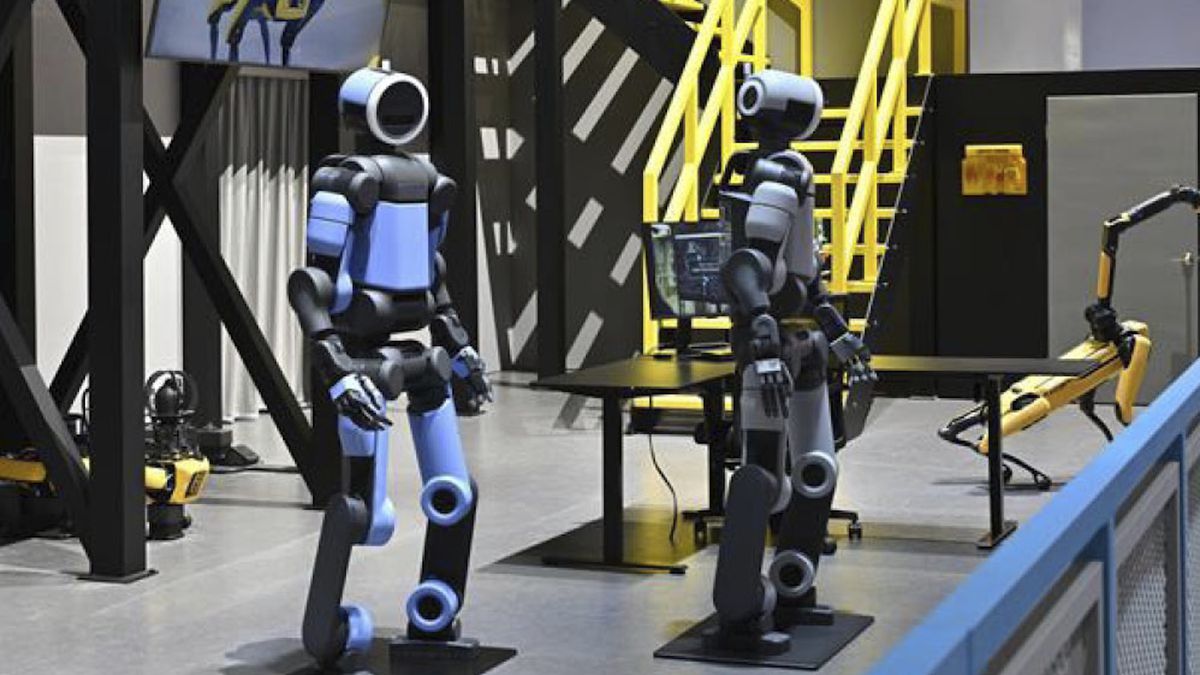


Hyundai Plans to Bring Atlas Humanoid Robot to the Factory Floor in the U.S., with Premier Scheduled for 2028 and Gradual Expansion by 2030, While Other Automakers Also Test Similar Machines and Discuss How to Integrate This Technology into Existing Production Lines.
Hyundai and Boston Dynamics’ Atlas in Automotive Production
Hyundai Motor Group announced it plans to start employing Atlas humanoid robots in one of its factories in the United States starting in 2028, initially using them for repetitive and physically demanding tasks in vehicle production.
According to the portal UOL, the plan presented by the company envisages adoption starting at the automaker’s industrial complex in Savannah, Georgia, with gradually expanded stages as the company validates the safety and stability of the process.
Developed by Boston Dynamics, a company controlled by the group, Atlas was introduced as part of Hyundai’s strategy to increase automation and the use of artificial intelligence in industrial operations.
-
Less than a Tera TSI, up to 710 km of range and charging in 9 minutes: the new BYD Song Ultra expands the Chinese brand’s bet on increasingly faster, more technological, and competitively priced electric SUVs.

-
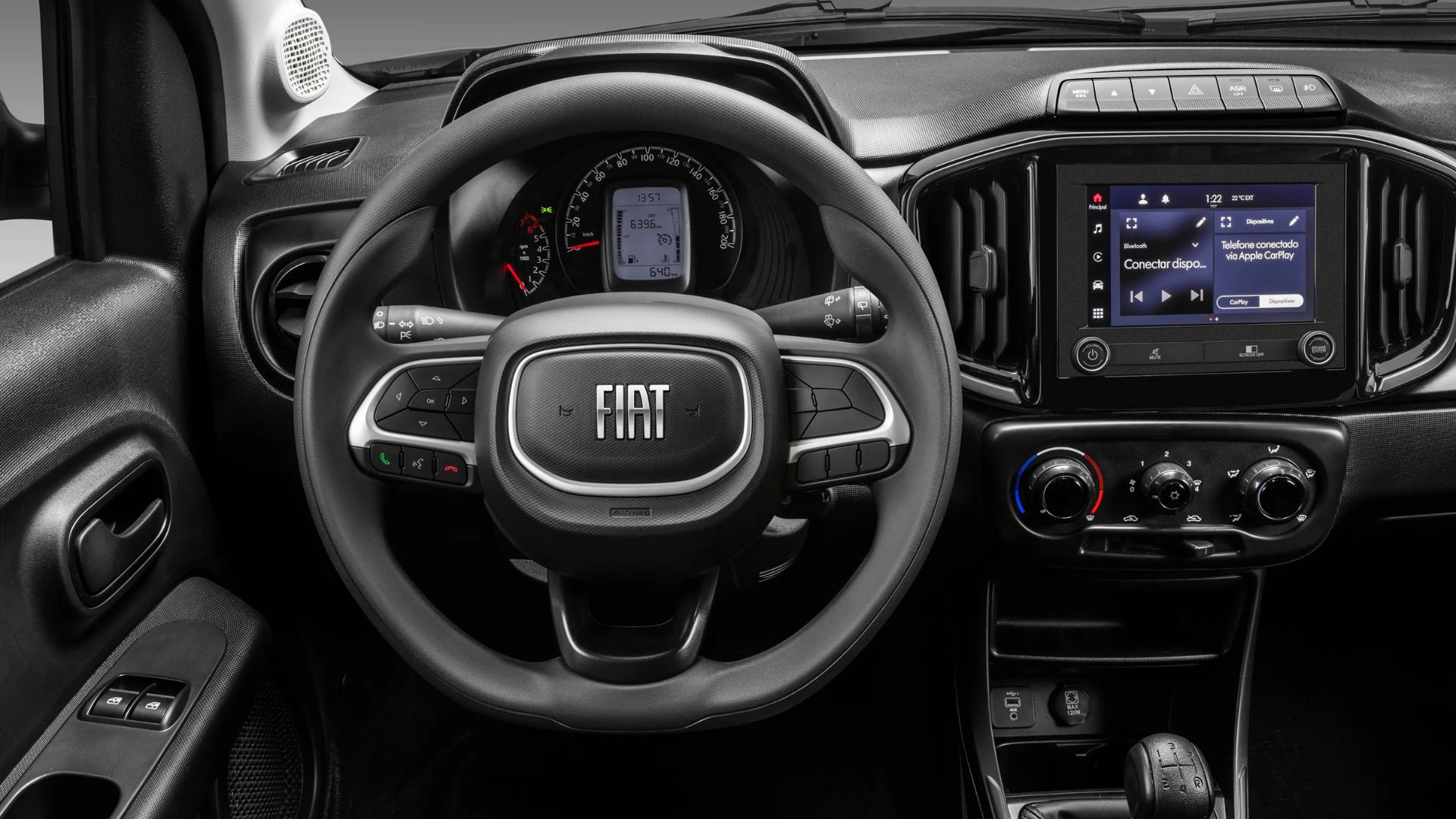
With a 1.0 engine producing 75 hp and costing less than R$ 70,000, Fiat’s car returns to the podium as the cheapest in the country; a temporary promotion for the 2026 Like version reduces the price of the Fiat Mobi.
-
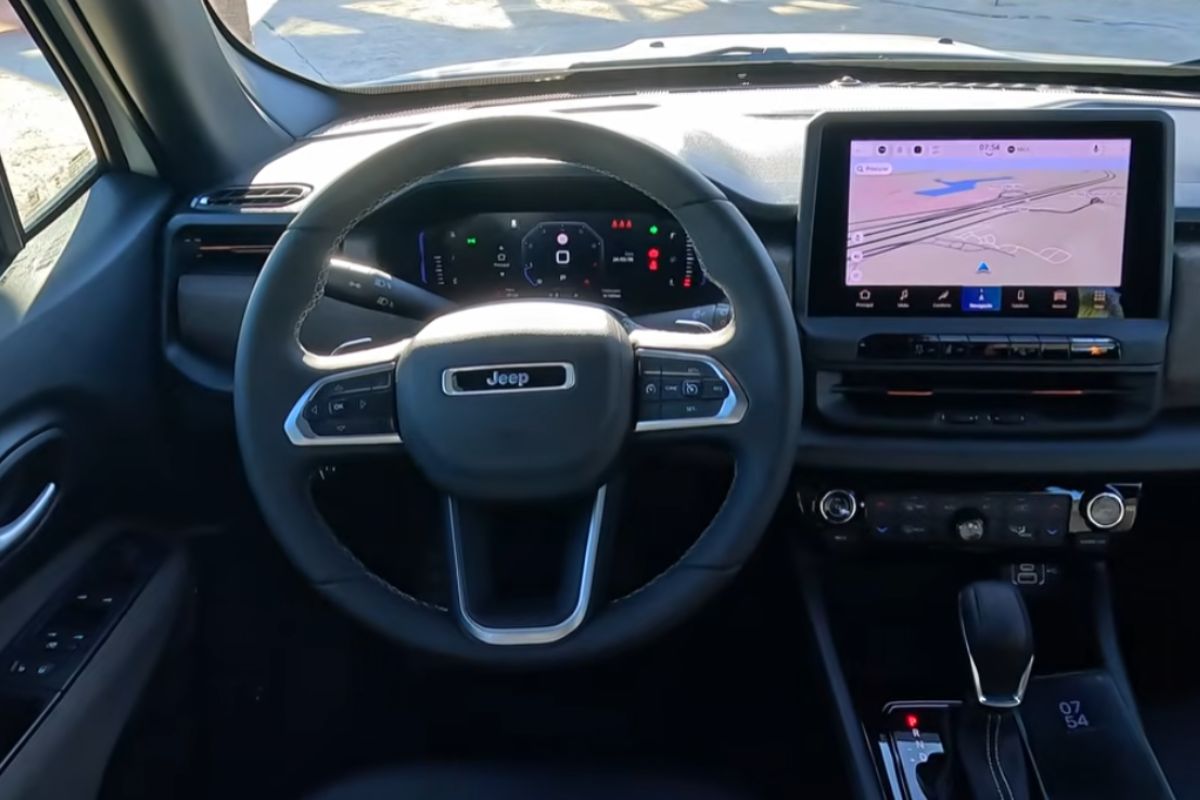
With a mild hybrid system of 48 V, 176 hp and a price of R$ 175,990 in the Sahara version, the new Jeep Renegade changes mostly on the inside, improves slightly in fuel consumption, and remains almost the same car.
-
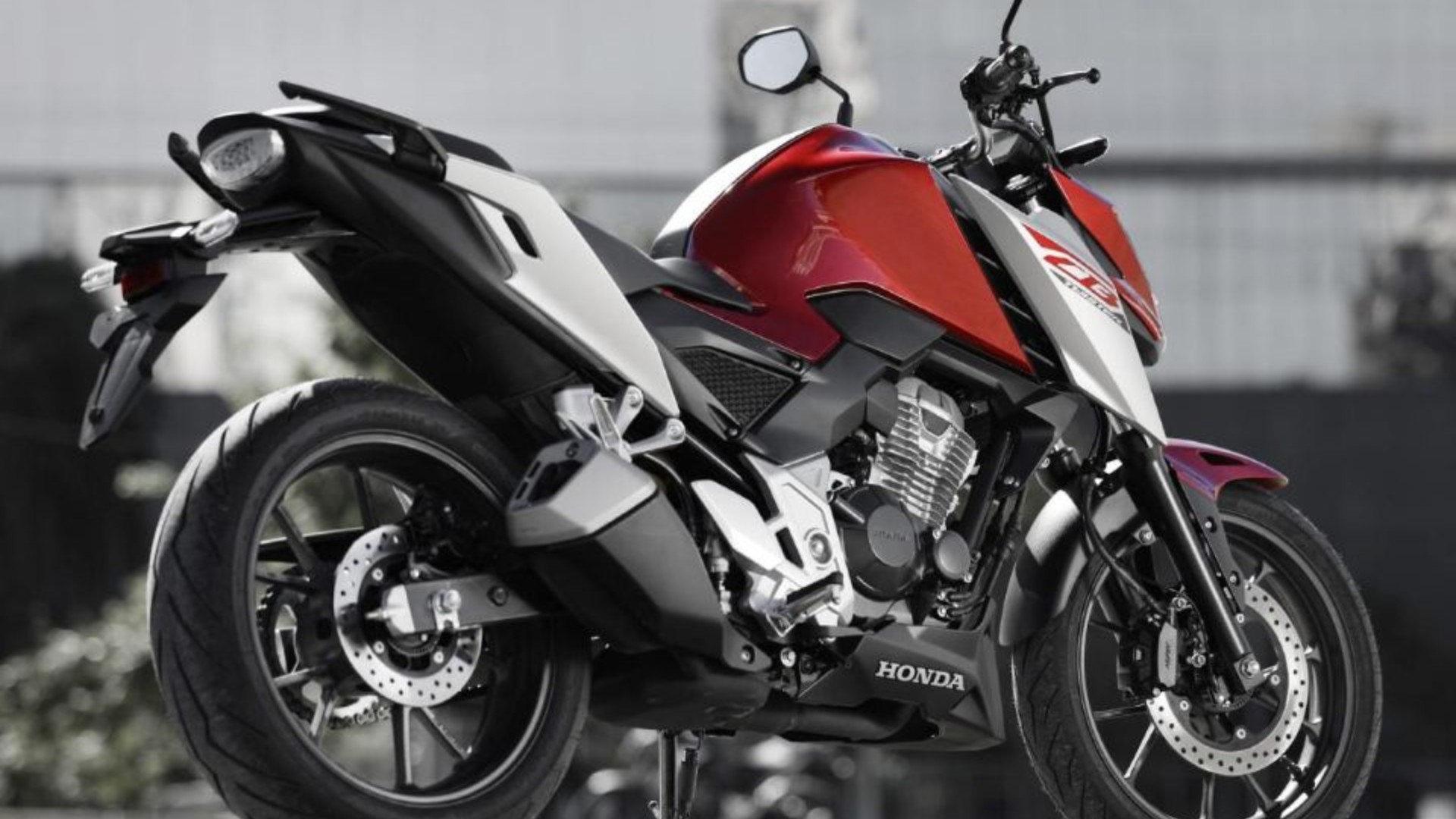
With a 293.5 cm³ engine and a range of up to 400 km with a 14.1-liter tank, the Honda CB 300F Twister 2026 has up to 24.7 hp, an initial price of R$ 25,150, and already exceeds R$ 29,000 in the Fipe Table.

According to the automaker, the goal is to direct the robots to more demanding tasks, while human employees would focus on supervisory and support functions.
What is the Atlas Humanoid Robot and How It Was Presented
Atlas is a humanoid robot created by Boston Dynamics, a company known for mobile robotics projects.
Hyundai describes the model as a humanoid of “general purpose”, designed to work in industrial environments and perform manual tasks.
In recent public demonstrations, the robot was shown at technology industry events.
According to the Associated Press, the live exhibition featured controlled operation, and the proposed advancement was to versions capable of operating with greater autonomy in factory environments.
When presenting the project, Hyundai stated that Atlas was designed to operate in existing industrial structures, adapting to routines and changes in demand.
“Atlas is built to integrate into pre-existing factories, ensuring flexibility by adapting to the needs that arise from businesses while ensuring safety, reliability, and predictability,” stated the company in released materials about the robot.
Atlas Specifications: Load, Temperature, and Battery
In data released by Hyundai and in reports about the announcement, Atlas is described as capable of carrying up to 50 kilograms.
A range of operation was also presented, with temperatures from -20°C to 40°C, indicated as compatible with various conditions in industrial plants.
The company also indicated that the robot should be able to change its own battery, which, in theory, reduces downtime for recharging and facilitates use in extended shifts.
Hyundai did not provide a unit price and did not detail, at the same level, how the configuration of the embedded artificial intelligence system will be, aside from indicating partnerships to enhance safety and performance.
Timeline: Premier in 2028 and Expansion Starting in 2030
According to the timeline released by the company and reported by international outlets, the first stage is scheduled for 2028, at Hyundai Motor Group Metaplant America in Savannah.
The initial phase envisions activities such as parts sequencing, a type of organization and supply of components throughout production.
Starting in 2030, Hyundai stated it aims to expand operations to component assembly, incorporating new functions as results are confirmed based on criteria such as quality, safety, and stability of the process.
The idea, according to the company, is for robots to take on repetitive and heavy-load tasks, while people focus on control, maintenance, and supervision.
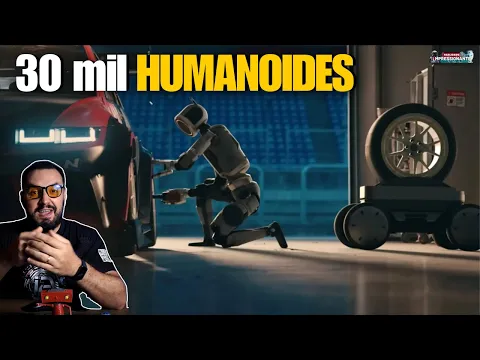
In the announcement, Hyundai also communicated its intention to set up an industrial structure dedicated to the manufacture of robots, with a capacity to produce 30,000 units per year by 2028.
The company presented this scale as part of the plan to expand use in other units in the future but did not detail which factories, besides the plant in Georgia, would receive Atlas next.
BMW, Mercedes, and Tesla Also Test Humanoid Robots
Hyundai’s move comes as different manufacturers and robotics companies try to demonstrate practical use of humanoids in productive environments.
In the automotive industry, traditional industrial robots have been performing welding, painting, and moving parts for years, but the recent focus has been on placing human-shaped machines in areas designed for people.
In the case of BMW, the automaker reported that it conducted tests with the Figure 02 at its factory in Spartanburg, United States.
According to the company and the robot manufacturer, the humanoid was used to manipulate and position metal sheet parts in a specific device, in a stage related to body production.
Mercedes-Benz also announced tests with humanoids and, according to Reuters, invested in Apptronik, the company responsible for the Apollo robot.
The evaluations, according to the report, included tasks such as moving components and initial quality checks at facilities in Germany and Hungary, with training by teleoperation so that the robot can learn tasks from human commands.
Meanwhile, Tesla continues to promote the development of Optimus, its humanoid robot project.
In official videos released by the company, a demonstration shows the robot manipulating an egg without breaking it, with the company indicating the presence of tactile sensors in the fingers to control the applied force during the movement.

Impact on the Factory Floor and Supervisory Functions
Justifying the adoption, automakers have highlighted the potential to reduce physical effort and repetition in specific tasks.
In Hyundai’s case, public discourse associates the strategy with a safer work environment, with some employees transitioning to supervisory, maintenance, and operational oversight roles.
Reports on the presentations of Atlas also noted that the topic raises questions about employment and the actual pace of large-scale adoption.
According to the Associated Press, experts point to current limits related to dexterity, reliability at scale, and costs, indicating that viability is likely to depend on well-defined tasks and rigorous safety controls.
Hyundai, for its part, has argued that automation could open demand for new professional profiles aimed at operation, maintenance, and training of systems.
At the same time, the company acknowledges that the introduction of humanoids into the process requires progressive validation, as the robot will operate in areas where people and equipment are in constant motion.
With the schedule indicating a start in 2028 and expansion from 2030, the implementation of Atlas will be monitored by internal metrics such as safety, quality, and process stability, in addition to productivity and equipment availability.








A Ganância cega e emburrece o ser Humano, o sistema Capitalista está se auto destruindo e quando a massa se revoltar vai destruir tudo isso.
Viva os Robôs, enquanto isso vamos morrer de fome 🤠🌿💖
Todas as companhias robotizando fabricação, desempregando os humanos, venderão para quem? Será que os robôs humanoides comprarão os produtos que produzem?