





 Portuguese
  English
  Spanish
 3 min of reading
  0 comments


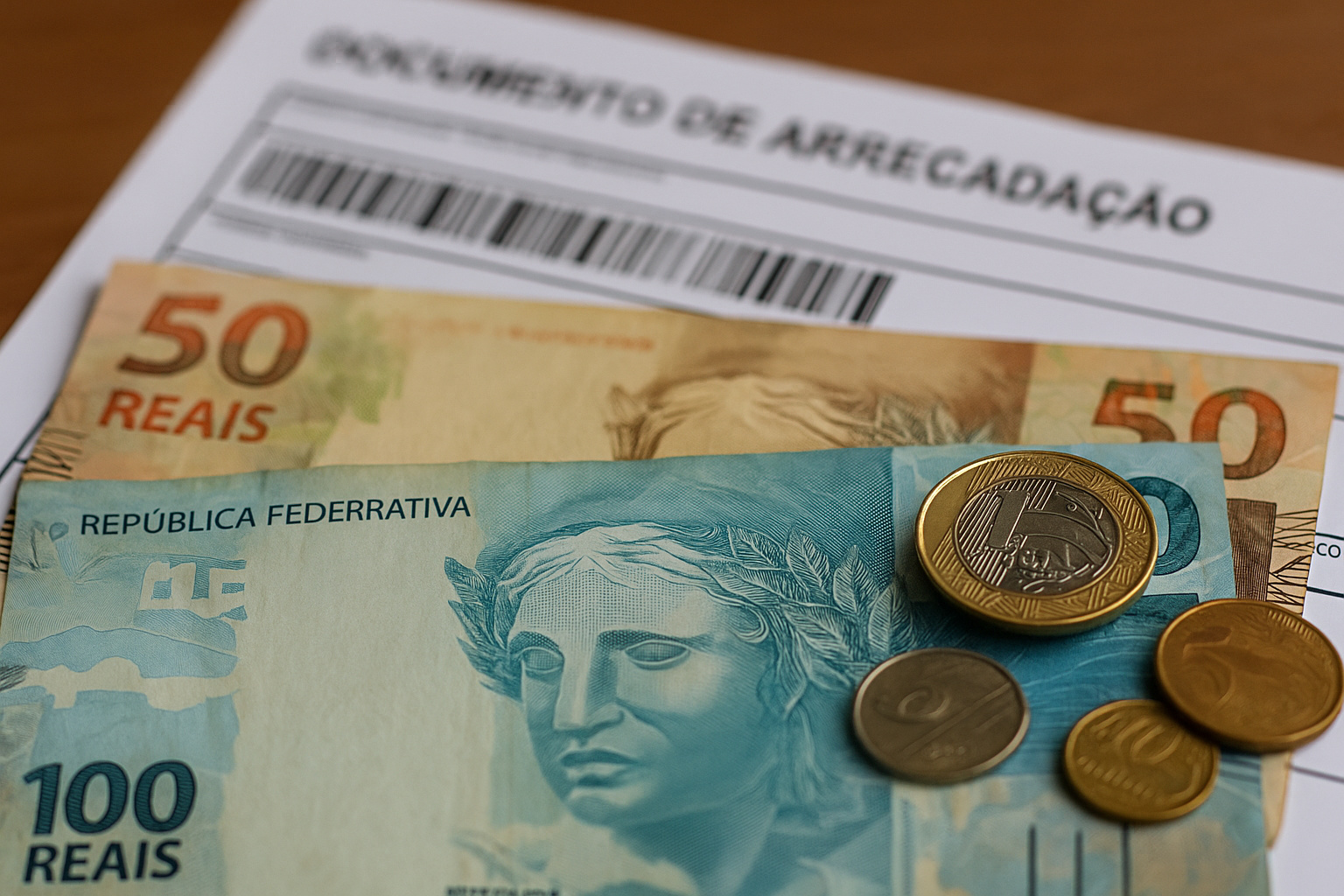
Experts Analyze Payment Options for IPVA 2026, Highlight Discount Effects, Compare Investment Returns, and Explain Access to DARJ and the Official Payment Process in the State of RJ
The calendar for IPVA 2026 was released in December 2025. Vehicle owners in the State of Rio need to decide between paying in full, with a 3% discount, or splitting it into three installments, with no discount. The due dates start on January 21, 2026, as reported by the State Department of Finance. Many drivers are evaluating which option makes the most sense for their budgets.
Payment of IPVA 2026 and Financial Analysis by Experts
The release of the calendar reinforces the need for planning since December 2025. Interviewed experts, such as the economist André Mirsky, state that, in many cases, both payment options can have a similar impact. According to Mirsky, the yield from a CDB that pays approximately 100% of the CDI can generate close to 1% per month, as the Selic rate remains around 15% per year. Therefore, he explains that if the driver invests the amount they would use to pay the IPVA upfront, the monthly return may approach the 3% discount. Additionally, Mirsky points out that savings accounts yield less, which reduces attempts at financial compensation. He also reminds that January tends to concentrate significant expenses for many families.
Academic Assessment on Investment Returns
Professor Graziela Fortunato from IAG of PUC-Rio, consulted in November 2025, presents a complementary calculation. According to her, a low-risk investment with an annual return of 15%, after Income Tax, would yield approximately 0.8% per month, which is an insufficient return to exceed the discount offered for upfront payment. Thus, Graziela states that early payment is more beneficial, but only for those who already have the full amount available. She emphasizes that it is not worth taking out a loan to secure the discount, as the interest charged would be higher than the savings achieved.
-
The noise law will no longer be in effect at 10 PM starting in June with a new rule valid during the 2026 World Cup.

-
The Chamber opens a debate on driver’s licenses at 16 years old as part of a reform that includes around 270 proposals to change the Brazilian Traffic Code and may redesign rules for licensing, enforcement, and circulation in the country.

-
The new Civil Code could revolutionize marriages in Brazil with “express divorce” and changes that could exclude spouses from inheritance.
-
Banco do Brasil sues famous influencer for million-dollar debt and intensifies debate on delinquency, risks of seizure, and direct impact on Gkay’s credibility.


Official Schedule and Payment Rules in the State of Rio
The schedule for IPVA 2026 starts on January 21, when both the single payment and the first installment for license plates ending in 0 are due. Additionally, payments can be made via Pix, at any financial institution, or with a barcode at partner banks: Bradesco, Itaú, Santander, and Sicoob. To make the payment correctly, the taxpayer must issue the Tax Collection Document of the State of Rio de Janeiro (DARJ), available exclusively on the official website of Sefaz-RJ. The state government has warned since December 2025 that searches in tools like Google can lead users to fake pages created by scammers. Therefore, it is recommended to access only the address provided by Sefaz-RJ. On the portal, the driver must select “DARJ IPVA Issuance,” enter the Renavam, and generate the document. The DARJ will be available in the first days of January 2026, allowing for advance organization. For payments via Pix, it is necessary to confirm the CNPJ 42.498.675/0001-52 and the beneficiary “SEFAZ RJ – State Department of Finance of RJ”, ensuring security in the transaction.
Payment Dynamics and Impact on Financial Organization
The three-installment payment plan (January, February, and March) offers an alternative for those who need to spread expenses throughout the quarter. Nevertheless, experts assure that the choice entirely depends on each taxpayer’s financial situation. Thus, those who have the full amount tend to take better advantage of the discount, while those managing monthly expenses may prefer the installment plan to avoid budget strain.
General Understanding of the Choice Between Discount and Installments
The set of analyses presented by economists and the university indicates that there is no universal answer, as each taxpayer faces different financial realities. For the experts, the decision depends on the balance between household budget, payment capacity, and objective assessment of financial returns.









-

-

6 pessoas reagiram a isso.