





 Portuguese
  English
  Spanish
  3 min of reading
  0 comments



If PLP 12/2024 is Approved, App Drivers and Delivery Workers Will Be Entitled to Minimum Wage, INSS Contribution, and New Labor Guarantees, Changing the Future of Platform Work in Brazil.
The Complementary Law Project No. 12/2024, submitted by the Federal Government to Congress on March 4, 2024, promises to forever change the reality of professionals working with transportation and delivery apps in Brazil. The proposal, developed by the Ministry of Labor and Employment (MTE) in partnership with major digital platforms and unions, creates a new legal framework aimed at balancing autonomy and social protection.
The initiative arose after lengthy negotiations between government representatives, companies such as Uber, 99, and iFood, and worker entities. The text proposes an unprecedented legal framework for the sector, which currently has over 1.6 million professionals without a formal link and without access to social security or labor rights.
What Changes with PLP 12/2024
If approved, the project will create the figure of the “platform autonomous worker”, a new legal classification that recognizes the category and guarantees benefits previously restricted to formally employed workers. Among the proposed changes are:
-
The noise law will no longer be in effect at 10 PM starting in June with a new rule valid during the 2026 World Cup.

-
The Chamber opens a debate on driver’s licenses at 16 years old as part of a reform that includes around 270 proposals to change the Brazilian Traffic Code and may redesign rules for licensing, enforcement, and circulation in the country.

-
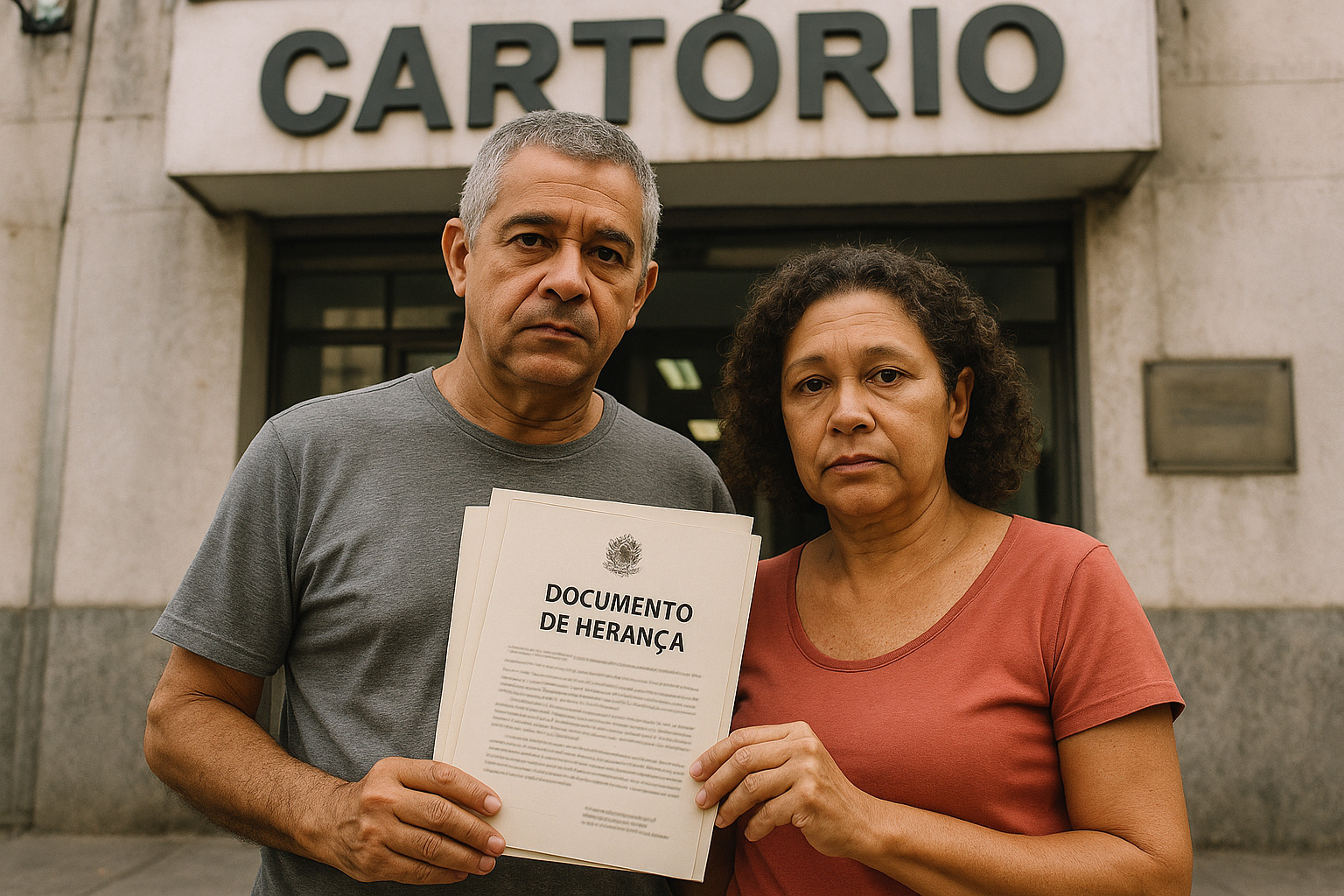
The new Civil Code could revolutionize marriages in Brazil with “express divorce” and changes that could exclude spouses from inheritance.
-
Banco do Brasil sues famous influencer for million-dollar debt and intensifies debate on delinquency, risks of seizure, and direct impact on Gkay’s credibility.


- Mandatory INSS contribution, shared between the worker and the company, ensuring access to benefits such as sick leave, retirement, and pension.
- Minimum wage per hour worked, never lower than the proportional value of the minimum wage.
- Insurance against accidents and death, funded by the platforms.
- Transparency in algorithms, requiring explanations for blocks, scoring, and ride distribution criteria.
- Prohibition of unjustified blocks, ensuring the right to defense in case of account suspension.


These measures aim to reduce the vulnerability of workers and ensure a more predictable income, without taking away the flexibility that characterizes app work.
Why the Project Generates Debate
The text divides opinions. Companies argue that the new obligations may increase costs and reduce the profitability of the model, impacting the final price for consumers. Unions view the project as a historic advancement, capable of providing security to millions of Brazilians who rely on these apps to survive.
The Minister of Labor, Luiz Marinho, defended the proposal, stating that Brazil could become a global example:
“The country will be one of the first in the world to create a modern social protection system, without taking away the freedom of workers, while ensuring dignity and basic rights.”
Social and Economic Impact
With over 1.6 million active professionals, according to IBGE, the approval of PLP 12/2024 will expand the base of contributors to Social Security and ensure access to rights such as retirement and sick leave. The proposal is also expected to reduce informality and increase social security revenue.
Furthermore, the project is seen as a response to the growth of platform work, which already represents a significant slice of the national economy and generates billions of reais each year.
Current Situation
PLP 12/2024 is currently in process in the Chamber of Deputies, under the analysis of the Labor Commission, and is expected to be voted on in 2025. If approved, it will proceed to the Federal Senate before being sanctioned by the President of the Republic.
If it becomes law, Brazil will take a decisive step toward modernizing its labor legislation, balancing freedom, dignity, and social security for those who live from driving and delivery.










Seja o primeiro a reagir!