





 Portuguese
  English
  Spanish
  5 min of reading
  0 comments



With Residents Living Up to 15 Years Longer Than the Global Average, Ikaria, Greece, Intrigues Science With Extreme Longevity and Rare Rates of Chronic Diseases.
In different parts of the world, life expectancy is slowly advancing, pressured by lifestyle changes, urban stress, chronic diseases, and social transformations. But there is a specific place — a small island in the Mediterranean — where the pace of life seems to follow a different logic, and where the residents not only live longer but live well. Researchers call this phenomenon “sustained extreme longevity,” and classify it as one of the most fascinating mysteries of modern preventive medicine. It is Ikaria, in Greece, one of the regions recognized as a “Blue Zone,” areas of the planet with an unusual concentration of people who reach their 90s and 100s in full physical, cognitive, and social activity.
Over the past 20 years, scientific teams from the National Geographic Society, University of Athens, Harvard T.H. Chan School of Public Health, and Blue Zones Project have conducted surveys on health, diet, and genetics of Ikarians. What the data shows is surprising: there, a significant portion of the population lives 10 to 15 years longer than the average in Western countries, with extremely low incidence of cardiovascular diseases, diabetes, depression, and dementia — including Alzheimer’s.
A Place Where Aging Occurs Differently
The first question researchers tried to answer is the most obvious: how does a region with modest income, a Mediterranean climate, and a population living off fishing, farming, and small commercial activities achieve such impressive longevity results?
-
At 73.8 meters tall, the world’s tallest teapot-shaped building has 15 floors, ensures stability, and impresses with an internal space of 28,000 cubic meters.

-
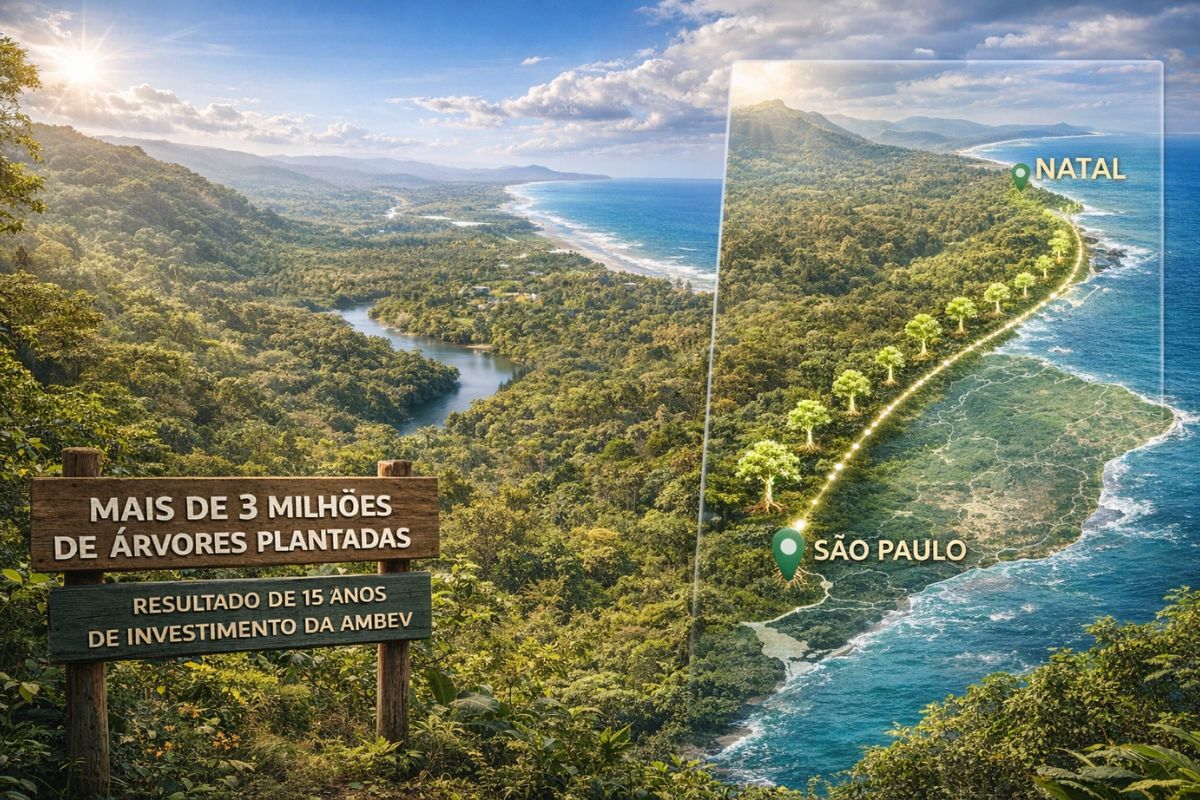
Ambev has planted over 3 million trees and restored an area equivalent to the coastline from São Paulo to Natal, and the result after 15 years of silent investment has finally appeared for all of Brazil to see.
-
A new AI collar technology for cattle eliminates physical fences, creates virtual barriers, monitors animals 24/7, and detects changes in behavior and health.

-
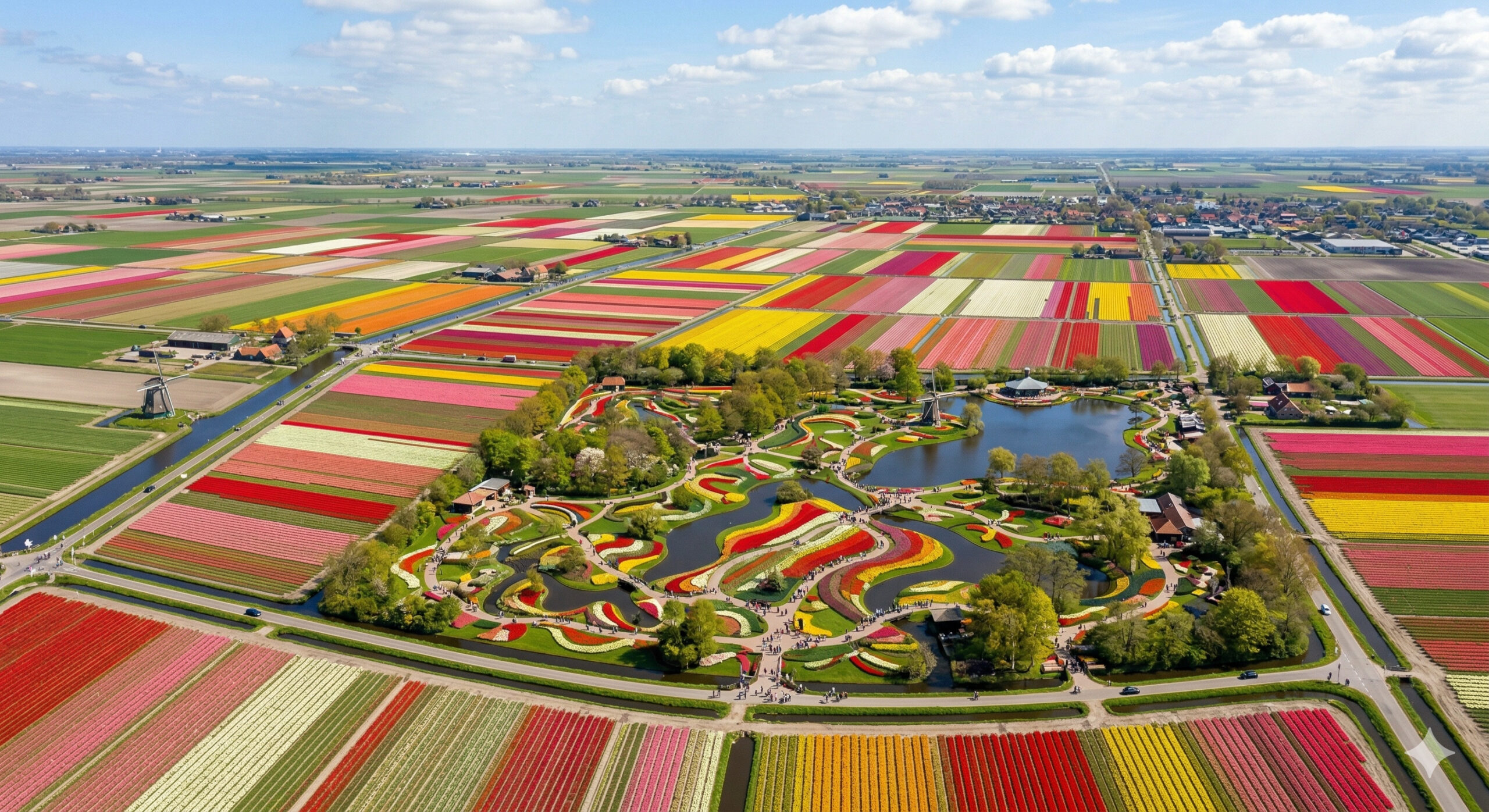
For a few weeks each year, an entire country blooms with billions of tulips, creating a mosaic of colors visible from the sky, while a single garden gathers more than 7 million flowers and attracts visitors from around the world to one of the most impressive shows in Europe.
The answer, it seems, does not lie in a single factor but in a precise combination of biological, social, environmental, and behavioral elements.


Ikarians maintain habits that today seem almost impossible in large urban centers: a slow pace, regular sleep, strong community ties, a diet based on natural ingredients, and physical activities integrated into daily life. According to studies conducted by Dan Buettner, responsible for the concept of “Blue Zones,” Ikarians age more uniformly: they not only extend life but also postpone diseases for decades.
In clinical surveys published in the Journal of the American College of Cardiology, researchers found that the island has one of the lowest mortality rates from heart diseases in Europe. Additionally, according to data from the Hellenic Public Health Foundation, the incidence of dementia is up to 90% lower than the average in the United States.
Diet: The Diet That Protects the Brain and Heart
The Ikariadiet gained worldwide attention after nutritional studies revealed its peculiar composition. Unlike the “classic Mediterranean diet,” the local eating pattern has unique characteristics:
- very high consumption of bitter vegetables rich in antioxidants;
- extra virgin olive oil produced on the island;
- beans, lentils, and chickpeas as the protein base;
- raw honey, often used as a sugar substitute;
- herbal teas, especially rosemary, sage, and marjoram;
- low consumption of red meats;
- almost no ultra-processed foods.
The moderate consumption of wine, especially the Ikaria wine produced artisanally, is also pointed out as a cardiovascular protective factor, according to comparative studies conducted by the University of Athens.
But the most curious element is the habit of taking herbal infusions — not as medicine but as an integral part of the routine. Biochemical analyses show that these plants have anti-inflammatory, diuretic, and antioxidant properties that help control blood pressure and strengthen the immune system.
Sleep, Rest, and the “Slowed Biological Clock”
Ikarians follow different schedules than the rest of the Western world. They go to bed early, wake up early, and still take small naps throughout the day. Researchers at Harvard Medical School estimate that short, regular naps can reduce the risk of heart disease by up to 37% over a lifetime.
This slower pace — often referred to by residents as ikariotiko tempo — reduces constant levels of cortisol, a hormone associated with chronic stress. Studies published in the journal Sleep Medicine show that this routine helps preserve brain functions and protects against accelerated cognitive decline.
The Role of Social Bonds and Community
Another central element to explain Ikaria’s longevity is the strength of community life. On the island, it is common for neighbors to help each other daily, families live in close proximity, and the elderly actively participate in social, religious, and festive events.
Research from the Blue Zones Project shows that strong social ties can increase life expectancy by 5 to 10 years, reducing isolation, depression, and systemic inflammation — factors associated with chronic diseases and early death.
In Ikaria, almost no one lives alone in old age, creating a rare network of emotional protection in the modern world.

Environment, Nature, and Geography as Health Factors
The island’s topography is mountainous, and most residents walk daily on inclines and trails. This creates a level of natural, continuous, low-intensity physical activity — considered by the WHO one of the most protective standards against cardiovascular diseases.
Low air pollution and water quality are also elements that influence health indicators. According to environmental studies from the Hellenic Environmental Association, Ikaria has one of the lowest agricultural contaminant indices in the Mediterranean.
Science Tries to Decode the “Ikaria Paradox”
Despite all these mapped elements, researchers still acknowledge that there is an unexplained component. Part of the population seems to exhibit rare genetic characteristics that protect against chronic inflammation, accelerated aging, and neurodegenerative diseases.
Genomic studies conducted by the University of Athens suggest that specific combinations of variants associated with lipid metabolism and antioxidants may play a significant role — although science is still far from clarifying everything.
What Ikaria Teaches the World
The island proves something essential: longevity depends not only on advanced medicine but on culture, pace of life, and integration of body, mind, and environment. As health systems in developed countries try to cope with the explosion of chronic diseases, Ikaria shows that prevention can lie in simple, consistent practices deeply rooted in daily life.
For science, Ikaria remains a living laboratory. For the rest of the world, it is an example that living longer and better is possible — as long as a life is built where food, movement, rest, and community walk together.








-

-

3 pessoas reagiram a isso.