





 Portuguese
  English
  Spanish
  4 min of reading
  0 comments


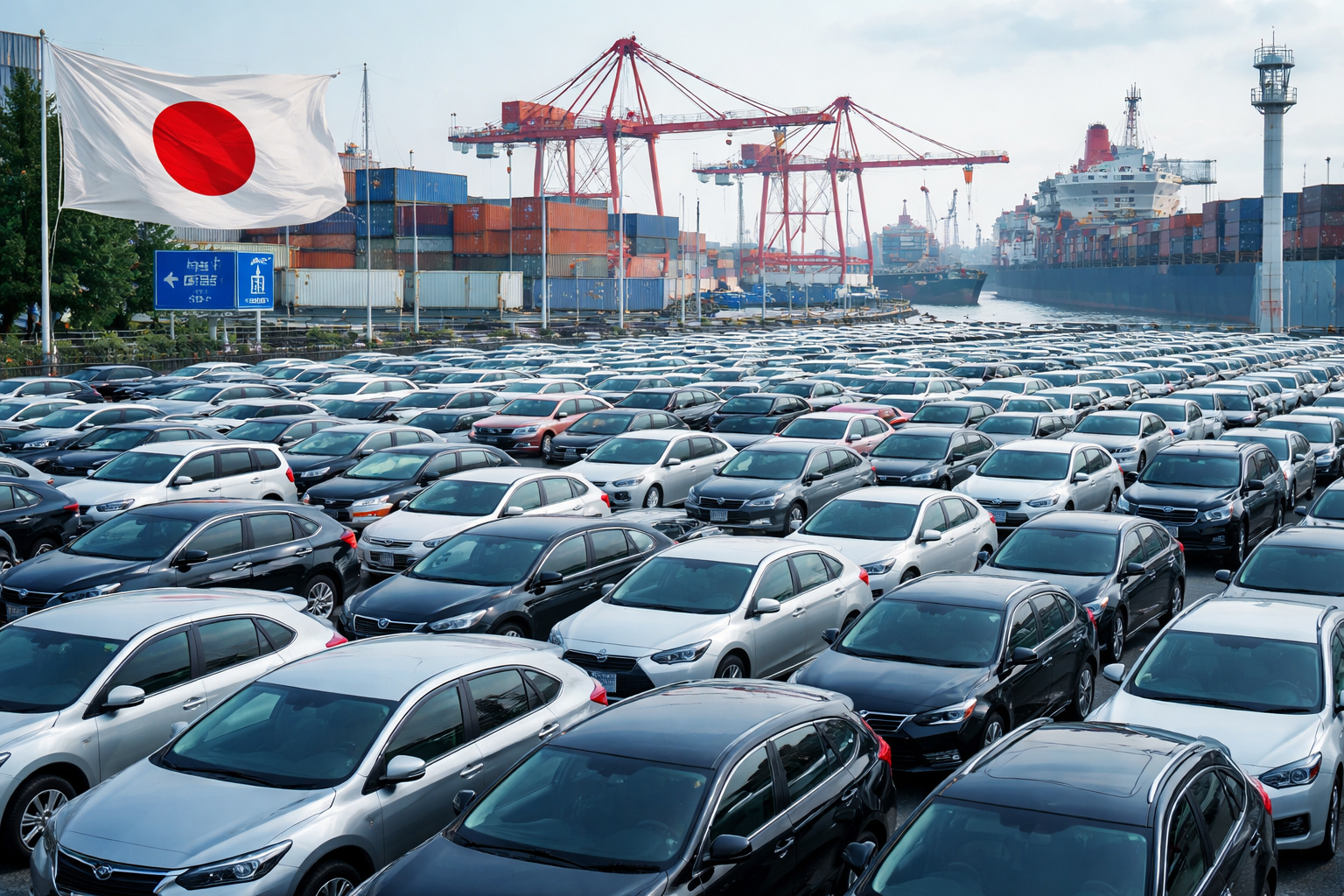
In Japan, The Rigid Shaken System Drives Up Vehicle Maintenance Costs And Leads To Mass Exportation Of Cars In Perfect Condition To Other Countries.
For those living in Brazil or other Western countries, the idea seems absurd: cars in perfect condition, with only a few years of use, being discarded or exported en masse. In Japan, this not only happens but is part of the logic of the system. The reason for this phenomenon has a name, strict rules, and a global impact: the Shaken system.
What sounds like waste to many is, in fact, the result of a combination of laws, culture, economy, and long-term vision, which has turned Japan into one of the largest suppliers of used cars in the world — even being a country obsessed with quality.
What Is The Shaken And Why Does It Exist
The Shaken is the Japanese mandatory vehicle inspection system. It was created to ensure that only vehicles in practically perfect condition are allowed on the streets, reducing accidents, emissions, and mechanical failures.
-
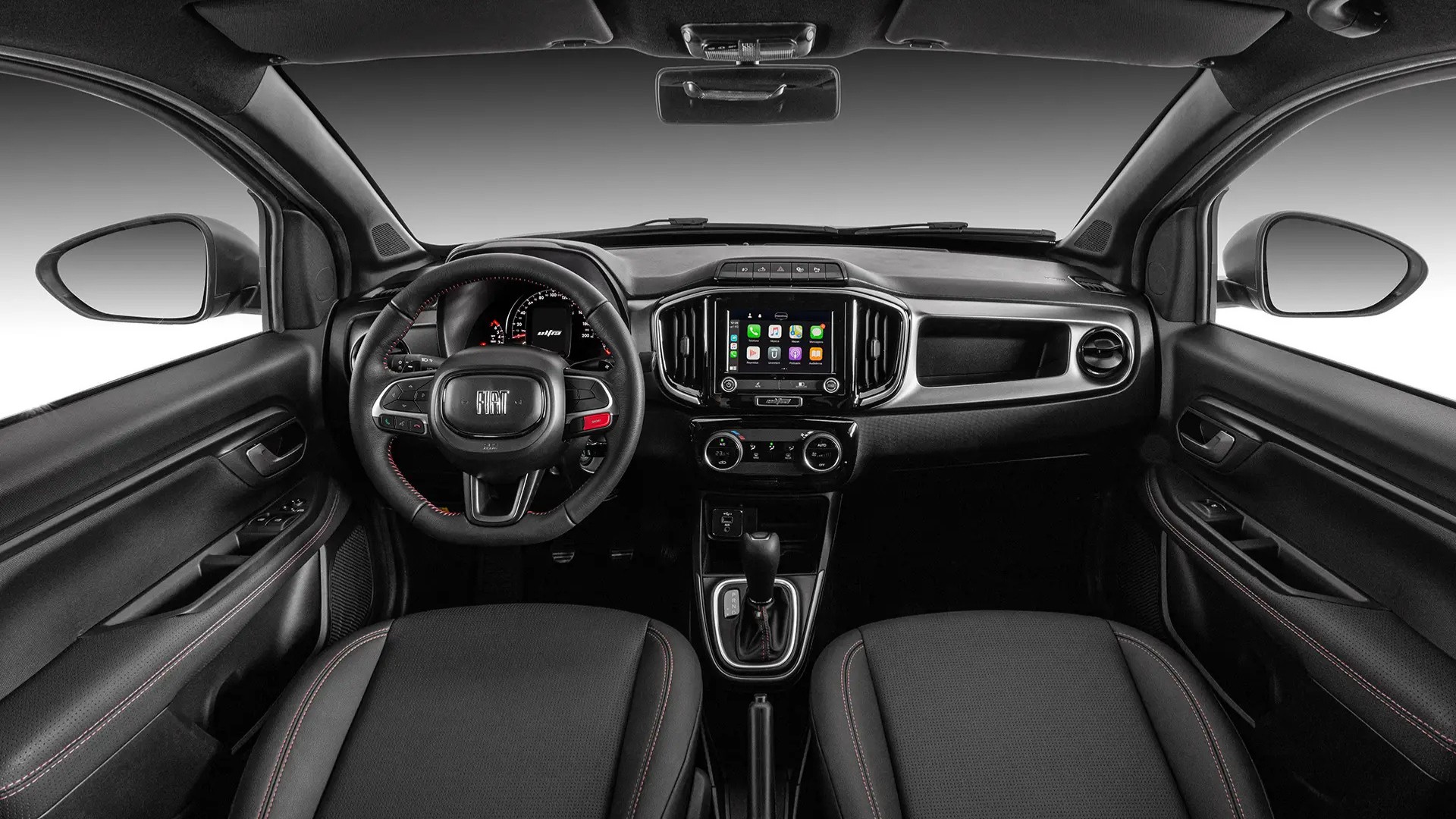
With a 1.3 engine, nearly 700 km of range, and Turbo 200, the Fiat model surpasses Polo, Tera HB20, and Onix, becoming the best-selling car in March; see the numbers for the Fiat Strada and others.
-
The Honda Fit has been discontinued for years, but the 2018 model is worth more today in the Fipe table than it cost brand new, proving that this used car, valued with a 1.5 i-VTEC engine and Magic Seat, only increases in price.

-
Volkswagen unveiled the 2027 Atlas with a 282-horsepower EA888 turbo engine, a 15-inch screen, massage seats, and a completely new interior to finally elevate the three-row SUV built on the MQB platform to a new level.

-
After decades out of the spotlight, Citroën is preparing to bring back the legendary 2CV as a low-cost electric vehicle, betting on the revival of one of the most popular cars in history and aiming to enter the race for affordable compact cars.


The inspection is extremely rigorous and assesses:
- pollutant emissions,
- noise,
- suspension,
- brakes,
- steering,
- lighting,
- structural integrity,
- leaks,
- compliance with original standards.
No “quick fixes”. If something is not exactly within the norm, the car does not pass.
Why The Shaken Makes Maintaining A Car Expensive
The main point is not just the inspection itself, but the accumulated cost of keeping an approved car over the years.
After the first few years, the Shaken becomes required more frequently, and each renewal involves:
- high government fees,
- specialized labor,
- preventive replacement of parts,
- progressive taxes based on the age of the vehicle.
In practice, there comes a time when paying for the Shaken costs more than replacing the car.
Preventive Maintenance Taken To The Extreme
In Japan, parts are not waited to break before being replaced. The system encourages preventive replacement, even if the component is still functioning.
This means that:
- shock absorbers are replaced before they fail,
- brakes are replaced with a buffer,
- hoses, bushings, and sensors are renewed as a precaution.
The result is curious: the car functions perfectly, but becomes economically unviable to maintain under the rules.
Japanese Culture: The New Is Safer Than The Old
Besides the law, there is the culture. In Japan, newer cars are seen as:
- safer,
- cleaner,
- more reliable,
- more socially responsible.
Using an old car is not a sign of status or frugality. In some contexts, it can be seen as lack of care or being outdated.
This further accelerates the exchange cycle.
The Collateral Effect: Mass Exportation
The direct result of the Shaken is a gigantic surplus of vehicles technically excellent, but unwanted in the domestic market.
These cars are then:
- sold at auctions,
- exported to Africa, Latin America, Southeast Asia, and Oceania,
- dismantled for parts,
- resold with low mileage.
This is why so many used Japanese cars end up in other countries with:
- flawless history,
- rigorous maintenance,
- almost new appearance.
Why Do These Cars Last So Long Outside Japan
When these vehicles arrive in other countries, the logic changes completely.
Without the Shaken:
- the cost of maintenance drops drastically,
- inspections are less rigorous,
- extreme preventive replacement is no longer mandatory.
The car, which in Japan “was no longer worth it,” starts to run another 10, 15, or 20 years in other markets.
It’s Not Waste: It’s A System Designed For The Collective
From the Japanese perspective, the Shaken is not irrational. It:
- reduces accidents,
- decreases pollution,
- keeps the fleet modern,
- encourages innovation,
- sustains a recycling and export industry.
The individual cost is high, but the collective gain is seen as compensation.
The Japanese Paradox
Japan created such an efficient system that produces cars too good for the country to maintain. They work, are reliable, quiet, and safe — but no longer fit into the local economic and legal logic.
What for the Japanese is an “old” car, for the rest of the world is a find.
The Shaken system shows how laws and culture completely shape a car’s destiny. In Japan, functioning is not enough. The vehicle needs to be almost perfect and affordable to maintain under the rules. When it ceases to be, it doesn’t become scrap. It becomes export. And thus, silently, Japan supplies the world with cars that still have much to run.








Seja o primeiro a reagir!