





 Portuguese
  English
  Spanish
  3 min of reading
  0 comments


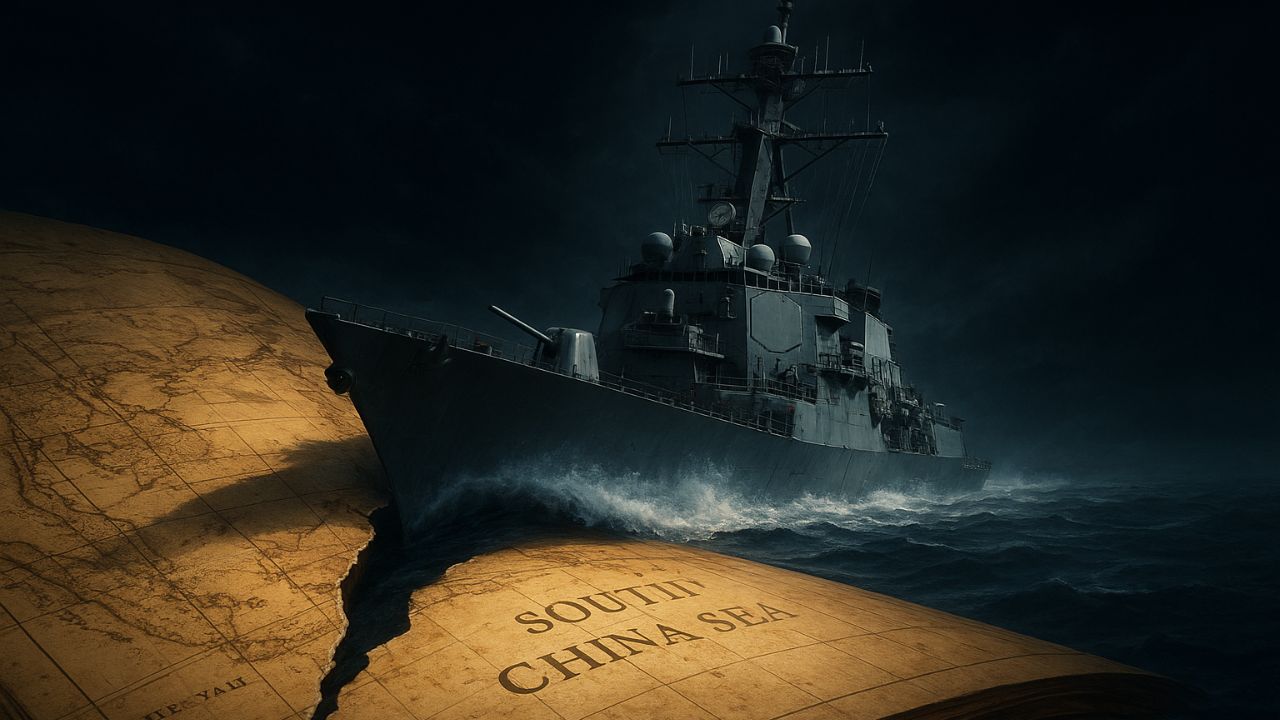
In A Groundbreaking Report, Beijing Accuses Washington of Using “Double Standards” and Distorting International Law in Operations in the South China Sea and the Taiwan Strait.
The Chinese government formally criticized the United States’ freedom of navigation policy. In its first official report on the subject, Beijing claims that the American practice lacks a basis in international law. The publication marks a growing desire by China to challenge what it describes as “gunboat diplomacy.”
Groundbreaking Report from Beijing Criticizes American Actions
An official study published by China harshly criticizes U.S. freedom of navigation operations. The report, titled “Legal Assessment of U.S. ‘Freedom of Navigation’,” is the first of its kind released by Beijing. According to the document, Washington’s policy “lacks a basis in international law and severely distorts the interpretation and development” of maritime laws. The initiative was led by the Chinese Institute of Marine Affairs, in collaboration with various think tanks and universities.
China’s Arguments: “Double Standards” and Lack of Legal Basis
The Chinese report accuses the U.S. of creating its own legal concepts without validity. One cited example is “international waters,” a term that, according to the document, “does not exist in contemporary maritime law.” Beijing claims that American operations represent “clear illegality, irrationality, and a double standard.” Furthermore, the text criticizes the U.S. Navy for continuously entering the territorial seas of other countries to challenge the requirement for prior notification.
-
USA and China compete for Brazil over resources that could be worth trillions — rare earths put the country at the center of a global dispute

-
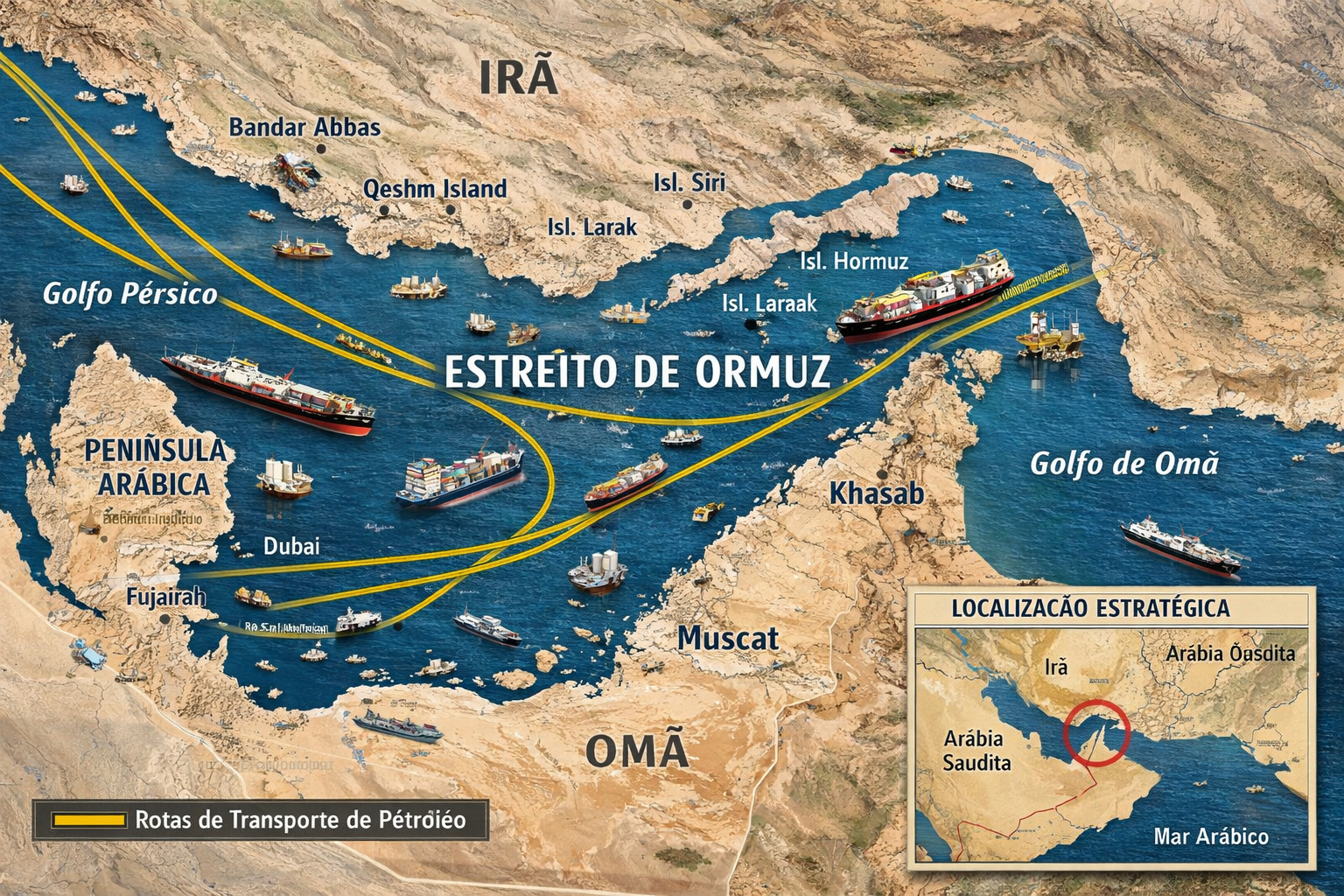
Global summit with over 40 countries pressures Iran for a blockade in the Strait of Hormuz and warns of direct impact on oil, food, and the global economy.
-
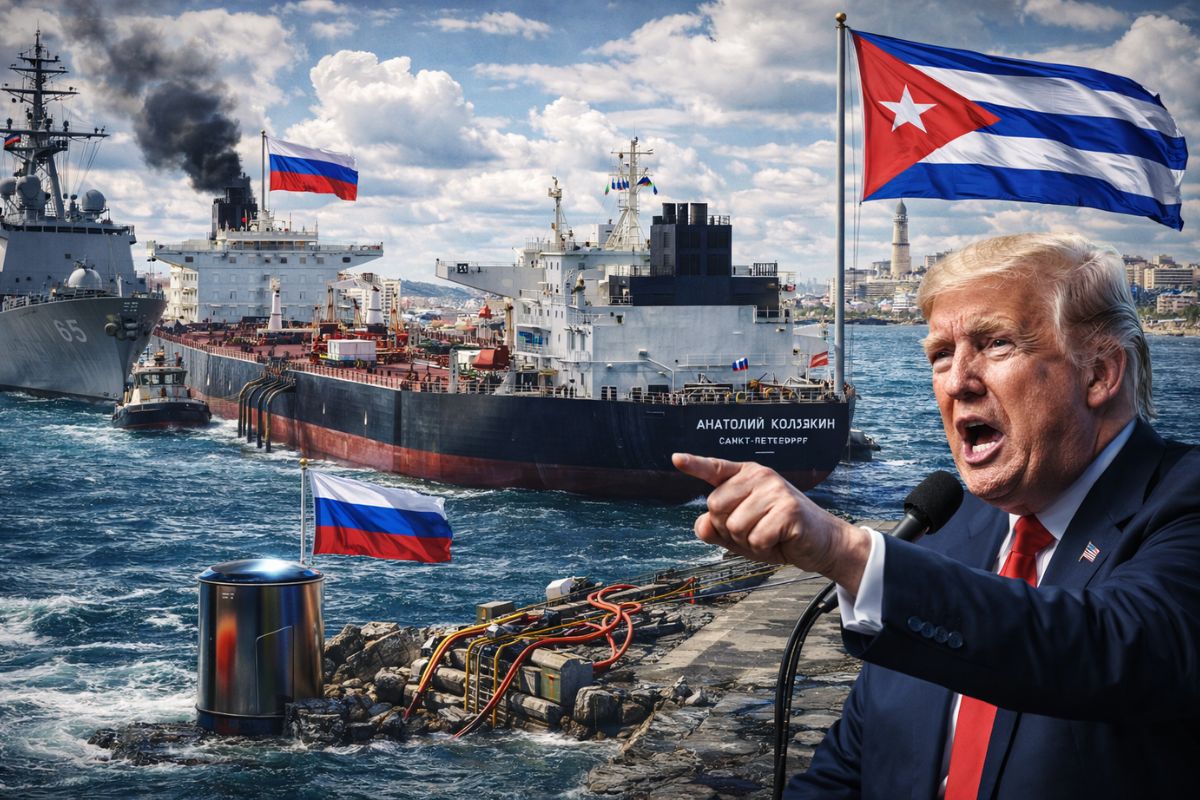
Russia has broken the U.S. maritime blockade to send oil to Cuba and is now loading a second ship while Trump says that “Cuba is next” in a possible military action against the island.
-
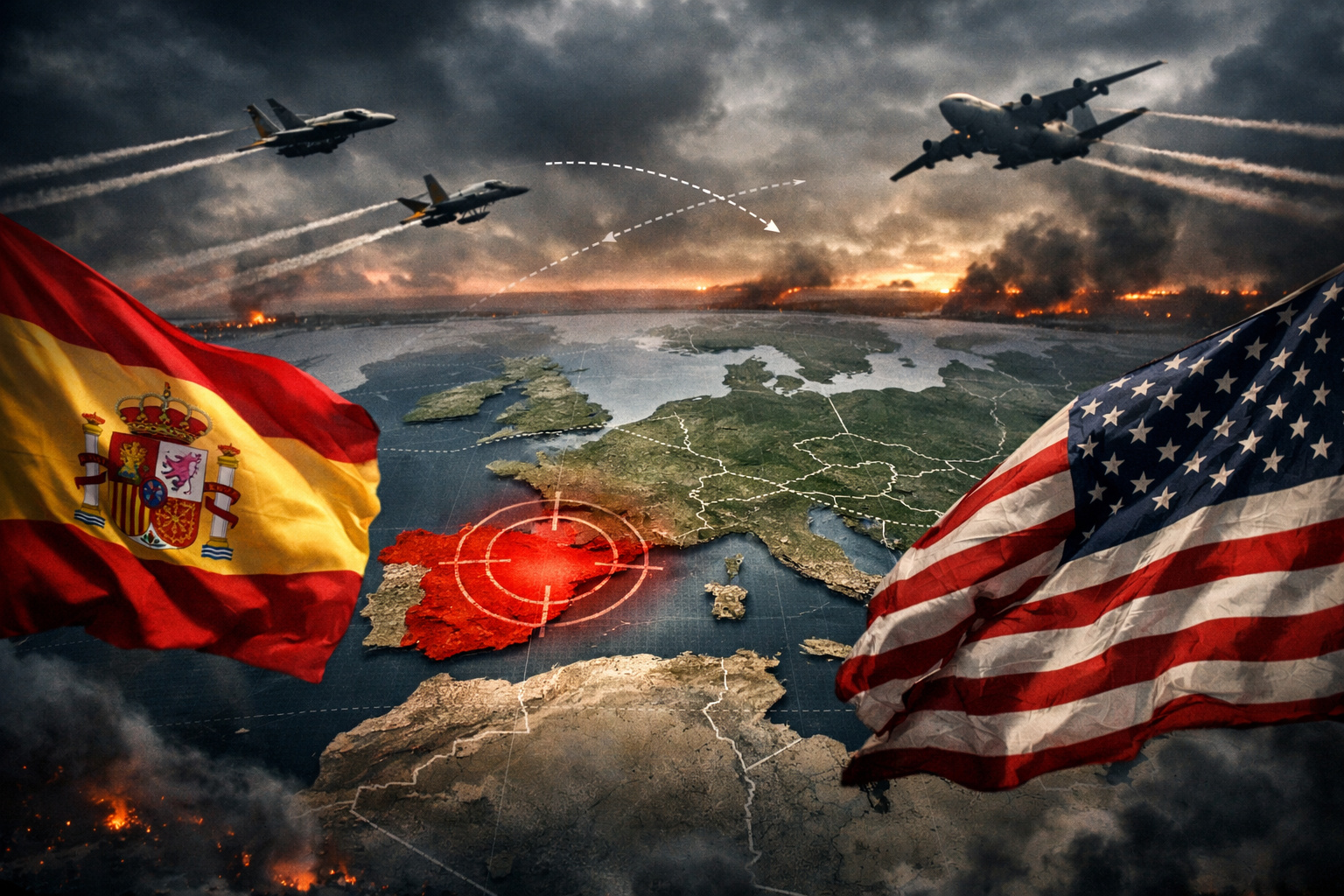
Spain challenges the USA and closes its airspace for operations against Iran, raising global tension and provoking the threat of a trade rupture.

From Navigation to “Military Threat”: The Chinese View
China accuses the United States of placing unilateral emphasis on military activities within its concept of freedom of navigation. According to the Chinese government, when this freedom is used to intimidate and pressure other states, it transforms into a “freedom of military threat.” The report asserts that American policy is subordinate to military and strategic purposes, which disrupts international maritime order and threatens regional peace and stability.
South China Sea and Taiwan Strait
The U.S. freedom of navigation program, established in 1979, shifted its focus to the Asia-Pacific region in the 1990s. In recent years, there has been an increase in operations in the South China Sea, where Beijing claims historical rights. The report highlights that China has been “the primary target” of these operations in the past decade. The document also indicates that the U.S. created the concept of “high-seas corridor” to justify its transits through the Taiwan Strait, which Beijing considers part of its territorial waters.
The U.S. Position and the Risks of Maritime Accidents
The United States defends that its operations are in accordance with international law, including the United Nations Convention on the Law of the Sea, even though it has not ratified it. The Pentagon identifies China as the main target among 11 countries in its annual report. The Chinese document, in turn, warns that American operations “frequently cause unnecessary friction” and, in severe cases, “lead to maritime and aerial accidents.” Tensions in the region are reinforced by other countries, such as the Philippines, which have expressed concerns about “China’s dangerous and coercive actions.”







-

Uma pessoa reagiu a isso.