





 Portuguese
  English
  Spanish
  4 min of reading
  0 comments


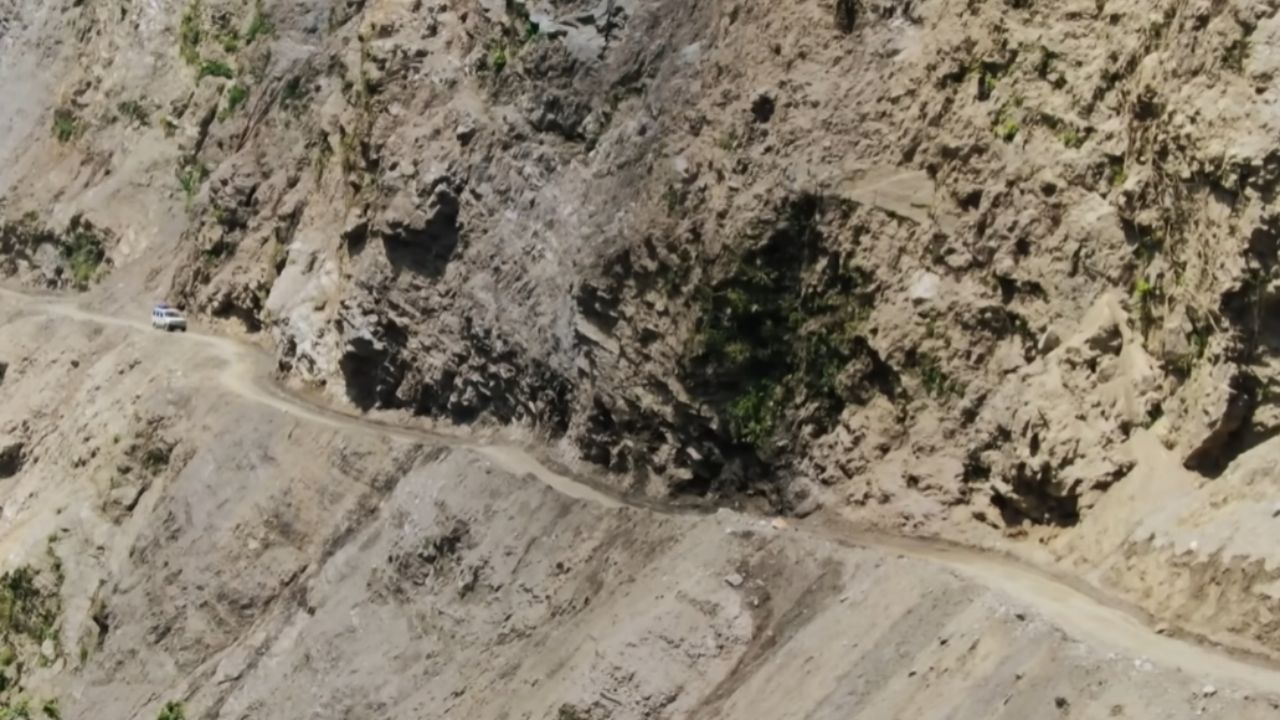
From Deadly Roads in the Himalayas to Dangerous Shipyards, See the Struggle for Survival and the Water Dispute That Unites and Divides India, China, and Bangladesh.
The Brahmaputra is not just a watercourse, but a capricious giant that wields power over the life and death of millions. Born in the unspoiled heights of the Himalayas, this son of the god Brahma winds its way through 2,900 kilometers, shaping a brutal reality where nature imposes its rules and dramatically connects the nations of India, China, and Bangladesh. Devastating floods fertilize the soil while destroying homes, creating a perpetual cycle of creation and chaos.
Along its path, the struggle for survival takes distinct and dangerous forms. Whether on narrow roads along cliffs in Indian territory or in unsanitary shipyards in Bengali lands, the dependence on this water resource exposes workers to extreme risks daily. In addition to natural dangers, geopolitical tensions rise as major infrastructure projects threaten to alter the vital flow that sustains these populations and intensify disputes among India, China, and Bangladesh.
Roads in the Clouds and Stone Rain

At the foot of the Himalayas, following the river’s course requires a courage that borders on madness. For drivers like Rajkumar and the trio of truckers Arjun, Deepak, and Shanu, the routine involves defying gravity. The roads, often just one lane, are flanked by steep cliffs on one side and unstable mountains on the other. The rock walls, weakened by monsoons, often release what locals call meteor showers, huge rocks that crush vehicles and test the nerves of those who need to cross the border to deliver supplies.
-
Meta’s new smart glasses are not just for seeing; they use artificial intelligence, analyze your food, summarize messages, and can even change the way you work in professions like engineering.

-
According to an analysis by NASA, only one human-made structure is visible from space, and it is not the Great Wall of China or the Pyramids of Egypt.
-
After 377 years of history, the Brazilian Army will have its first female general: Colonel Claudia Cacho has been promoted to brigadier general by Lula and will receive the sword and command baton this Wednesday in Brasília.

-
A Mercado Livre customer opened their package and found 32 resumes of people looking for jobs crumpled as protective paper inside the box, exposing names, addresses, documents, and phone numbers of dozens of candidates.


The journey to Tu Ting, near the Chinese border, is an exercise in endurance. Transporting dangerous loads such as barrels of asphalt swaying in the back of old trucks, drivers face ancient suspension bridges that creak under excessive weight. A mechanical failure or a miscalculation of centimeters can be fatal. However, for these men, danger is part of the job, and camaraderie on the road is the only comfort amidst such a hostile environment.
The Risky Trade in Turbulent Waters
When the Brahmaputra descends from the mountains and reaches the plains, it transforms into a vital river highway, but not any less dangerous. In Bangladesh, thousands of herders rely on these waters to transport livestock, especially during Eid al-Kabir. The crossing, however, is treacherous. Shifting sandbanks and unpredictable whirlpools can overturn overcrowded vessels in an instant. For herders like Gurga, who invested 25 years of savings in his herd, the river represents the hope of escaping poverty, but also the risk of total ruin.
The economic dynamics in these waters are cruel. Even after surviving the crossing, traders face a merciless market where oversupply drives prices down. Animals injured during transport lose value drastically, causing months or years of hard work to evaporate in frustrating negotiations. Poverty persists despite effort, reflecting the harsh reality of those living on the margins of this river system.
Human Industries and the Cost of Progress
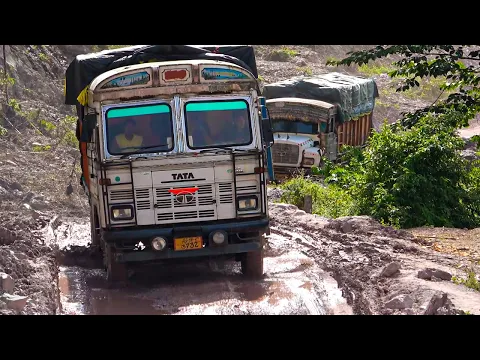

The exploitation of the river and its banks reaches industrial and inhumane levels. Pebble fishermen destroy the riverbed of the Dolai, sucking stones to feed the construction needs of an expanding capital. The grueling manual labor, performed under suffocating heat, yields little money per day and devastates the local ecosystem. Meanwhile, at the shipyards of Kuranigan, workers dismantle giant ships with rudimentary equipment and almost no safety, exposed to deafening noise and extreme pollution.
Although Bangladesh excels in ship recycling, repurposing much of the metal it consumes, the human cost is extremely high. Men replace machines because they are cheaper, risking their lives to sustain the region’s rapid economic growth. It is a scenario of deep contrasts, where technological development coexists with archaic and dangerous working methods, something common in the reality shared by India, China, and Bangladesh.
The Geopolitical Battle for Water
In the most isolated areas, tribes like the Addis try to maintain their self-sufficient way of life, harvesting cardamom in the forests and using fragile bamboo bridges. However, their paradise is threatened. The urgent need for electricity and water to sustain billions of inhabitants drives India and China to plan hundreds of dams along the river and its tributaries. These projects promise to flood fertile valleys and displace entire communities that have lived in harmony with nature for generations.
The future of the Brahmaputra is uncertain and tense. Climate change and the thirst for energy are turning the river into a strategic battleground. With China controlling the springs and India seeking to maximize its hydropower potential, Bangladesh, located at the final delta, risks seeing its majestic river dry up or become uncontrollable. The dispute over water resources is the next major challenge that will define relations between India, China, and Bangladesh in the coming decades.
Do you believe that economic development justifies the human and environmental impact caused by major projects on the Brahmaputra River?





-

-

2 pessoas reagiram a isso.