





 Portuguese
  English
  Spanish
  4 min of reading
  4 comments


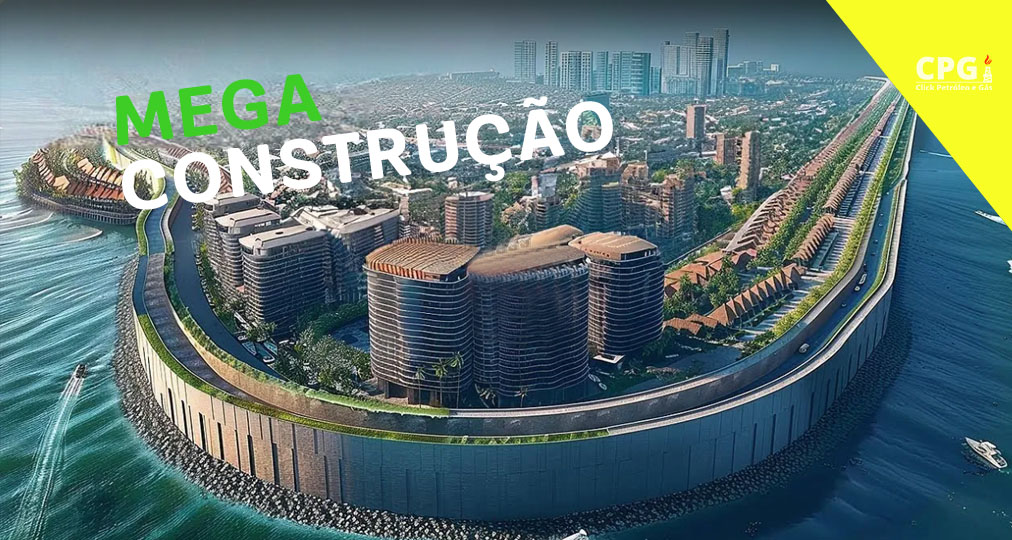


Jakarta Sinks 12 Cm Per Year, Threatening The Existence Of The Indonesian Capital. The Government Is Building The Garuda Dike, A $60 Billion Project Considered A Marvel Of Modern Engineering.
Did you know that Jakarta, one of the largest megacities in the world, is sinking 12 centimeters per year? If nothing is done, this vibrant capital of Indonesia may submerge in just a few years.
However, the Indonesian government is determined to save its capital with an audacious plan: to build the gigantic Garuda Dike.
This unprecedented project promises to protect Jakarta and ensure its future, with an initial budget of approximately $11 billion, around 60 billion reais, and a planning period that extends over 40 years. But how do they plan to achieve this feat? We will explain in this CPG article using information published by the channel on YouTube Elite Constructions.
-
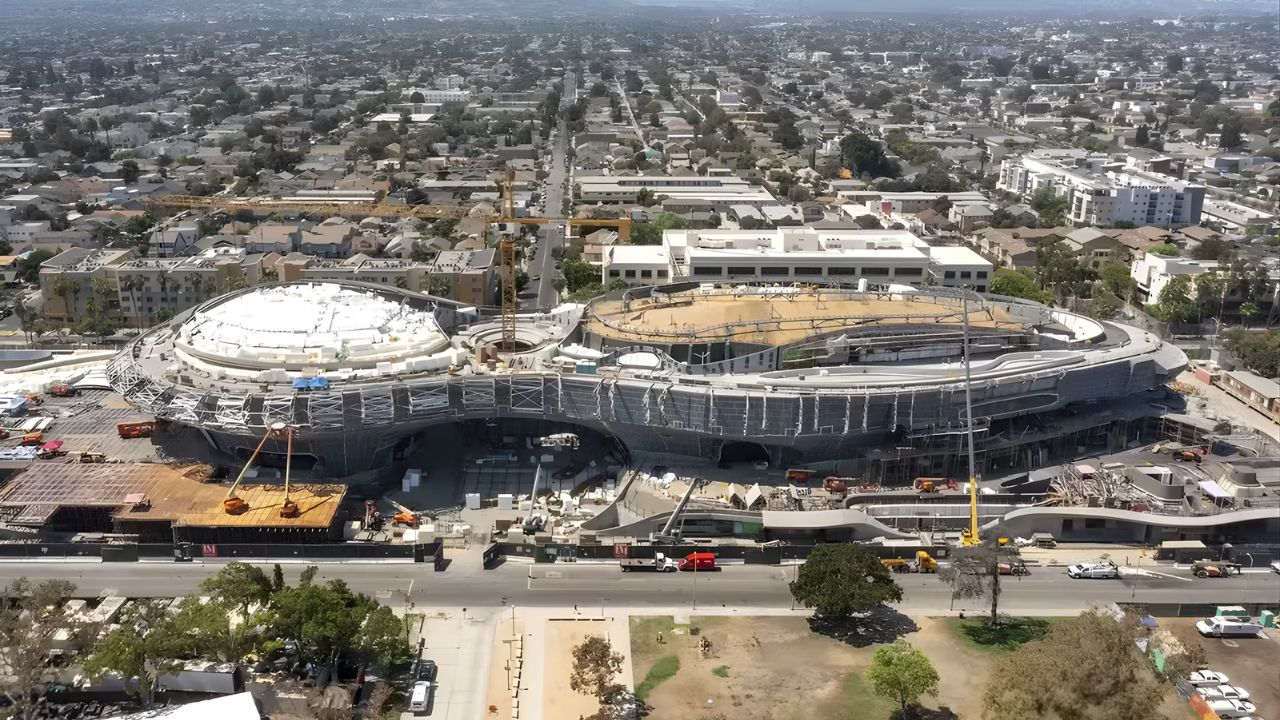
Created by George Lucas with over $1 billion, a futuristic museum in the shape of a spaceship with 1,500 curved panels is about to open in Los Angeles and will house one of the largest private collections of narrative art in the world.
-
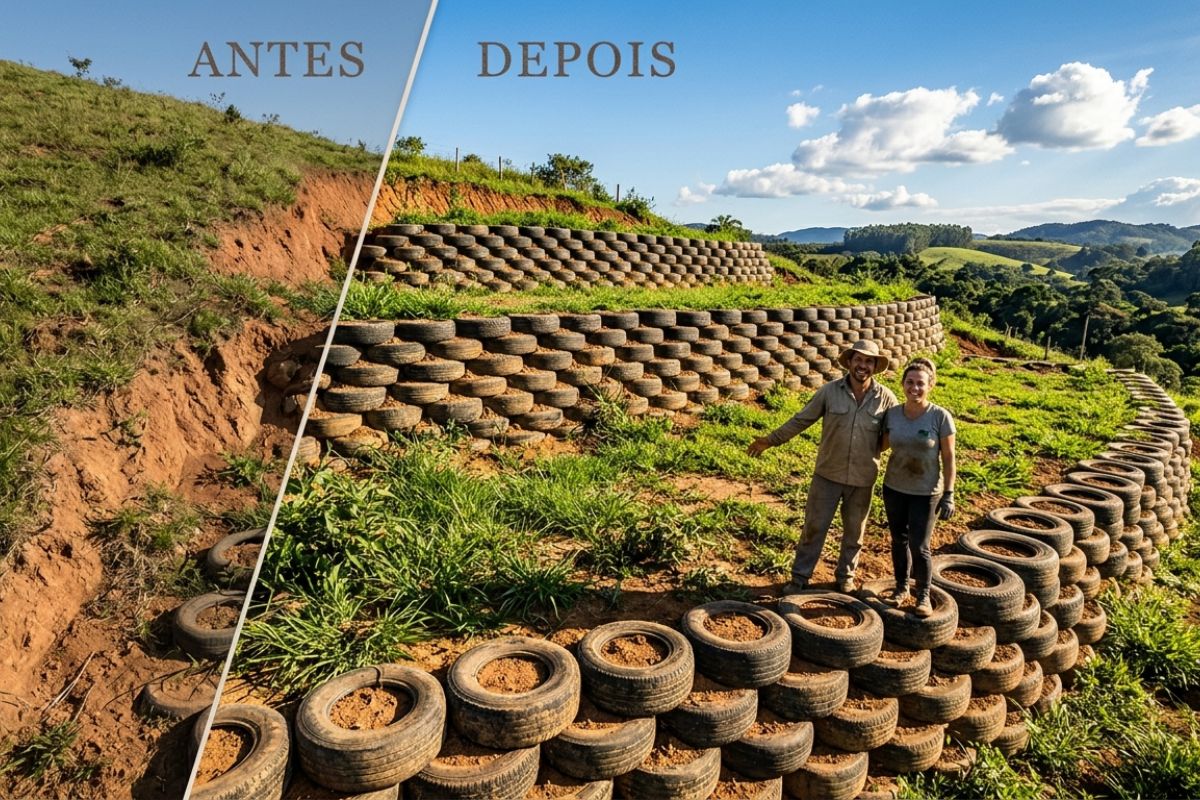
Couple shows how they built a retaining wall on their property using 400 old tires: sloped land turned into plateaus, tires are aligned, filled, and compacted with layers of soil, with grass helping in support and at almost zero cost.
-
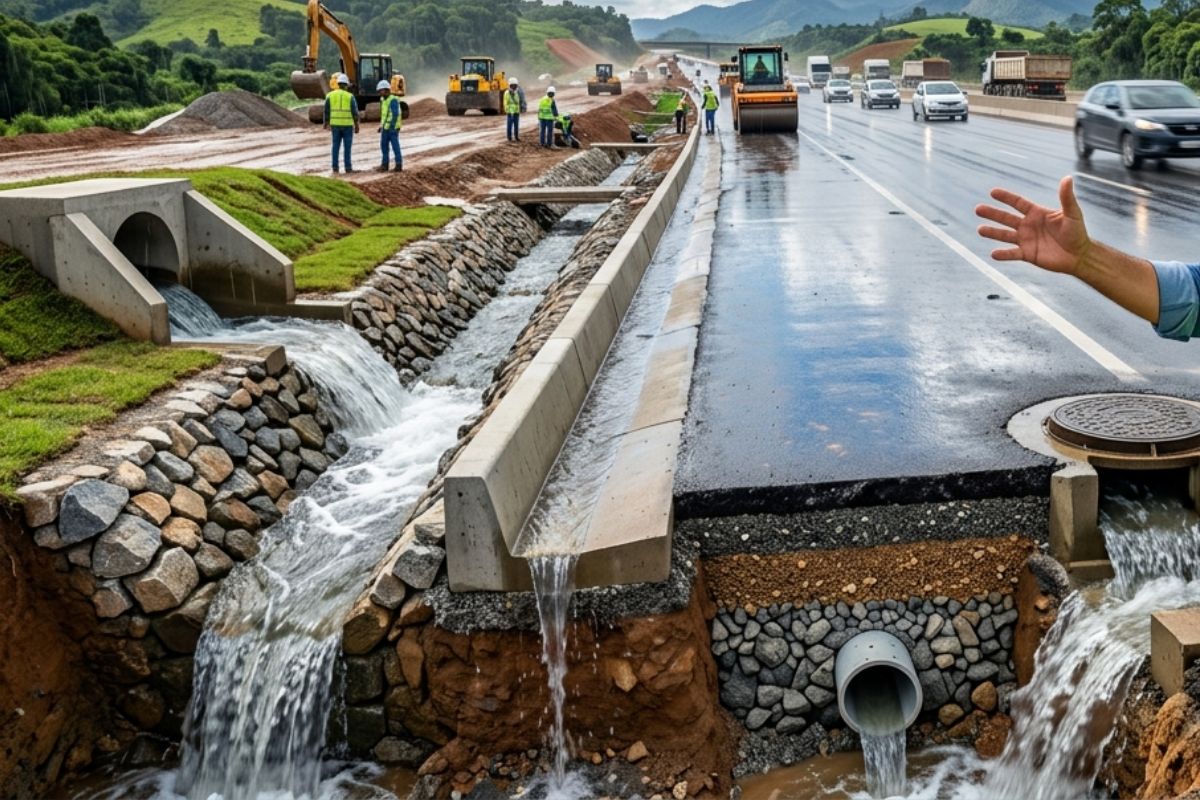
Engineer explains drainage during the rainy season: the difference between surface water and deep water, ditches, gutters, and water outlets on the road, as well as drains and drainage mattresses, to prevent erosion, aquaplaning, and flooding at the construction site today.
-
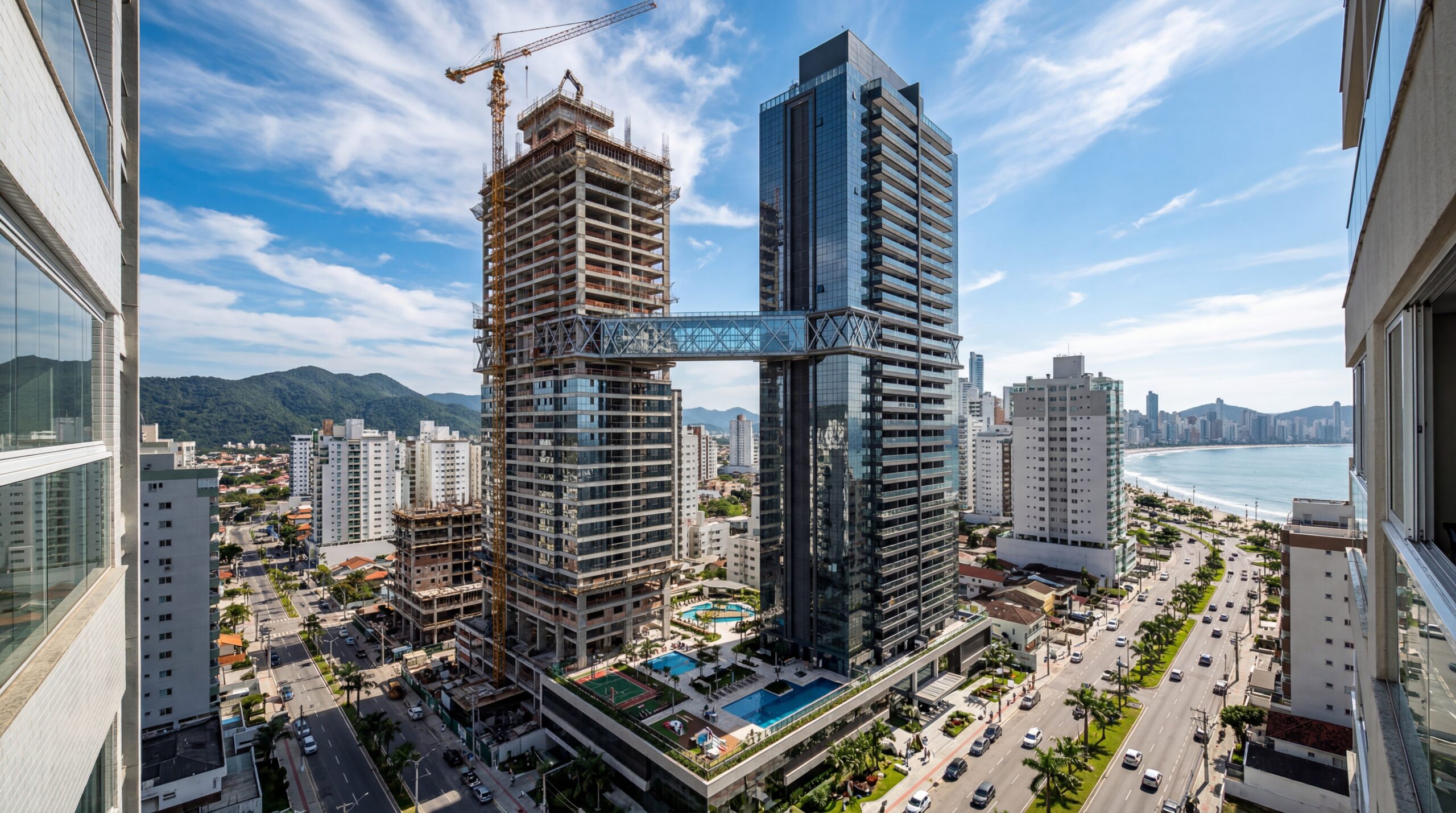
With 55 floors, 177 meters in height, a 15-meter walkway between the twin towers, ventilated facade, and 6,300 m² of leisure space, Ápice Towers already has one tower completed and another nearly at the top.

The Crisis In Jakarta
Jakarta, located on the northwest coast of Java, is one of the busiest coastal cities, with over 10 million inhabitants. By 2030, the city could surpass Tokyo as the largest megacity in the world.
However, various factors put this capital at risk of disappearing. The pressure from many tall buildings, the unchecked extraction of groundwater, and rising sea levels exacerbate the problem.
According to experts, without intervention, about one-third of Jakarta could be submerged by 2050. The city faces issues of pollution, congestion, and frequent flooding, sinking at an alarming rate. Research shows that southern Jakarta has the lowest sinking rate, at 1 cm per year, while the west sinks up to 15 cm per year.
The Relocation Plan
According to government authorities, Indonesia is implementing several solutions to combat the crisis. One of the most ambitious is the relocation of the national capital to a location in the Kalimantan jungle, on the island of Borneo.
In 2019, a plan was announced to build a new capital, named Nusantara, 1,300 km from Jakarta. This sustainable forest city aims to be carbon neutral by 2045. However, critics warn about the adverse environmental effects of building a new city, which could endanger the culture and environment of East Kalimantan.
The complete relocation is planned for 2045, but only the administrative part of Jakarta is moving. The future of the residents who will remain in Jakarta is still uncertain, as many may not have the financial means to relocate.
The Garuda Dike: A Monumental Solution
The most audacious project is the Garuda Dike. With a cost of $11 billion, about 60 billion reais, this 120 km long dike aims to protect the city from sinking and flooding. The construction will be done in phases, with a coastal and river dike by 2030, an adaptable dike by 2040, and a reservoir by 2050.
When the idea was initially presented in 2010, it faced strong opposition from environmental and political groups, who argued that the dike could harm the livelihoods of fishermen and damage the marine ecosystem.
According to Parid Ridwan Udin, coastal campaign manager for Indonesia at the Indonesian Environmental Forum, an alternative approach could be the rejuvenation of coastal areas by replanting mangroves and restoring riverbanks to their natural state. Improved water management and recycling practices could also help combat the crisis.
According to Airlangga Hartarto, Coordinating Minister for Economic Affairs of Indonesia, the dike will be a massive undertaking: 40 km long, 24 meters high, and located in North Jakarta Bay.
The construction will be carried out in phases until 2040, with an initial cost of approximately $11 billion for the first two phases. The budget for the third phase has not yet been defined.


Sustainability And Innovation
The Garuda Dike also aims to solve the water supply problem in Jakarta. A freshwater reservoir will be built within the dike to store rainwater and water from the rivers that run through the city. This reservoir will provide a sustainable source of clean water for residents, reducing dependence on groundwater extraction.
Long-Term Strategies
Although soil subsidence cannot be reversed, there are ways to slow the sinking rate. Tokyo, for example, faced a similar problem after World War II and adopted regulations to prohibit groundwater extraction, replacing it with other water sources. Jakarta could follow similar strategies, such as banning groundwater extraction and implementing water-saving and recycling technologies.
According to reports, the Indonesian government continues to seek solutions to halt Jakarta’s sinking and protect its residents. The goal is to complete the first phase of the coastal dike by 2027. The sinking causes enormous economic losses for Indonesia, estimated at $135 million per year, potentially reaching $642 million per year in the next decade if no measures are taken.
This monumental effort by the Indonesian government to save Jakarta demonstrates its commitment to ensuring a safe and sustainable future for its inhabitants. But, reader, will the grand project of the Garuda Dike manage to save Jakarta? Share your opinion in the comments below; we would love to hear what you think!





As cidades estão afundando por causa da alta concentração de carga dos prédios.
O sobrepeso de prédios cada vez mais altos vai causar **** urbana em muitas cidades mas ninguém quer falar sobre isso porque as construtoras são ultra lucrativas para todos os envolvidos.
Além do peso excessivo que causam, os prédios atingem o lençol freático, o que faz com que as construtoras precisem rebaixá-lo (pesquisem: “rebaixamento do lençol freático”) – elas jogam a água do subsolo diretamente nas galerias pluviais (a água limpa que todos enxergam correndo dos prédios para o meio fio das calçadas é exatamente isso).
Isso está causando as enchentes – as galerias pluviais não aguentam tanta água.
Mais: por causa dos prédios os postes estão superlotados de fios (causando apagões), o sistema de esgoto, de água e de trânsito não vão aguentar, estão construindo prédios em áreas ambientais, etc etc etc
Não tem o que fazer porque a ganância é enorme e ninguém se interessa em parar essa sanha construtiva.
Veremos um colapso urbano geral brevemente.
DEIXO SIM MUITO CLARO OS MOTIVOS DO AFUDAMENTO DA CIDADE, ? Tirar Água do subsolo em larga escala vai provocar afundamento no solo, outro motivo o está subindo o seu nível muitas cidade irá ser inundadas?
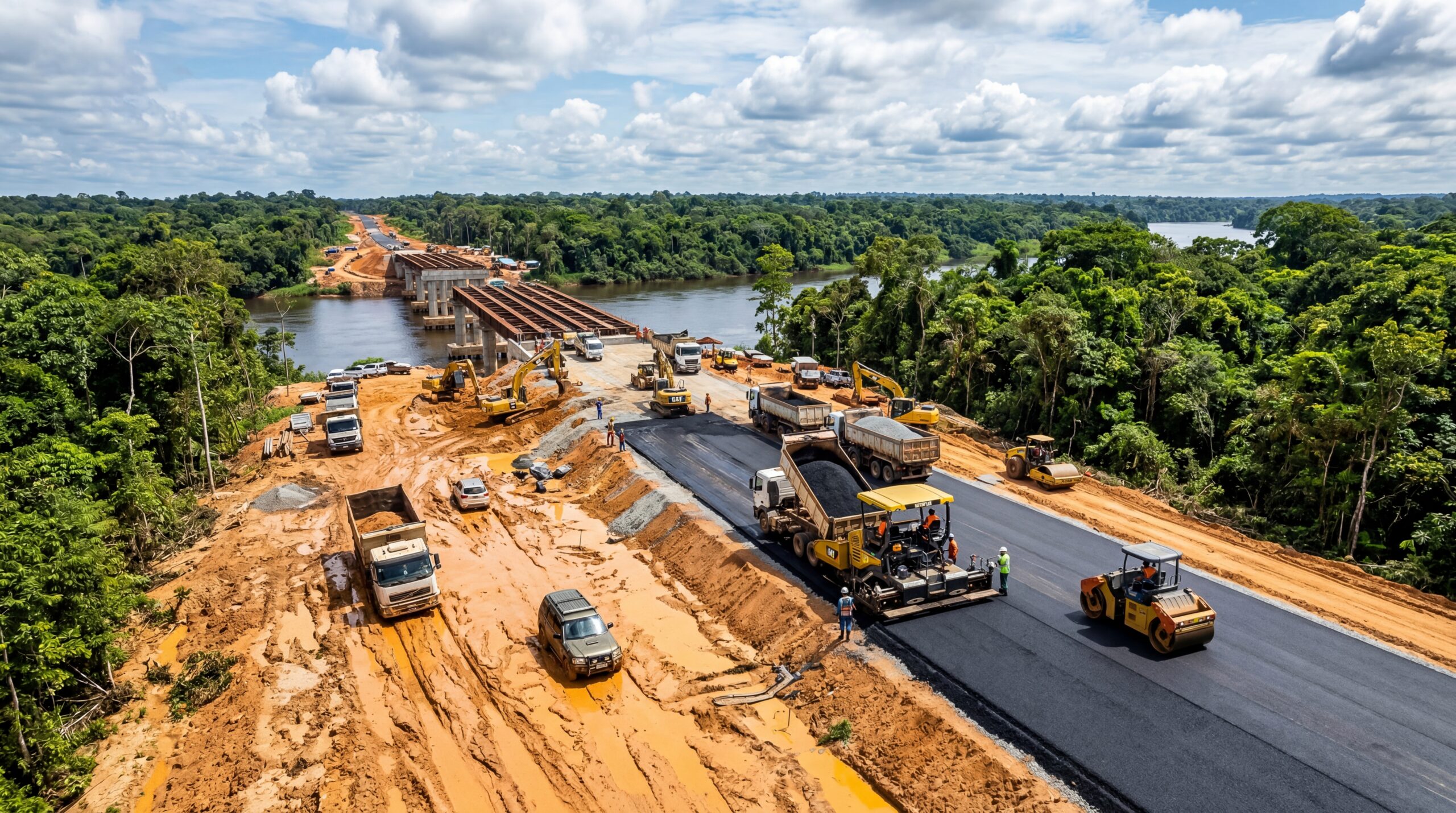
Eu. Gostaria de conhecer um pouco melhor sobre o projeto ,pela reportagem não diz nada ,a única informação é a foto que também não esclarece quase nada,gostaria de saber como é o solo onde está cidade ,e onde será construída o muro né e que tipo de material pretende utilizar etc .