





 Portuguese
  English
  Spanish
  3 min of reading
  0 comments


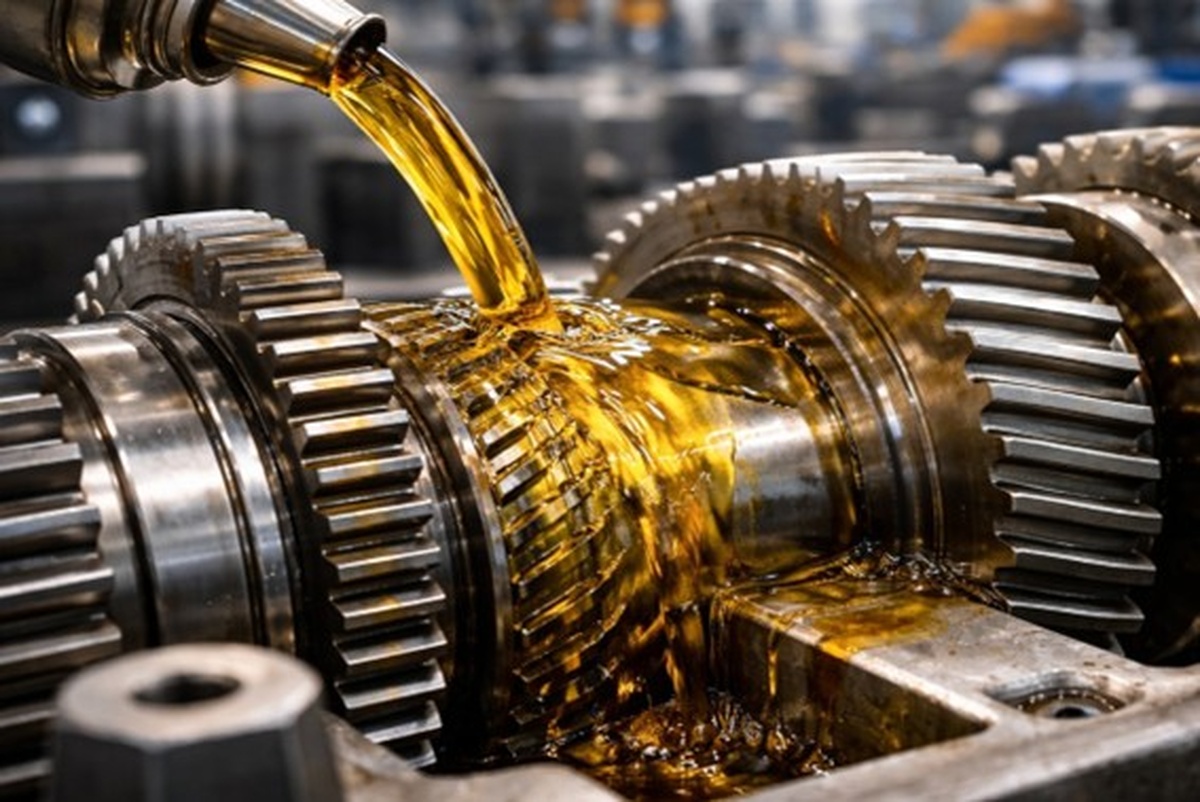
Understand How Industrial Lubrication Will Evolve in 2026 and Which Trends Should Impact Costs, Productivity, and Sustainability in Brazilian Industries
From now on, industrial lubrication consolidates itself as a strategic factor for operational efficiency, safety, and lifespan of machines and equipment. In this context, considering the projected scenario for 2026, the sector is guided by three central trends that gain prominence consistently and technically.
Moreover, according to analyses of the Brazilian industrial market, these trends emerge as a direct response to an environment marked by high competitiveness, scarcity of qualified labor, time restrictions for preventive maintenance, and reduction of productive investments over the past few years.
Nevertheless, according to projections released by the National Confederation of Industry (CNI), the Brazilian industrial GDP is expected to register an estimated growth of 1.1% in 2026, influenced by structural programs such as New Industry Brazil, launched in 2024.
-
Historic bankruptcy of Centauro shocks the market, and the century-old company puts more than 500,000 products, machines, and complete infrastructure up for online auction.

-
New shoe factory in Ceará is expected to create 400 jobs and strengthen the local economy.

-
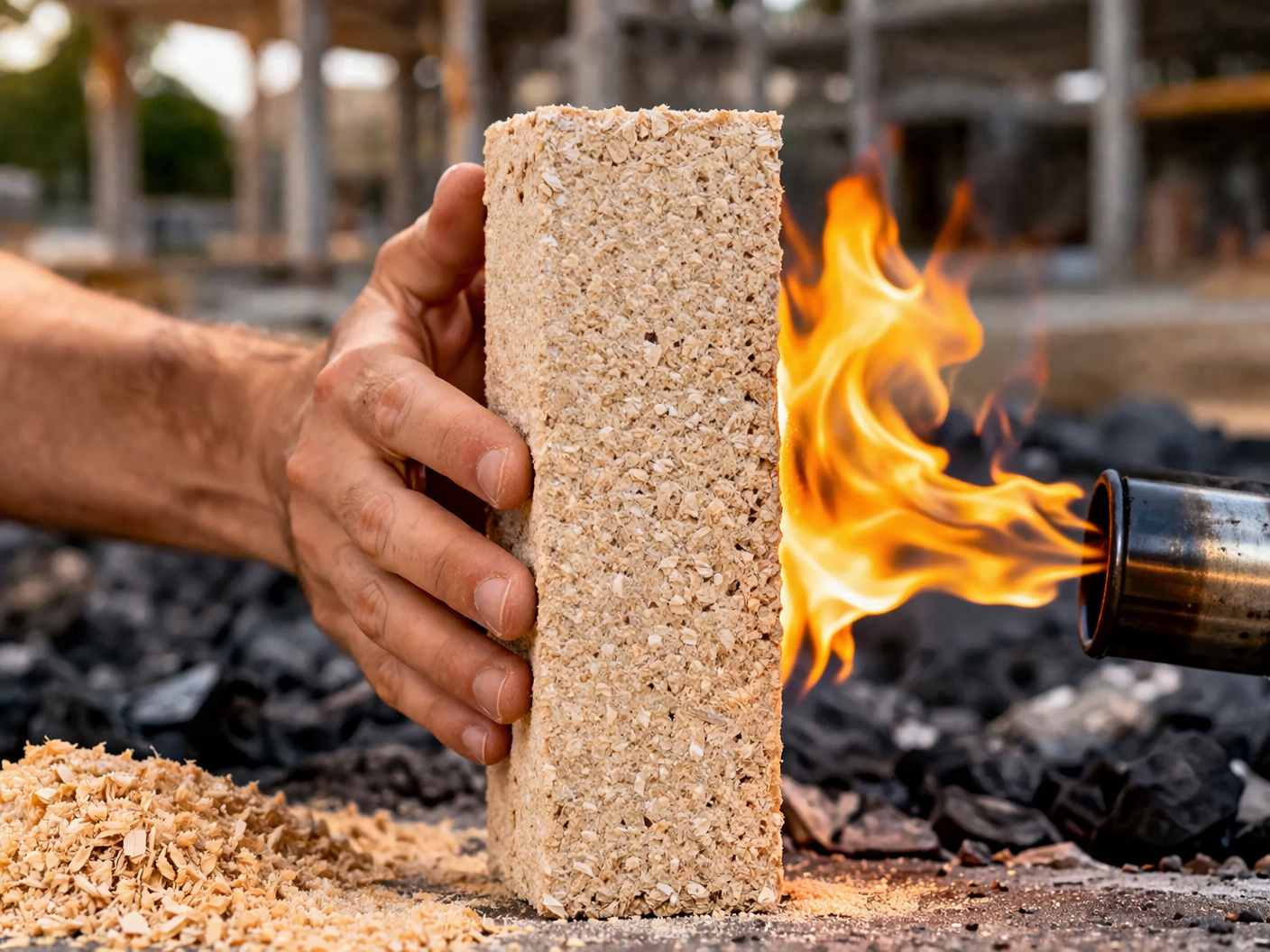
No one imagined it, but a mixture of sawdust with a mineral that fights fires surprises scientists with a result that changes the course of fire-resistant construction.
-
From empty land to a high-end house, wooden construction uses a lightweight system, metal structure for the foundation, ventilated ceramic cladding, and special windows to create an efficient and comfortable living space throughout the year.


Economic Scenario and Impacts on the Sector
Meanwhile, factors such as the elevated Selic rate throughout 2025 and tariff policies applied to industrial exports limited the performance of various productive segments. However, even in the face of this scenario, expectations for 2026 indicate better operational performance, directly reflecting on the strategies for industrial lubrication.
Key Trends in Industrial Lubrication in 2026
Precision Lubrication Gains Prominence
First and foremost, precision lubrication stands out as the main pillar of the sector. In this model, controlled and adequate application of lubricants reduces waste while prolonging the lifespan of industrial assets.
Additionally, this practice contributes directly to reducing operational costs and to more sustainable processes, especially in high-demand production environments.
For this system to function correctly, it becomes essential to invest in:
- Technical training for maintenance teams
- Correct selection of lubricants, according to manufacturers’ specifications
- Periodic maintenance of systems, ensuring continuous performance
Intelligent Monitoring and Predictive Maintenance
Next, intelligent monitoring emerges as the second major trend for 2026. In this case, the integration of sensors, digital systems, and Artificial Intelligence allows for real-time monitoring of equipment behavior.
Consequently, this approach favors predictive maintenance, reduces unexpected failures, and optimizes lubricant consumption, positively impacting cost management and efficiency of industrial resources.
Premium Lubricants Gain Traction
Finally, premium products solidify their presence in the market. Due to their superior quality and greater operational stability, these lubricants allow for longer intervals between changes, less disposal, and better energy performance.
Thus, in addition to increasing operational reliability, these products contribute to sustainability and financial control goals, aspects that are increasingly relevant in industrial decisions.
Most Benefited Sectors
In general, these trends impact more intensely segments such as:
- Automotive industry, which maintains high demand for lubricants even in periods of idleness
- Food industry, which requires strict process control
- Aerospace sector, with a high level of technical precision
- Agribusiness, which relies on the continuous operation of machinery
In these sectors, adequate industrial lubrication provides reduced friction, thermal control, protection against corrosion, system cleanliness, efficient sealing, and leak prevention.
Sustainability and Innovation at the Core of Strategies
Simultaneously, the research and development areas of lubricant manufacturers have intensified efforts throughout 2024 and 2025 to develop more efficient and sustainable solutions.
Among the innovations, synthesized lubricants, biodegradable products, and training programs focused on correct handling and disposal throughout the product life cycle stand out, aligning the sector with the guidelines of the ESG agenda.
Operational Efficiency as a Decisive Factor
Finally, the performance of Brazilian industries in 2026 directly depends on the ability of machines to operate in a continuous, safe, and efficient manner. This goal, however, can only be achieved with a well-structured industrial lubrication plan, combined with the use of appropriate lubricants for each application.
Thus, the three trends in industrial lubrication for 2026 solidify as strategic references for companies seeking cost reduction, greater operational reliability, less need for corrective maintenance, prevention of unplanned downtime, and improvement in energy efficiency, always focusing on precision, technology, and sustainability.
By Renato Galvão: Commercial Director of FUCHS, the largest independent manufacturer of lubricants and related products in the world.










-

Uma pessoa reagiu a isso.