





 Portuguese
  English
  Spanish
  3 min of reading
  1 comment


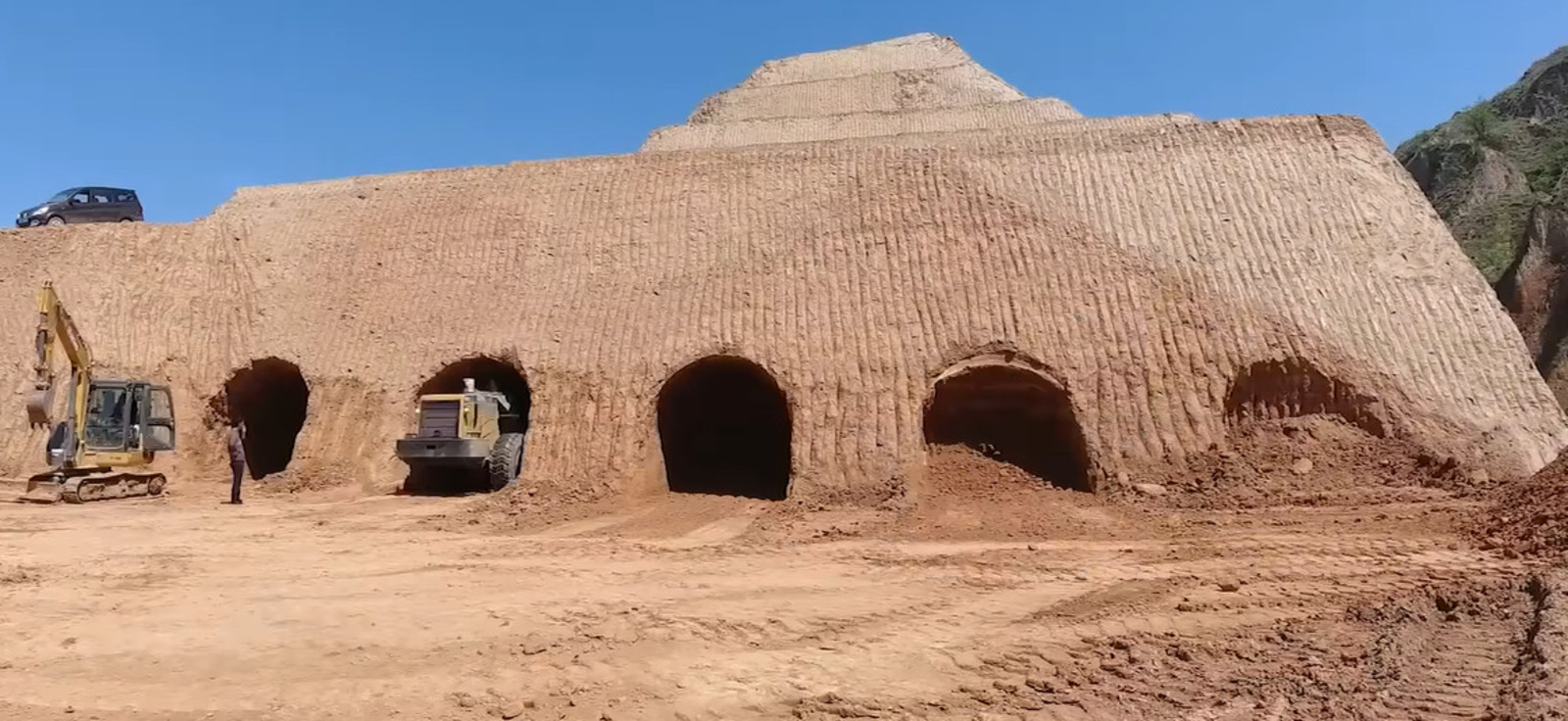


Inside China, Farmer Buys Entire Mountain, Digs Housing with Cave Apartments, Stables and Integrated Farm, Combining Yaodong Tradition, Heavy Engineering, Thermal Comfort and Efficient Use of Rural Land
Inside China, a visionary farmer bought an entire mountain to excavate integrated housing, transforming a steep slope into a sustainable housing complex with a farm, stables, and cave apartments, proving comfort and thermal efficiency.
Why Excavate Instead of Build
The decision to excavate the housing recovers an ancient Chinese tradition, reinterpreted in a contemporary way, prioritizing integration with the terrain and reducing visual impact.
By embedding the environments in the rock, the farmer takes advantage of natural thermal inertia, maintaining more stable indoor temperatures during external climate variations.
-
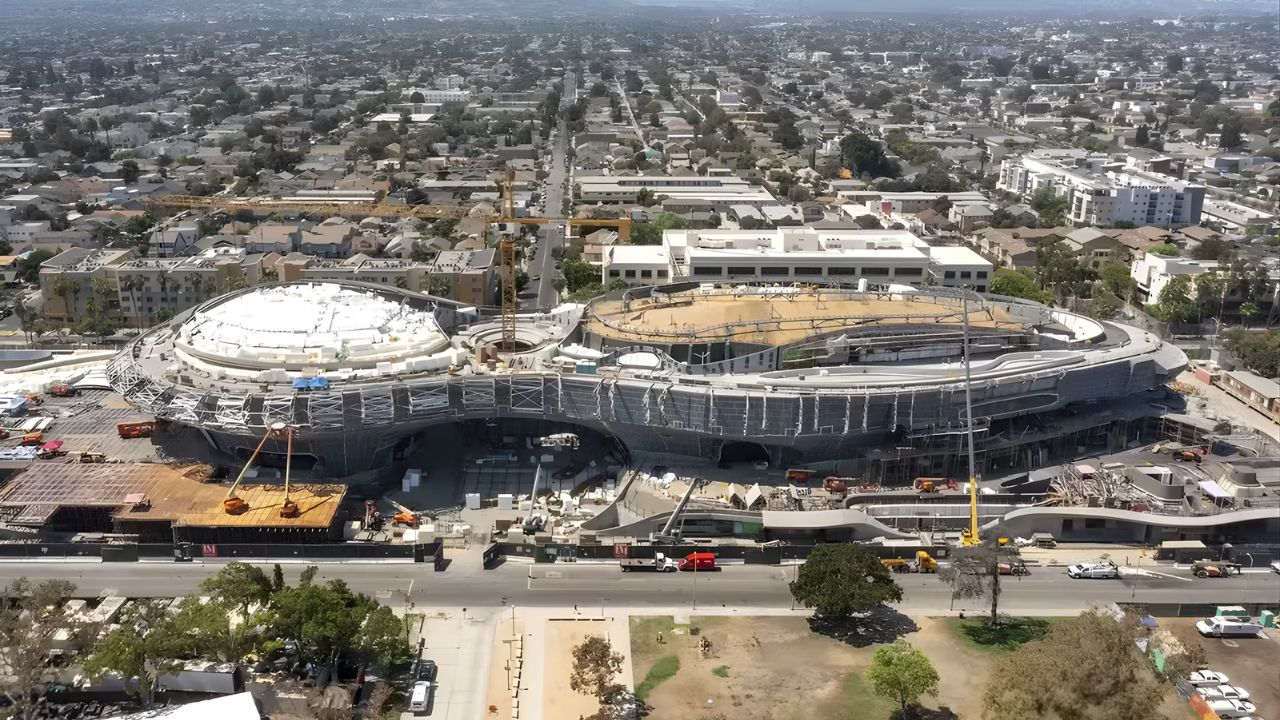
Created by George Lucas with over $1 billion, a futuristic museum in the shape of a spaceship with 1,500 curved panels is about to open in Los Angeles and will house one of the largest private collections of narrative art in the world.
-
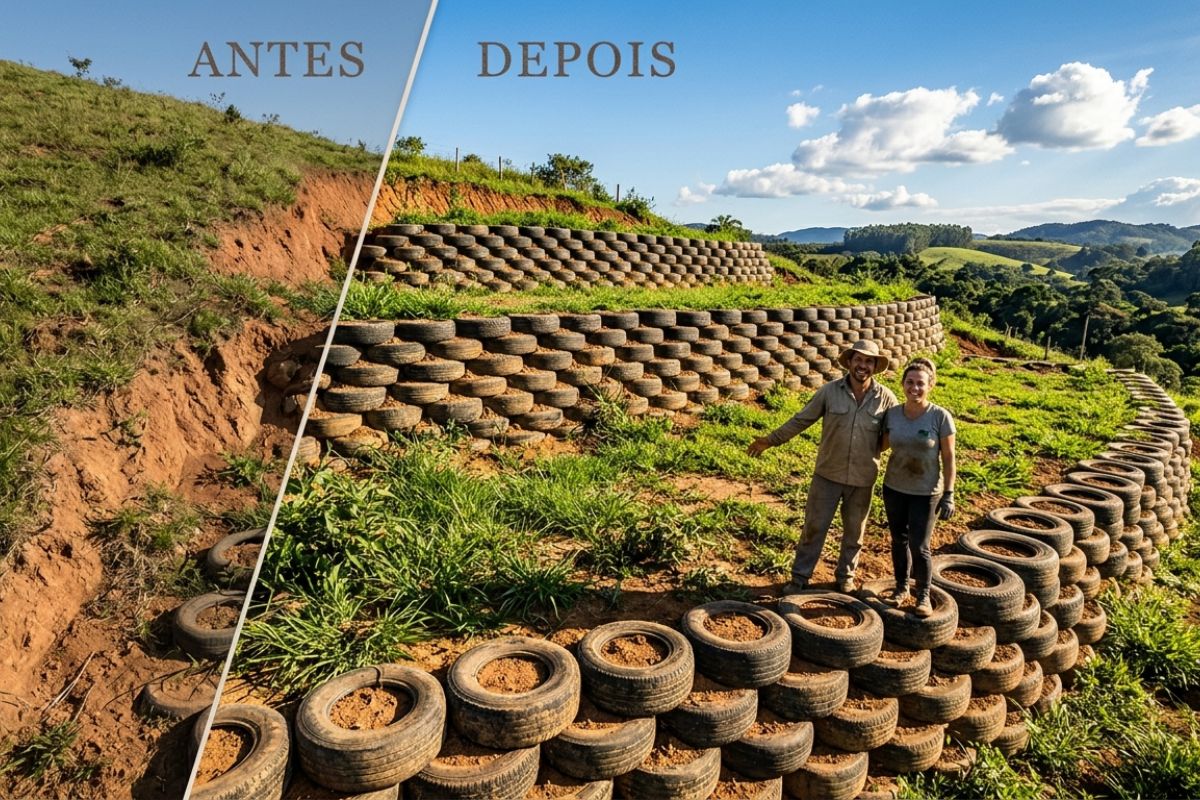
Couple shows how they built a retaining wall on their property using 400 old tires: sloped land turned into plateaus, tires are aligned, filled, and compacted with layers of soil, with grass helping in support and at almost zero cost.
-
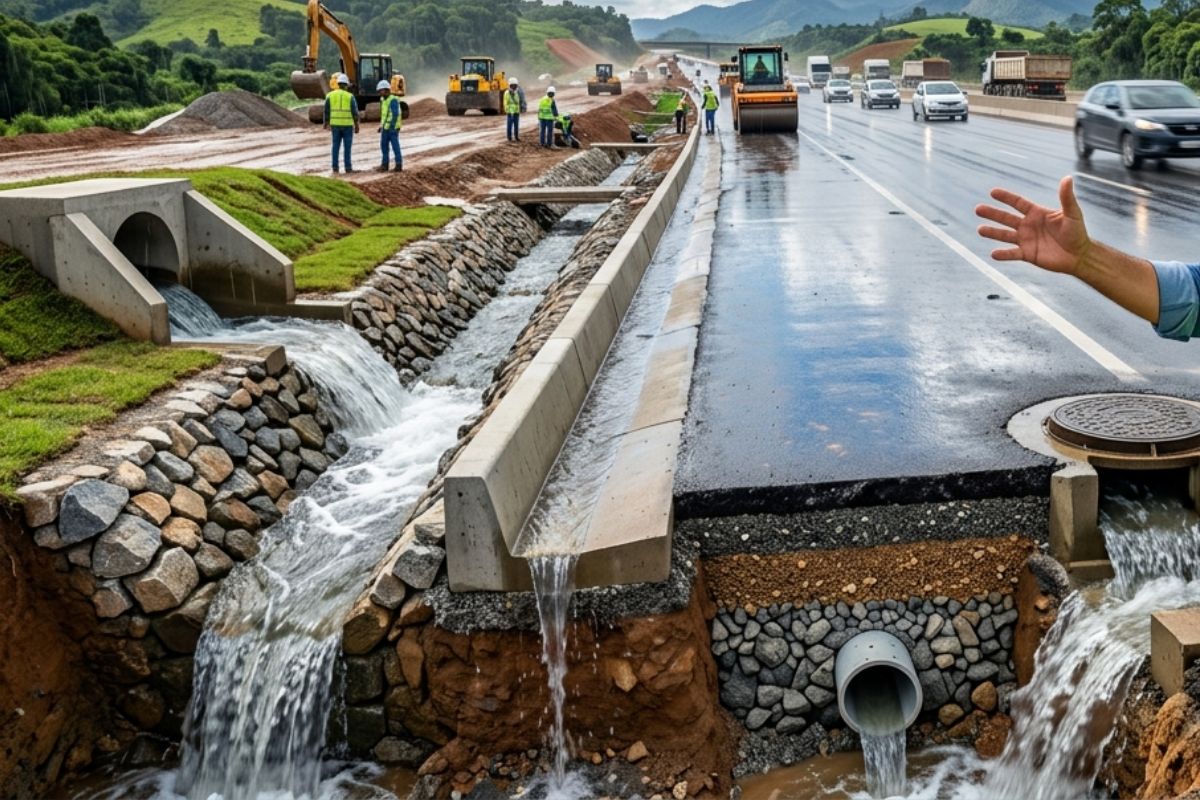
Engineer explains drainage during the rainy season: the difference between surface water and deep water, ditches, gutters, and water outlets on the road, as well as drains and drainage mattresses, to prevent erosion, aquaplaning, and flooding at the construction site today.
-
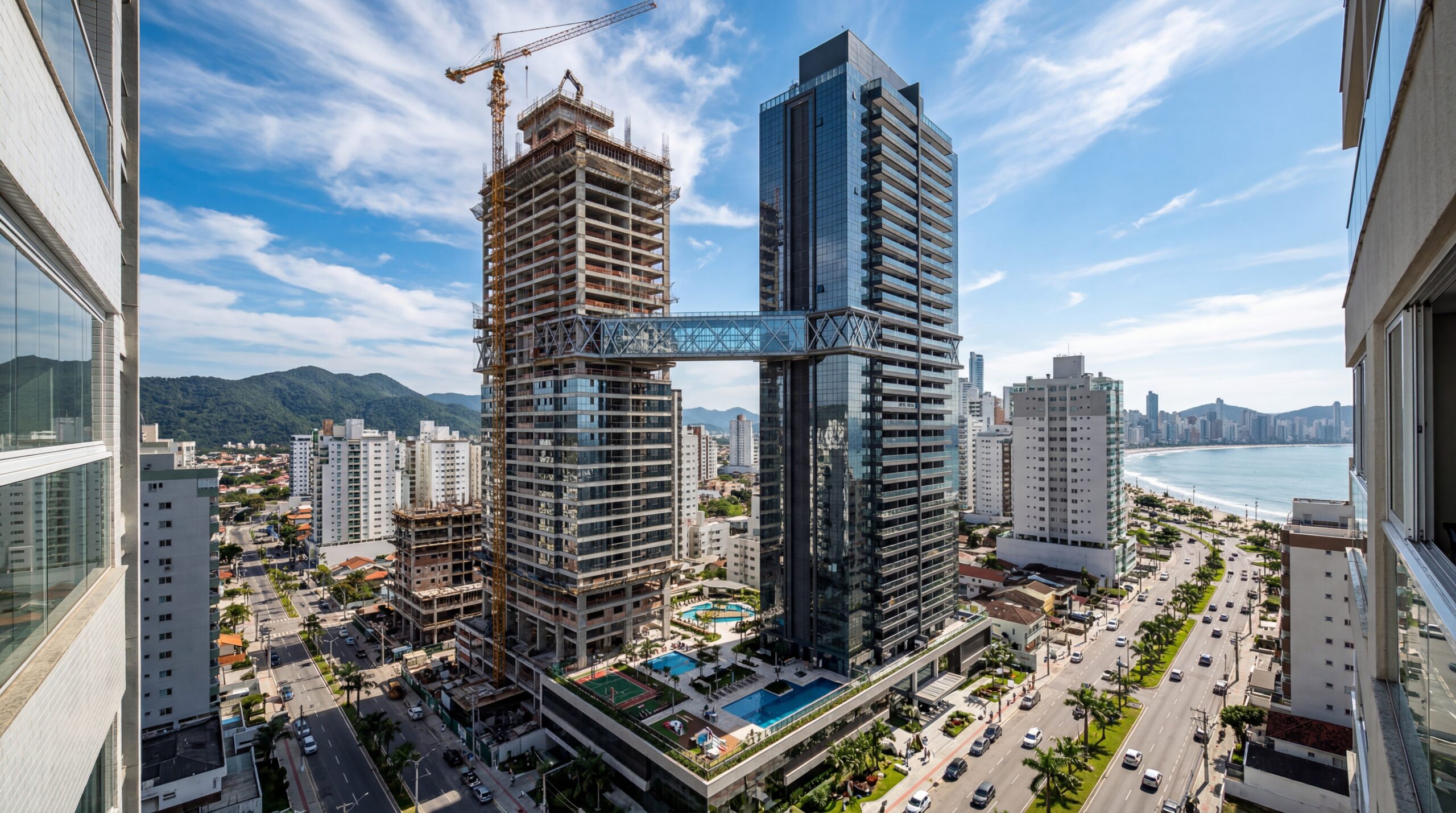
With 55 floors, 177 meters in height, a 15-meter walkway between the twin towers, ventilated facade, and 6,300 m² of leisure space, Ápice Towers already has one tower completed and another nearly at the top.

This feature reduces reliance on artificial heating and cooling systems, making daily life more economical and energy-efficient.
Additionally, the choice preserves flat areas of the valley, designated for agriculture, avoiding unnecessary occupation of fertile soils.
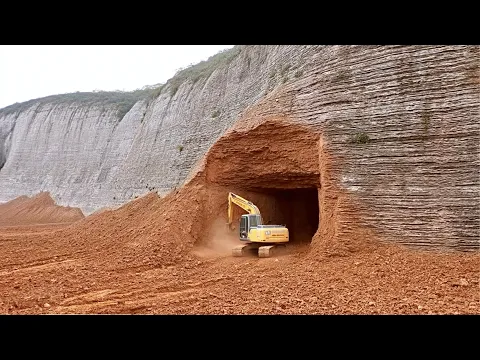

How the Mountain Was Transformed
The construction process resembled large-scale sculpture, requiring precise planning, intensive use of machines, and gradual execution of the excavations.
Excavators, tractors, and compactors operated in successive stages, creating wide cavities and stable terraces along the slope.
The project began with controlled cuts, ensuring structural safety and avoiding landslides during the opening of the internal spaces.
All removed material was reused to reinforce external plateaus, reducing waste and strengthening terrain stability.
Cave Apartments with Comfort in the Mountain
Far from dark environments, the caves were adapted into functional apartments, well-lit and with planned air circulation.
Floors received a cement-soil finish, creating smooth, durable surfaces suitable for prolonged everyday use.
The internal walls were plastered to better reflect natural light, making the environments brighter and airier.
Metal structures replaced wooden beams, increasing resistance to the weight of the mountain and reducing fire risks.
An Integrated Farm in the Project
The complex functions not only as a residence but also as a fully productive agricultural unit integrated into the excavated space.
Underground stables were designed with efficient drainage and cemented trenches, facilitating waste management and odor control.
The external terraces formed by the excavation were converted into gardens, utilizing artificially created flat areas on the slope.
An outdoor kitchen connects production and consumption, allowing the preparation of fresh food with a direct view of the valley.
Visibility and Repercussion of the Project
The transformation of the mountain gained prominence in a video from the Quantum Tech HD channel, cited as a source, which has over 18 million subscribers.
In the content, builder Xiao Cui presents details of the process, showcasing the adaptation of the rock into habitable and productive spaces.
The images reveal the scale of the work, the organization of the environments, and the integration between housing, agriculture, and infrastructure.
The publicity increased interest in extreme constructions, associating rural engineering with innovative housing solutions.
Final Result and Context
After months of work, the irregular hill became an organized farm-condo, combining shelter, agricultural production, and integrated family areas.
The project exemplifies how intelligent use of the terrain can create safe, functional housing adapted to the natural environment.
The initiative also resonates with traditional Chinese practices, updated with modern techniques and more resilient materials.
As a precursor, Yaodong dwellings inspired this approach, demonstrating cultural continuity applied to contemporary housing challenges.
With information from BMC News.








As pessoas pensam que as piramides foram construidas pedra por pedra mas na verdade foram construidas assim, eram montanhas como essa ai e foram lapidadas e feitos camaras dentro. 🤣