





 Portuguese
  English
  Spanish
  5 min of reading
  21 comments





The International Repercussions of the Inaugural Flight of the eVTOL from Embraer Reinforces Brazilian Technological Advancement, Details the Validation of Critical Systems, the Formal Start of Flight Tests and the Industrial Plan that Envisions up to 480 Aircraft per Year and Entry into Operation in 2027
The first flight of the flying car prototype from Eve Air Mobility, a subsidiary of Embraer, conducted on December 19, 2025, in Gavião Peixoto, marked the beginning of the flight testing campaign, validated critical systems, and garnered wide coverage in specialized and general international media.
Initial Milestone of the Flying Car
The inaugural flight was conducted at the largest aviation runway in the Southern Hemisphere, located at Embraer’s industrial unit in Gavião Peixoto, in the interior of São Paulo, a center where the company’s main development testing takes place.

The operation involved a full-scale, unmanned prototype, remotely piloted, allowing the collection of initial technical data on performance, stability, and integration of the aircraft’s essential systems.
-
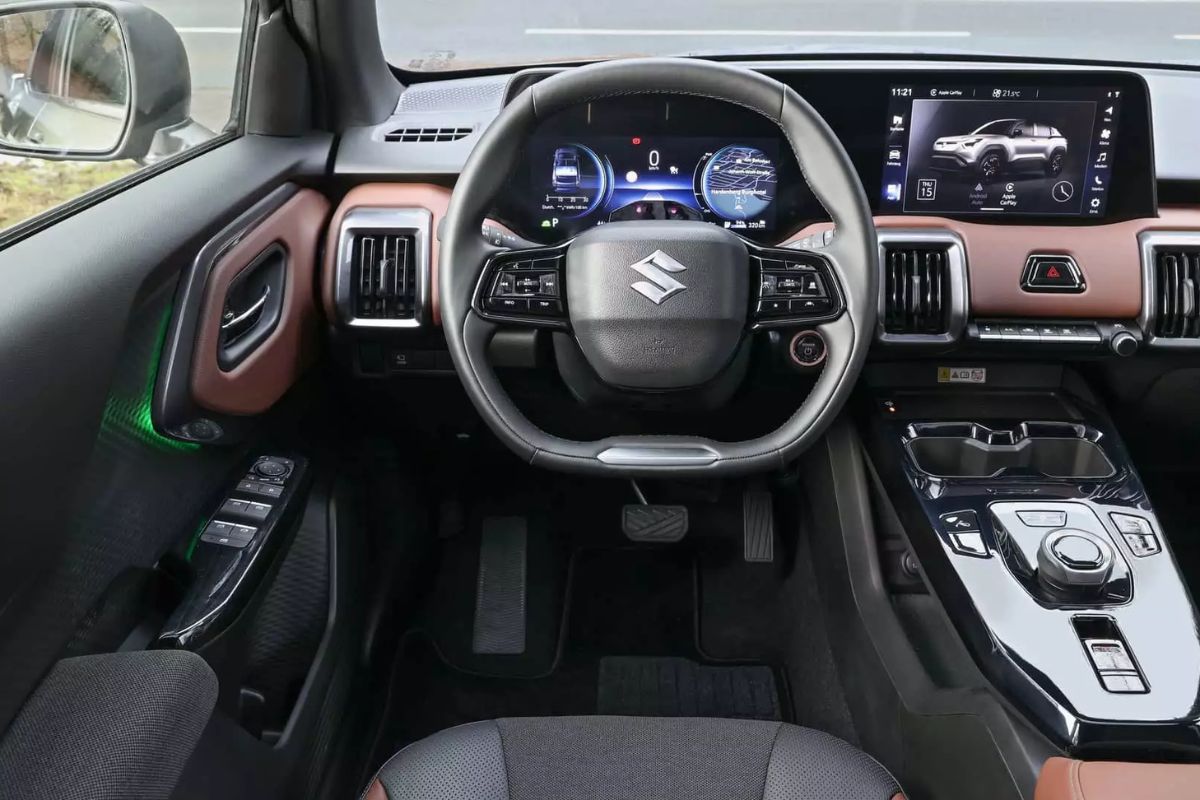
The 2026 electric Vitara arrives in Brazil and proves that Suzuki is not leaving: 4×4 traction, 184 hp, 61 kWh LFP battery, 293 km range, R$ 259,000, and a trunk capacity of 224 L.
-
Hyundai has unveiled the Boulder, a square SUV with a body-on-frame design, 37-inch mud tires, and carriage-style doors that seems to be made to take on the Ford Bronco and the Scout Traveller in the United States.

-
The Toyota Hilux is R$ 75.5 thousand cheaper and bets on the 2.8 turbodiesel engine with up to 204 hp and 50.9 kgfm to catch up with the VW Saveiro, which leads with 4,472 sales.

-
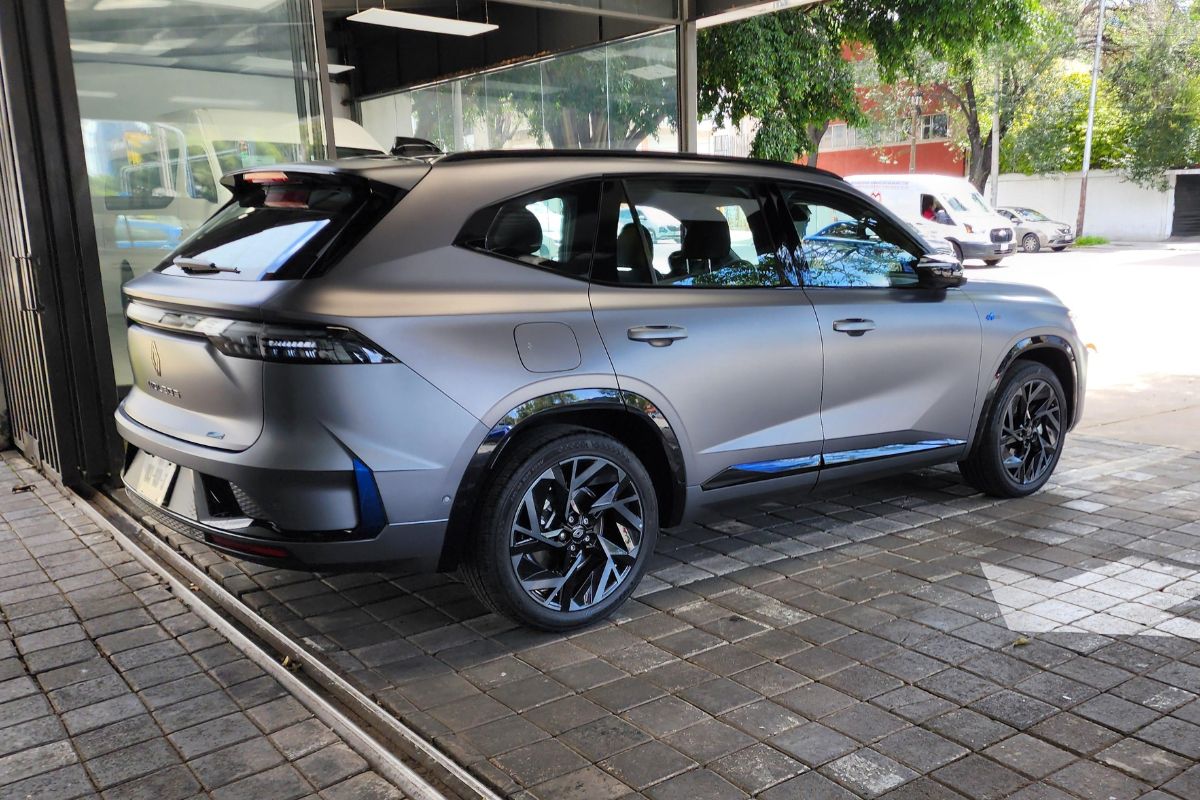
The new Renault Koleos has a screen exclusively for the passenger that is invisible to the driver, heated rear seats, and 29 assistance systems, but its Chinese competitors cost R$ 40,000 less and deliver more power.

The event officially marked the beginning of the flight testing phase of Eve Air Mobility’s urban air mobility program, a stage deemed crucial in the certification timeline. Embraer’s achievement resonated worldwide, including in countries neighboring Brazil, Europe, and the United States.
Reuters Highlights Progress Toward Certification

Reuters reported the first flight as an important step toward the certification of Eve Air Mobility’s eVTOL.
According to the agency, the test validated the initial performance of the prototype under controlled conditions, reinforcing the technical evolution of the project within the announced timeline.
Reuters also highlighted that Eve is part of a group of companies focused on electric vertical takeoff and landing aircraft aimed at short-distance urban travel.
Financial Times Discusses Commercial Timeline

Financial Times highlighted that Embraer intends to commence commercial operations of urban electric vehicles by the end of 2027.
The publication related the inaugural flight to the alignment between technological development, regulatory certification, and preparation for industrial scale production.
The newspaper pointed to the project as part of Embraer’s growth strategy in segments deemed strategic for the future of aviation.
Investing Emphasizes System Integration
The Investing website emphasized that the first flight was conducted with a full-scale, unmanned prototype at Embraer’s testing center.
According to the publication, the trial confirmed the integration of critical aircraft systems, a fundamental stage before expanding the flight envelope.
Investing also noted that the flight formally launched the flight testing campaign of Eve’s eVTOL.
Excélsior Reports Success of the Test in Brazil
The Mexican newspaper Excélsior reported that Eve Air Mobility successfully completed its first full-scale test flight of an electric aircraft.
The publication highlighted that the prototype was unmanned and remotely piloted, and that the test took place at Embraer’s facilities in São Paulo.
According to Excélsior, the flight represented a significant milestone in the advancement of the Brazilian company’s urban air mobility program.
La Jornada Points to the Start of Testing Phase
The Mexican newspaper La Jornada reported that Eve Air Mobility successfully completed the first flight of its electric flying cars.
The report stated that the inaugural flight represents the start of the testing phase of the company’s urban air mobility program, with planned expansion until 2026.
The publication cited a statement from CEO Johann Bordais, who called the event a historic milestone for the project.
Haber Aero Details Technical Evaluation
The Turkish portal Haber Aero also reported that Embraer’s subsidiary completed the first flight of the eVTOL prototype in Gavião Peixoto.
The publication highlighted statements from technology director Luiz Valentini about the assessment of control laws, the integration of the eight rotors, and energy management.
Industrial Production and Annual Capacity

Eve’s eVTOLs are being produced in Taubaté, in an industrial plant with an estimated capacity of up to 480 units per year.
The structure was designed to meet the future demand of the urban air mobility market, aligning industrial scale with regulatory requirements.
Series production depends on the progress of testing, certification, and the technological consolidation of the project.
Next Phases of the Program
According to Eve Air Mobility, the inaugural flight marks only the beginning of an extensive campaign of flight tests.
The company plans to manufacture six certifiable prototypes to conduct the necessary trials for the regulatory process.
After hovering flights, several additional flights are planned, gradually expanding the flight envelope until transitioning to fully wing-supported flights throughout 2026.
Certification and Regulatory Authorities
The commercial operation of the eVTOL depends on certification from the National Civil Aviation Agency, the primary authority in the process.
Eve also collaborates with the Federal Aviation Administration and the European Union Aviation Safety Agency for international validation.
These interactions aim to harmonize technical and operational requirements for future global operations.
Leadership Statements
Eve Air Mobility’s CEO, Johann Bordais, stated that the flight validates the company’s technical plan and generates essential data to safely advance to certification.
The technology director, Luiz Valentini, highlighted that the prototype behaved as predicted by the models.
“The prototype performed exactly as predicted by our models. With this data, we will expand the aircraft’s envelope and advance to the wing-supported transition flight in a disciplined manner, increasing to hundreds of flights throughout 2026 and building the knowledge necessary for type certification.”
According to Chief Product Officer, Jorge Bittercourt, the tests validated critical elements of the aircraft’s architecture and flight mechanics.
“This flight gives a green light to advance in what really matters to operators: reliability, efficiency, and simplicity,” emphasizes Jorge Bittercourt.
The expectation for certification, first deliveries, and the start of commercial operation remains slated for 2027, as per the timeline released by the company.
Until then, the program will remain focused on the progressive increase of tests, technical adjustments, and necessary regulatory processes.










Maravilha, tecnologia na Embraer. Parabéns
Muito grande para ser chamado de “carro voador”,seria mais sensato “helicóptero de pequno porte”!
Pra mim é só um helicóptero mais moderno