





 Portuguese
  English
  Spanish
  3 min of reading
  1 comment


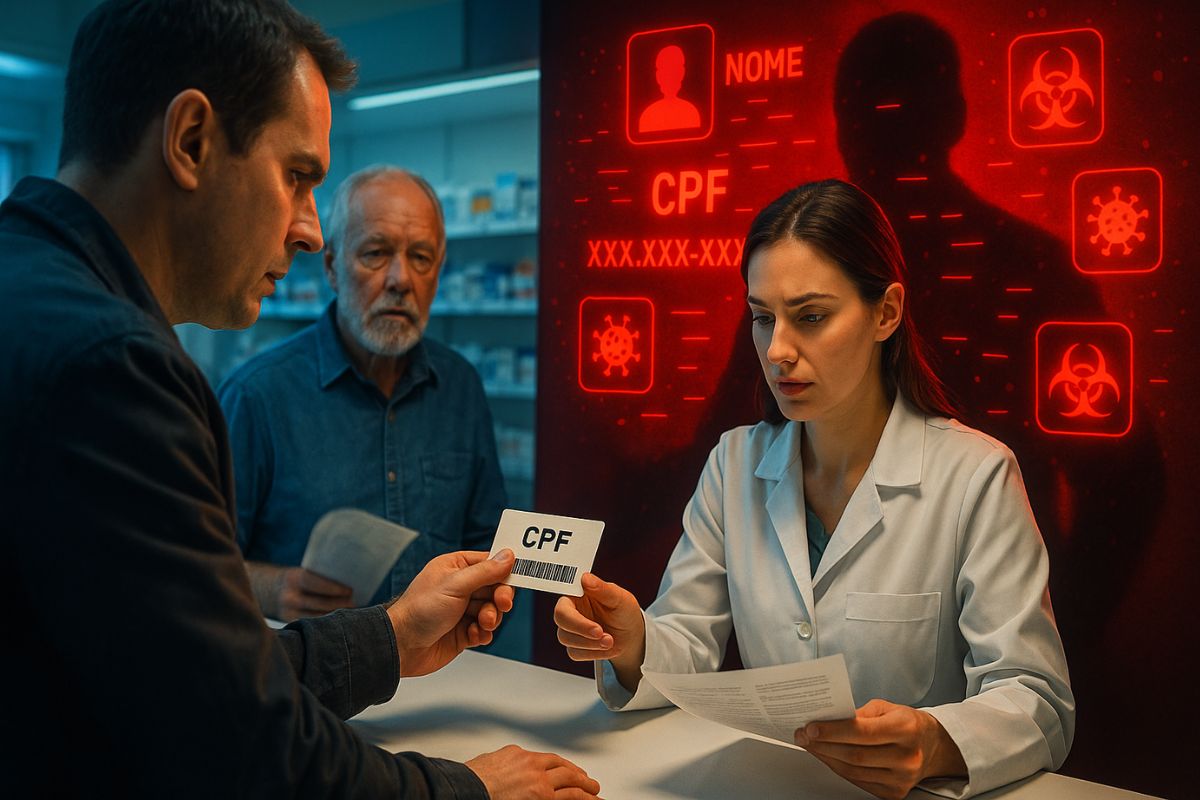


Before Buying at the Pharmacy, Understand This Information That Can Prevent Frauds. Consumers Should Be Alert: The Purchase at the Pharmacy May Hide Risks Related to Fake Loyalty Programs That Collect Personal and Health Data.
According to the Market Monitor, providing the CPF at pharmacy counters in exchange for discounts has become a common habit. But this seemingly harmless gesture has opened the door for a growing fraud in the country: the scam of the fake loyalty program, which threatens both the wallet and the privacy of Brazilians.
Before making any purchase at the pharmacy, experts warn of signs of fraud that can turn a simple search for discounts into a significant loss.
What’s Behind the Pharmacy Purchase Scam
The scam starts with the promise of benefits. The consumer is convinced that by providing their data, they will gain access to special discounts or an exclusive club. In practice, criminals use this information to create a database with the victim’s health history.
-
“No one will make us change the Pix,” says Lula after the US report.

-
Lula responds directly to Trump and says that Pix is from Brazil and will not change under pressure from anyone, after a report from the United States pointed out the Brazilian payment system as an American trade barrier.

-
Amazon has just announced a new fee on all deliveries, and your online purchases will become more expensive starting April 17, including for those buying from the United States here in Brazil.

-
He sold his share for R$ 4 thousand, saw the company become a giant worth R$ 19 trillion, and missed the opportunity of a lifetime.


This data is then sold illegally on the internet or used in more dangerous frauds, such as offering false and expensive treatments. The simple act of accepting a “registration” can put sensitive information at risk, such as chronic illnesses and ongoing medication use.
How Scammers Operate on a Daily Basis
At the counter or on fake websites, the scammer presents themselves as a clerk or representative of a pharmacy chain. The approach is always the same: the promise of an immediate discount on the purchase at the pharmacy in exchange for a quick registration.
In this process, in addition to the CPF, full name, phone number, address, and even details about illnesses are requested. The more information the customer provides, the more valuable the dossier becomes for the criminal.
Who Is the Most Common Target of the Scam
Although anyone can be a victim, the elderly and patients with chronic illnesses are the primary targets. This is because they make recurring purchases and create a health data history that is highly valuable for gangs.
The vulnerability of this demographic makes subsequent scams even more convincing, as they exploit true information about the medications used and the health conditions treated.
Main Warning Signs When Buying at the Pharmacy
Experts advise that a legitimate loyalty program does not require excessive personal information. If during your purchase at the pharmacy you notice that data such as address, medical history, or family information is being requested, you should immediately raise your alert.
Another important sign is when the “discount” can only be accessed through links received via SMS or WhatsApp. This practice is typical of phishing scams, created solely to steal personal data.
What to Do If You’ve Fallen for the Scam
Those who have provided data in suspicious situations should act quickly:
- Monitor suspicious contacts, especially messages about health.
- Change passwords used in fraudulent registrations.
- Dispute unauthorized charges on bank accounts or credit cards.
- File a police report to formalize the crime.
- Report the pharmacy to Procon and ANPD if the scam originated from the establishment.
How to Protect Yourself in Your Next Pharmacy Purchase
The recommendation from experts is clear: always be suspicious when asked for information beyond the CPF. Prefer official apps from large chains to manage discounts, as privacy policies in these environments are transparent.
Treating your health data with the same care you treat your banking information is essential. After all, sensitive data can be exploited not only financially but also in scams that directly affect well-being.
The purchase at the pharmacy, which should be a simple routine, has become a target for criminals who exploit consumer trust. Prevention lies in questioning each request for information and refusing to share data beyond what is necessary.
And you, have you ever been pressured to provide personal information when making a purchase at the pharmacy? Do you think these loyalty programs really bring benefits or represent a risk? Leave your opinion in the comments, we want to hear your real experience.









Eu Utilizo o CPF Para Desconto, Apenas Ele, Nada Mais, Temos Que Estar Sempre Atentos.