





 Portuguese
  English
  Spanish
  3 min of reading
  0 comments


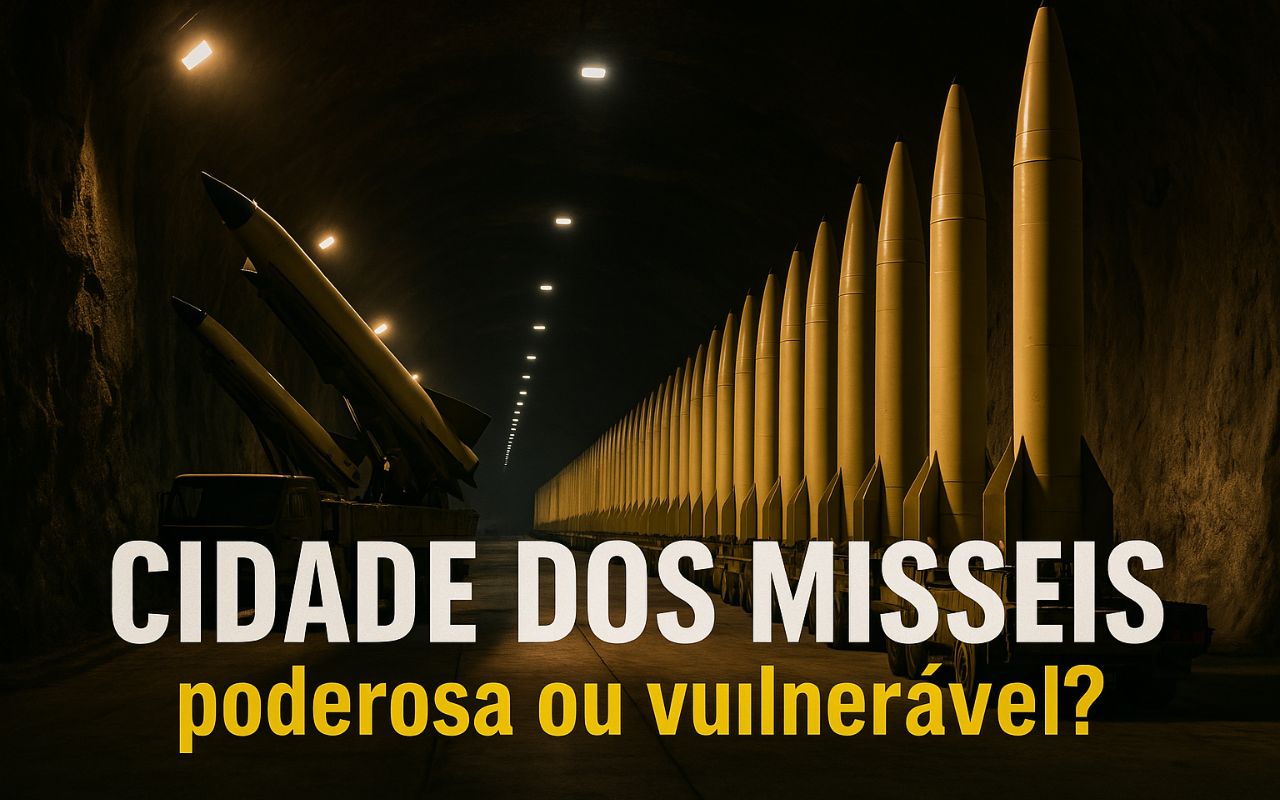
New Video From Iranian Government Shows A Subterranean Missile Complex With Mobile Platforms And Long-Range Weapons. Despite The Display Of Strength, Analysts Point Out That The Structure Lacks Isolation Between Compartments, Creating A Real Risk Of Chain Reaction Explosions.
Iran has just shown the world what it calls the “Missile City,” a massive underground base filled with heavy weaponry and ready to respond to any threat. The display, made by military leaders in March 2025, appears to be a show of force. But experts noticed something serious in the video: a structural flaw that could make the entire complex vulnerable in case of an attack.
The images show long corridors filled with ballistic missiles and warheads lined up, all in connected tunnels without divisions. The lack of containment doors between compartments raises alarms for a potential “domino effect” if a single detonation occurs within the structure.
The Arsenal Of The Missile City That The World Saw For The First Time
The video released by state media shows high-ranking Iranian generals walking side by side through deep tunnels. Around them are armaments such as the Kheibar Shekan, Sejjil, Emad, Qadr missiles, and the Paveh cruise missile, all with long range and destructive power.
-
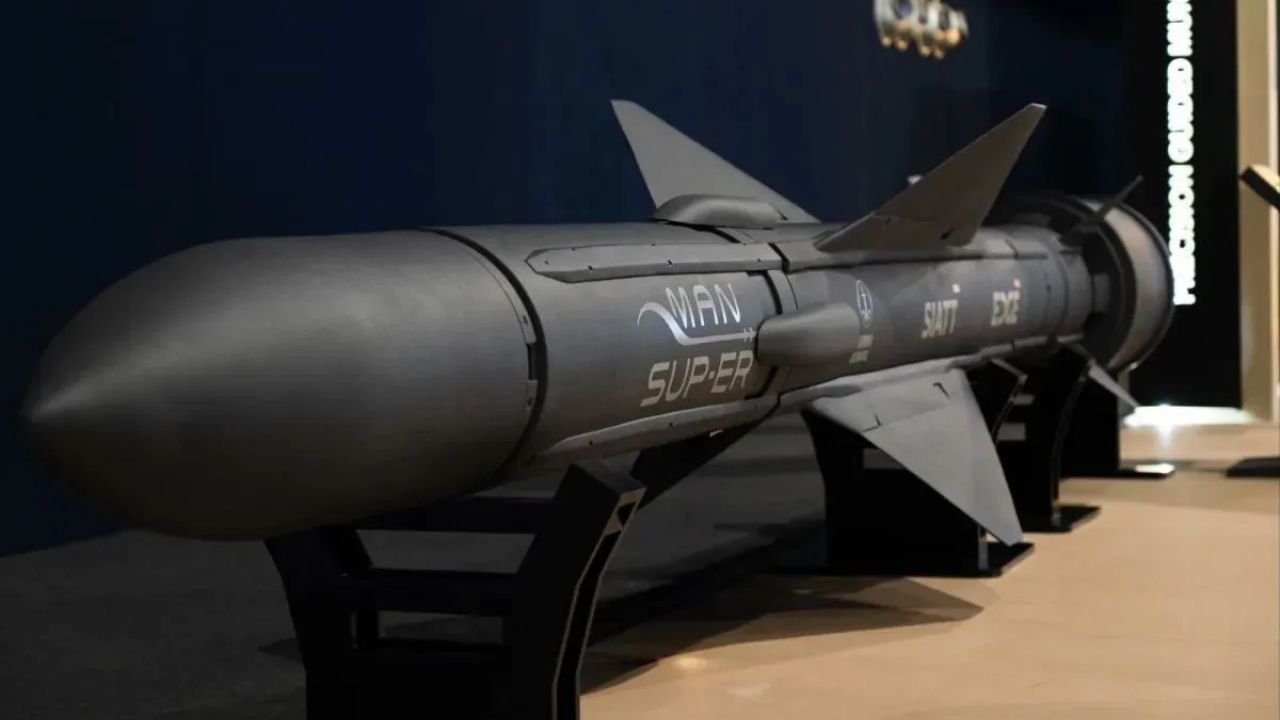
Brazil accelerates the evolution of the MANSUP missile, designing an air-surface version with a range exceeding 200 km, advanced guidance, and precision strike capability against land and naval targets, paving the way for a new generation of national armaments with global potential.
-
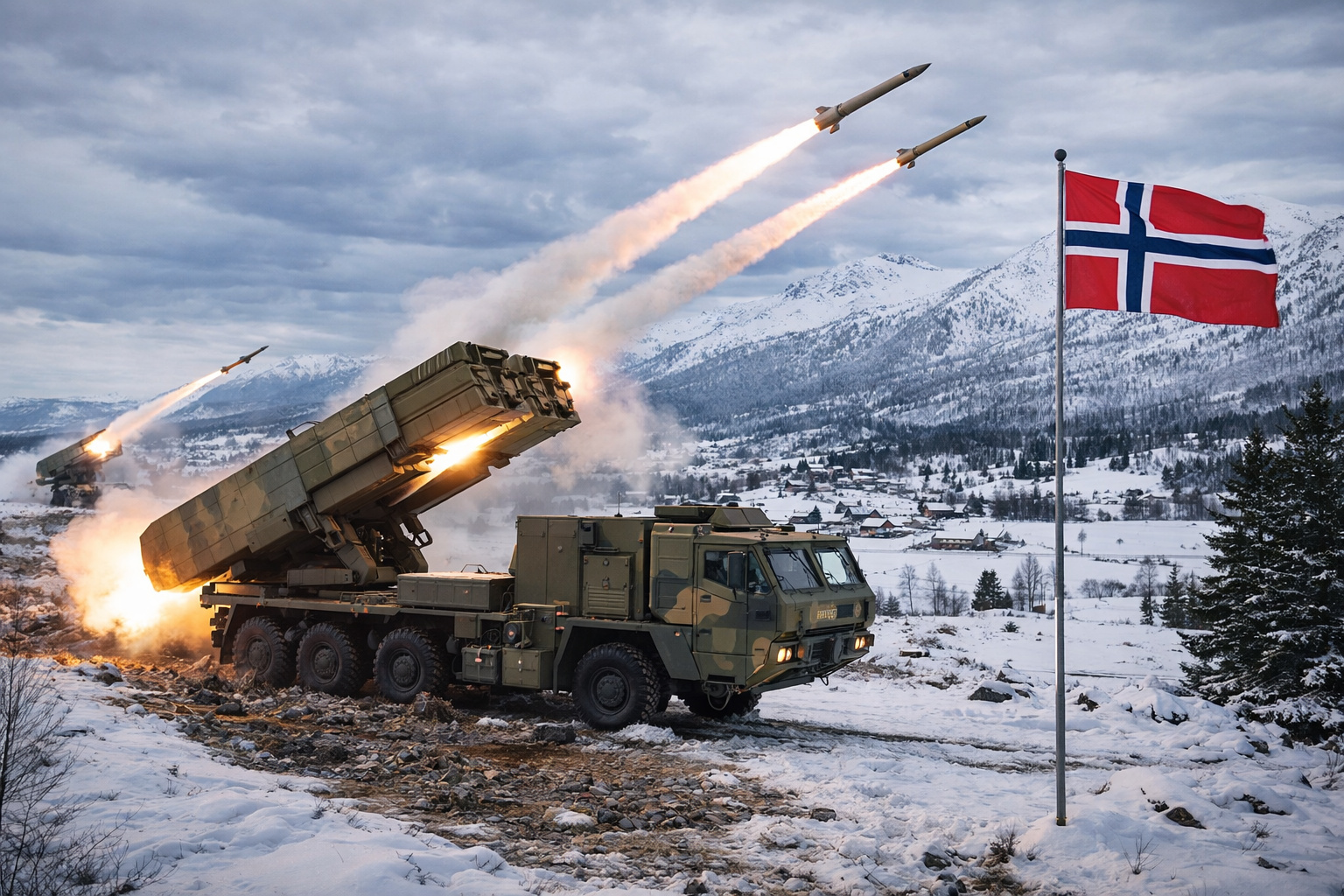
South Korea signs a $922 million deal with Norway, bringing Chunmoo launchers capable of firing guided missiles up to 290 km with an accuracy of 15 meters to Europe and turning the system into a key component of the new global race for precision artillery.
-
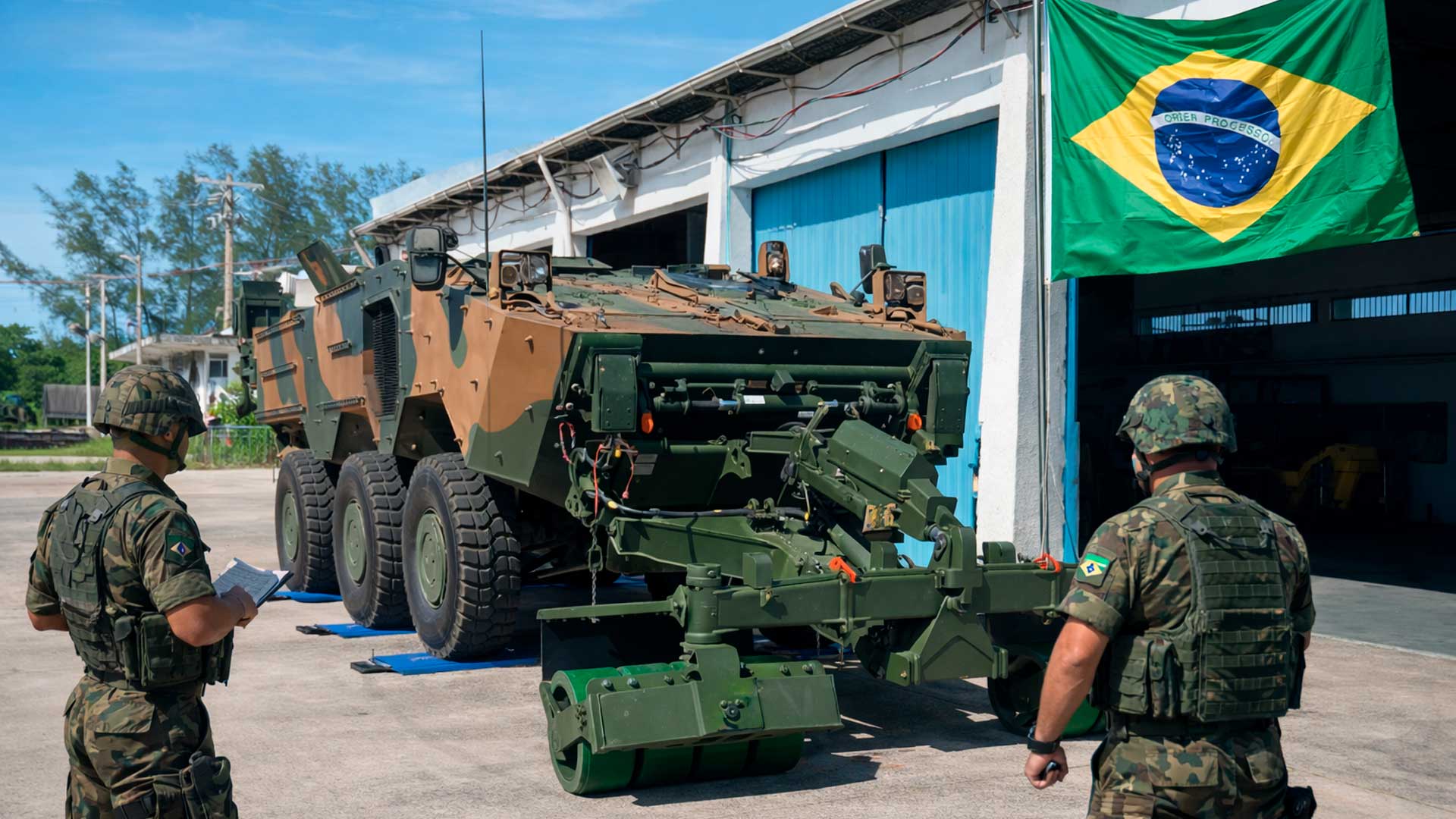
Brazil advances with decisive tests until June, the 6×6 Guarani armored vehicle with engineering equipment enters the most important phase and can enhance the operational capability of the Army.
-
Furnas Airport is handed over to the Navy and becomes a strategic base with complete military operations, attack drones, and international mobilization at Furnas Lake.

The base is reported to be about 500 meters underground, according to CNN Brasil, which would make conventional attacks difficult. However, this depth alone does not guarantee invulnerability. The images reveal that the missiles are side by side, with no physical barriers between them. This could turn any direct impact into a series of uncontrollable explosions.
Strategic Display Or Risky Propaganda?


The Revelation Of The Base Came At A Delicate Moment. The United States has increased its presence in the Middle East, with B-2 bombers positioned at Diego Garcia Island, armed with penetrating bombs like the MOP, capable of penetrating dozens of meters of concrete and soil before detonating.
Military analysts believe that the video released by Iran of the Missile City is meant to show that the country is prepared to retaliate against any offensive. However, the message may have backfired: by showing the details of the base, the Iranian government may have inadvertently revealed its most dangerous weak point.
Underground Bases Have Been Targets Before
This is not the first time that underground bunkers have been discussed. In September 2024, Israel destroyed a missile production center in northwestern Syria with surgical precision. The operation combined helicopter infiltration, data collection, and specialized bomb attacks.
Another recent case involved the use of bunker-buster bombs against a command center in Beirut, eliminating one of Hezbollah’s leaders. These episodes show that even the most protected facilities are far from impenetrable with today’s military technology.
Real Risks Inside The Iranian “Fortress”
The major problem lies in the internal architecture of the Missile City. Continuous tunnels, without divisions between sectors, make the base a ticking time bomb. In the event of a technical failure or external attack, a single explosion can trigger a chain reaction and render the entire structure unserviceable.
Tunnels of this type require entries for vehicles, ventilation, power, and communication, all fragile points that can be mapped by satellites, drones, or infiltrated agents. A well-calculated attack can seal entrances, cut off oxygen, and bury equipment (and operators) under tons of concrete.









-

Uma pessoa reagiu a isso.