





 Portuguese
  English
  Spanish
  7 min of reading
  0 comments


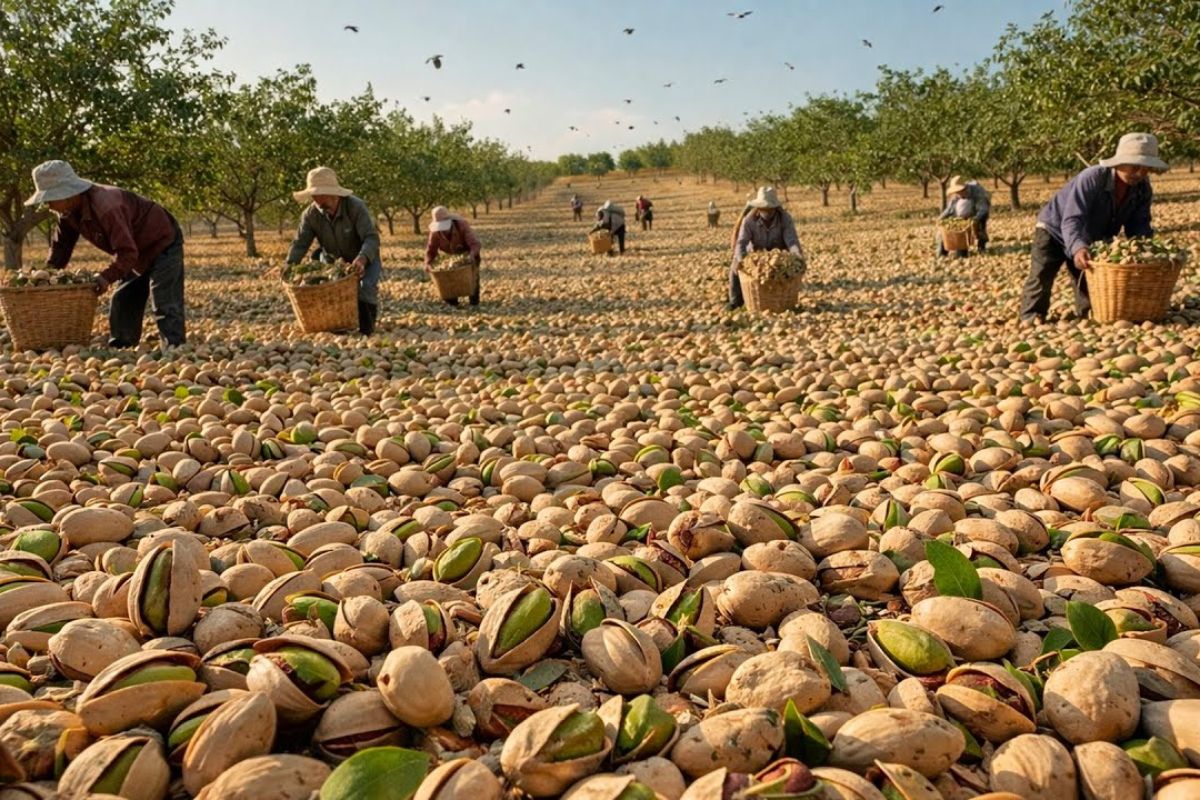
Pistachio Has Become a Synonym for Luxury in Brazilian Showcases, Is Expensive Worldwide, Requires Years of Investment, Very Specific Climate, and High Technology in the Field, Which Helps Explain Why It Is Still Rare on Brazilian Farms.
As consumption grows and pistachios appear in ice creams, cakes, and desserts, producers from various countries bet on a long-term culture that demands planning, precision irrigation, and rigorous post-harvest processes. Understanding why pistachios are expensive worldwide involves looking at the tree, the climate, and the logistics that start in the orchard and end in the confectionery.
Contrary to what many people think, it’s not just a “different nut” that has become fashionable. The pistachio is the result of a complex production chain that begins in specific regions of the planet, crosses challenges of water, cold, and heat, goes through harvesting and drying machines, and only then reaches the packages we see on the market. Along the way arise the central questions of this article: why does this product cost so much, how do pistachio growers make money, and why does Brazil hardly participate in this game.
How Pistachio Became Luxury and Is Expensive Worldwide

If someone had said a few years ago that a small green seed, almost unknown to the Brazilian public, would become one of the most desired ingredients in confectionery, many would have doubted it.
-
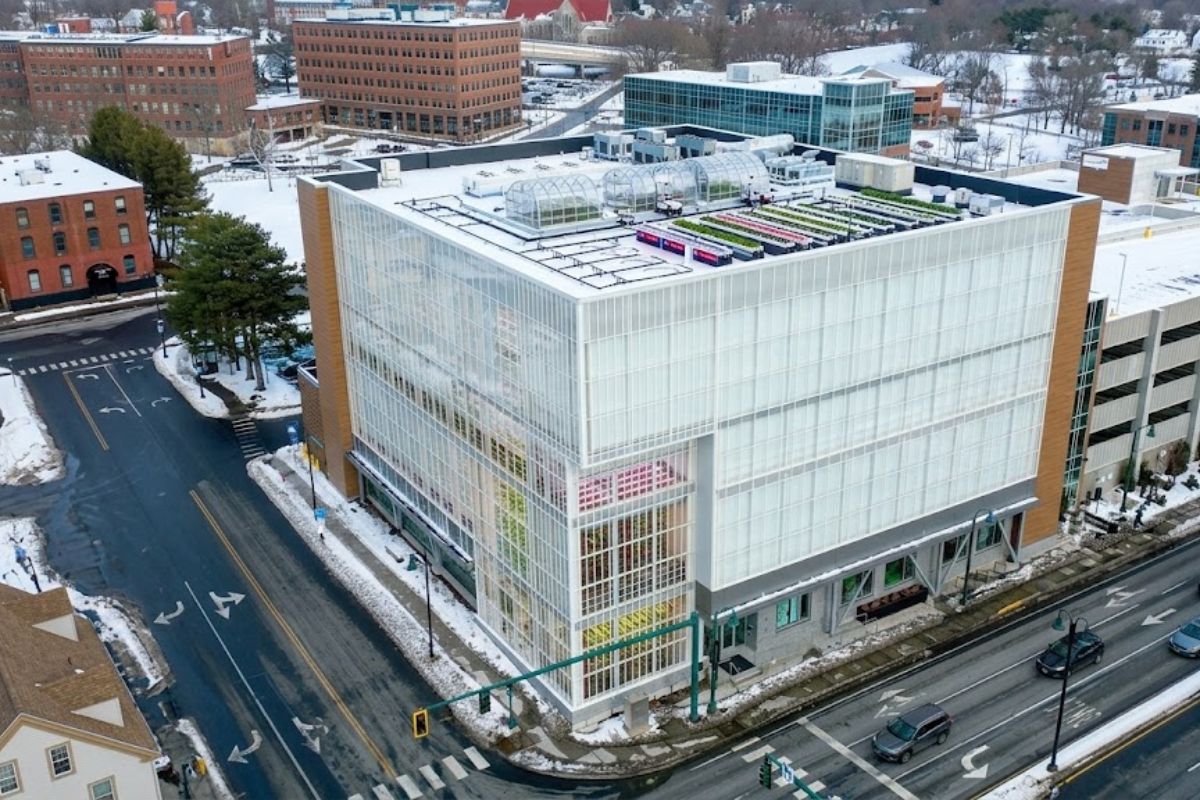
This farm in the United States does not use sunlight, does not use soil, and produces 500 times more food per square meter than traditional agriculture: the secret lies in 42,000 LEDs, hydroponics, and a system that recycles even the heat from the lamps.
-
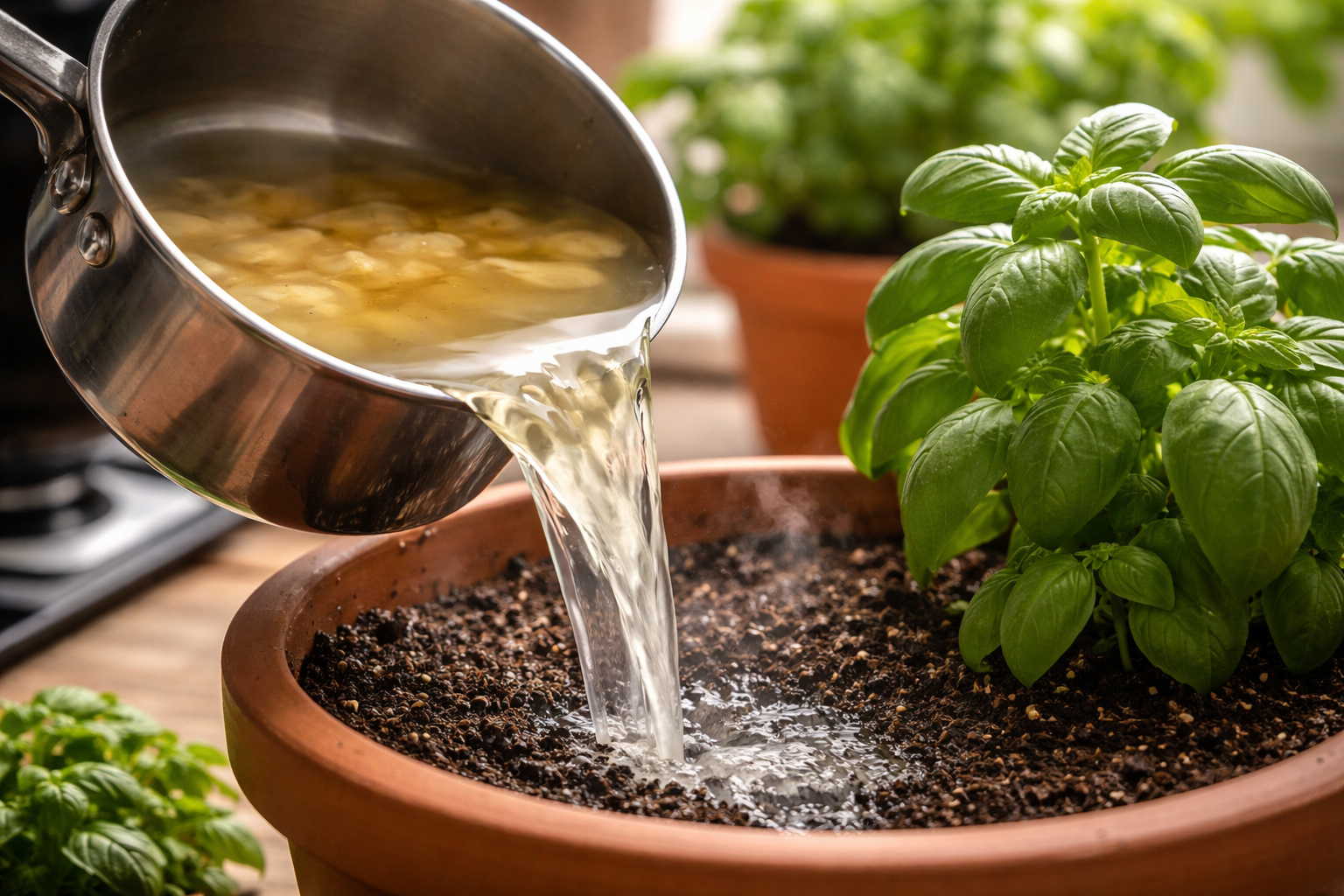
The water that almost everyone throws away after cooking potatoes carries nutrients released during the preparation and can be reused to help in the development of plants when used correctly at the base of gardens and pots, at no additional cost and without changing the routine.
-
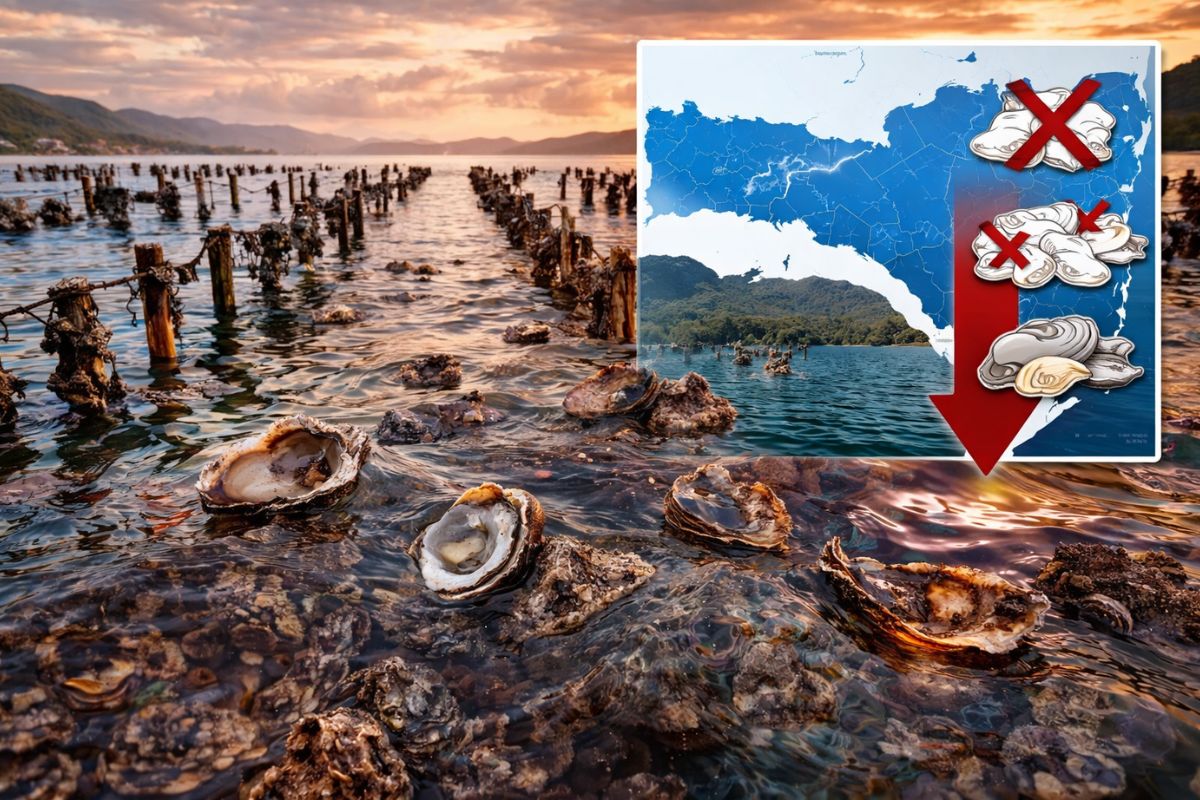
The sea water temperature rose from 28 to 34 degrees in Santa Catarina and killed up to 90% of the oysters: producers who planted over 1 million seeds lost practically everything and say that if it happens again, production is doomed to end.
-
An Indian tree that grows in the Brazilian Northeast produces an oil capable of acting against more than 200 species of pests and interrupting the insect cycle, gaining ground as a natural alternative in soybean, cotton, and vegetable crops.

Today, however, the pistachio is found in showcases of sweets, artisanal ice creams, fine chocolates, and premium desserts, always associated with exclusivity and a high price.
This luxury status does not come merely from recent fame. It is a direct consequence of how the pistachio tree is cultivated, the limited areas where the plant adapts, and the level of care required from the producer.
When we combine restrictive climate, long-term investment, and complex industrial processes, it becomes easier to understand why pistachios are expensive worldwide.
The Tree That Requires the Right Climate, Cold in Winter and Heat in Summer
The pistachio that reaches the market comes from the pistachio tree, a tree cultivated for thousands of years in regions of the Middle East, Central Asia, and the Mediterranean area. Since its origin, the pistachio has been linked to few places in the world, with dry climates, hot summers, and truly cold winters.
It’s not enough to have “a little chill” now and then. The pistachio tree needs to undergo an adequate period of cold in winter to break dormancy and bloom properly in spring.
Without this cold, the plant grows, but does not produce fruit in satisfactory quantity and quality, which makes the cultivation economically fragile.
Additionally, the pistachio tree has an important characteristic for management: it is a dioecious plant. There are male trees and female trees.
Only females produce the pistachios that reach the market, but they depend entirely on pollination done by male trees.
This means that the producer needs to plan, already at planting, the correct proportion of male and female plants and the ideal positioning in the orchard so that the wind carries the pollen at the exact time of flowering.
None of this is random. Every wrong decision in the orchard’s design can compromise years of work, which weighs heavily when we talk about an expensive and high-risk crop.
Long-Term Investment, Rootstocks, and More Sparsely Planted Orchards
Anyone deciding to invest in pistachios needs to understand that they are not entering a fast-return crop. It is not like corn, soybeans, or common fruits that can generate revenue in a few months. Pistachios are a long-term project.
In many cases, the orchard only starts producing significantly after several years. This requires capital, patience, and financial planning. It is not a business for those who need immediate money or cannot wait the time it takes to establish the crop.
The seedlings are generally not made from common seeds. It is more common to use more resistant rootstocks, where grafts with productive and commercial varieties are performed. This brings clear advantages: greater uniformity of the orchard, better adaptation to the soil, and more predictable productivity in the future.
Another important point is spacing. The pistachio tree grows quite large and needs light, ventilation, and space to develop.
Therefore, orchards tend to be more “sparse,” with fewer plants per hectare, which reduces planting density and directly influences the producer’s calculations.
Technology, Water, and Post-Harvest: Where Costs Skyrocket
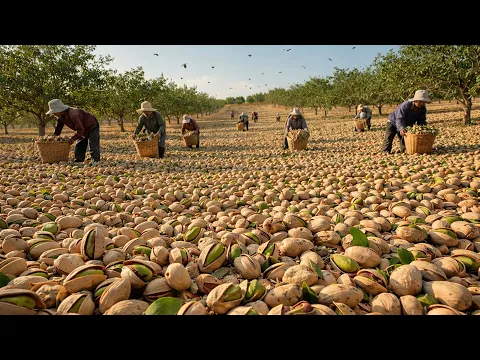

Even being a culture adapted to dry regions, pistachios cannot thrive without technology. In large farms, drip irrigation is practically standard, ensuring water is provided precisely without waste.
In many locations, water restrictions and periods of extreme heat already affect productivity and the size of the fruits, which further increases the business risk.
When the tree finally enters production, one of the most delicate phases of the entire chain begins: harvesting. The pistachio has an exact maturity point.
When it is ready, the outer shell comes off easily, and the inner shell opens naturally, forming the split that everyone recognizes. This opening is a sign of quality and commercial value.
In large properties, harvesting is usually mechanized. Machines shake the trees and quickly collect the fruits. Speed is not just a detail.
Unlike many other crops, pistachios cannot remain idle for long after harvesting. If this happens, quality deteriorates, the risk of contamination increases, and the product’s value plummets.
Right after harvesting, an intense post-harvest process begins: removal of the outer shell, washing, sorting, grading, and controlled drying. Drying is essential to reduce moisture, ensure preservation, flavor, and crunchiness.
Next, the product undergoes selection by size, appearance, and shell opening. Only then is it ready to be stored or sent to the market.
When we combine restrictive climate, demanding management, drip irrigation, harvesting machines, and a post-harvest structure, it becomes clear why pistachios are expensive worldwide and why not every producer is willing to face this package of costs and risks.
How Farms Turn Pistachio into Money
After all that work, it is in the commercial stage that the pistachio finally transforms into revenue. Farms have various ways to earn money from the same raw material.
A portion of the production is sold with the shell, very common in retail for direct consumption. Another part is sold without the shell, aimed at food and confectionery industries. There is also roasted and salted pistachio, which adds value and caters to a specific audience.
But the greatest potential often lies in the derivatives. Pistachios become paste, cream, crunchy flour, filling, oil, and base ingredient for chocolates, ice creams, cakes, and premium desserts. The more the product is processed, the greater its profit margin tends to be.
Additionally, pistachios are highly valued in international trade. They are lightweight, easy to transport, have a long shelf life, and high prices per kilogram.
This makes export one of the pillars of business in producing countries, reinforcing the notion that it is a crop focused on demanding markets willing to pay a premium.
Why Pistachios Are Almost Not Produced in Brazil

In light of all this, the inevitable question arises: if pistachios move millions and have become a symbol of luxury, why does Brazil hardly produce any.
The first factor is climatic. A large part of Brazilian territory does not provide the necessary winter cold for pistachio trees to produce at a high level.
There are specific regions, at higher altitudes and with harsher winters, where the culture could be tested, but this does not mean economic viability on a large scale.
The second point is the return time. Pistachios require years of investment before generating profit. In a country accustomed to short-cycle crops that are more attractive from the standpoint of immediate financial returns, the idea of waiting so many years to see results scares off many producers.
There is also the sanitary and bureaucratic factor. To have pistachios on a commercial scale, it would be necessary to import suitable genetic material, such as seedlings and rootstocks.
This process is highly controlled to avoid the entry of pests and diseases, which makes it expensive, complicated, and prolongs the entire procedure.
Finally, there is international competition. Countries that have been producing pistachios for decades dominate technology, have structured logistics, scales, and consolidated markets.
Entering this game requires significant capital, strategy, and risk tolerance, something that does not always align with the average Brazilian producer’s profile.
The result: today, almost all the pistachios consumed in Brazil are imported. Even so, consumption has surged and reinforced the perception that pistachios are expensive worldwide, especially in economies that rely on external products to meet internal demand.
The Future of Pistachios and the Space for Brazilian Niches
Nothing prevents the emergence of pistachio projects in specific regions of Brazil in the future, with more suitable climates and a focus on high-value niches.
Small orchards well-planned, with technology and a focus on quality, could cater to markets for premium desserts, chocolatiers, and artisanal confectionery.
This, however, does not change the general logic. Pistachios will continue to be an expensive, long-term culture, with restrictive climates and a strong dependence on technology, both in the field and in post-harvest.
As long as this equation does not make sense for the majority of Brazilian producers, pistachios will remain an imported luxury that is expensive worldwide and found in few hands in the field.
And you, looking at all this, do you think pistachios really deserve to be so expensive, or would you pay less even if they weren’t so perfect in desserts?






-

-

-

-

11 pessoas reagiram a isso.