





 Portuguese
  English
  Spanish
  3 min of reading
  1 comment


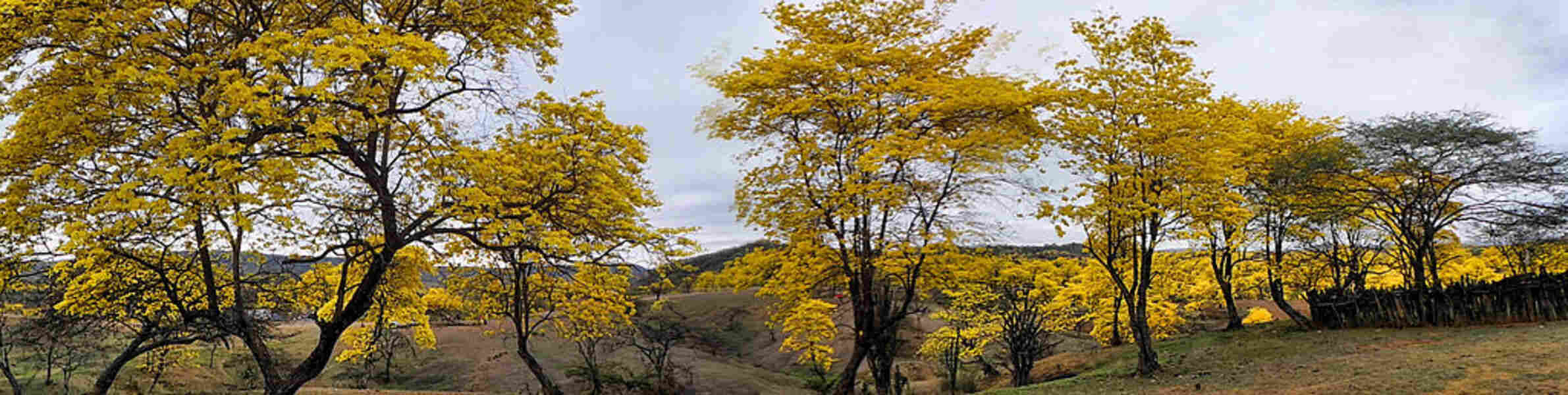


In The Heart Of The Argentine Chaco, The Guaiac Impresses With Its Ultra-Resistant Wood, Ecological Value And Cultural Importance To The Region
Amidst the vegetation of the Argentine Chaco, near the border with Brazil, a tree draws attention for its strength and ecological importance. It is the guaiac, considered the plant with the most resistant wood on the planet. In addition to impressive hardness, the tree plays a vital role in the region’s biodiversity.
The wood of the guaiac is recognized worldwide for its density. So heavy that it sinks in water, it has long been used in the manufacture of furniture and tools.
Its resistance is not just physical. This tree survives in hostile environments, such as poor soils and the dry climate of northern Argentina.
-
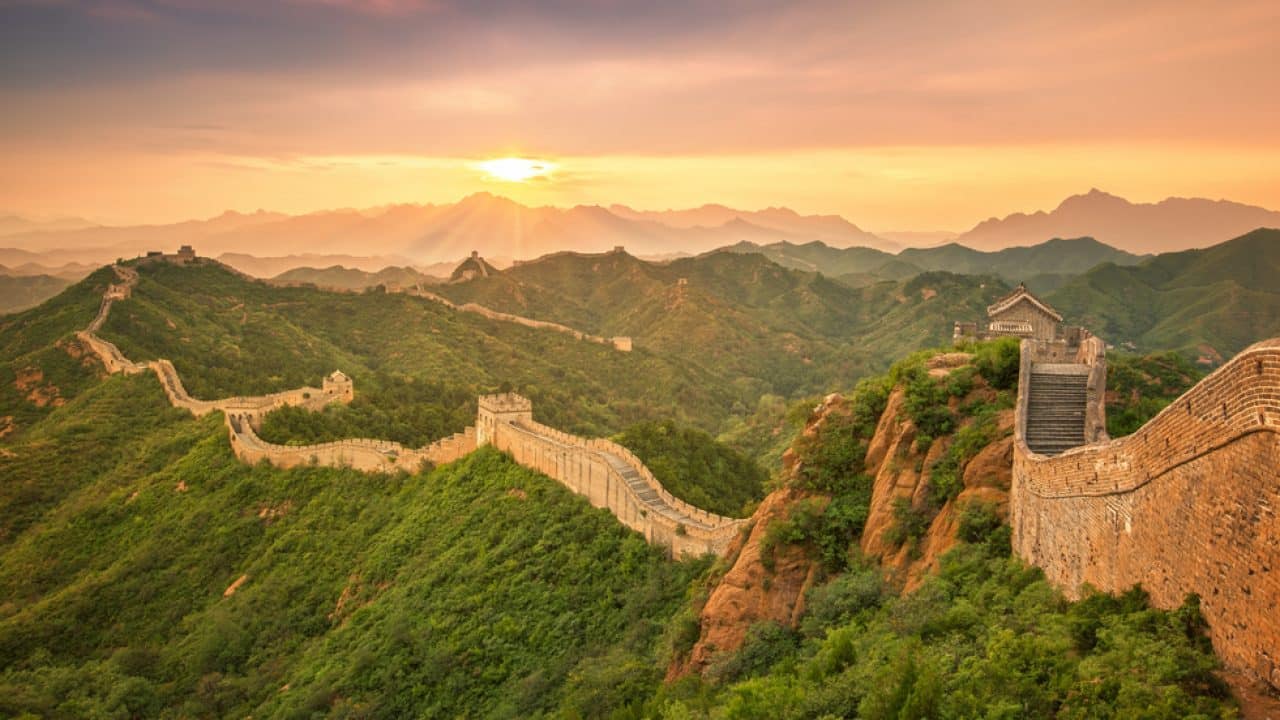
Why was the Great Wall of China built? The truth that many are unaware of!
-
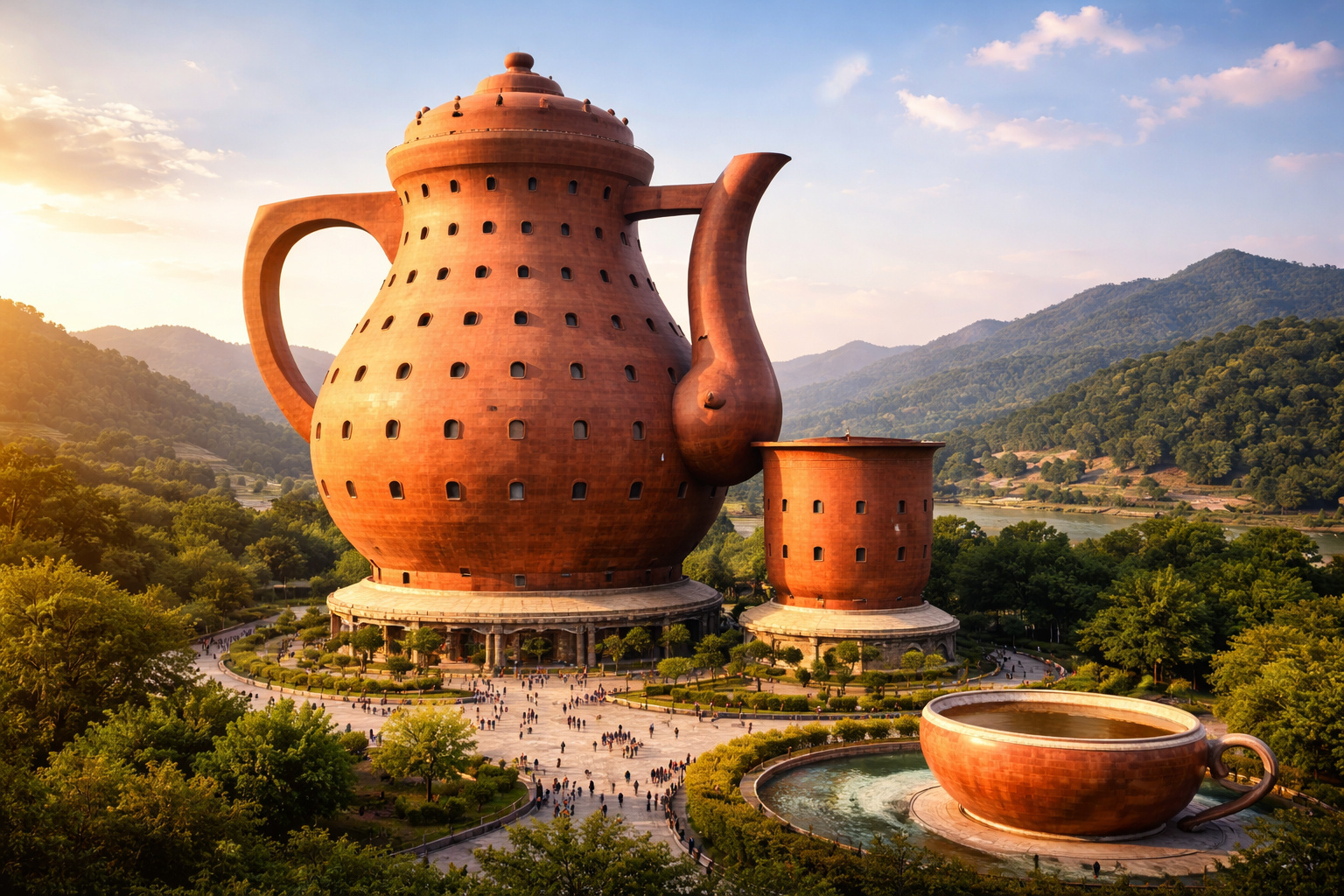
At 73.8 meters tall, the world’s tallest teapot-shaped building has 15 floors, ensures stability, and impresses with an internal space of 28,000 cubic meters.
-
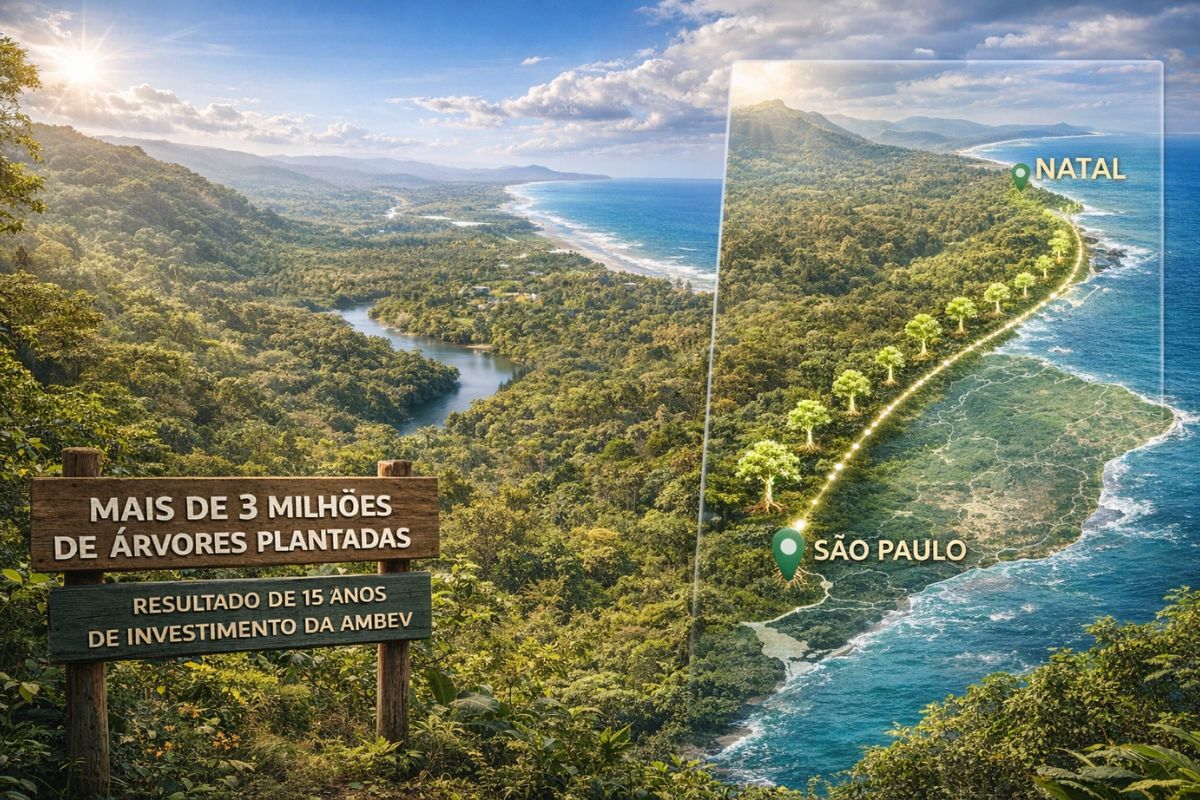
Ambev has planted over 3 million trees and restored an area equivalent to the coastline from São Paulo to Natal, and the result after 15 years of silent investment has finally appeared for all of Brazil to see.
-
A new AI collar technology for cattle eliminates physical fences, creates virtual barriers, monitors animals 24/7, and detects changes in behavior and health.


Relative Of The Ipês, But More Resistant
The guaiac belongs to the same family as the famous yellow ipê, the Handroanthus. Despite the similarities, the guaiac stands out for its hardness and the distinctive tone of its wood, which varies between dark brown and greenish.
With striking grains and an attractive appearance, it is sought after not only for its beauty but mainly for its strength.
This tree also represents a symbol for the local communities. It provides shelter for various species and has a significant presence in local culture.
With the potential to live for decades, even centuries, the guaiac maintains its grandeur even in the face of environmental adversities.
The Strongest Woods On The Planet
Despite standing out, the guaiac is not alone in the ranking of the most resistant woods. According to the portal Maderea, several species around the world share similar characteristics of hardness and durability.
The quebracho, for example, is also native to South America and known for its extreme hardness. The gidgee, from Australia, has weight and density comparable to ebony.
The snakewood, found in forests in South America, combines strength with an exotic appearance, reminiscent of snake skin.
In Africa, two species stand out: the acacia erioloba, ideal for outdoor use, and the black granadillo, used in durable tools.
Other notable woods include ironwood, common in the Caribbean, and katalox, with an ornamental appearance. The cebil, native to Brazil, is famous for resisting termites, which reinforces its practical application.
Guaiac: Symbol Of Natural Strength
The guaiac is not just a resistant tree. It represents a connection between nature, culture, and tradition.
Its presence in the Argentine Chaco shows how native vegetation still holds unique secrets and potentials.
Even in a global scenario with so many types of strong wood, the guaiac remains a reference, both for its density and its symbolic value.
Today, this tree stands firm in its environment, protecting species, providing valuable wood, and resisting time. It is a true natural icon of South America.
With information from Itatiaia.







Onde conseguir mudas ou sementes?