





 Portuguese
  English
  Spanish
  5 min of reading
  5 comments


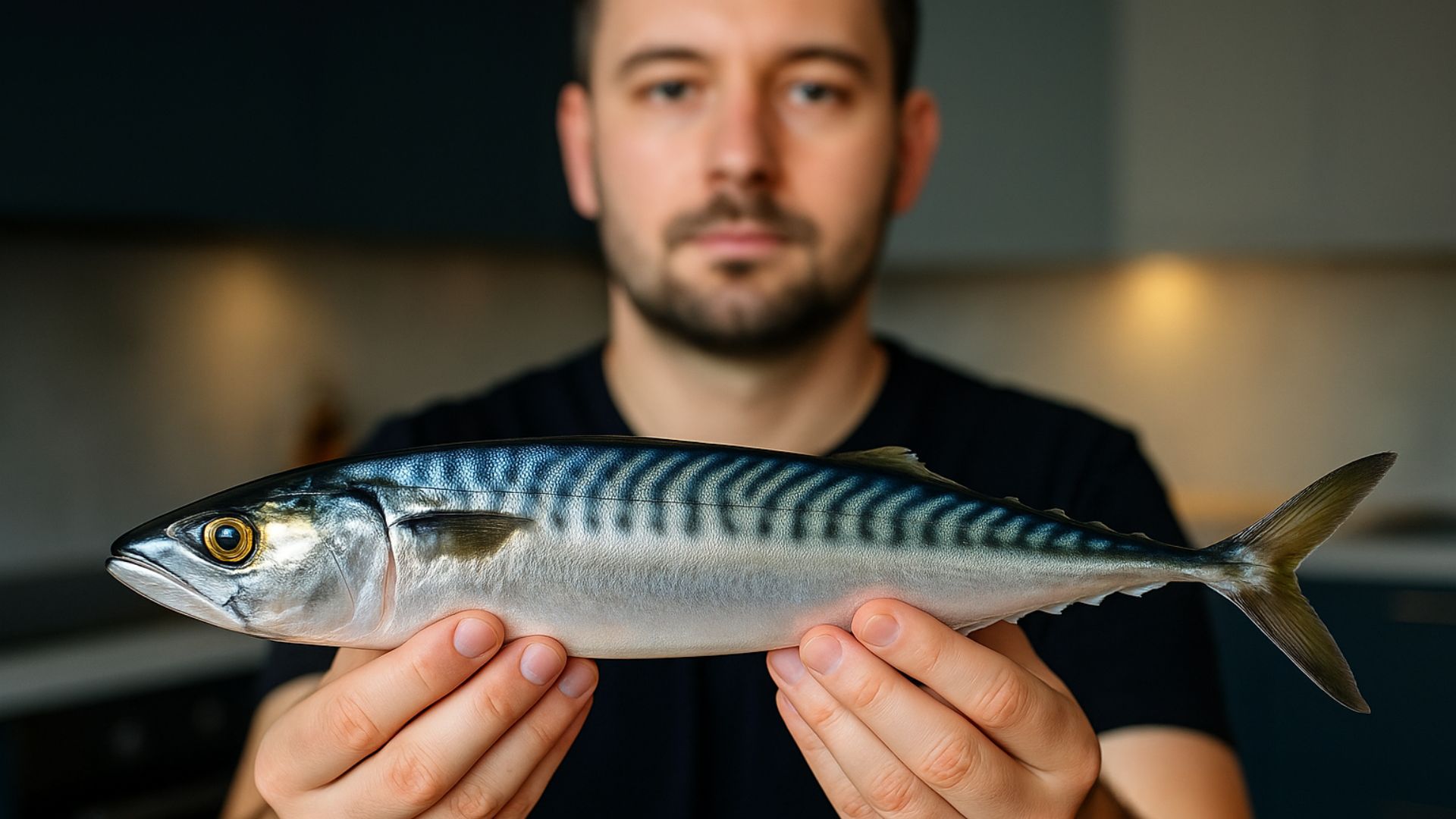


Previously Underestimated Species Gains Attention for Its Nutritional Value, Affordable Cost, and Constant Presence in the Brazilian Market, Making It an Increasingly Frequent Option in Daily Diets.
For a long time, the cavalinha primarily appeared on the simplest tables in the country, associated with the idea of “poor people’s food”.
Sold easily at open-air markets and popular stores, it was a cheap, accessible, and practical fish, but often underestimated.
In some contexts, serving cavalinha to guests was even interpreted as a sign of excessive simplicity. This scenario is changing.
-
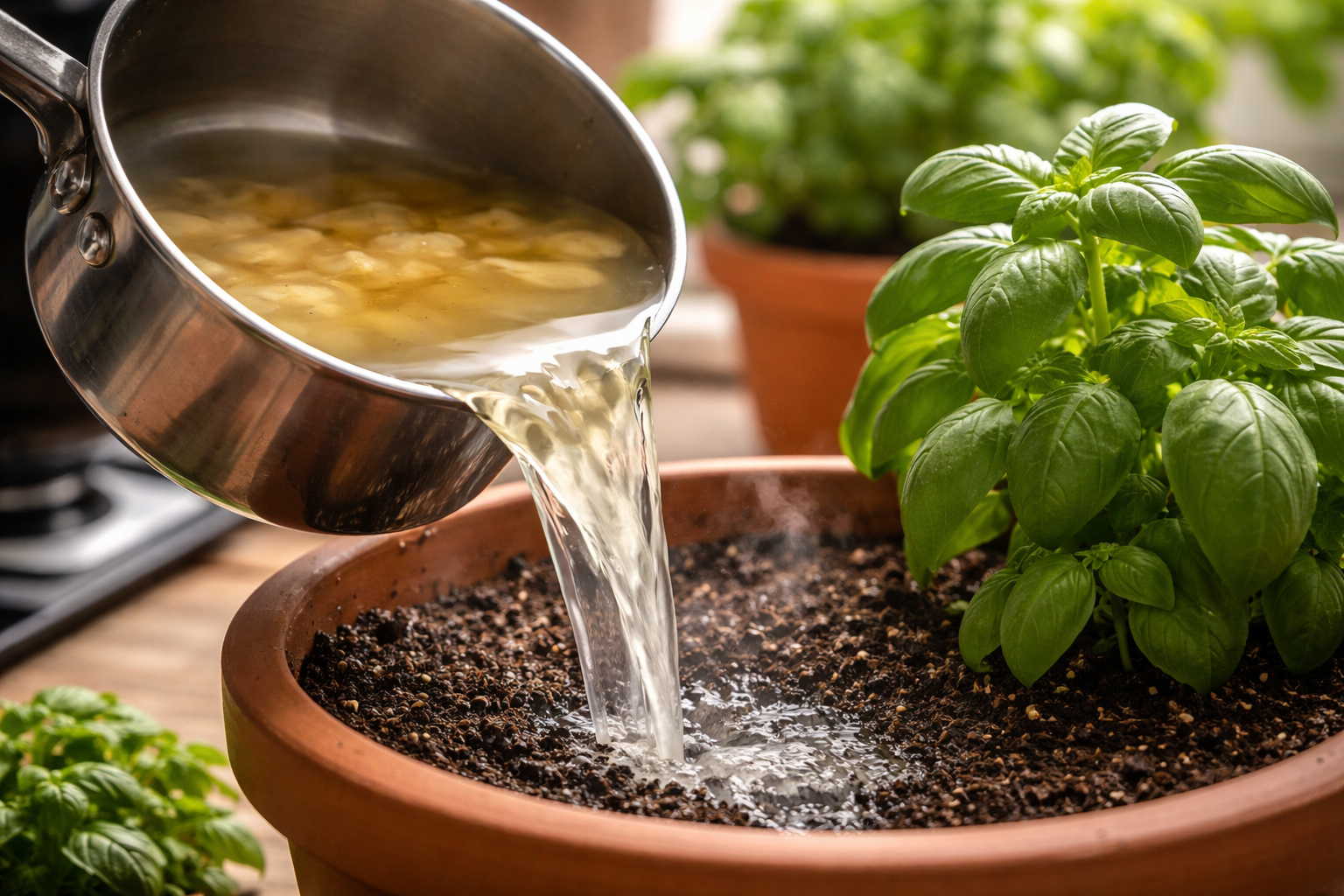
The water that almost everyone throws away after cooking potatoes carries nutrients released during the preparation and can be reused to help in the development of plants when used correctly at the base of gardens and pots, at no additional cost and without changing the routine.
-
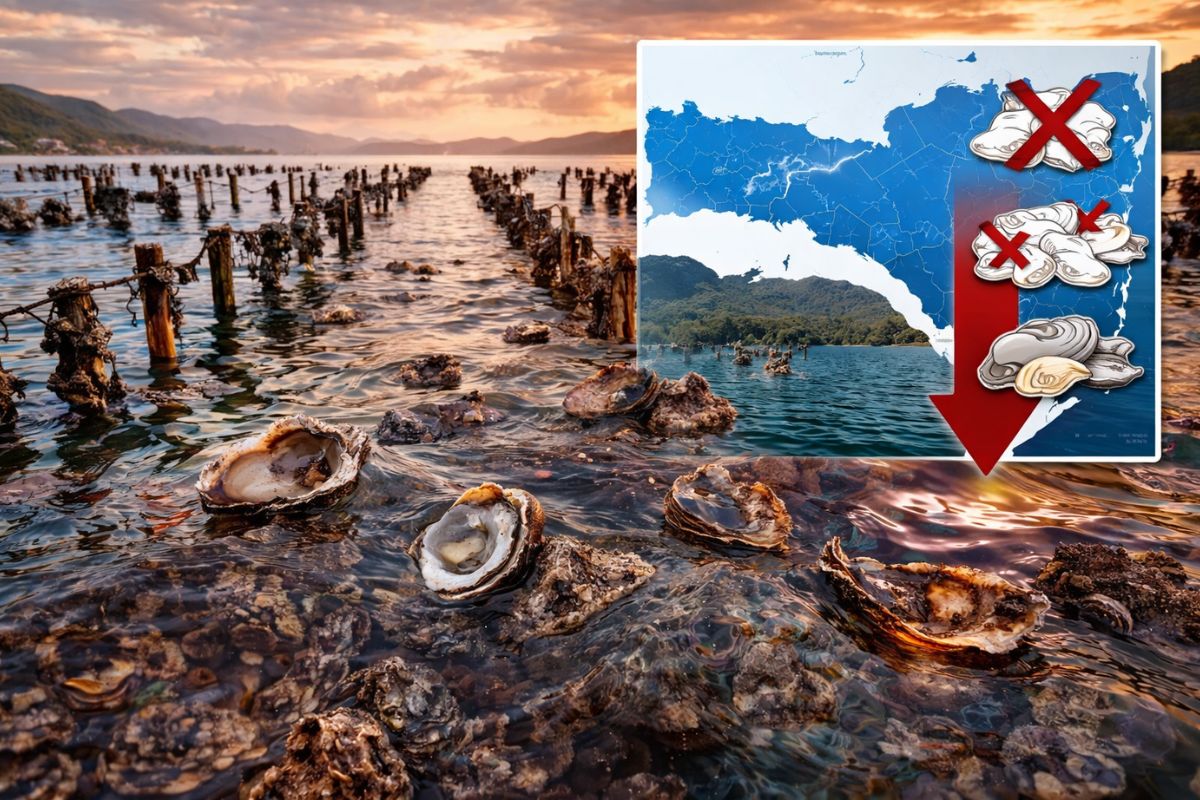
The sea water temperature rose from 28 to 34 degrees in Santa Catarina and killed up to 90% of the oysters: producers who planted over 1 million seeds lost practically everything and say that if it happens again, production is doomed to end.
-
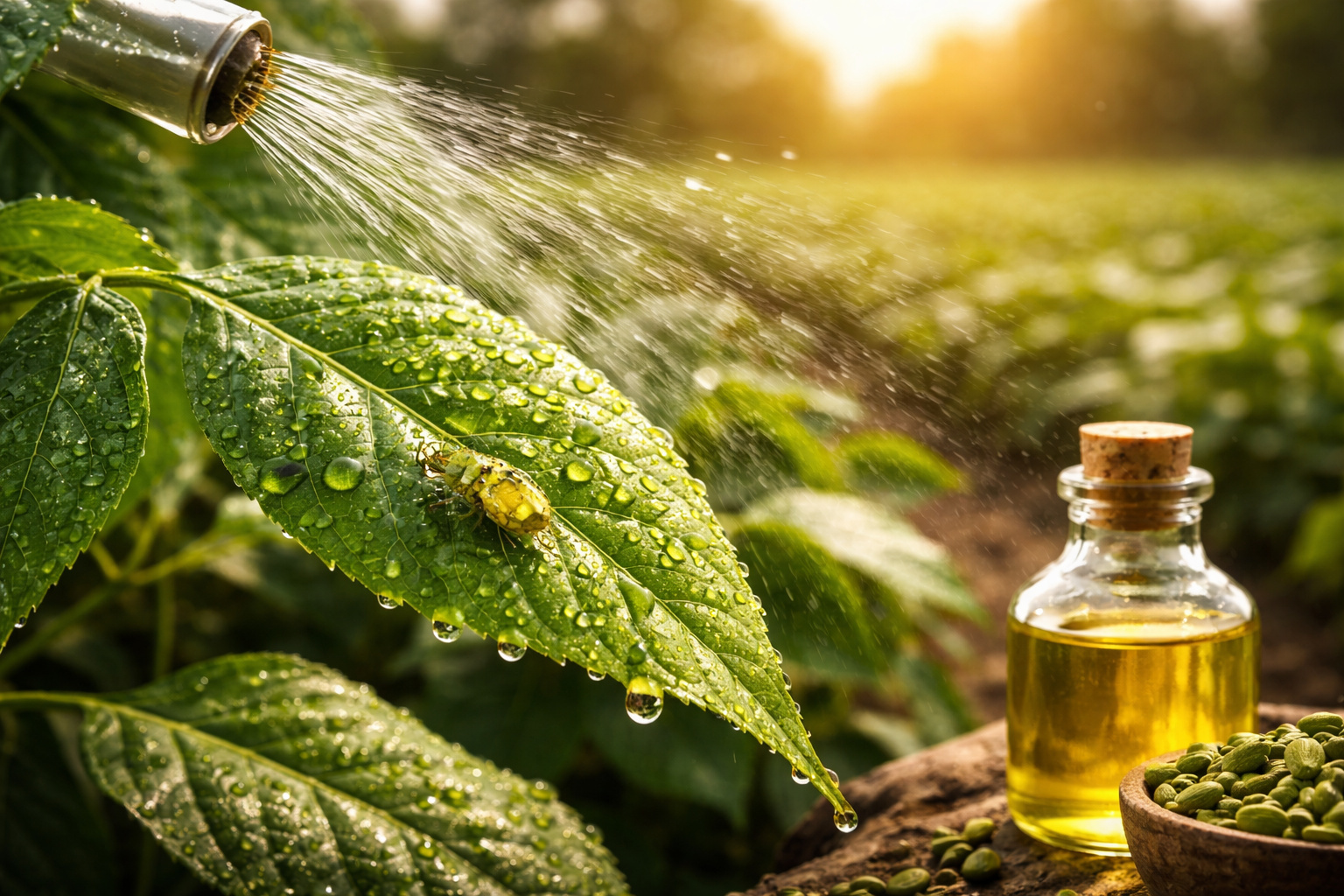
An Indian tree that grows in the Brazilian Northeast produces an oil capable of acting against more than 200 species of pests and interrupting the insect cycle, gaining ground as a natural alternative in soybean, cotton, and vegetable crops.
-
The rise in oil prices in the Middle East is already affecting Brazilian sugar: mills in the Central-South are seeing their margins shrink just as ethanol gains strength.
With the advancement of studies on nutrition and greater interest from Brazilians in balanced diets, cavalinha has come to be seen as a highly nutritious fish, rich in proteins, vitamins, minerals, and, above all, omega-3 fatty acids, which are important for heart and brain health.
Today, nutrition experts point out that it rivals, from a nutritional standpoint, species considered premium and significantly more expensive.
Nutritional Value of Cavalinha
The reputation of being a cheap fish has always been true. Cavalinha typically costs less than salmon, tuna, and other valued seafood in retail. However, the cost difference does not reflect lower nutritional quality.
Composition analyses show that, in 100 grams, cavalinha offers approximately 18 to over 20 grams of protein, with all essential amino acids, along with moderate amounts of fat that have a health-friendly profile.
In practice, this means that the fish provides high biological value protein, capable of contributing to muscle mass maintenance, tissue repair, and proper functioning of various systems in the body.

As fish digestion tends to be lighter than that of red meats, cavalinha is well-accepted across different age groups, including the elderly.
In addition to protein, the species contains B vitamins, especially vitamin B12, which is involved in red blood cell formation and nervous system health, and vitamin D, which is important for bones and immunity.
It also provides minerals such as calcium, phosphorus, iodine, and selenium, all relevant for metabolism, bone formation, and hormonal balance.
Benefits of Omega-3 Present in Cavalinha
The most striking point is the presence of omega-3 EPA and DHA fatty acids.
These polyunsaturated fats act in controlling inflammation, protecting cardiovascular health, and supporting cognitive functions.
“DHA is linked to memory, attention, and the development of the nervous system,” experts highlight.
EPA, in turn, is associated with reducing triglycerides, balancing blood pressure, and lowering the risk of cardiovascular diseases when consumed within a healthy diet.
Studies on marine species rich in omega-3 indicate that the concentration of these fatty acids in cavalinha can be comparable to that of widely promoted fish, such as salmon.
This combination causes the fish to be classified by specialists as a nutrient-dense food, offering substantial nutritional content in few calories.
Availability and Affordable Price
Another aspect favoring its growing presence on Brazilian tables is the wide availability.
Cavalinha can be easily found in different regions of the country, whether fresh, frozen, or canned.
This constant supply helps families maintain their fish consumption without relying on more expensive or seasonal species.

The price, generally below that of other marine fish rich in omega-3, enhances access in a scenario where many people seek healthy options without compromising their household budget.
For those looking to increase their fish intake, cavalinha emerges as a viable alternative to include at least two weekly servings of fish within general health recommendations.
In everyday cooking, the fish can be included in various preparations, such as stews, baked dishes, grilled, boiled with vegetables, or shredded in fillings.
Experts suggest gentler cooking methods, such as baking or steaming, to preserve omega-3.
Safety and Heavy Metals
The presence of mercury and other heavy metals in fish raises concerns among consumers.
In Brazil, legislation establishes a maximum limit of 0.5 milligrams of mercury per kilogram for most seafood and 1 milligram per kilogram for top predatory species.
Smaller fish, with short life cycles and which are not large predators, such as cavalinha, tend to accumulate lower concentrations of mercury than larger species.
Studies on contamination in marine fish in the country indicate that, in general, the observed levels remain below the limits set by national regulations, although there are regional variations.
In practice, this places cavalinha among the fish considered suitable for frequent consumption, especially due to its lower cost and good nutritional profile.
Still, variety in the diet is recommended.
Alternating cavalinha with sardines and well-sourced freshwater species helps diversify nutrients and reduces exposure to a single fishing environment.
Who Else Benefits from Consuming Cavalinha
The nutritional profile of cavalinha is especially interesting for groups that need greater intake of protein and healthy fats.
The elderly, for example, often experience progressive muscle mass loss and may have difficulty with tougher or fattier meats.
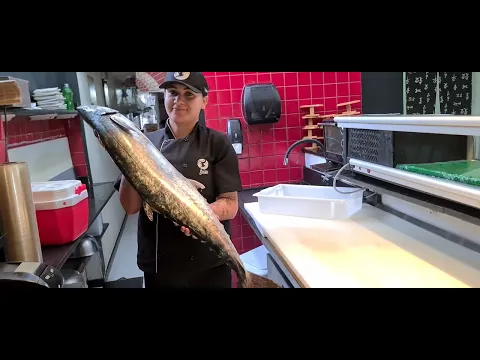

For this audience, including easily prepared fish with a soft texture helps to meet the recommended daily protein intake.
People with cardiovascular risk factors also find cavalinha to be an ally.
When replacing preparations rich in saturated fats and integrating into a diet with fruits, vegetables, legumes, and whole grains, the fish can contribute to controlling triglycerides and cholesterol.
For those who engage in physical activity, the fish provides important proteins for muscle recovery and micronutrients linked to energy production.
In all cases, individual guidance from doctors and nutritionists is essential, especially for pregnant women, people with fish allergies, or those with specific health conditions.
An Affordable Fish That Gains Space on the Plate
As more information about nutrition circulates and family budgets demand rational choices, the image of cavalinha is transforming.
What was once seen as “poor people’s fish” is now recognized as one of the best sources of nutrients accessible to the population, combining nutritional value, safety, and affordability.
With this changing scenario, consumers may wonder: if cavalinha is cheap, nutritious, and safe, why not include it more frequently in their daily meals?








Pronto. O preço vai para a estratosfera.
Pode ser adotada como sushi ou prato oriental, cru ?
Pronto,agora vai custar o preço do salmão.
Esse tipo de informação não podem por nas redes sociais.
Haddad já vai taxar 😭