





 Portuguese
  English
  Spanish
  3 min of reading
  1 comment


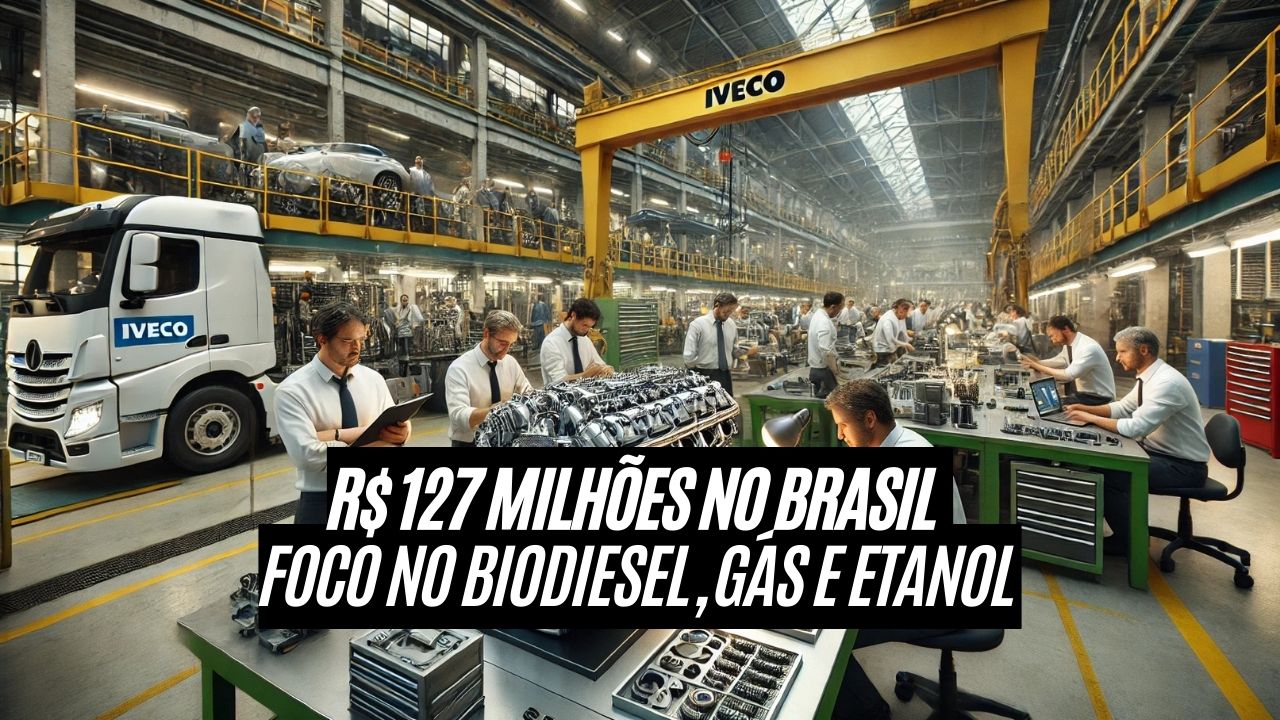

FPT Industrial Has Just Announced News That Promises to Move the Engine Market: An Investment of R$ 127 Million in Brazil by 2028 for Research and Development of New Biofuel-Powered Engines. The Announcement Was Made During Fenatran and Marks a Bold Step Towards the Transition of Energy Matrices in the Sector. With This Bet, the Company Aims to Enhance the Use of Renewable Energies, Focusing Especially on Biodiesel, Natural Gas, and Ethanol as Sources of Cleaner and More Accessible Fuels.
According to Carlos Tavares, president of FPT for Latin America, the investment of R$ 127 million is aimed at developing sustainable technologies, with a strong focus on the energy potential that the region offers and new engines. “Our local engineering will use the funding to develop new biofuel projects, very focused on biodiesel, gas, and ethanol. Why not think of a truck 100% powered by ethanol? For some applications, it can be quite interesting,” commented Tavares. The proposal is ambitious and opens possibilities for the national market to adopt energy solutions that bring environmental benefits and align with global carbon reduction demands.
Projects and Market Expansion with New Biofuel-Powered Engines
FPT Already Has a Project Underway for an Ethanol-Powered Engine That Will Initially Be Used in Sugarcane Harvesters, a Partnership with New Holland. The Expectation Is That, in the Future, This Technology Can Be Adapted for Heavy Trucks Operating in Transporting Sugarcane After Harvesting. This Innovation Will Allow for a 100% Renewable Operation in Agribusiness, Highlighting the Importance of Researching New Biofuel-Powered Engines for the Advancement of the Sector.
In Addition, FPT is Developing Repower FPT, a Solution to Replace Diesel Engines with Gas Engines, Certified to Euro 6 Emission Standards. According to Gerson Moreira, After-Sales and Network Development Manager, This Technology Has a Huge Potential Market in Brazil, with About 500,000 Vehicles Eligible for This Sustainable Upgrade.
-
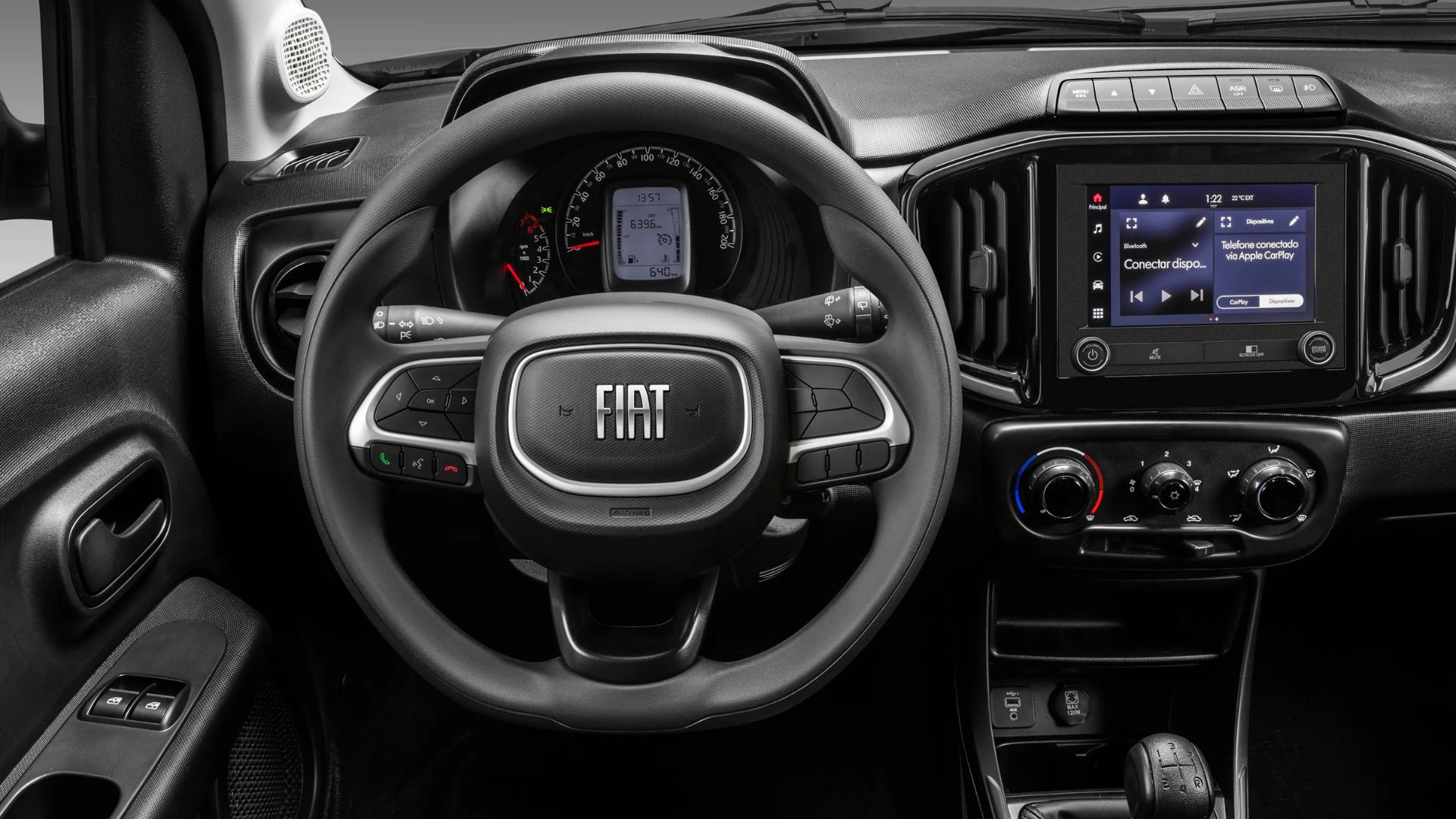
With a 1.0 engine producing 75 hp and costing less than R$ 70,000, Fiat’s car returns to the podium as the cheapest in the country; a temporary promotion for the 2026 Like version reduces the price of the Fiat Mobi.
-
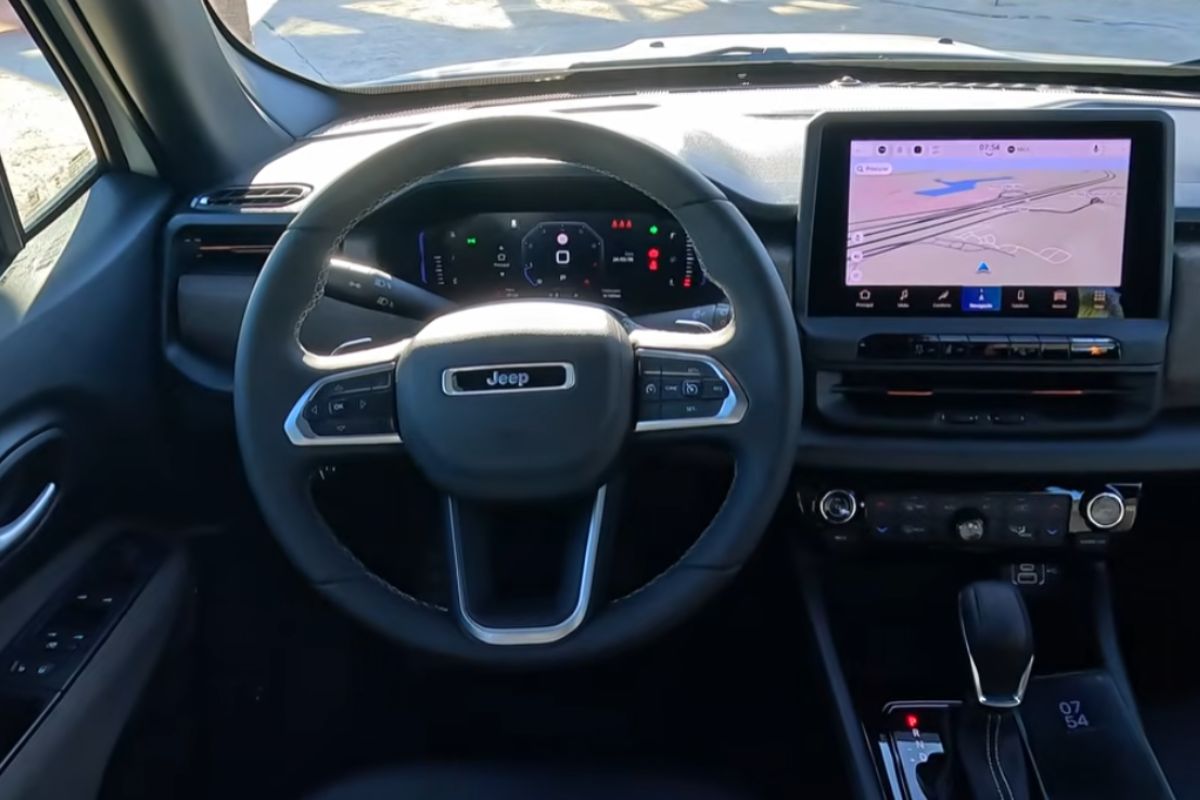
With a mild hybrid system of 48 V, 176 hp and a price of R$ 175,990 in the Sahara version, the new Jeep Renegade changes mostly on the inside, improves slightly in fuel consumption, and remains almost the same car.
-
With a 293.5 cm³ engine and a range of up to 400 km with a 14.1-liter tank, the Honda CB 300F Twister 2026 has up to 24.7 hp, an initial price of R$ 25,150, and already exceeds R$ 29,000 in the Fipe Table.

-
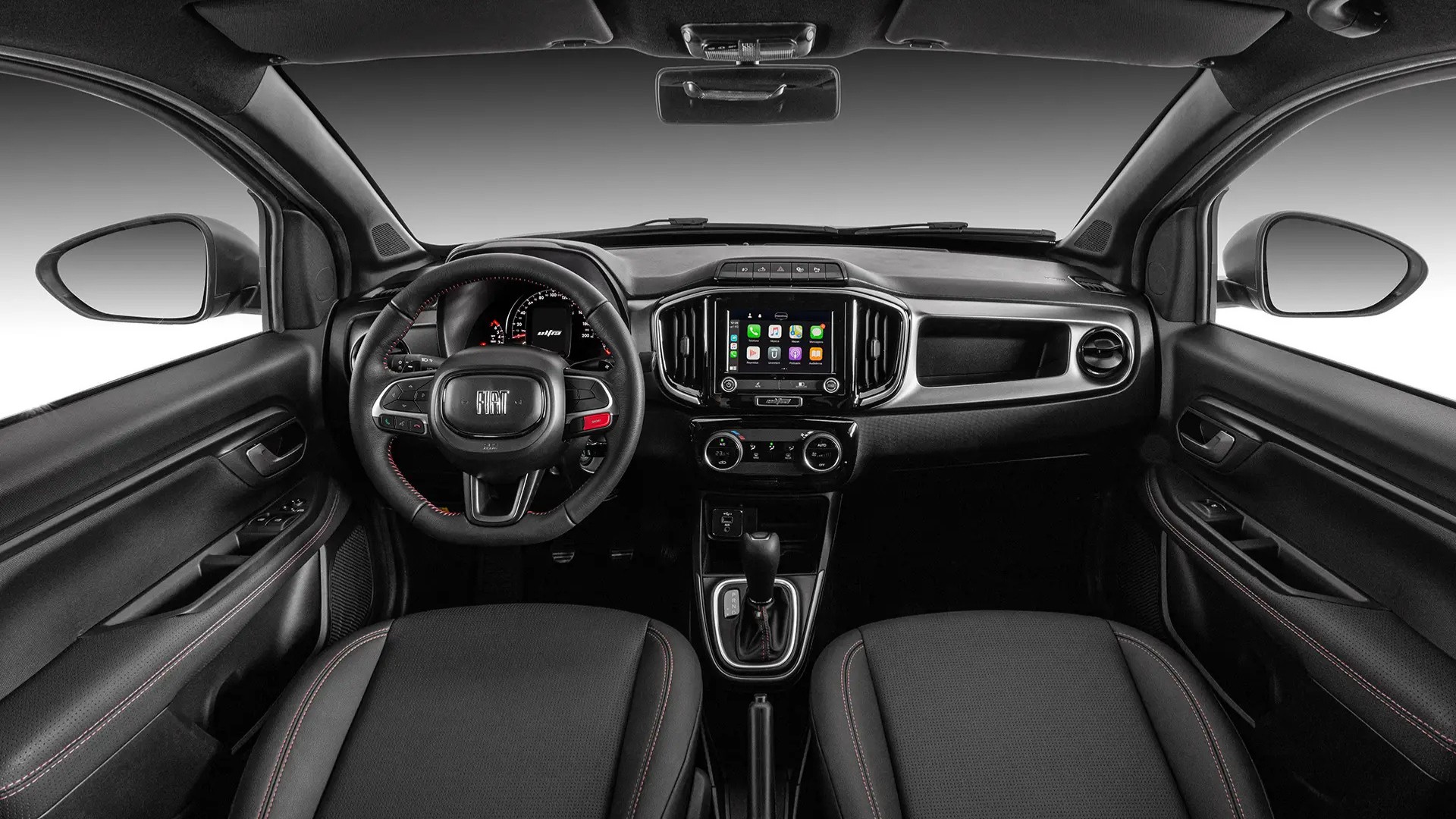
With a 1.3 engine, nearly 700 km of range, and Turbo 200, the Fiat model surpasses Polo, Tera HB20, and Onix, becoming the best-selling car in March; see the numbers for the Fiat Strada and others.

The Idea Is That This Solution Be Applied to Any Vehicle That Currently Uses a Diesel Engine, Offering Reduced Environmental Impact and Access to Cheaper Fuel.
Sales Scenario and Outlook for the Sector
FPT Projects That the Truck Segment Will Continue to Rise. In 2023, the Market Recorded a 12% Increase, with Approximately 203,000 Units Sold, Including Daily Line Vehicles. For 2025, the Estimate Is for More Moderate Growth, of About 3%, Totaling 209,000 Units. This Scenario Is Due to Increased Demand and Reduced Inventories, Which Has Heated the Truck Industry in Brazil, Along with New Engines.
On the Other Hand, the Agricultural Machinery Sector Felt the Impact of Extreme Weather Conditions in 2024, with Intense Rains in the South and Severe Drought in the Cerrado, Resulting in a Sales Decline of About 15% Compared to the Previous Year. Still, FPT Expects a Slight Recovery in 2025, with 2% Growth and Sales Reaching 73,000 Units.
The Construction Machinery Sector, Although Expected to Rise by 5% in 2024, Will Face a Contraction Next Year, with an Estimated Decline of 4% Due to Expected Credit Restrictions for 2025. This Scenario, According to Tavares, May Be a Challenge for the Sector, but the Company Believes That the Launch of New Biofuel-Powered Engines Can Provide a Long-Term Solution for the Construction Market as Well.
A Commitment to a Sustainable Future
With This Series of Initiatives, FPT Reaffirms Its Commitment to Brazil and Sustainability, Focusing on Biofuels as a Viable Alternative to Replace Fossil Fuels in Various Areas.
The Robust Investment in the Production of New Biofuel-Powered Engines, Such as Biodiesel, Gas, and Ethanol, Represents an Opportunity to Transform the Energy Matrix of the Engine Industry, Especially in Brazil, Where the Availability of These Resources Is Abundant.
This Strategic Decision Places FPT at the Forefront of Sustainability Innovation, Leveraging the Potential of the Brazilian Market to Create a Solid Foundation for the Use of Biofuels in Transportation and Agriculture. It Is a New Era for Engines and the Environment, Where Investment in Renewable Technologies Leads the Way to a Cleaner and More Efficient Future.









Ótima notícia para o Brasil produzindo motores a etanol e outros tipos de combustíveis ecologicamente correto. Que venham mais setores industriais colocando o Brasil na vanguarda!!!