





 Portuguese
  English
  Spanish
  5 min of reading
  1 comment


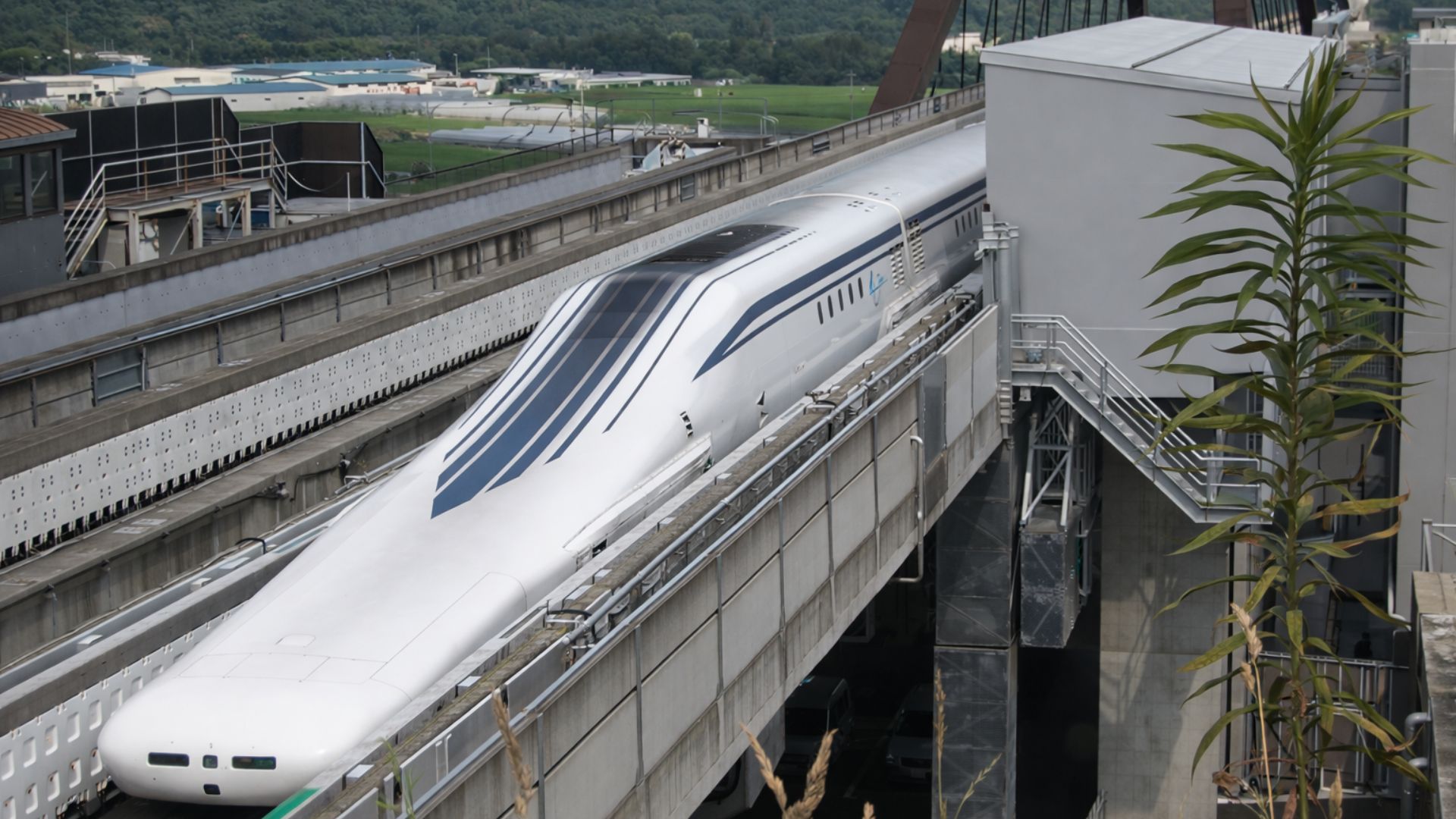


Japanese Maglev Project Combines Speed Records, Complex Underground Work, and Billion-Dollar Investments to Drastically Reduce Travel Time Between the Country’s Main Metropolises, While Facing Environmental Impediments, Timeline Revisions, and Cost Discussions in One of the Most Strategic Corridors of the Asian Economy.
Japan has returned to the global debate on high-speed transportation with the Chuo Shinkansen, a maglev train project that aims to shorten the distance between major metropolises and alleviate the congestion of the country’s busiest rail corridor.
In tests, the L0 model, developed by the Central Japan Railway Company, has already recorded speeds above 600 km/h, and the commercial operation plans to offer fast trips between Tokyo, Nagoya, and Osaka, mostly on an underground route.
Despite the technological ambition, the line still faces environmental disputes and regulatory hurdles that block essential stages of the construction.
-
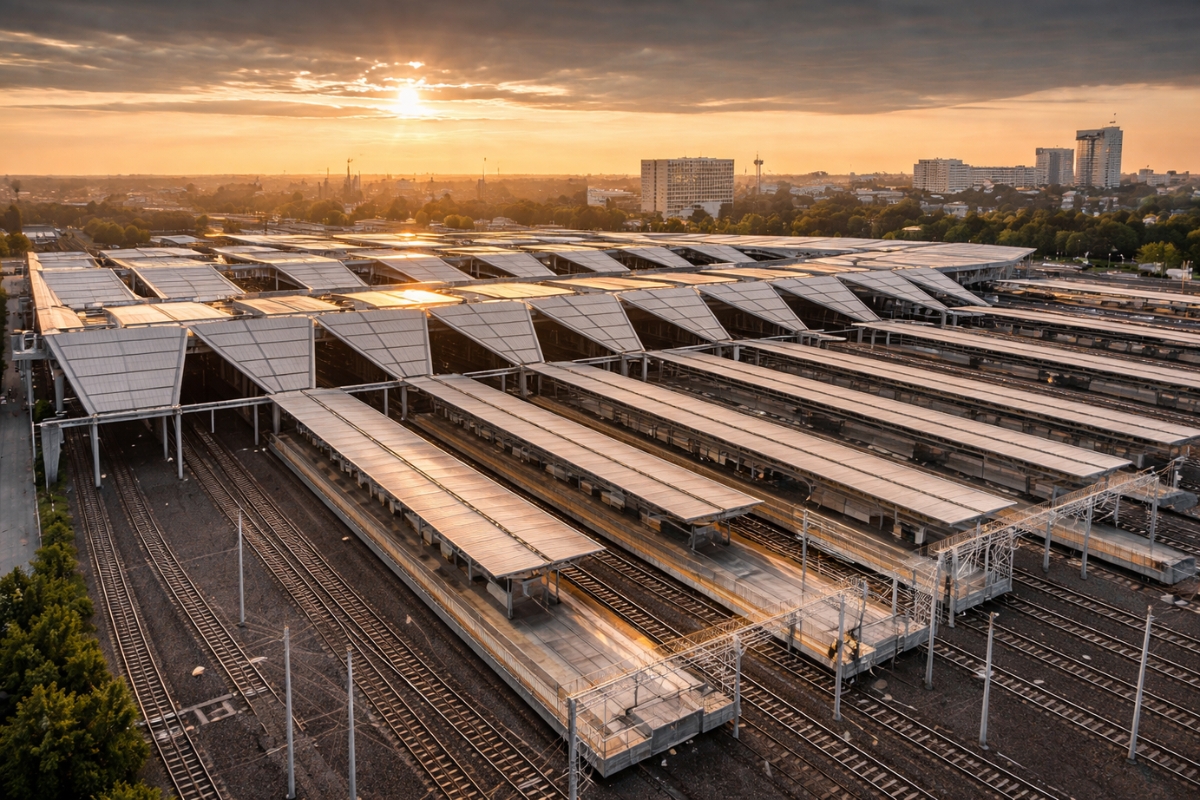
In A European City, The Country’s Largest Railway Junction Was Modernized Without Closing Its Doors, Kept Trains Running During Years Of Construction, Now Serves Up To 60,000 Passengers Per Day, And Installed Solar Panels That Generate About 30% Of Its Energy
-
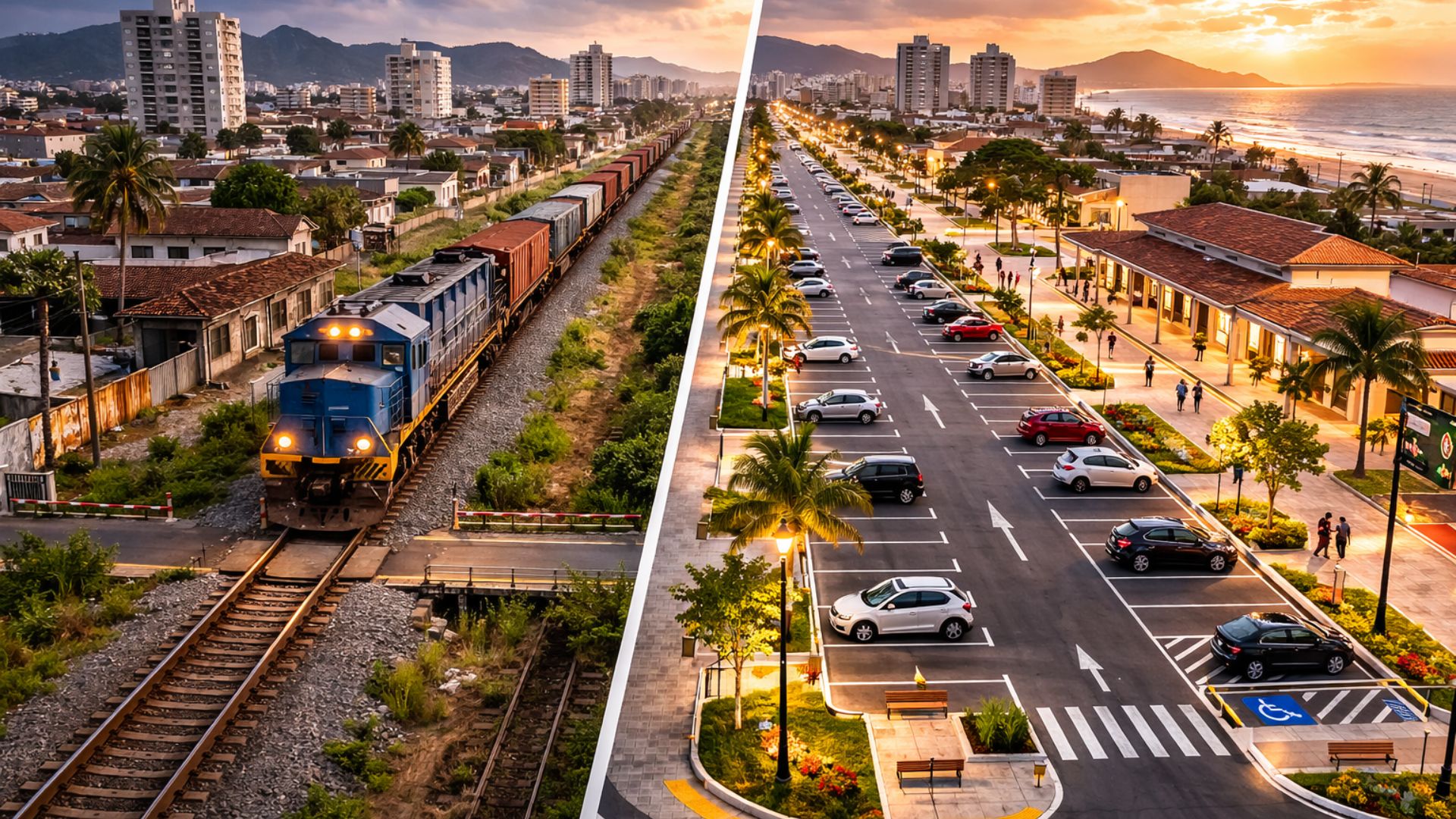
Famous Brazilian Railway May Become a Parking Lot
-
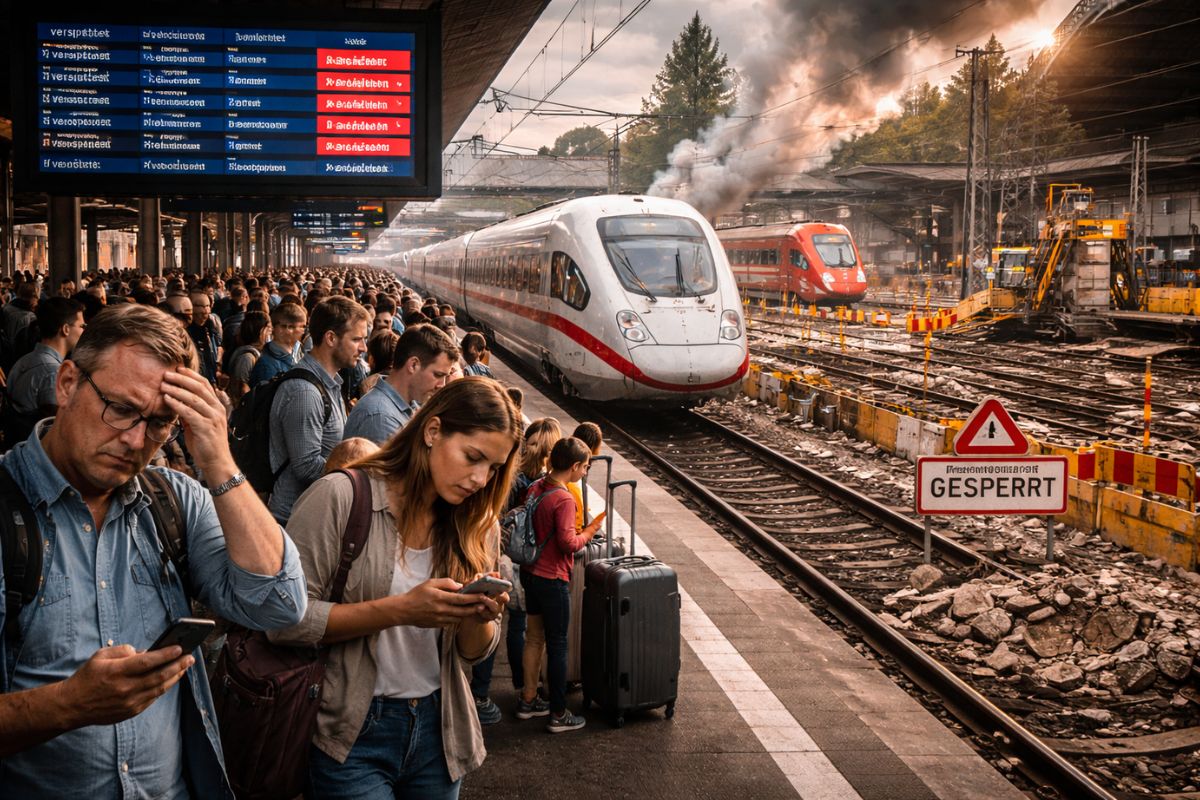
The Country of “Punctual As a Train” Admits It Has Lost Control: High-Speed Trains Delay, Stop, Disappear from the Map and Turn 6-Hour Trips into 10, While Deutsche Bahn Promises Restructuring in 2026 But Faces 19th Century Infrastructure, Staff Shortages and Sections Closed for Months
-
With an Investment of R$ 700 Million in One of the Country’s Main Rail Networks, VLI Reinforces Infrastructure, Receives 8 New Locomotives, and Expands the Corridor Connecting 7 States, Boosting Jobs and the Transportation of Grains, Ore, and Oil Products to the Port of Santos

The company itself acknowledges that it has not managed to start the excavation of a crucial section in Shizuoka Prefecture and, therefore, states that it cannot set a new safe date for the opening of the segment between Shinagawa in Tokyo and Nagoya.
New Rail Corridor for Japan’s Economic Axis
The Chuo Shinkansen was designed as a parallel corridor to the Tokaido Shinkansen, the traditional line that already connects the major cities in the Tokyo–Nagoya–Osaka axis and concentrates a significant share of passenger flow and Japanese economic activity.

The idea is not to replace existing routes but to create additional capacity and offer a faster alternative in a country with a high population density and intense daily circulation of people.
When minutes become critical, the impact is not limited to passenger comfort.
The reduction in travel time tends to reorganize work schedules, expand round trips on the same day, and redistribute demand between train and plane on short routes, something historically relevant in mobility planning in Japan.
How the Japanese Maglev Levitation Technology Works
The technology used in the project is SCMaglev, based on superconducting magnets that lift the train above the track and reduce the mechanical friction typical of systems with wheels and rails.
With less physical contact, the train can accelerate more efficiently, in addition to decreasing wear and the need for maintenance associated with components subject to constant friction.
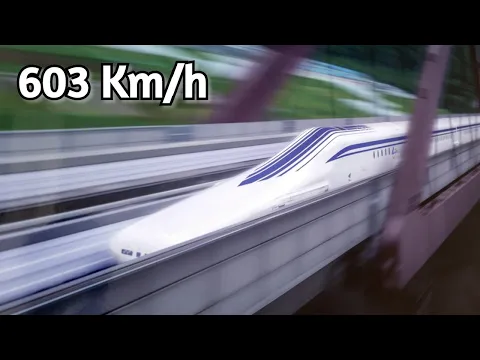
This principle allowed the L0 to achieve a record of 603 km/h in April 2015 during tests on the experimental line in Yamanashi, a mark recognized as the world record for a maglev train.
However, the commercial operation is designed for lower speeds, around 500 km/h, within safety and regularity parameters for daily transport.
Tokyo, Nagoya, and Osaka Connected in Just Over an Hour
In the design released for full service, the journey between Shinagawa and Nagoya is estimated to take about 40 minutes.
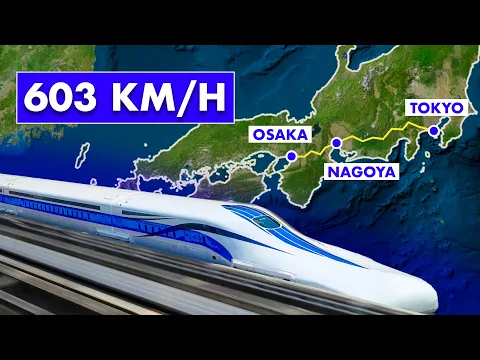

The journey to Osaka is estimated to take approximately 1 hour and 7 minutes, a figure that appears in technical descriptions associated with the project and the L0 train material.
These times help explain why the project is viewed as a game-changing development in regional integration, especially in a corridor with significant economic weight.
In a scenario of shorter trips, frequent movements for business, study, and tourism tend to become more feasible within the same day.
Deep Tunnels and the Environmental Impasse in Shizuoka
One of the most sensitive points of the Chuo Shinkansen is its route, which includes a large proportion of tunnels, especially in the section between Tokyo and Nagoya.
This design aims to navigate space limitations in urban areas and cross mountainous regions, but significantly increases the technical complexity and costs of the project.
At the same time, it is precisely the underground excavation that has sparked the greatest controversy.
Local authorities and leaders in Shizuoka resist the project’s advancement due to concerns about impacts on water resources, with special attention to the Oi River.
The debate involves the risk of altering flow rates, effects on aquifers, and requirements for environmental mitigation measures before work sites are authorized for construction.
In its annual report, JR Central acknowledged that there is currently no prospect for beginning excavation of the so-called Shizuoka section.
Without this advancement, the company admits that it cannot establish a reliable new timeline for starting commercial operations between Shinagawa and Nagoya.
Revised Timeline and Pressure for Realistic Deadlines
The inauguration of the first phase was initially planned for 2027, but the operator has already indicated that it would not meet that deadline.
Analyses published in Japan have begun to consider a horizon of the mid-2030s as a more feasible reference, provided the environmental impasse is resolved and the pace of construction normalizes.
By the end of 2025, local reports indicated that prolonged delays, combined with rising costs, pushed projections for dates even further back.
Mentions of 2036 have emerged as the earliest possible scenario in public evaluations associated with the project, although without official confirmation of a new target year.
Billion-Dollar Investment and Cost Reassessment
The Chuo Shinkansen is considered one of the most expensive infrastructure projects ever planned in Japan.
Widely cited estimates point to an investment of around 9 trillion yen, with a significant portion of the funds directed toward the construction of tunnels, specific stations, and systems exclusive to maglev operation.
In recent years, however, this figure has begun to be reassessed.
Recent reports indicate the possibility of costs exceeding the initially estimated amount, pressured by schedule delays and inflation in materials and services.
When converting the amount to other currencies, exchange rate variations explain discrepancies in the figures reported to the public.
In practice, the central debate in Japan revolves less around the conversion and more about how to balance rising costs, environmental requirements, and the tradition of reliability of the national railway system.
What Is at Stake for Japanese Mobility
The bet on maglev does not occur in isolation.
Japan has already consolidated its leadership in high-speed trains with the traditional Shinkansen and now seeks to open a new technological frontier in an axis that concentrates population, companies, and tourist flows.
If the line proceeds as planned, the trend is the formation of an integrated network, where different generations of technology coexist.
While conventional trains maintain volume and capillarity, the maglev would take on the role of an ultrafast route in one of the country’s most strategic corridors.
Still, the future of the project remains dependent on local agreements, environmental permits, and technical solutions to mitigate risks associated with tunnel drilling and groundwater management.
With the timeline under pressure and costs under constant review, what will be the decisive factor in transforming test records into an everyday service for millions of passengers in Japan?








Tan suicida es subirse a un tren en España y muy posiblemente más en Japón.