





 Portuguese
  English
  Spanish
  3 min of reading
  0 comments


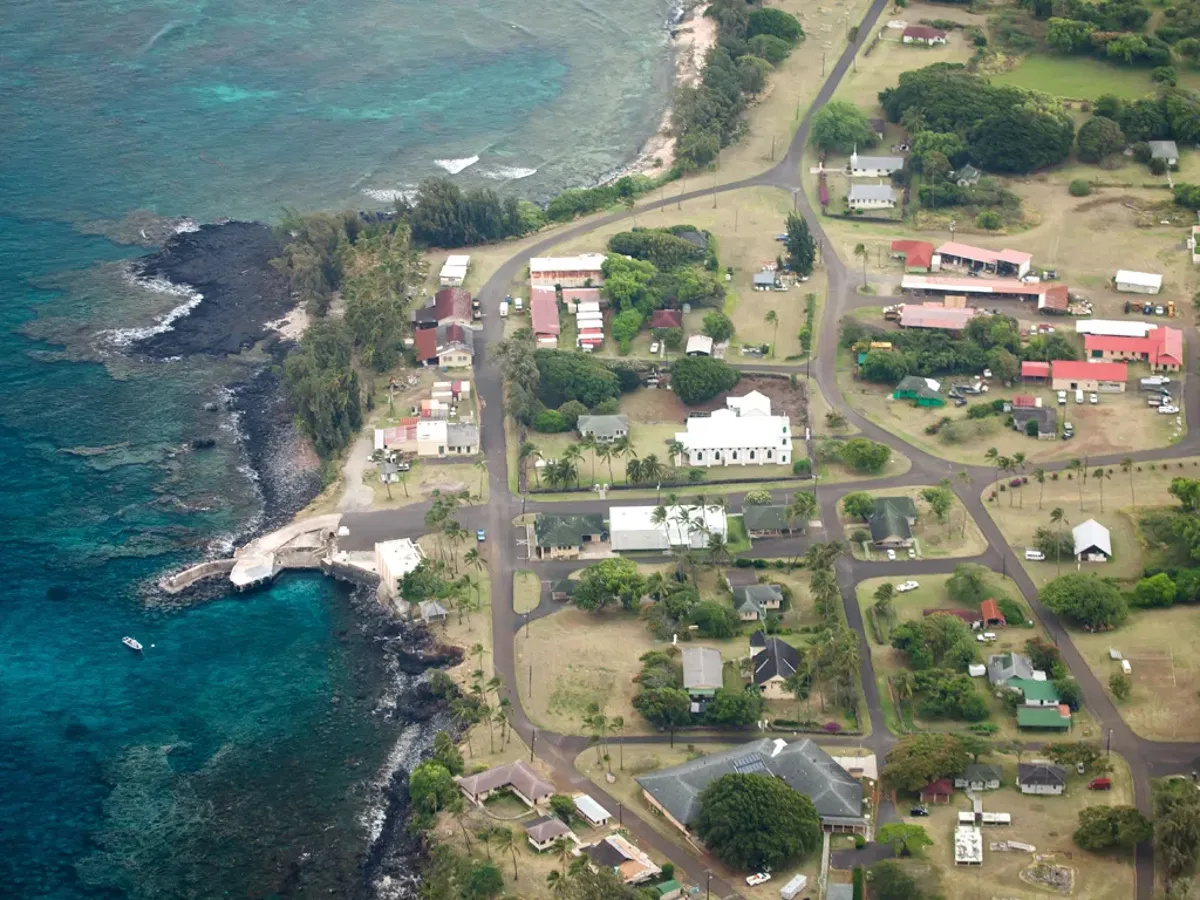
Kalaupapa Peninsula, on the Island of Molokai, Maintains One of the Most Silent and Isolated Environments in America While Reinforcing the History of Exclusion That Marked Thousands of People
Starting in 1866, according to records from the Hawaii Government, the remote area of Kalawao began receiving people diagnosed with leprosy. Thus, the peninsula became one of the most isolated places in the Pacific. For over 100 years, about 8,000 people were forcibly sent to live there, away from their families. Furthermore, even after the cure was discovered in the 20th century, some survivors chose to remain in the area. Therefore, to this day, Kalawao is perceived as a silent community marked by introspection and memory.
The Silence That Marked Kalawao Since the 19th Century
The transformation of Kalawao into a quarantine colony occurred because, at that time, leprosy was feared and poorly understood. Thus, laws passed by the Hawaiian government mandated the compulsory sending of patients to the peninsula, isolated by high cliffs and open sea. As a direct consequence, thousands of people spent decades away from society.
According to reports from the Hawaii Department of Health, the social pressure of the time reinforced isolation policies. Therefore, the silence that dominates Kalawao today is not a formal rule, but rather a choice made by the few survivors who decided to remain there to preserve dignity, memory, and privacy.
-
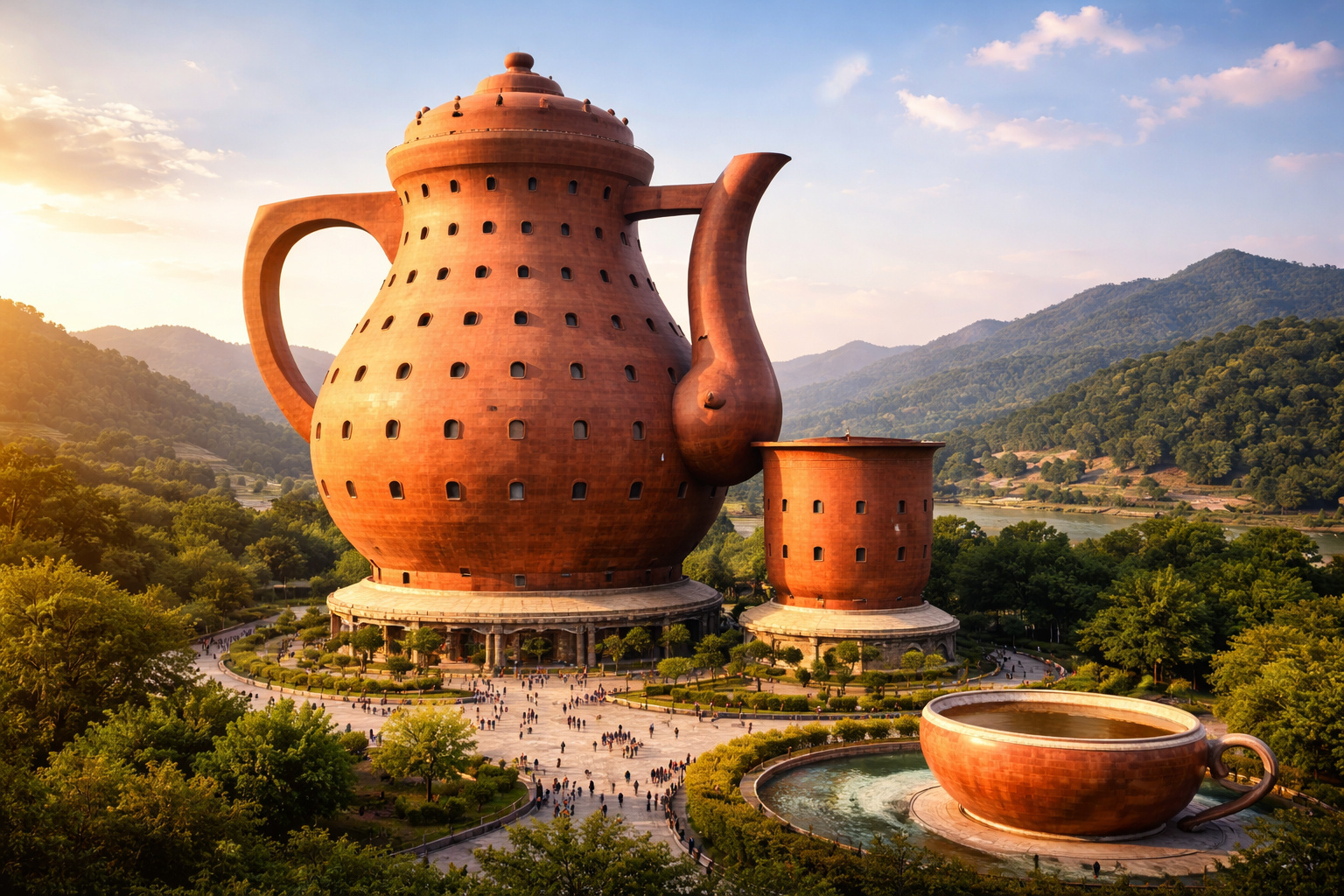
At 73.8 meters tall, the world’s tallest teapot-shaped building has 15 floors, ensures stability, and impresses with an internal space of 28,000 cubic meters.
-
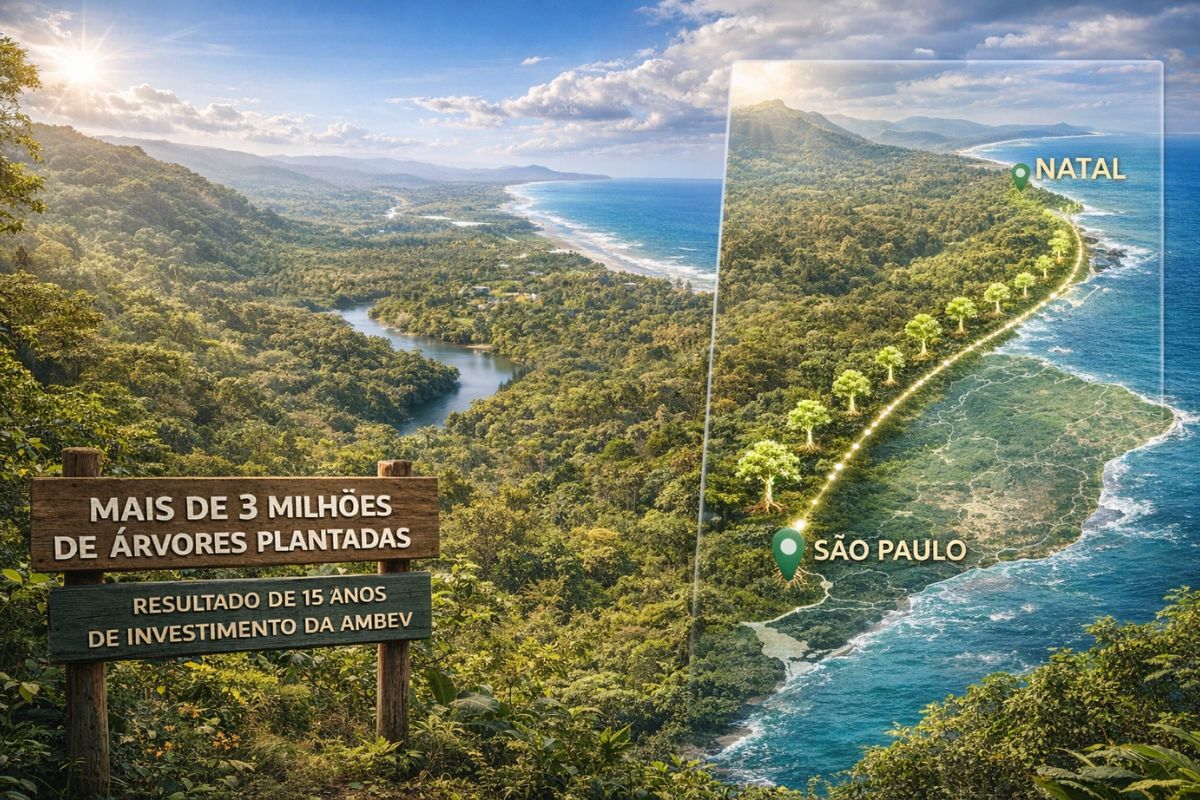
Ambev has planted over 3 million trees and restored an area equivalent to the coastline from São Paulo to Natal, and the result after 15 years of silent investment has finally appeared for all of Brazil to see.
-
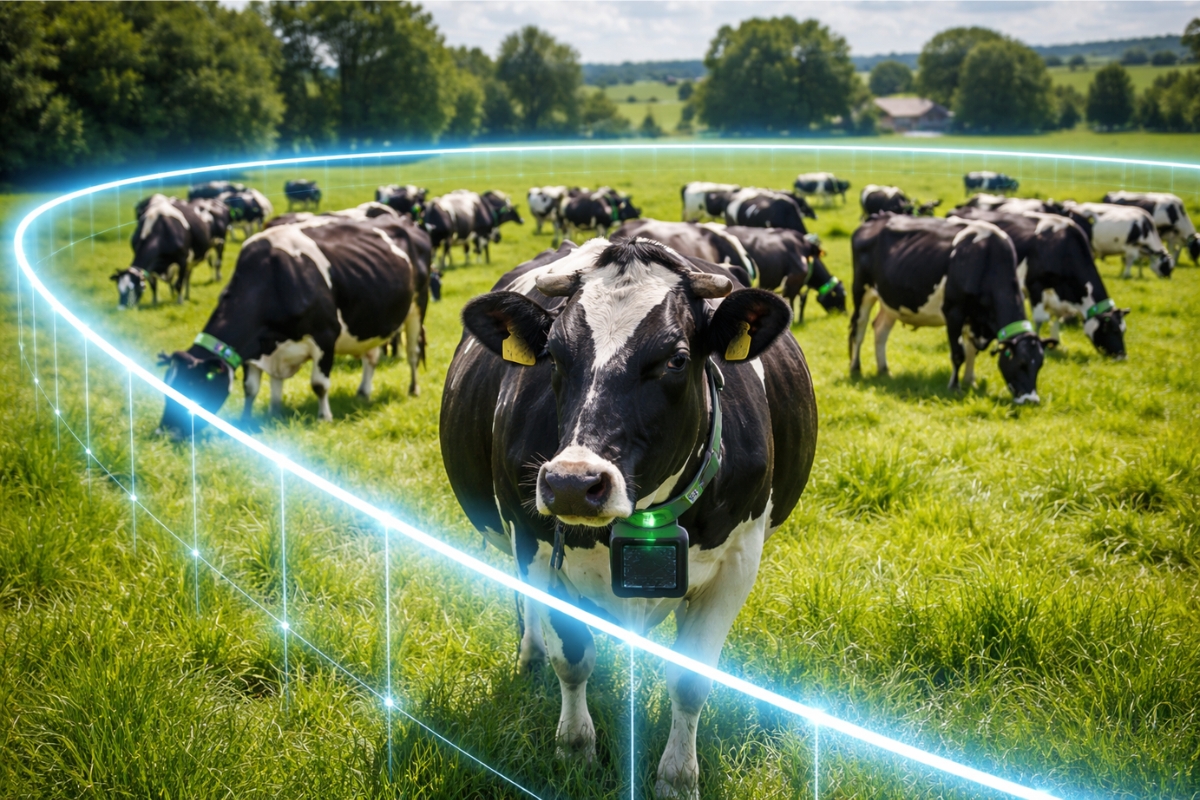
A new AI collar technology for cattle eliminates physical fences, creates virtual barriers, monitors animals 24/7, and detects changes in behavior and health.
-
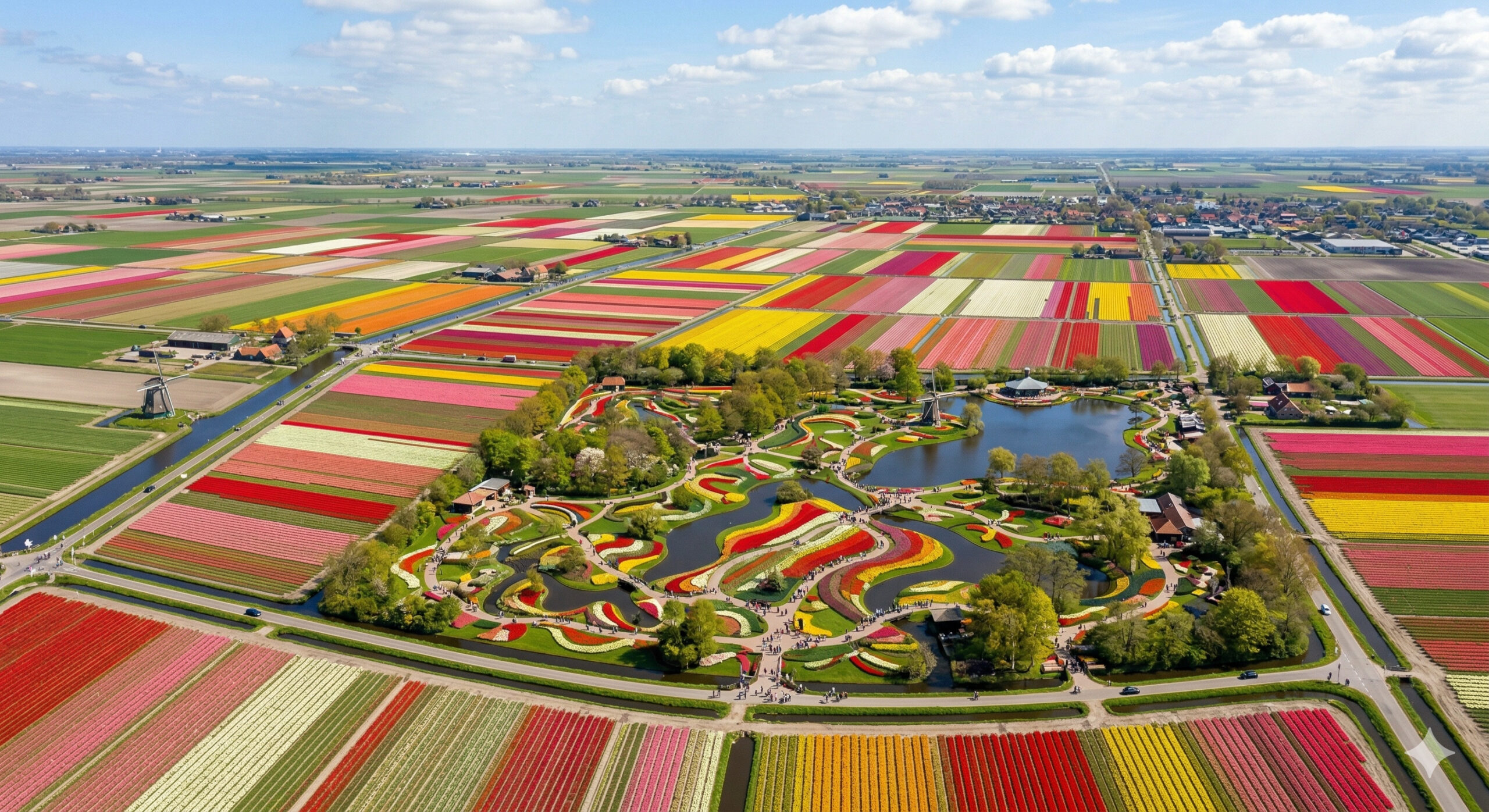
For a few weeks each year, an entire country blooms with billions of tulips, creating a mosaic of colors visible from the sky, while a single garden gathers more than 7 million flowers and attracts visitors from around the world to one of the most impressive shows in Europe.

Everyday Life in Kalawao After the End of Internments
Even after the cure for leprosy and the end of forced internments in the second half of the 20th century, Kalawao remained inhabited by former residents who built their lives on the peninsula. Thus, the current daily life is characterized by strict rules and a highly controlled environment:
- Entry is Restricted, as visitors can only enter with special authorization from local authorities.
- There is No Commerce, Schools, or Leisure, only simple residences and old medical structures.
- Contact with the Outside is Minimal, which reinforces the atmosphere of introspection.
- The Silence is Respected, as visitors report a sense of reverence when walking through the area.
This combination explains why, even today, Kalawao preserves a unique atmosphere in Hawaii.
Figures, Historic Landmarks, and Structure of the Peninsula
The history of Kalawao is marked by the residents who faced decades of isolation. Among them is Father Damien, a Belgian missionary who lived in the area from 1873 to 1889 and dedicated his life to caring for people with leprosy. He was later canonized.
Furthermore:
- Kalaupapa, a neighboring community, is home to the Kalaupapa National Historical Park, managed by the U.S. Government.
- Access to the Peninsula is Limited, as it can only be reached by plane, boat, or a narrow trail with over 26 curves.
- The Area is Considered One of the Most Isolated in the U.S., according to records from the National Park Service.
Historical and Cultural Reasons for Preserving the Silence
The silence, although not a legal rule, has become part of the local culture because it summarizes a history marked by pain, dignity, and respect for survivors. Thus, the tranquil atmosphere serves as a living memorial, preserving a period that profoundly marked the history of Hawaii.






-

Uma pessoa reagiu a isso.