





 Portuguese
  English
  Spanish
  2 min of reading
  1 comment


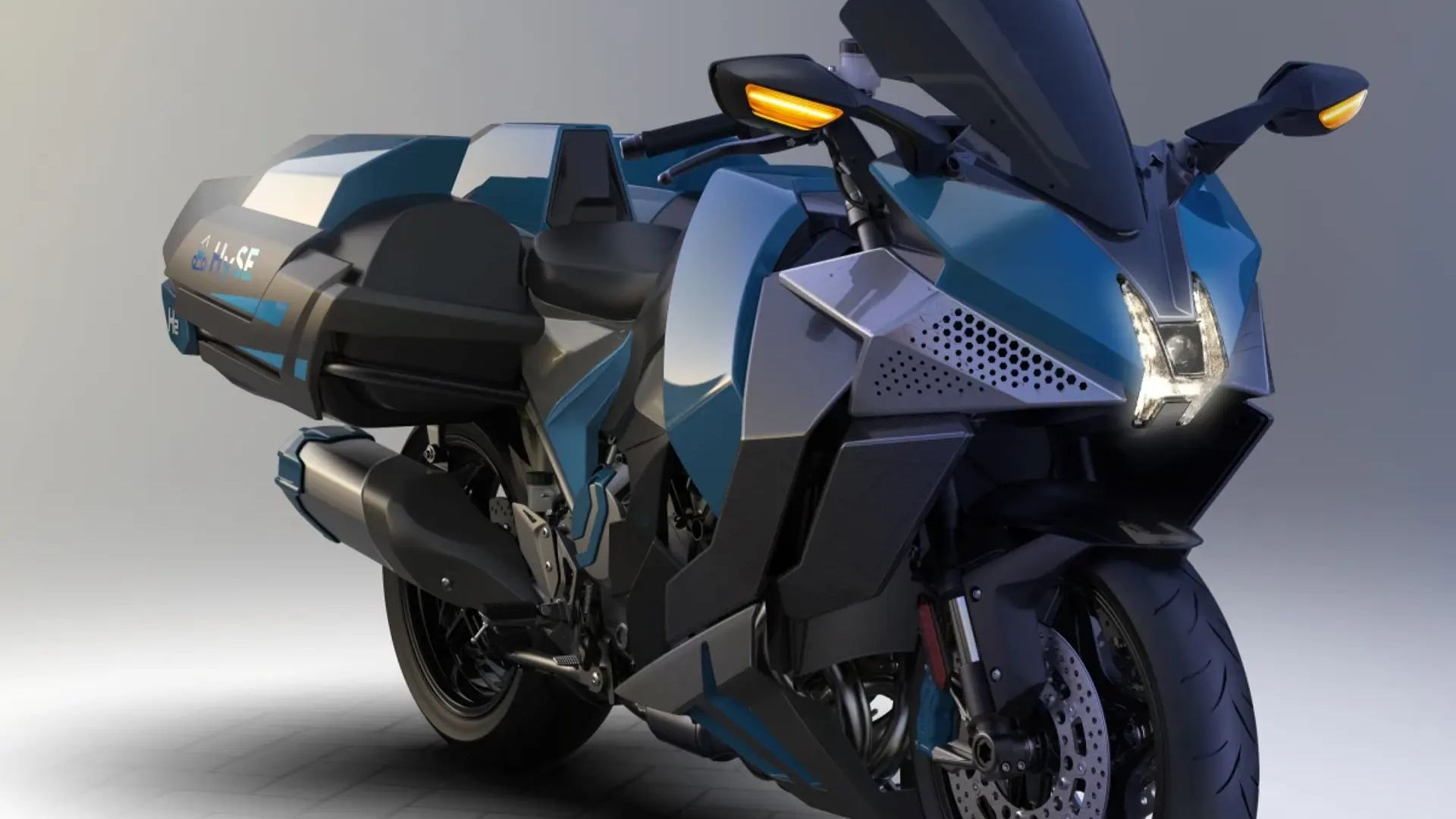


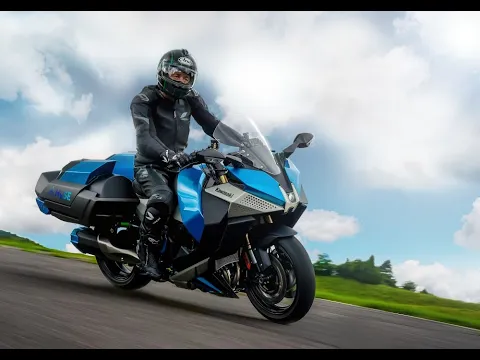
The Kawasaki Revealed the Ninja H2 HySE Motorcycle, Powered by Hydrogen, During the 24 Hours of Le Mans Motorcycles 2025 Event in France. The Prototype Was Showcased in a Solo Lap at the Bugatti Circuit, Driven by Rider Matthias Höppner, and Presented a Proposal to Combine Internal Combustion Engine with Zero Pollutant Emissions.
The model utilizes the HySE (Hydrogen Small Mobility & Engine Technology) system, which burns hydrogen directly in the engine instead of using it in fuel cells. The motorcycle runs on hydrogen gas compressed to 400 bar, stored in rear tanks, and releases only water vapor as a byproduct.
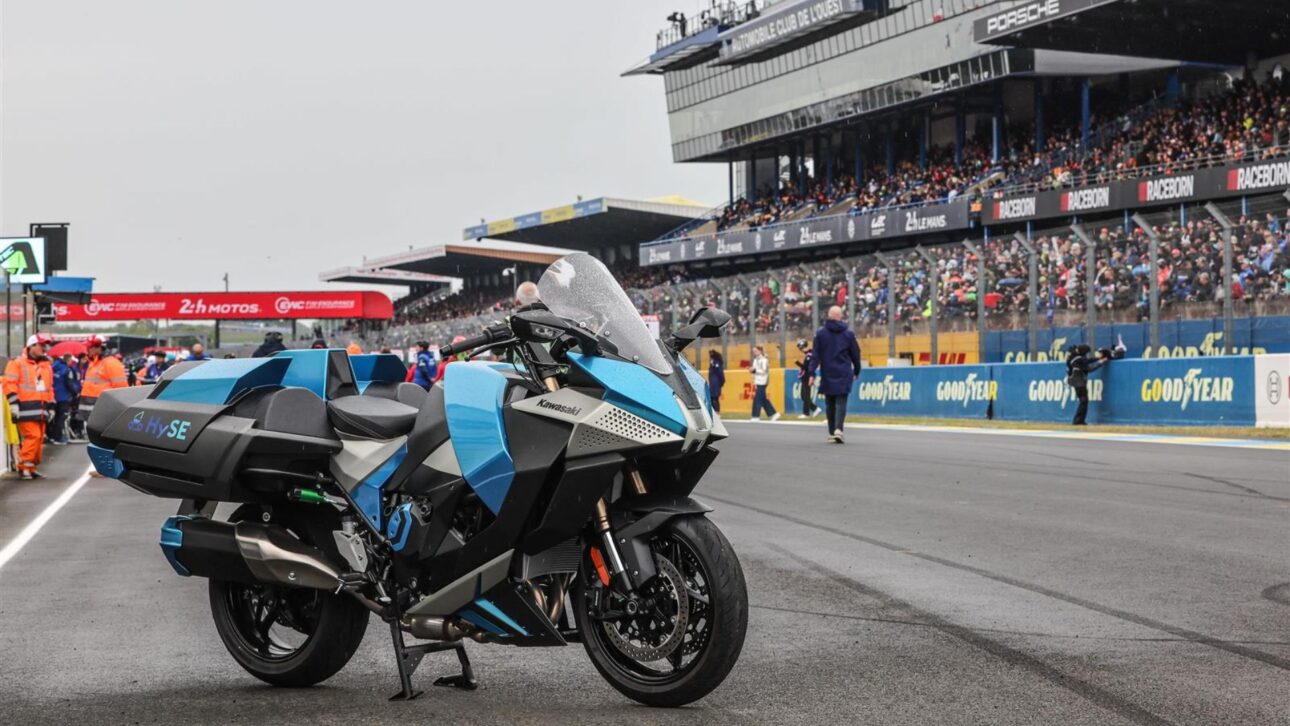
Based on the Ninja ZX-10RR, the experimental version maintains the characteristic roar and power of the engine, showing that the use of clean combustion can coexist with high-level performance. The manufacturer’s goal is to prove the viability of hybrid technologies that extend the life of combustion engines in an energy transition scenario.
Partnership Between Giants and the Objective of the Prototype
Kawasaki is part of a consortium with Honda, Yamaha, Suzuki, and Toyota, companies that are looking to develop solutions to preserve combustion engines with reduced emissions. The project is still in the testing phase and aims to demonstrate the possibility of manufacturing motorcycles that combine performance, safety, and sustainability.
-
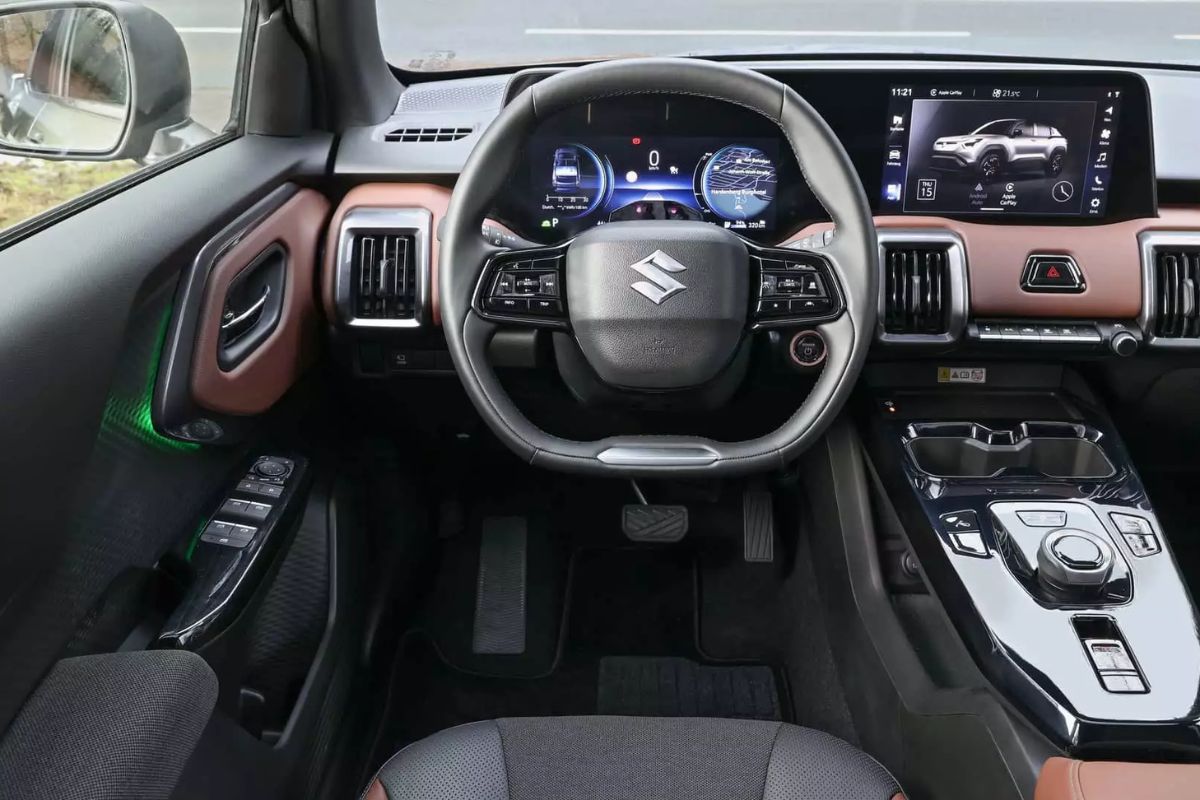
The 2026 electric Vitara arrives in Brazil and proves that Suzuki is not leaving: 4×4 traction, 184 hp, 61 kWh LFP battery, 293 km range, R$ 259,000, and a trunk capacity of 224 L.
-
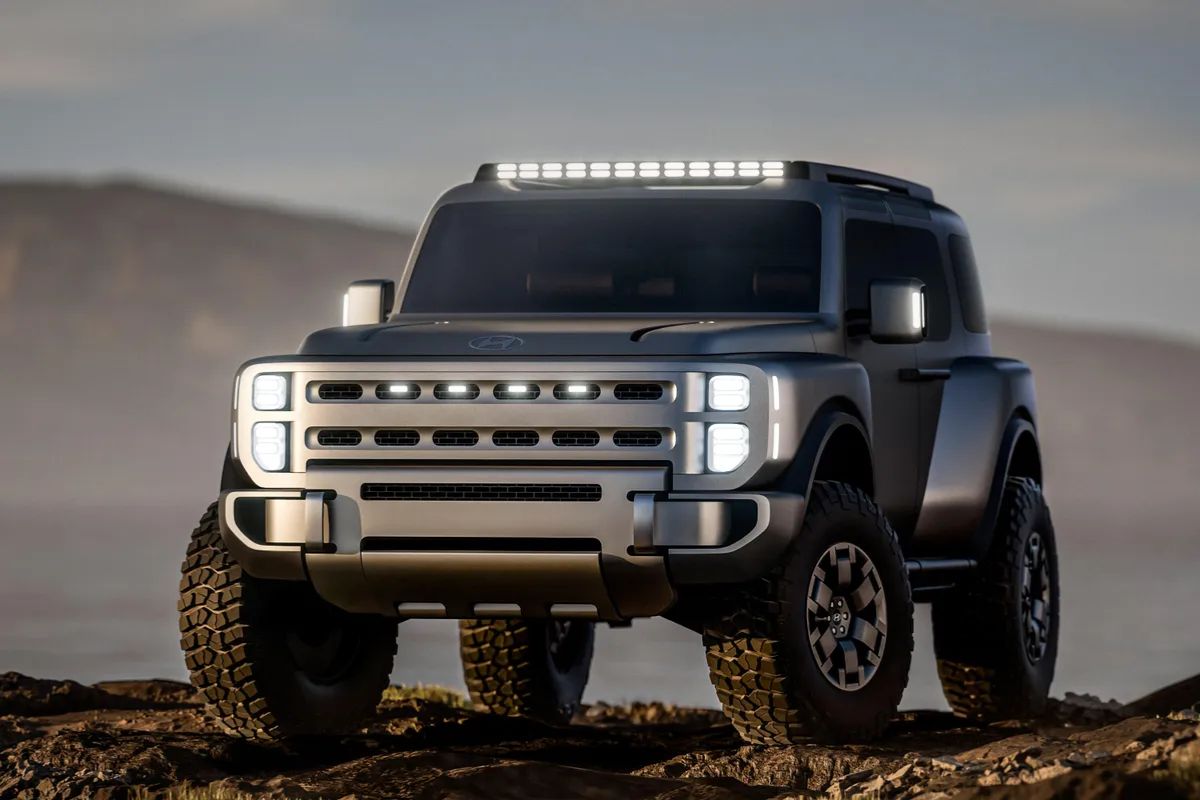
Hyundai has unveiled the Boulder, a square SUV with a body-on-frame design, 37-inch mud tires, and carriage-style doors that seems to be made to take on the Ford Bronco and the Scout Traveller in the United States.
-
The Toyota Hilux is R$ 75.5 thousand cheaper and bets on the 2.8 turbodiesel engine with up to 204 hp and 50.9 kgfm to catch up with the VW Saveiro, which leads with 4,472 sales.
-
The new Renault Koleos has a screen exclusively for the passenger that is invisible to the driver, heated rear seats, and 29 assistance systems, but its Chinese competitors cost R$ 40,000 less and deliver more power.

The H2 HySE had already been presented in 2024, at the Suzuka 8 Hours event, but the appearance at Le Mans reinforced the intention to highlight the concept as a milestone in the development of high-performance clean motorcycles. The prototype ran on the track under light rain, validating the operation of the engine in adverse conditions.
Despite the successful demonstration, Kawasaki stated that the model is not ready for commercialization. The biggest challenge remains the logistics of storing and distributing hydrogen, which needs to be compressed in large tanks for safe refueling.

Prospects for the Future of H2 HySE
According to information published by the portal Ecoticias and official statements from Kawasaki, the main objective is to continue testing and expand the viability of the hydrogen engine before bringing it to market. The brand aims to contribute to a more sustainable two-wheeler sector without giving up the traditional riding experience.
Though just a prototype, the Ninja H2 HySE demonstrates how the sector can adopt intermediate solutions to reduce emissions and maintain features valued by motorcyclists. The technology, still under development, could propel a new phase for sport motorcycles and establish foundations for a clean combustion market.









Aqui está mais uma prova que os veículos eléctricos serão só uma passagem. O futuro dos veículos está no hidrogênio, pois as grandes marcas já apostam nesta tecnologia, exemplo disso é a aviação, os produtores de veículos terrestre e também já há em desenvolvimento motores deste tipo para embarcações.