






 Portuguese
  Spanish


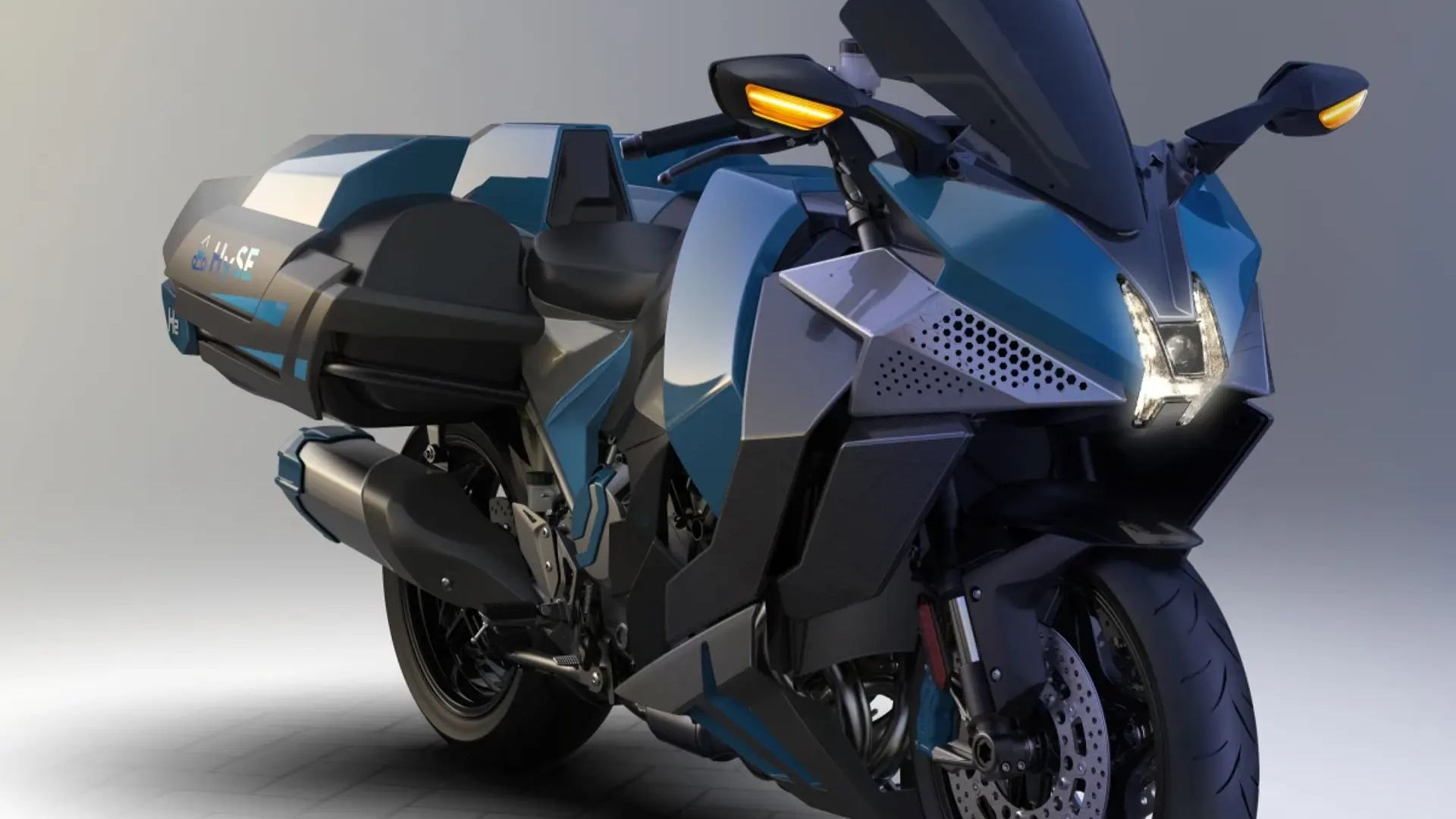


The Kawasaki Revealed the Ninja H2 HySE Motorcycle, Powered by Hydrogen, During the 24 Hours of Le Mans Motorcycles 2025 Event in France. The Prototype Was Showcased in a Solo Lap at the Bugatti Circuit, Driven by Rider Matthias Höppner, and Presented a Proposal to Combine Internal Combustion Engine with Zero Pollutant Emissions.
The model utilizes the HySE (Hydrogen Small Mobility & Engine Technology) system, which burns hydrogen directly in the engine instead of using it in fuel cells. The motorcycle runs on hydrogen gas compressed to 400 bar, stored in rear tanks, and releases only water vapor as a byproduct.
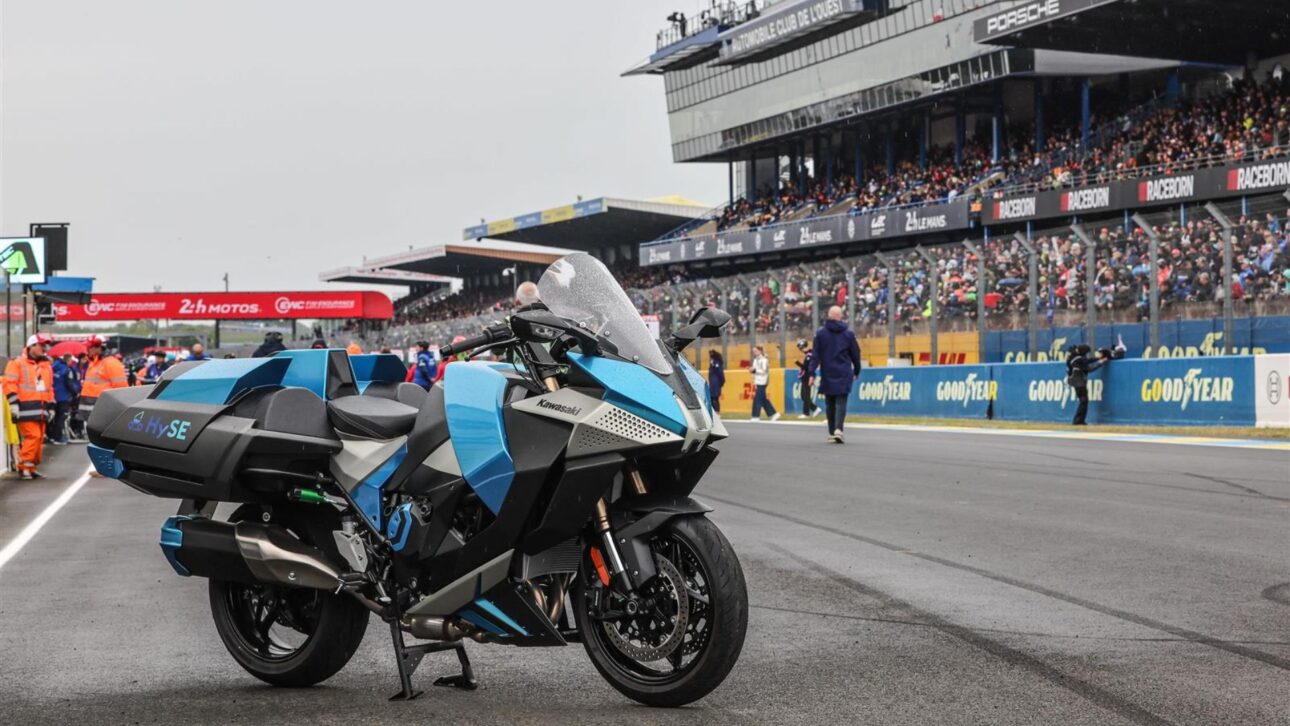
Based on the Ninja ZX-10RR, the experimental version maintains the characteristic roar and power of the engine, showing that the use of clean combustion can coexist with high-level performance. The manufacturer’s goal is to prove the viability of hybrid technologies that extend the life of combustion engines in an energy transition scenario.
Partnership Between Giants and the Objective of the Prototype
Kawasaki is part of a consortium with Honda, Yamaha, Suzuki, and Toyota, companies that are looking to develop solutions to preserve combustion engines with reduced emissions. The project is still in the testing phase and aims to demonstrate the possibility of manufacturing motorcycles that combine performance, safety, and sustainability.
-
Thinking of Installing LED Headlights? Why Replacing Halogen Bulbs is Still Banned, the Glare Risks Authorities Worry About, and How a New Proposal Could Allow Certified, Safe Installations

-
2027 Toyota Corolla Cross Unveiled: New Design, Enhanced Fuel Efficiency, Reduced Maintenance Costs, Advanced Technology, Connected Services, and Up to 10-Year Warranty

-
Fiat Cronos Precision 2018: Affordable Sedan with Spacious Trunk and Reliable Maintenance
-
Volkswagen to Cut Production by 1 Million Cars by 2030, Reducing Jobs and Platforms, Focusing on More Profitable Models




The H2 HySE had already been presented in 2024, at the Suzuka 8 Hours event, but the appearance at Le Mans reinforced the intention to highlight the concept as a milestone in the development of high-performance clean motorcycles. The prototype ran on the track under light rain, validating the operation of the engine in adverse conditions.
Despite the successful demonstration, Kawasaki stated that the model is not ready for commercialization. The biggest challenge remains the logistics of storing and distributing hydrogen, which needs to be compressed in large tanks for safe refueling.
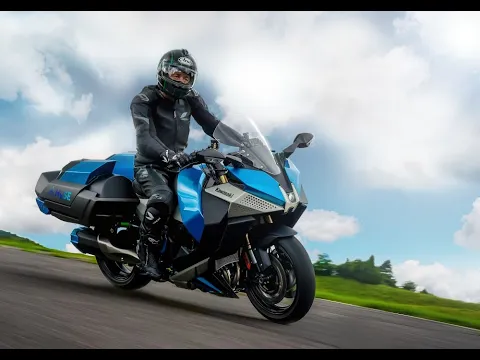

Prospects for the Future of H2 HySE
According to information published by the portal Ecoticias and official statements from Kawasaki, the main objective is to continue testing and expand the viability of the hydrogen engine before bringing it to market. The brand aims to contribute to a more sustainable two-wheeler sector without giving up the traditional riding experience.
Though just a prototype, the Ninja H2 HySE demonstrates how the sector can adopt intermediate solutions to reduce emissions and maintain features valued by motorcyclists. The technology, still under development, could propel a new phase for sport motorcycles and establish foundations for a clean combustion market.




Aqui está mais uma prova que os veículos eléctricos serão só uma passagem. O futuro dos veículos está no hidrogênio, pois as grandes marcas já apostam nesta tecnologia, exemplo disso é a aviação, os produtores de veículos terrestre e também já há em desenvolvimento motores deste tipo para embarcações.