





 Portuguese
  English
  Spanish
  5 min of reading
  3 comments


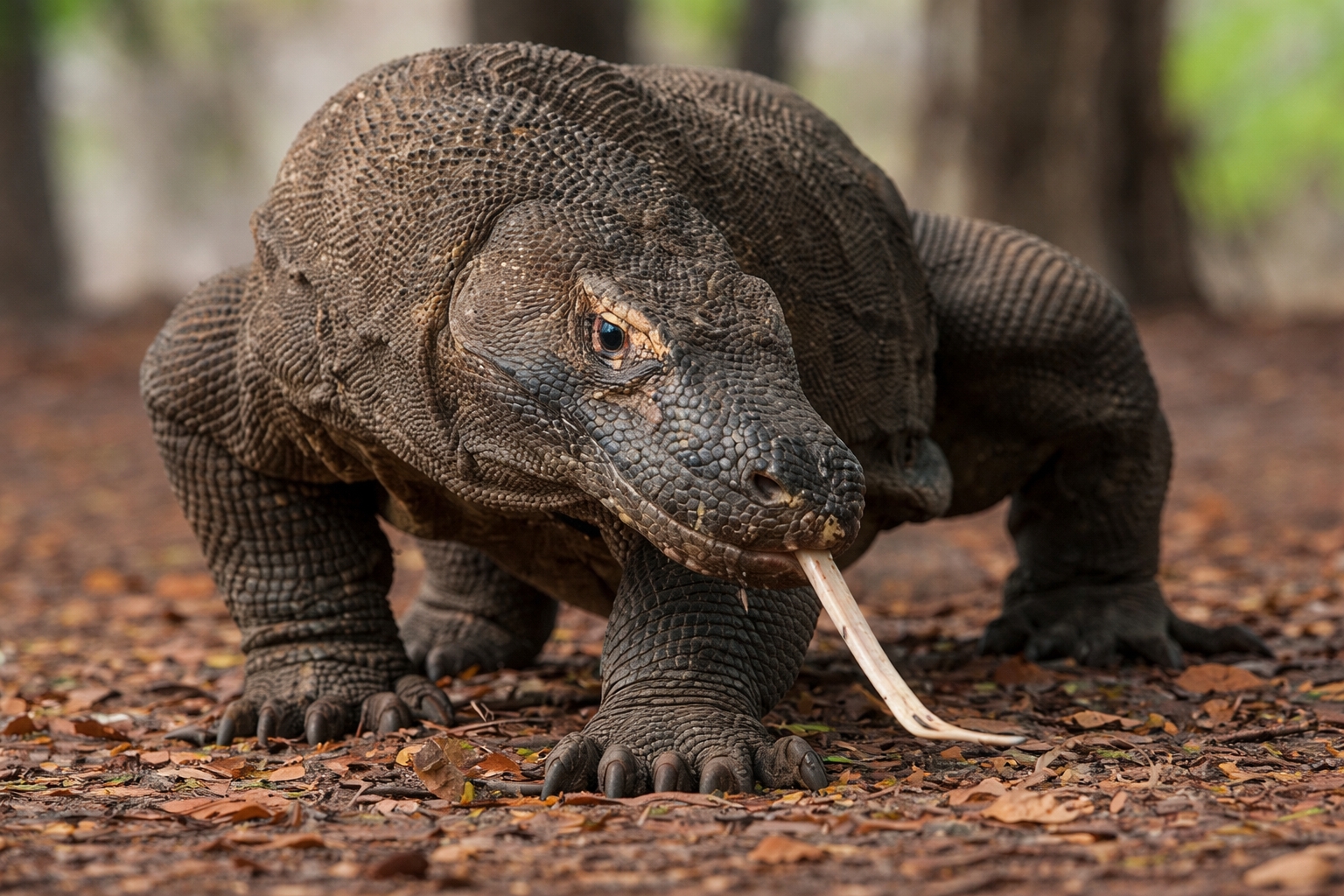


Understand How Farmers in the USA, Australia, and the Islands of Indonesia Try to Protect Their Livestock, Poultry, and Properties from Wildlife Such as Komodo Dragons, Foxes, and Vultures Approaching Human Areas
Komodo dragons, foxes, and vultures are turning life for farmers in the USA, Australia, and the islands of Indonesia into a nightmare! The clash between wildlife and rural areas can lead to losses in a matter of minutes. In different regions, predators and opportunistic animals approach farms, attacking livestock and causing property damage.
The impact shows up in people’s pockets and routines. There are reports of losses, increased risks near homes and roads, as well as control measures ranging from traps to management and hunting actions within defined periods.
Komodo Dragons Have Started Invading Rural Areas and Increased Conflicts with Farmers

The Komodo dragon lives on the islands of Indonesia and is described as a fearsome predator. It is noted as the largest living species of lizard in the world, with a range restricted to the country, a condition known as endemicity.
-
A Brazilian millionaire couple restores a farm over 150 years old in the interior of São Paulo and transforms the historic property with Portuguese tiles, antique furniture, and new spaces into a refuge that blends tradition, comfort, and sophistication.

-
Submerged city in a lake in Minas reveals intact streets, preserved vehicles, and houses after more than 60 years, impressing divers.

-
Yellowstone has started to rise again in an area of the caldera, and the movement rekindles fears surrounding the U.S. supervolcano, as scientists monitor the deformation and try to understand what is happening underground.
-
Woman arrested after receiving $1.2 million due to banking error and not returning the amount.

The estimated population is around 2300 Komodo dragons spread across several islands. Most live in wildlife reserves, while a small number roam freely in the wild.
In recent years, these reptiles have been encroaching on areas inhabited by humans, generating conflicts with farmers. The search for food can intensify contact, especially when natural prey becomes scarce.
How the Komodo Dragon Hunts and Why It Is So Dangerous
Komodo dragons tend to appear near forests, which offer shelter and good conditions for ambushing. In the dry season, with fewer prey available, they tend to approach human settlements.
The hunt is described as patient and brutal. The animal employs keen sense of smell, camouflage, and long waiting periods until the moment of attack.
During the attack, sharp teeth, long claws, and neck strength come into play to tear the prey and cause significant blood loss. The action of venom and bacteria in the saliva also prevents coagulation and exacerbates bleeding.
What Changes in Practice for Farmers in Indonesia to Protect Livestock from Komodo Dragons
In some areas of Flores and Komodo islands, farmers report recurring losses of cattle, leading to significant financial losses.
To reduce risks, traps are set in locations frequently visited by the dragons. The idea is to capture and then relocate the animals to wildlife reserves, ensuring safety for the communities and the reptiles themselves.
The use of rifles is also mentioned as a more effective method. The organization of hunts includes groups of four to six members and takes place between September and November, with the approach requiring caution due to the tail and jaws.
Foxes in Australia and the Direct Impact on Poultry

In the suburbs of Victoria, there is reference to a large population of wild foxes that enter residential areas and attack domestic animals. Their adaptability and opportunistic feeding put these foxes in conflict with farmers.
Poultry houses become frequent targets. Attacks usually occur at night, with invasions through small openings and quick deaths, often with several birds killed in a single night.
For control, cage traps with automatic locks and jaw traps hidden in the ground are used. There is daily inspection to prevent prolonged suffering and care in handling to reduce the risk of bites.
Vultures in the United States, Urban Damage, and Legal Limits

In many areas of the United States, an increase in the number of vultures, especially black vultures, is noted. They gather in large flocks in the fall and winter, feeding on carrion and also attacking small animals, creating problems for farmers.
Their presence extends to urban spaces, with flocks on rooftops, trees, and vehicles, causing damage to infrastructure and personal property. There is also mention of discomfort for residents and risk to traffic when the birds congregate near main roads.
Driving these animals away is described as difficult because they are protected by federal law. Killing or capturing without authorization is prohibited, with penalties including fines of up to $15,000 and 6 months of imprisonment.
How Control Works When Involving Large Predators and Rural Pests
In the wild and rugged regions of the United States, especially in Alaska, Montana, and Wyoming, the relationship with brown bears is described as complex. When a bear enters a farm, it can kill animals, destroy crops, and pose a direct threat to human life, with significant economic impact.
Bear hunting is regulated by state wildlife agencies, requiring licenses and the use of high-caliber rifles. Tracking involves looking for signs such as footprints, scat, and markings on trees, as well as making use of wind to avoid detection.
Other challenges mentioned include coyotes, which can cause livestock losses and act in pairs or small groups, and wild pigs, described as highly adaptable and prolific, with an estimated population of over 6 million in the United States, especially in Texas, Florida, and Georgia.
The Increasing Pressure on Farmers Due to the Constant Presence of Wildlife Such as Komodo Dragons, Vultures, and Foxes


When wild animals begin to frequent human areas, the situation tends to require more management actions. This involves everything from barriers and deterrent devices to capture, relocation, and control within local regulations.
The practical effect for those who live off the land is direct: protection of livestock, birds, and crops, reduced losses, and increased safety in areas where coexistence with predators and opportunists has become part of daily life.
The presence of Komodo dragons, foxes, vultures, bears, coyotes, and wild pigs demonstrates how the advance of these animals into productive areas creates constant pressure on farmers. The responses vary by region and species, but the objective is the same: to reduce losses and avoid new conflicts with people and properties.
Have situations like these affected your area? Share in the comments how coexistence with wildlife occurs there.







Reportagem mal feita e péssima.
Dragões de Comodo em terras americanas?
Impossível. Até onde sei, vivem restritos em um território longe das américas.
Creio que sejam as fazendas que invadem os espaços dos animais.
Exatamente isso. Querem fazer criação de animais no mato, lugar desses bichos, e depois eles é que são invasores???
Invasor é o homem que tira o espaço antes dis animais.