





 Portuguese
  English
  Spanish
  3 min of reading
  1 comment


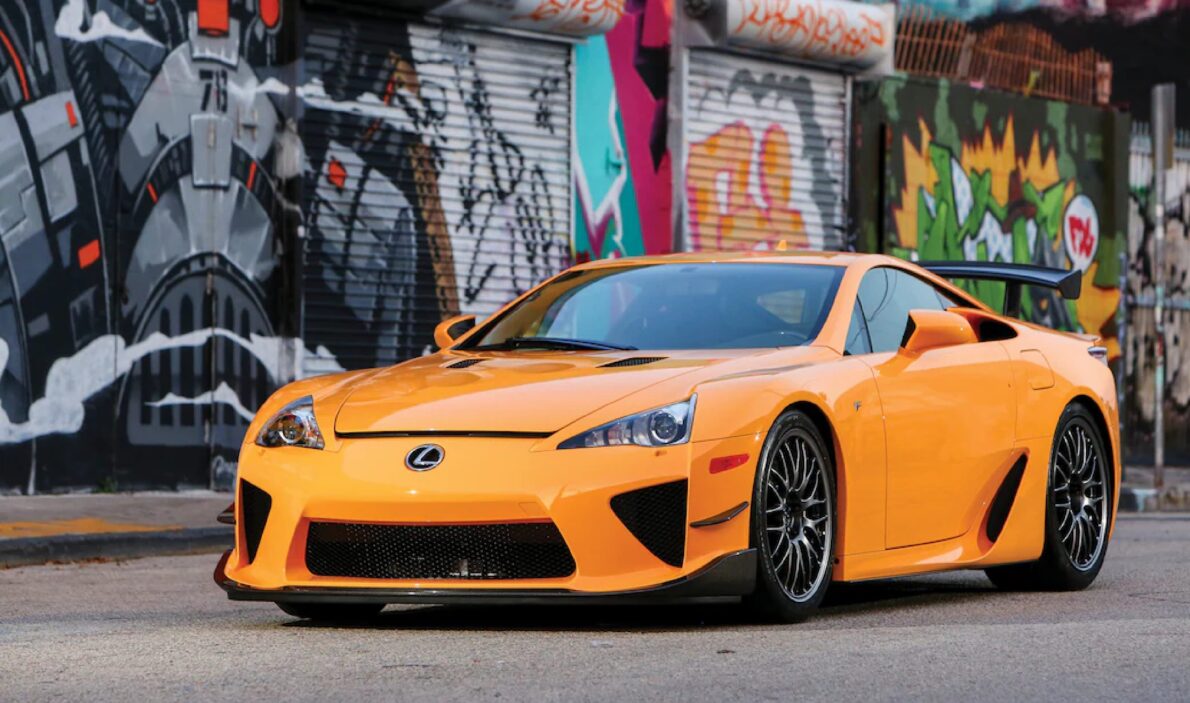


The Japanese Supercar Redefined Perfection, but Was Ignored by the Market. Here’s Why!
In an era when efficiency and economy were the driving forces of the Japanese automotive industry, three visionaries came together to create an automotive enigma that would change the world’s perception of Japanese supercars. The Lexus LFA, born at the dawn of the 2000s, was Lexus’s bold bet, a brand synonymous with luxury and innovation, to establish itself in a territory dominated by European giants. However, despite its grandeur, the LFA faced an unexpected fate: it was considered the best car ever made, but nobody bought it, according to a video from the Turbo Lag channel.
The Rise of a Legend
The Lexus LFA project began as a secret initiative within Toyota, the parent company of Lexus, with the codename P280. The mission was ambitious: to create a supercar capable of reaching 200 miles per hour and compete with European icons. Led by Haruhiko Tanahashi, an experienced engineer who had worked on some of Toyota’s most beloved cars, the LFA was developed with an unrelenting focus on perfection.
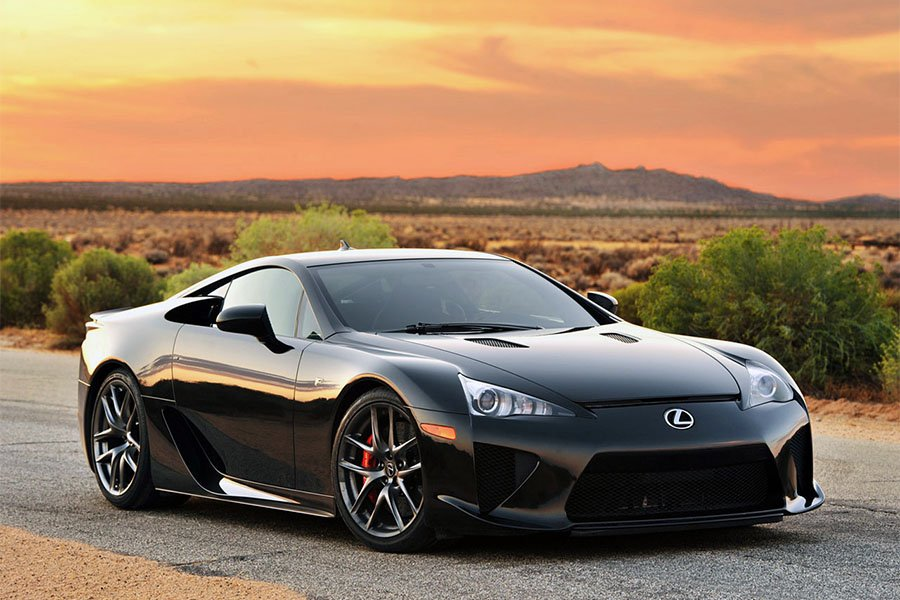
Toyota, known for its reliable and efficient vehicles like the Corolla and Prius, decided to show the world that it was also capable of creating an automotive masterpiece. And thus, the LFA was born, a supercar that promised to redefine the concept of drivability and performance.
-
Six diseases that seem common but can prevent the renewal of the driver’s license for the elderly throughout Brazil and surprise experienced drivers — could any of them affect you without showing clear signs?

-
With 122 hp, fuel consumption of up to 17.7 km/l, and a trunk capacity of 440 liters, this hybrid SUV impresses even though it costs up to R$ 47,000 more than the Yaris — meet the Toyota Corolla Cross.
-
600 km with three Chinese plug-in SUVs, same mode and air conditioning on: Jaecoo 7, BYD Song Plus, and Haval H6 hit the road, and the pump reveals who was truly the most economical.
-
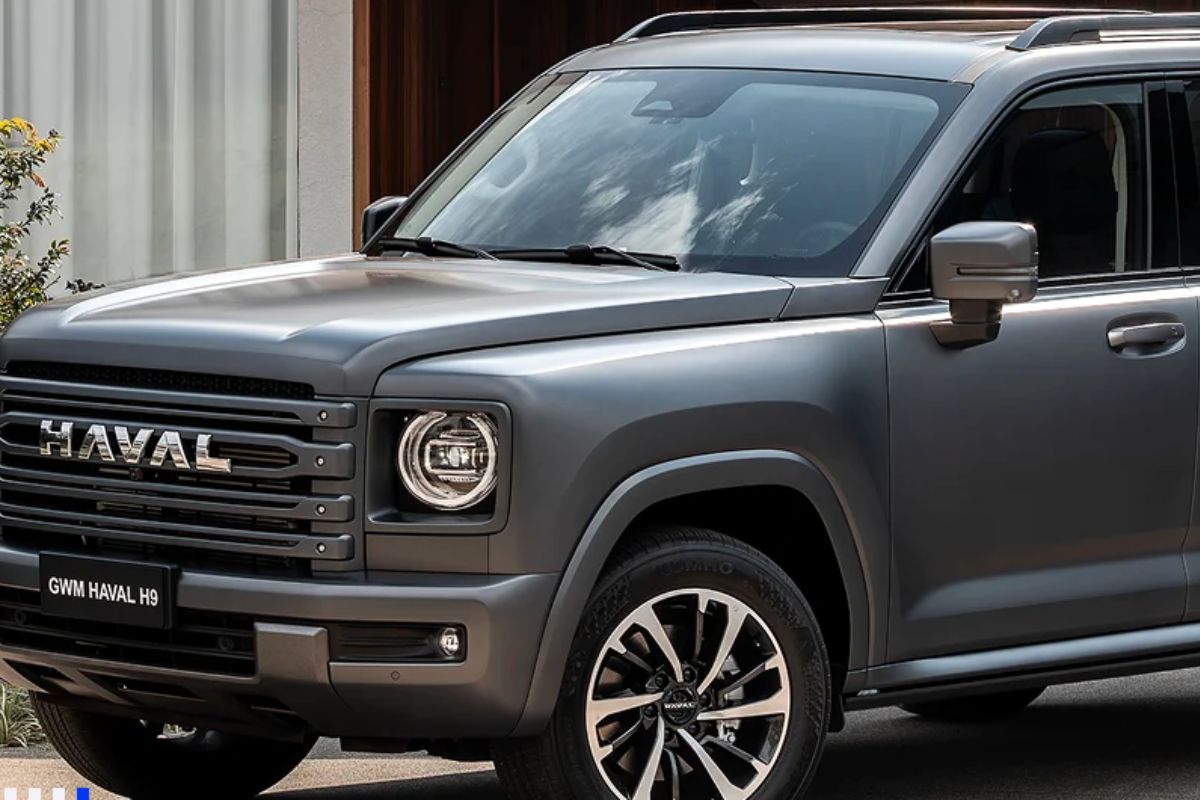
With a price almost R$ 100 thousand lower, the Haval H9 surpasses the SW4 for the first time in March, but Toyota still leads in the accumulated total for 2026; the Chinese SUV bets on technology and premium finishing to compete at the top.

The Road to Perfection
The development of the LFA was marked by challenges and tragedies. In 2007, Toyota made the decision to replace the aluminum chassis of the LFA with carbon fiber, a revolutionary material for the time, which required the creation of new manufacturing techniques. Each 5.0-liter V10 engine was meticulously hand-assembled, with each unit being signed by the responsible engineer. Production was limited to just one car per day, ensuring that each LFA was unique and flawless.
However, the path to excellence came at a price. One of the darkest moments in the history of the LFA was the tragic death of Hiromu Naruse, Toyota’s test driver, who lost his life in an accident while testing a special edition of the LFA at the Nürburgring circuit in Germany.
Recognition and Rejection
When the LFA was finally launched in 2010, it was hailed as one of the most impressive supercars ever made. With unmatched performance and an engine sound that resembled a symphony, the LFA captured the hearts and minds of journalists and automotive enthusiasts around the world. Jeremy Clarkson, from the famous show Top Gear, even declared that the LFA was the best car he had ever driven.


Despite all the recognition and acclaim, the LFA faced an unexpected problem: it did not sell. The high price, in the range of half a million dollars, and the fact that it carried the Lexus emblem, a brand more associated with luxury cars than supercars, deterred many potential buyers. Even with only 500 units produced, some remained unsold at dealerships.
The Legacy of the LFA
In December 2012, the last Lexus LFA rolled off the production line, marking the end of a decade of development and two years of manufacturing. Despite its impeccable performance and having redefined expectations of what a Japanese supercar could be, the LFA never achieved the commercial success it expected. However, its legacy lives on, influencing automotive engineering and Lexus’s design philosophy to this day.
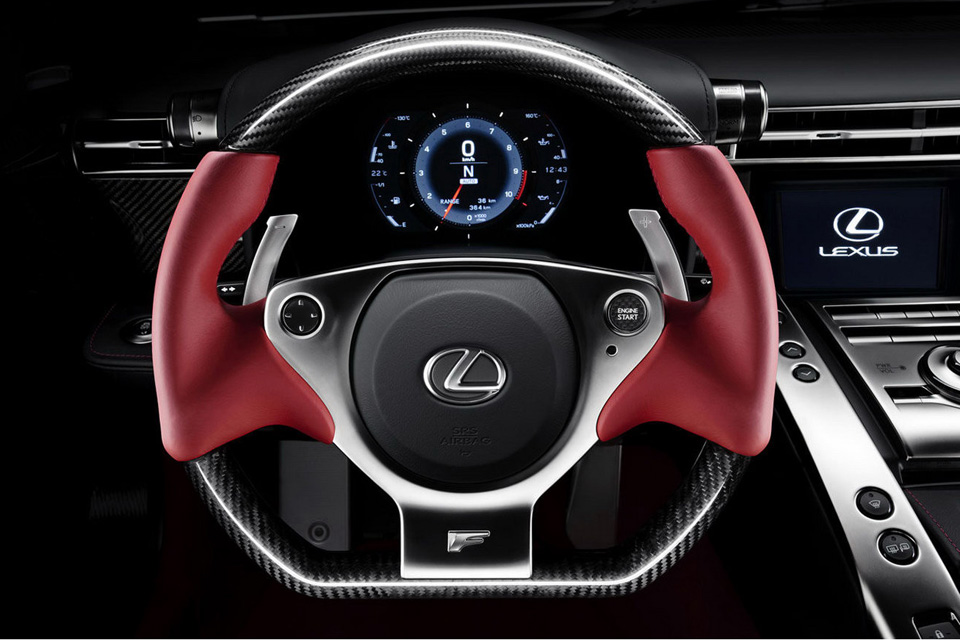
The LFA is a reminder that sometimes, perfection can be lonely. Even being regarded by many as the best car ever made, it shows us that not always is the best product the most sold. The LFA was a masterpiece that challenged the heavens and the earth, but paradoxically found its fate in the indifference of the market.






Esse LFA é muito lendário