





 Portuguese
  English
  Spanish
  4 min of reading
  1 comment


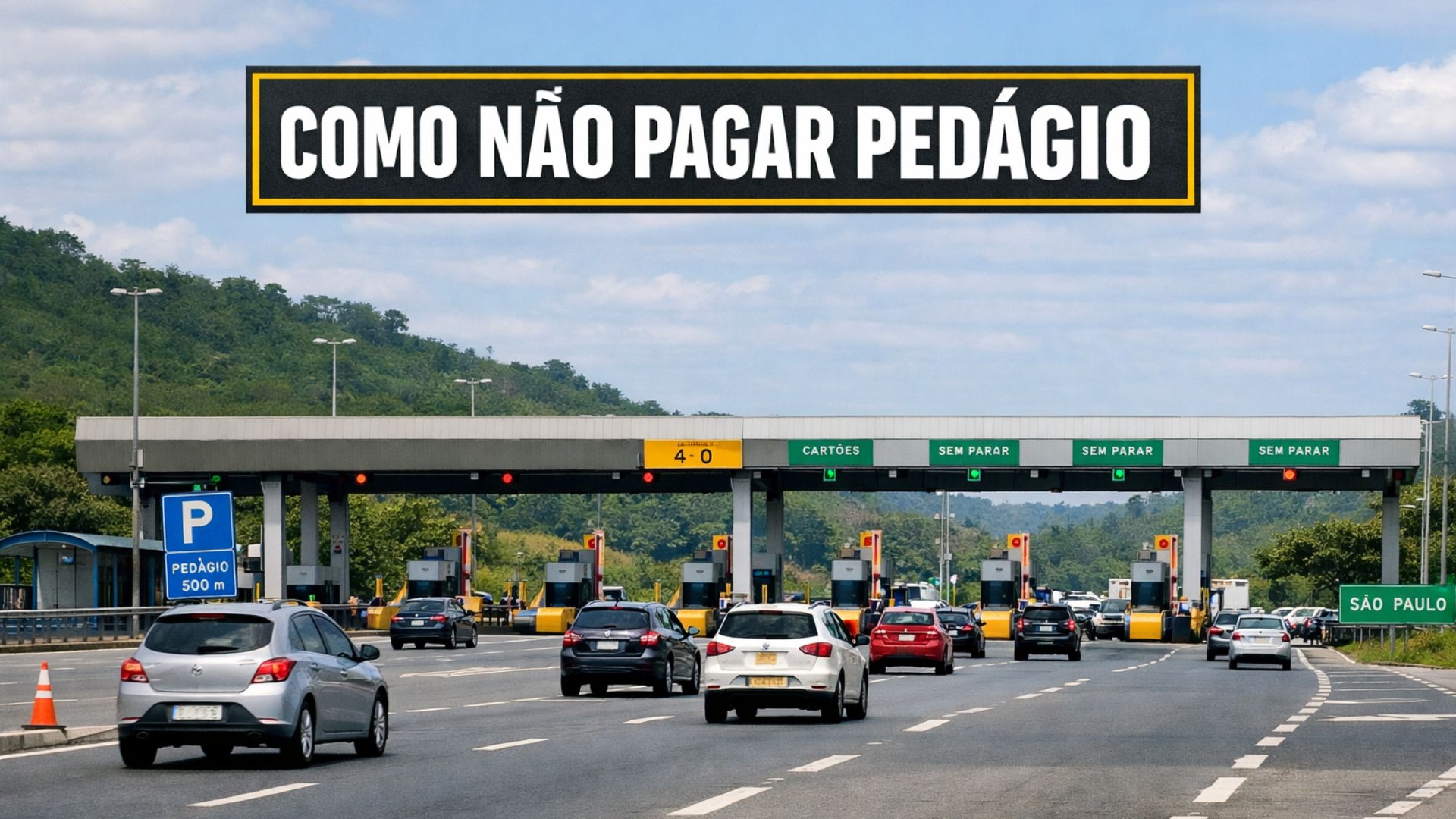


Little-Known Contract Rule Can Lead to the Release of Barriers on Federal Highways When the Queue or Waiting Time Exceeds Limits Established in the Concession Contracts, Which Vary by Section and Operator, and Often Causes Confusion Among Drivers Who Are Unaware of How the Mechanism Actually Works.
A long wait at the toll plaza can, in some granted sections of federal highways, lead to the passage being released without charge.
This possibility, however, does not arise from a “single federal law” valid for the entire country.
It appears, when it exists, as an obligation set forth in the contracts and the Highway Exploration Programs, known as PER, signed between concessionaires and the public power, with parameters that vary from one concession to another.
-
“No one will make us change the Pix,” says Lula after the US report.

-
Lula responds directly to Trump and says that Pix is from Brazil and will not change under pressure from anyone, after a report from the United States pointed out the Brazilian payment system as an American trade barrier.

-
Amazon has just announced a new fee on all deliveries, and your online purchases will become more expensive starting April 17, including for those buying from the United States here in Brazil.

-
He sold his share for R$ 4 thousand, saw the company become a giant worth R$ 19 trillion, and missed the opportunity of a lifetime.

In practice, some contracts set limits on queues and waiting times. If the concessionaire identifies that these limits have been reached, the operation must change to alleviate the congestion.
Among the measures provided for is, in specific cases, the opening of the barriers without collection until the situation returns to normal.
Still, there are concessions with criteria different from the “300 meters or 10 minutes” frequently cited on social media.
There are also contracts in which this provision simply is not present.
Queue Limits and Time Vary According to the Highway Contract

The logic behind these triggers is linked to the level of service. The toll finances the operation and maintenance of the granted highway.
In return, contracts usually impose fluidity and service targets at the toll plazas.
When the queue exceeds the accepted standard, the contractual text may determine immediate measures to reduce congestion.
In such situations, the release of vehicles without charge can occur without generating automatic compensation to the concessionaire.
It is at this point that much of the misinformation arises. There is no single national rule that guarantees free passage whenever the queue exceeds 300 meters.
The regulatory bodies themselves reinforce that queue limits and times are defined individually in each concession contract.
Where the Numbers of 300 Meters and 10 Minutes Come From
Although they are not universal, the numbers of 300 meters of queue and about 10 minutes of waiting frequently appear in specific contracts.
A historical example is the concession of BR-040, in the section between Juiz de Fora and Rio de Janeiro.
In this case, official documents indicate queue and time parameters that, when exceeded, require the adoption of measures to normalize the flow.
Among these measures is the temporary release of passage without charge.
In other federal highway contracts, similar references appear, with slight variations in the numbers.
There are cases where the time limit is shorter. In others, the length of the queue considered acceptable changes depending on the time of day, type of lane, or toll plaza.
For this reason, the simple fact of facing a long queue does not guarantee, by itself, the immediate right to free passage.
Identifying the Concessionaire Is an Essential Step for the Driver

In situations of prolonged wait, the first relevant information is to know which concessionaire manages the section.
Granted federal highways usually display this identification on signs, toll booths, and service channels.
Each concessionaire follows what is defined in its contract and in the respective Highway Exploration Program.
Without this identification, the driver cannot know which limits apply to that specific plaza.
When the delay seems excessive, documenting the situation can be decisive.
Consumer defense specialists recommend that the user document the queue and waiting time through photos, videos, or notes.
These records help in any subsequent complaints, in case there are signs of contractual noncompliance.
Free Passage Is Not Automatic and May Lead to Subsequent Discussion
Even in contracts that foresee the opening of barriers, the release does not always occur immediately.
In many cases, the verification of noncompliance occurs internally or after the normalization of traffic.
This causes various situations to end up being discussed later, through formal complaints.
The most common channels include the concessionaire’s ombudsman, state Procons, and the responsible regulatory agency.
Authorities reinforce that there is no legitimate “shortcut” to force the opening of the barrier at the time of the queue.
The enforcement of the rules must follow the institutional channels provided.
Changes in Concession Require Extra Attention
Some of the information circulating about tolls still cites concessionaires that no longer operate certain sections.
On the connection between Rio de Janeiro and São Paulo, for example, the concession has gone through changes in recent years.
This means that operational rules, contracts, and service parameters may have been updated. Consulting documents or guidance from old operators may lead to incorrect conclusions.








Uma pergunta , como saber qual é regra de determinados trechos sobre a rodovia ?