





 Portuguese
  English
  Spanish
  4 min of reading
  0 comments


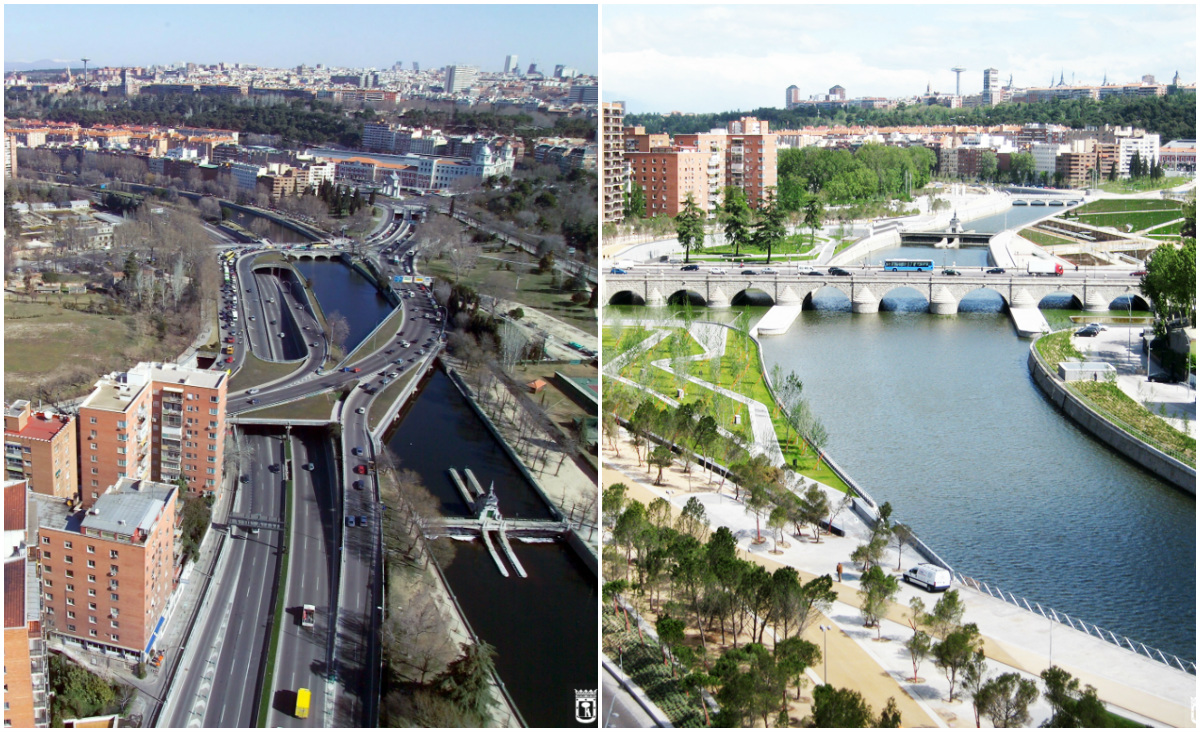
The Transformation of Madrid: 43 Km of Buried Roads, 35 Thousand Trees Planted, and a Reopened River That Changed Mobility, Urban Climate, and Quality of Life.
The transformation of Madrid did not happen by accident or for aesthetic reasons: it was the result of one of the most complex rehabilitation projects ever carried out in Europe in the 21st century. For decades, the M-30 highway suffocated the Manzanares River, blocked access for the population to the riverbed, increased noise and pollution, and created a physical barrier between entire neighborhoods. In the mid-2000s, the city decided to undertake what, for many urban planners, sounded risky: bury sections of this expressway and reopen the river for the people.
The project focused on three strategic components: underground engineering to bury approximately 43 km of roads and associated tunnels, environmental recovery of the Manzanares River, and the establishment of the linear park Madrid Río, with more than 35 thousand trees and public infrastructure along the waterfront.
The Burying of the M-30 and Underground Engineering
The technical heart of the project was the burying of a large part of the M-30, including continuous tunnels totaling dozens of kilometers. The goal was to move surface traffic below ground, reducing noise, emissions, and urban barriers.
-
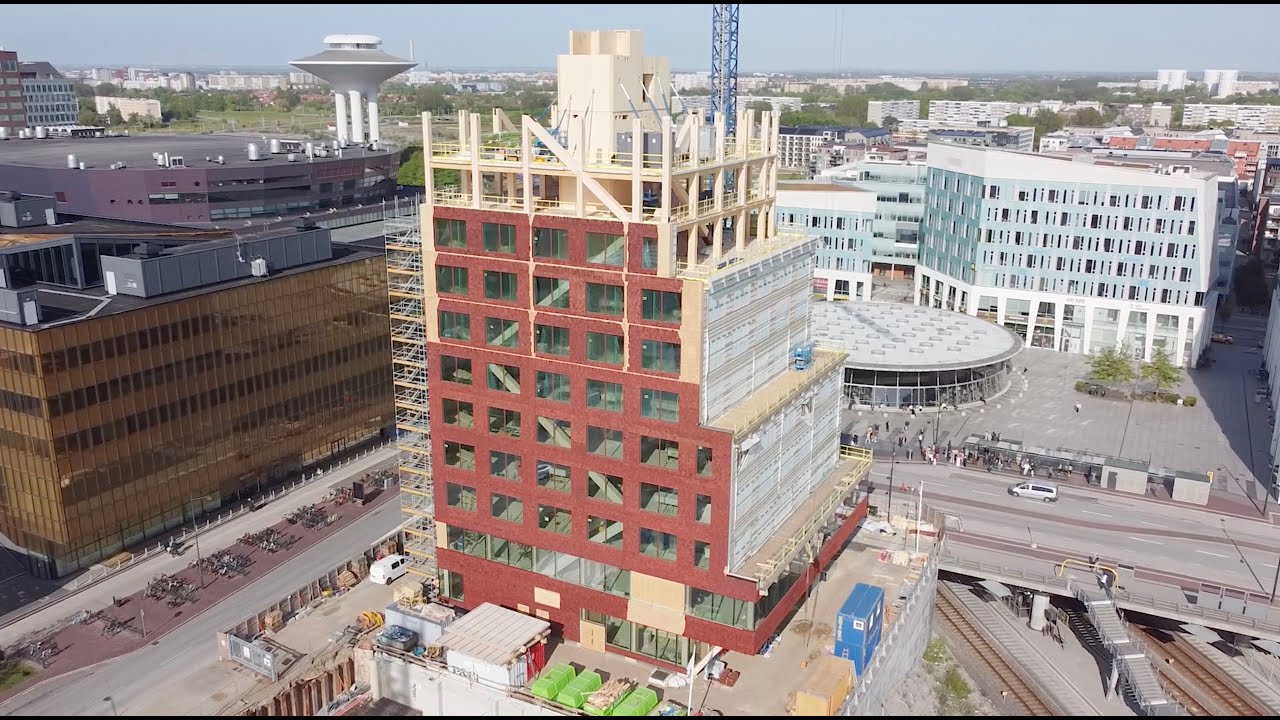
In Sweden, a 51-meter tower was built almost entirely of wood, without a concrete structural core and with solar panels integrated into the facade, using CLT and laminated beams to challenge the dominance of steel and concrete in modern buildings.
-
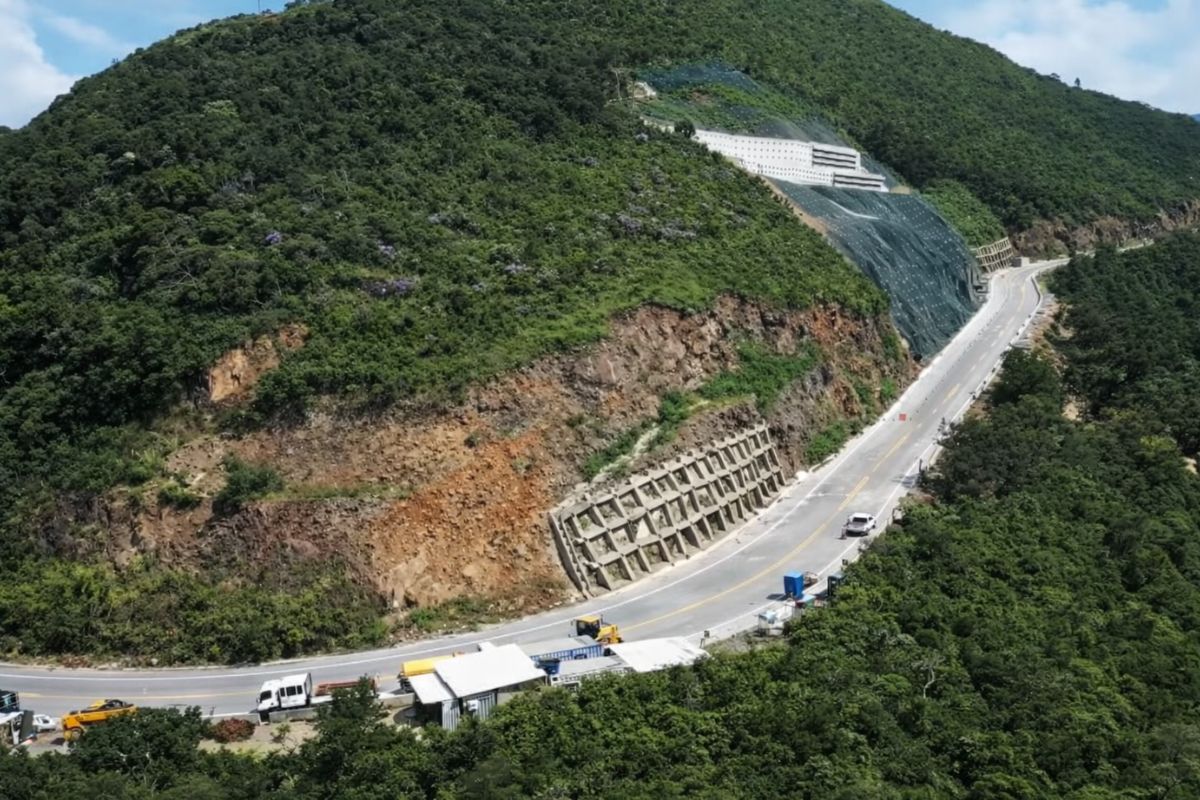
The section of Serra da Rocinha on BR-285 is now open in Timbé do Sul: 50 m tensioned curtains and top-down technique stabilize the slope, with a stairway duct controlling the water.
-
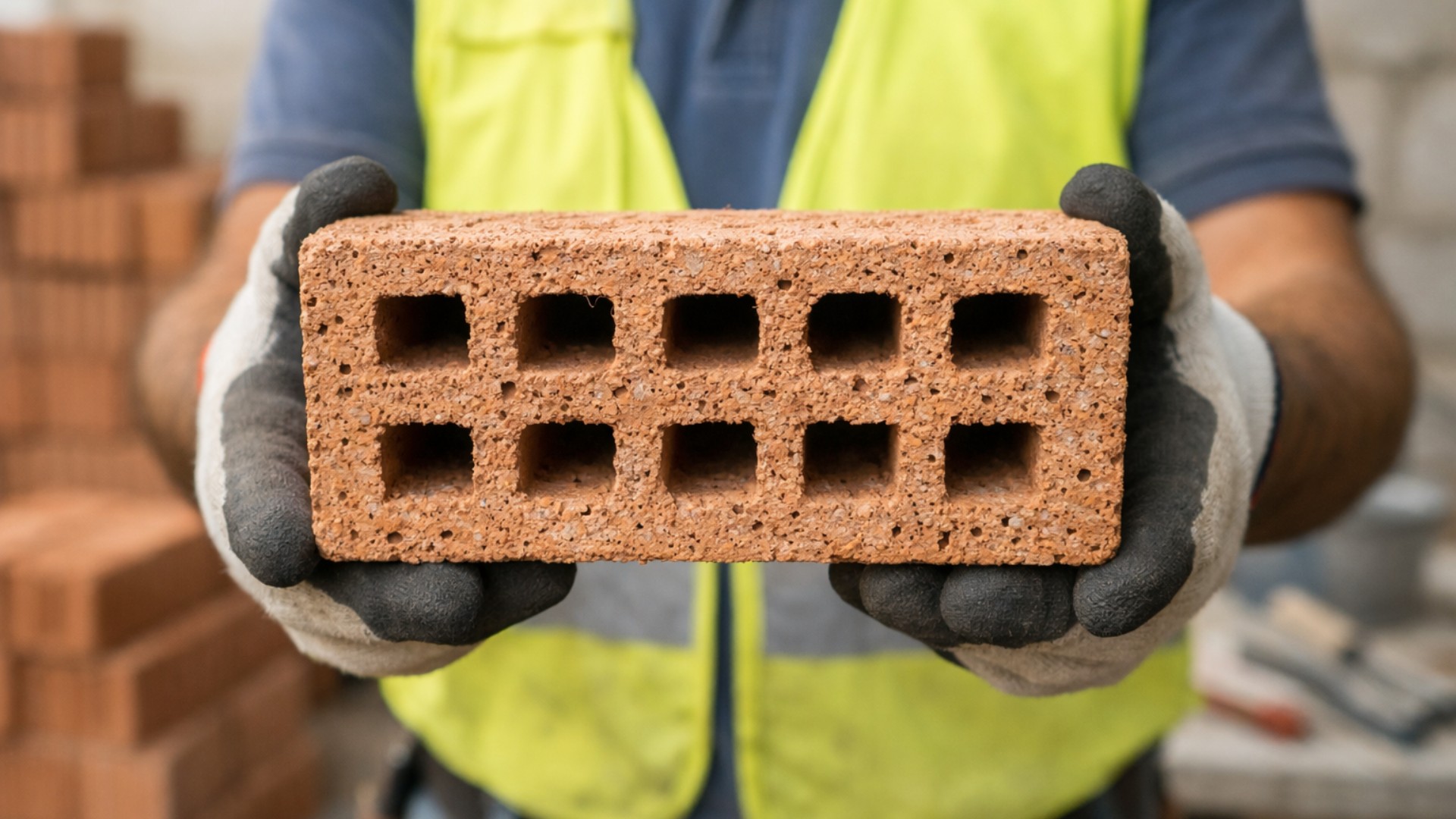
Scientists use sawdust mixed with clay to create a lighter brick, promising efficient thermal insulation and impressing by transforming waste into a solution for construction.
-
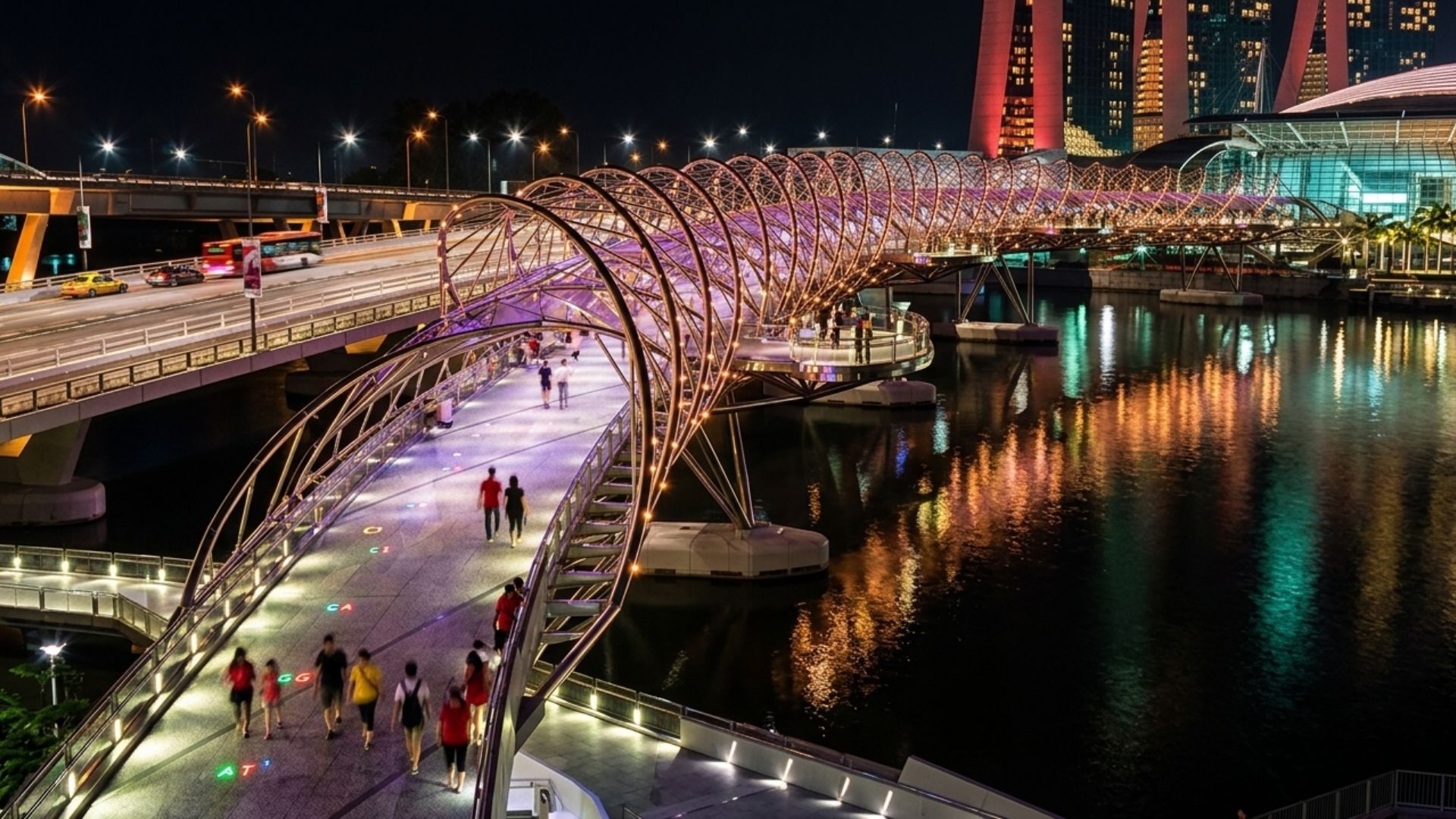
With a DNA shape, this bridge in Singapore draws attention in modern architecture and surprises tourists by transforming a simple crossing into an unforgettable visual experience in the urban heart.

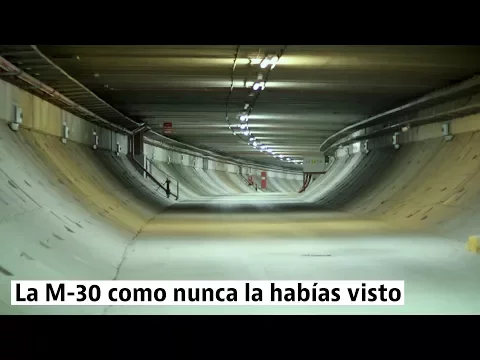
The work took place in a densely built area, with heavy traffic and complex geotechnical requirements. The river could not be interrupted, nor could the flow of vehicles. The execution required tunnel boring machines, structural concrete, mechanical ventilation systems, sensors, drainage, and pumping stations to manage groundwater.

This phase eliminated the highway from the visual and acoustic field of the city center, allowing the river to be reconnected to neighboring neighborhoods for the first time in decades. Historically separated neighborhoods began to have physical and pedestrian continuity, something unthinkable in the 90s.
Reopening of the Manzanares River and Ecological Recovery
With the burying completed, the river ceased to be a line of asphalt and guardrails and returned to having accessible banks. This opened up space for a rare environmental project in large European capitals: the partial renaturalization of the Manzanares.
The use of ecological passages, native vegetation, and hydraulic adjustments restored habitat for birds, fish, and invertebrates. The presence of otters, waterfowl, and reintroduced fish began to be documented. For years, the river had been treated as a technical channel, with no ecological function. In the end, it became an environmental vector.
Urban Parks, Active Mobility, and Massive Tree Planting
On the site of the former urban scar, the Madrid Río park emerged. More than 35 thousand trees were planted along a network of paths, walkways, and bridges. It is important to highlight that it is not just about landscaping: the tree planting affects temperature, air quality, CO₂ absorption, and thermal comfort.
The project brought a green corridor that connects neighborhoods, cultural facilities, sports areas, and bike paths that expanded active mobility. The reduction of noise and the improvement of the microclimate can be perceived even by occasional visitors.
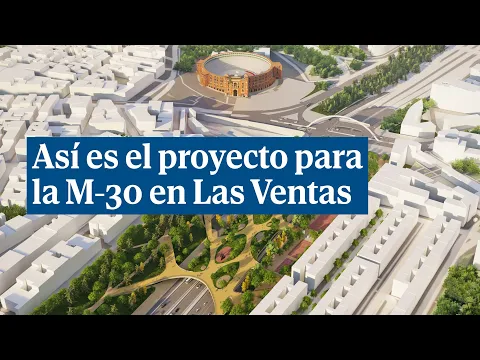
The city gained kilometers of bike paths, pedestrian walkways, and gathering areas over a region that was once dominated by vehicular traffic. The effect on surface traffic was significant: where cars once traveled, bicycles, families, and visitors now circulate.
Social, Urban, and Economic Impacts
The transformation resonated in the quality of life of dozens of neighborhoods. Property values in nearby areas increased, tourism gained a new front, and the city created an international brand for urban renaturalization.
In terms of mobility, burying did not eliminate the need for cars, but it reduced human exposure to traffic, noise, and urban fragmentation. Cities that once used highways as a model of modernity started to look to Madrid as a reference for rebalancing cars and people.
An Urban Laboratory for the 21st Century
The project was visited by delegations from Paris, London, New York, Toronto, Bogotá, São Paulo, and Seoul, all interested in understanding how an extensive city decided to bury roads and expand green corridors instead of building more viaducts, expressways, and surface tunnels.
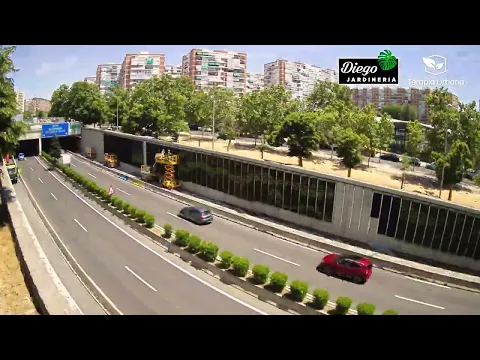
The reference is symbolic because it reverses the logic: Madrid did not build more lanes and overpasses to “solve traffic”; it moved the highway and returned urban space to the public. Engineering served to recover the river, not the other way around.
Environmental and Urban Renaissance as Public Policy
The reconnection between the city and the river carries both technical and philosophical weight. In the 20th century, rivers were straightened, channeled, covered, used as sewers, and barriers. In the 21st century, cities are starting to understand that rivers need to be seen as essential ecological infrastructure.
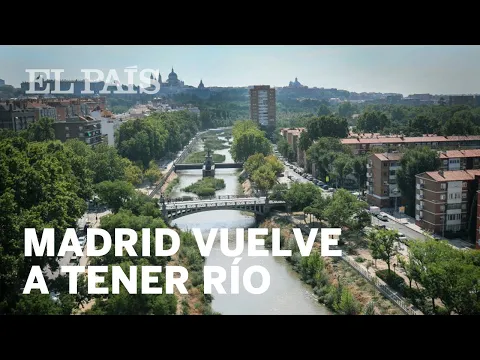
The case of Madrid demonstrates that urban rehabilitation is not just aesthetic or beautification: it is heavy engineering, public policy, planning, environmental systems, urban hydrology, and mobility.
A New Urban Paradigm
By burying 43 km of roads, restoring the river, planting 35 thousand trees, returning hectares to public space, and reducing surface car traffic, Madrid has established itself as a laboratory for urban renaissance.
Just like Seoul with the Cheonggyecheon and Portland with its de-paving plans, Madrid became a reference for cities that want to correct mistakes of the past century.
In the end, the lesson is clear: a modern city does not need to hide its rivers or favor only cars to consider itself developed. On the contrary: the future lies where the river reappears, traffic is reorganized, and people reclaim urban space.





-

-

3 pessoas reagiram a isso.