





 Portuguese
  English
  Spanish
  4 min of reading
  42 comments


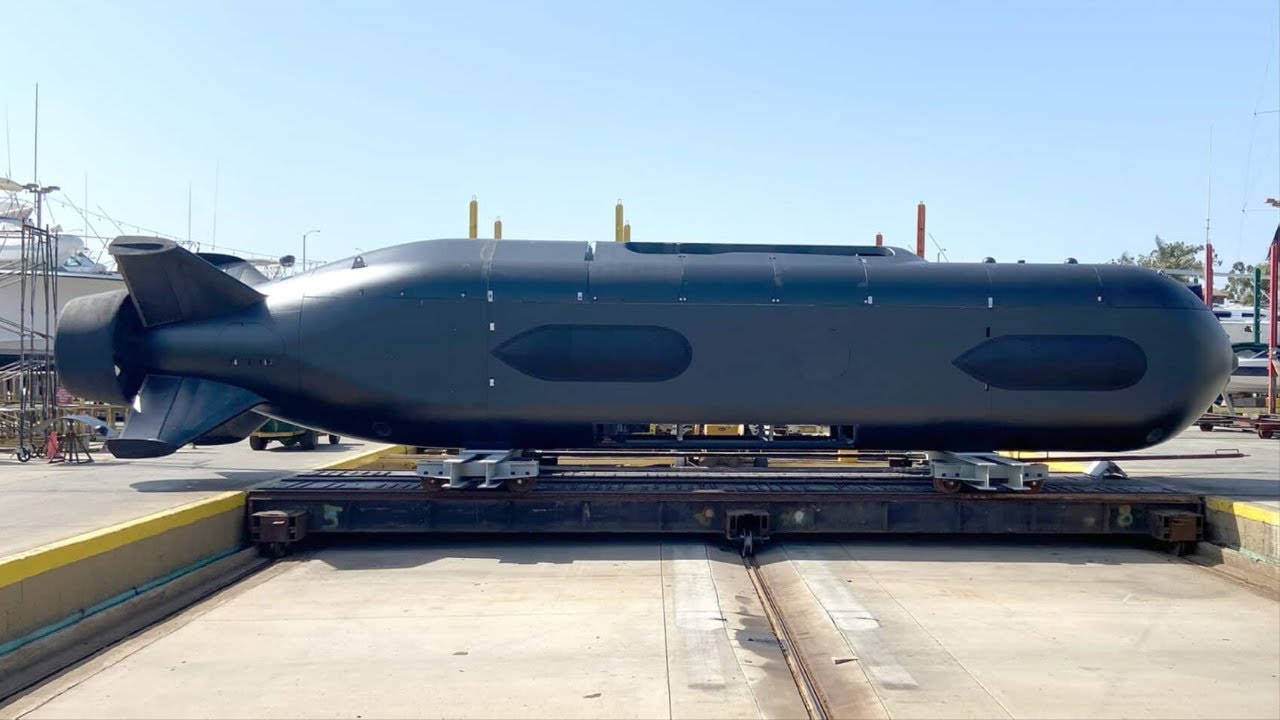


Orca XLUUV, 26-Meter Submarine Drone With Estimated Range Above 12,000 km, Expands Naval Autonomy and Transforms Silent Ocean Exploration.
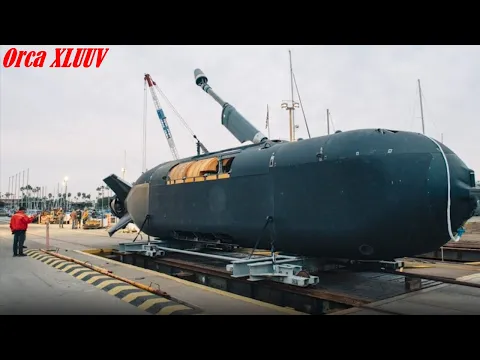
Few people realize that the new frontier of naval engineering is not on the surface, but in autonomous platforms that can spend weeks submerged without human contact. In this context, the Orca XLUUV (eXtra-Large Uncrewed Undersea Vehicle) emerges, developed by Boeing in partnership with the United States Navy. It is a submarine drone of unprecedented dimensions for the sector, measuring 26 meters in length, with a hull inspired by crewed mini-submarines and an estimated range that exceeds 12,000 km of navigation.
What stands out is not just the size, but the idea that an uncrewed underwater vehicle can traverse continental distances while carrying out long-duration missions.
Orca XLUUV: Dimensions and Range That Stand Out
The Orca program was conceived within the American strategy to expand the capacity for persistent maritime presence without relying on onboard crews. The numbers are already impressive: according to public data released by Boeing and defense reports such as Naval News and USNI News, the platform includes:
-
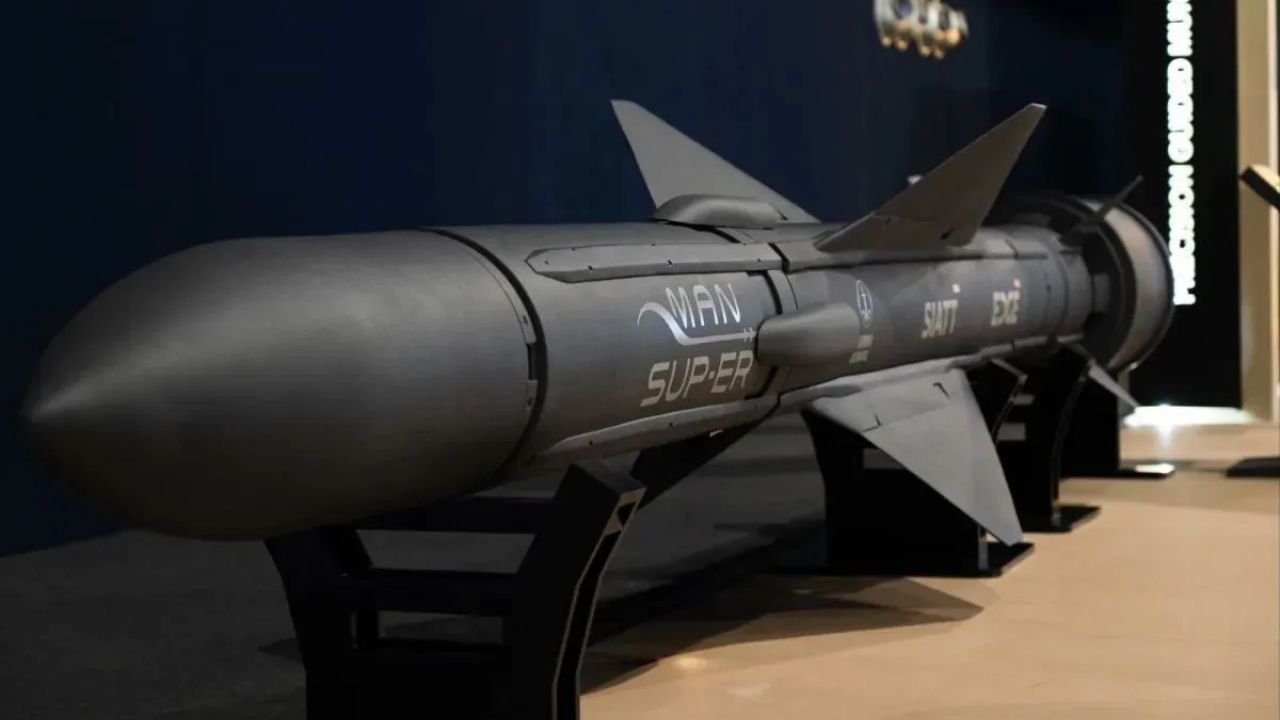
Brazil accelerates the evolution of the MANSUP missile, designing an air-surface version with a range exceeding 200 km, advanced guidance, and precision strike capability against land and naval targets, paving the way for a new generation of national armaments with global potential.
-
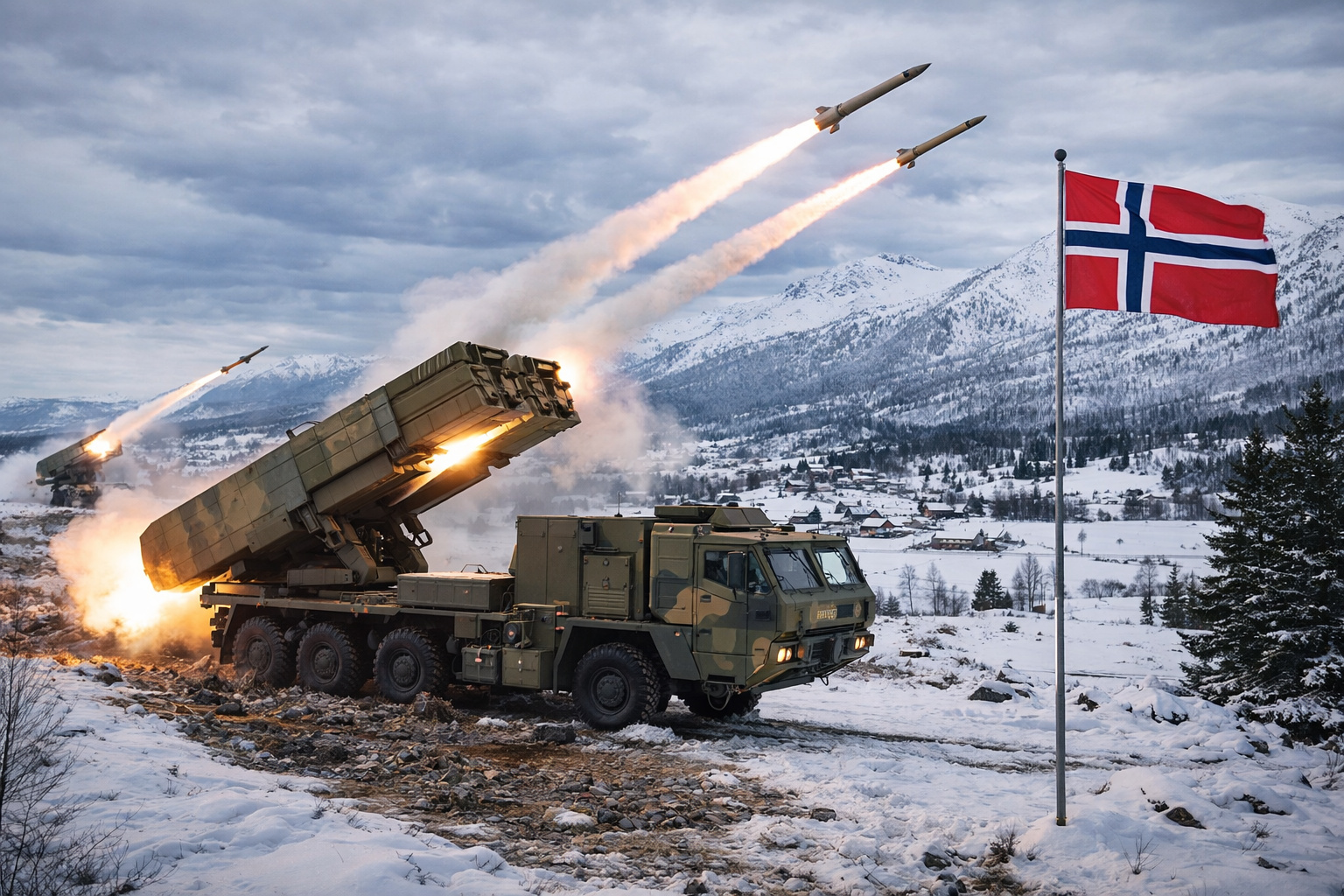
South Korea signs a $922 million deal with Norway, bringing Chunmoo launchers capable of firing guided missiles up to 290 km with an accuracy of 15 meters to Europe and turning the system into a key component of the new global race for precision artillery.
-
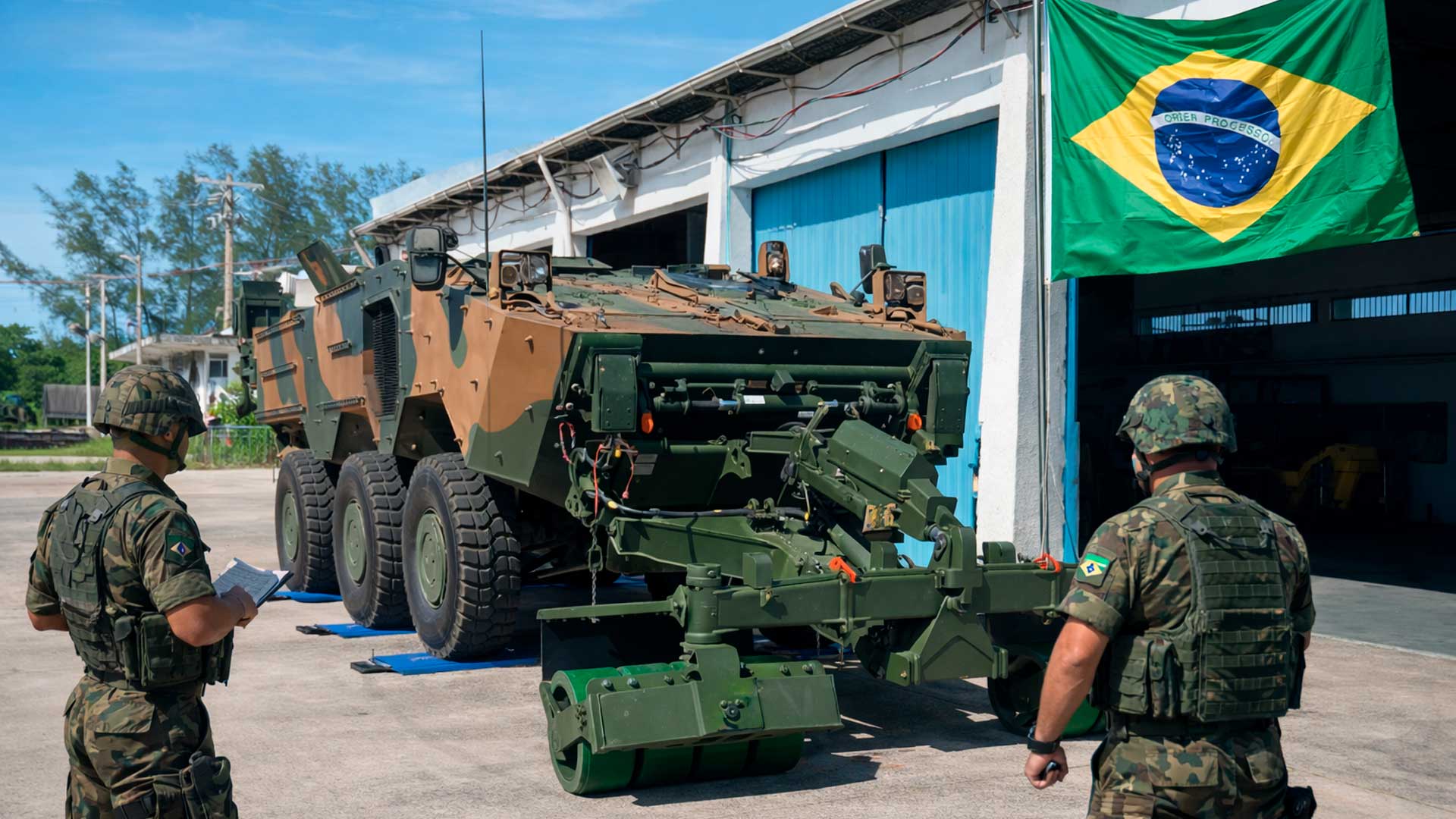
Brazil advances with decisive tests until June, the 6×6 Guarani armored vehicle with engineering equipment enters the most important phase and can enhance the operational capability of the Army.
-
Furnas Airport is handed over to the Navy and becomes a strategic base with complete military operations, attack drones, and international mobilization at Furnas Lake.

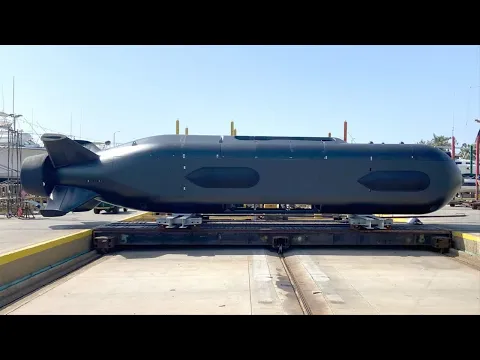

• ~26 meters in length (mini-submarine range)
• modular hull for different payloads and sensors
• estimated range above 6,500 nautical miles, about 12,000 km
• electric propulsion combined with internal power modules
• underwater navigation and mapping sensors
Although many details remain classified, what is already known highlights a technological leap: submarine drones that operate for weeks without human contact, navigating at undisclosed depths, with mission profiles ranging from ocean surveillance to environmental research and critical infrastructure monitoring.
Where the Orca Fits into the New Era of Underwater Autonomy
Autonomy is not just a technological luxury; it is a necessity in increasingly economically contested seas. Submarine cables, shipping routes, offshore energy infrastructure, and marine biodiversity create an environment where continuous monitoring has become indispensable — but costly and risky with crews.
The Orca represents a third way: large enough vehicles to cross oceans and small enough to avoid reactors, unlike nuclear submarines. At the same time, it avoids a classic limitation of smaller ROVs and AUVs, which depend on ship support or short-range batteries.
It is an industrial transition similar to what occurred with long-range aerial drones decades ago, now applied to the sea floor.
Modular Structure and Embedded Electronics
One of the most notable features of the design is modularity. The Orca adopts a expandable central bay, where different types of sensors can be installed according to the mission. This concept is already used in modern aircraft and ships, but in the underwater environment, it gains special relevance.
Additionally, the embedded electronics integrate:
✔ autonomous navigation systems
✔ mapping sensors
✔ obstacle avoidance capability
✔ communication via underwater and satellite protocols (when at safe depths)
Underwater communication remains a major industrial challenge due to water absorption and the limitation of electromagnetic waves. Thus, vehicles of this type operate with ascent routines, update protocols, and route planning, all without revealing sensitive or operational details.
Why This Matters for the Future of Oceans
The impact of the Orca is not limited to the military sector. Large autonomous platforms can pave the way for civil uses such as:
• climate monitoring
• surveillance of sensitive ecosystems
• species identification
• geological research
• mapping of submarine cables and pipelines
Interest in this type of technology is growing as the blue economy — a term used to describe economic activities related to the sea — becomes a global geopolitical asset. Offshore wind energy, hydrogen, intercontinental data cables, and maritime routes require continuous situational awareness.
What Comes Next
The U.S. Navy has already confirmed the initial acquisition of Orca units, and the program continues to expand with testing, adjustments, and certifications.
Boeing describes the system as an evolving platform, which suggests future upgrades in sensors, autonomy, electronics, and software.
It is early to predict the definitive impact, but the message is clear: we have entered the era of giant submarine drones, capable of sailing farther than many small ships and remaining at sea for weeks without operators or crews.
The big question now is whether other countries will follow the same path and whether we will see, in the coming years, an “invisible map” of autonomous vehicles traversing the oceans, not in the skies, but in the depths.









Sensacional essa ideia dos homens inteligente parabéns.
CORRIDA ARMAMENTISTA
A corrida armamentista de toda sorte é uma das profecias observadas a céu aberto e notícias como as relatadas aqui são um testemunho irrefutável! Parabéns! > Apocalipse 11:18.
Interessantíssimo esse assunto. Muito atual também. Parabéns a quem escolhe o que publicar…