





 Portuguese
  English
  Spanish
  2 min of reading
  21 comments





Chinese Delivery Giant That Dominates 65% of the Market in China Challenges iFood’s Monopoly. Superapp Includes Bookings, Tourism, and Financial Services.
Meituan, the second largest delivery platform in the world, announces its entry into Brazil in 2025. With 30 billion orders annually and revenue of US$ 46 billion (2024), the Chinese company plans to compete directly with iFood, which holds 80% of the Brazilian market. The differentiation lies in the superapp model: in addition to food, Meituan offers hotel bookings, financial services, and tourism.
Meituan vs. iFood: Numbers That Challenge the Monopoly
While iFood records 2.5 million orders/day in Brazil, Meituan processes 82 million globally. The Chinese company arrives with a GMV (gross merchandise value) of US$ 150 billion, nearly three times that of iFood (US$ 55 billion). To attract restaurants, it promises commission fees 15% lower than the current ones.
The Meituan app integrates services such as bookings at 5,000 cinemas in China, purchasing tickets for tourist attractions, and financial loans. In Brazil, the company is testing partnerships with retail chains and urban mobility platforms. In Shanghai, 70% of users utilize at least three functionalities of the app.
-
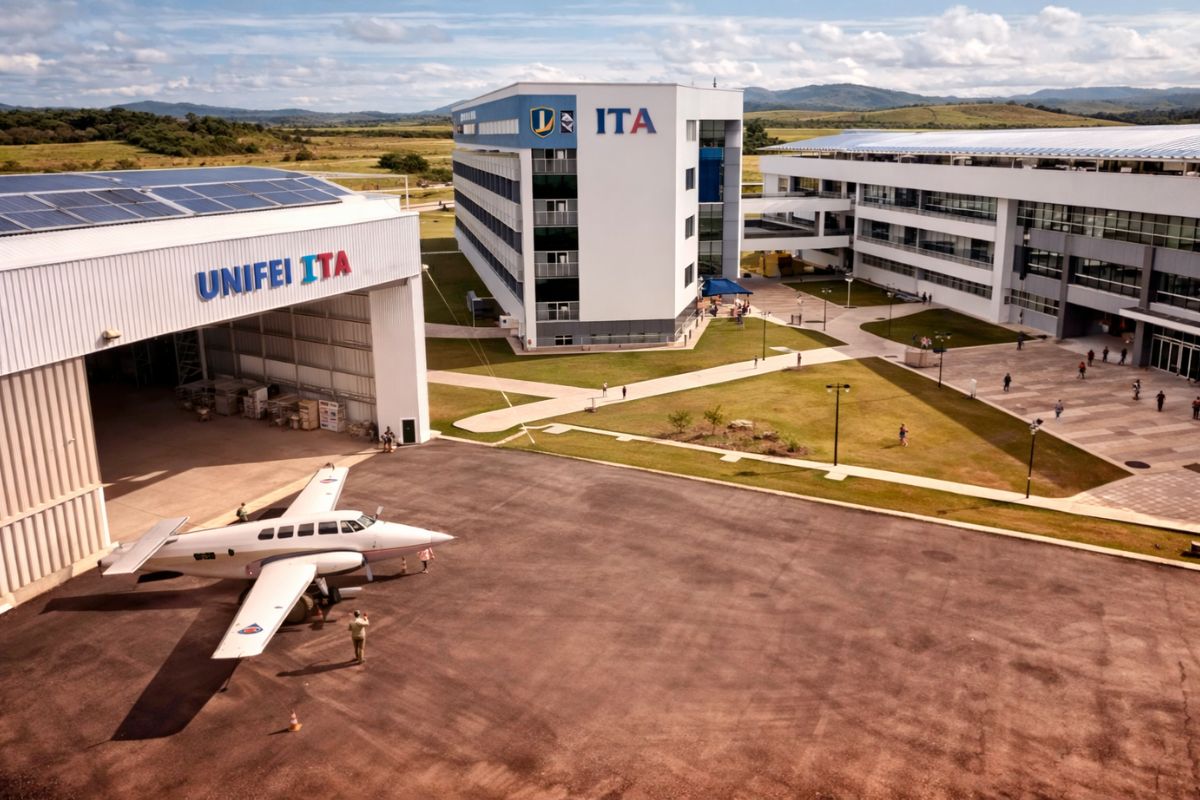
The institute that trained the greatest aerospace engineers in Brazil has just opened its first campus outside São Paulo after 75 years: ITA Ceará will have R$ 445 million, new courses in energy and systems, and classes are expected to start in 2027.
-
Luciano Hang, owner of Havan, goes to Juiz de Fora after the tragedy in February, brings R$ 1 million, hands out R$ 2,000 cards, and donates up to R$ 15,000 to victims in the region.

-
The Brazilian passport allows legal residence in dozens of countries without the need for a prior visa, and most Brazilians are unaware that they can apply for residency directly upon arriving in nations in South America, Africa, and even Europe.
-
Petrobras sends a message to Brazilian truck drivers after fuel collapse and reveals plan to have 100% domestic diesel.


Adaptation to Brazil: Logistical and Cultural Challenges
Meituan will have to face the high CAC (customer acquisition cost) in Brazil, currently 40% higher than in China. Another obstacle is the local preference for cash payments (25% of transactions) and competition with already established apps, such as iFood and Mercado Livre. Strategies include partnerships with digital banks (e.g., Nubank) to promote payments via PIX.
What Changes for Restaurants and Deliverers?
The entry of Meituan may reduce commission fees for restaurants, currently averaging 25% on iFood. For deliverers, the company promises bonuses for productivity: in Shenzhen, delivery drivers earn up to 20% more per order during peak hours. In Brazil, the goal is to recruit 50,000 deliverers in 12 months.
The arrival of Meituan in Brazil represents the first real threat to iFood in a decade. If it can replicate 10% of its Asian success, the company could capture 15% of the national market by 2026, according to consulting firm BTG Pactual. Restaurants, users, and even the tourism sector are likely to benefit from the competition.










Que venha mais rápido possível Ifood está quebrando as lojas pequenas todas passou da hora do Ifood sair de cenário
Agora o Ifood vai ter que valorizar mais o comércio e os entregadores se não vai perder mercado.
Valores quanto motoboy irá ganhar não fala nada 😎