





 Portuguese
  English
  Spanish
  3 min of reading
  1 comment


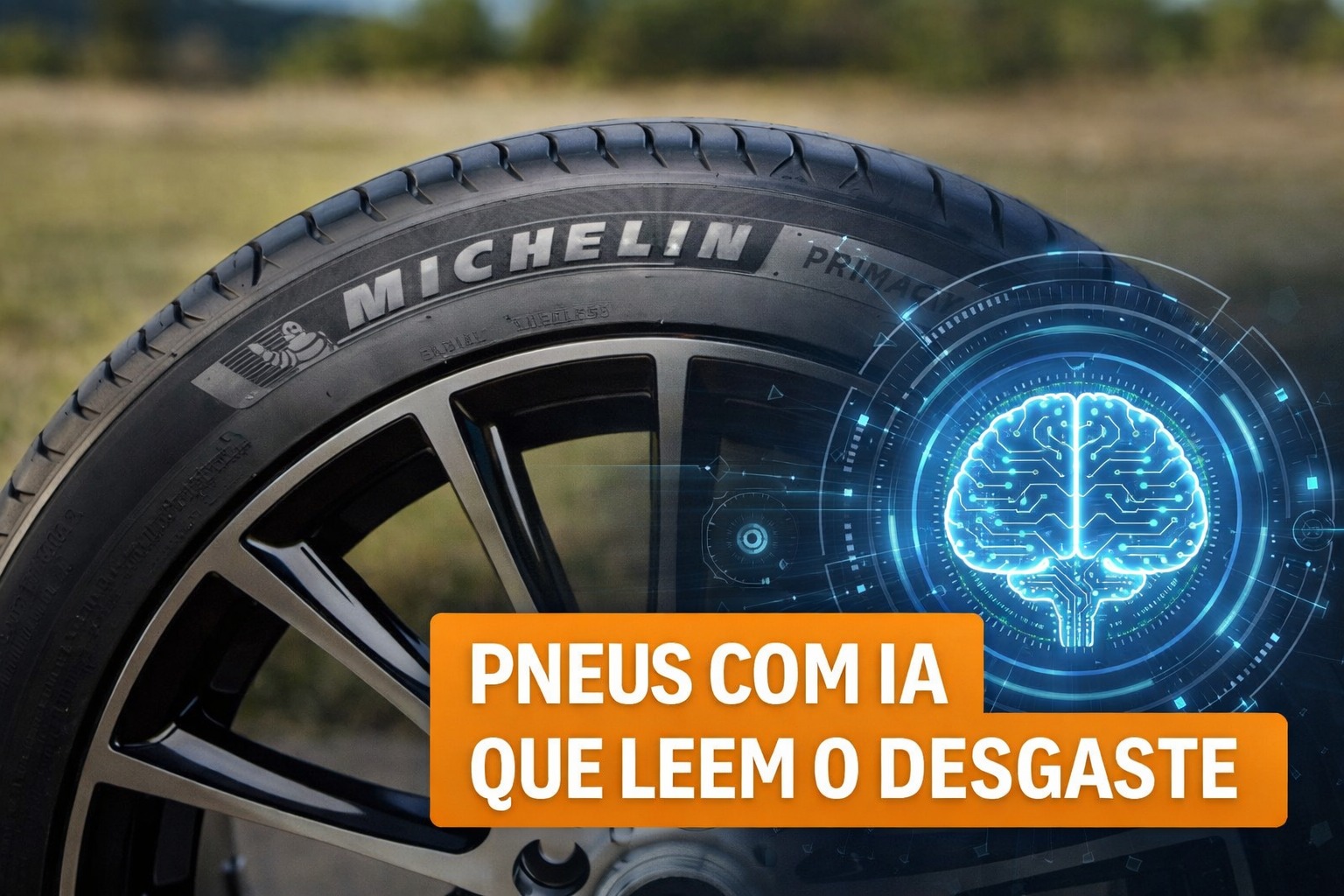


New Michelin System Uses Vehicle Data and Artificial Intelligence to Monitor Load and Tire Wear in Real Time with Accurate Predictions Focused on Fleets, Safety and Efficiency
Michelin announced that it will present, next month, at the Consumer Electronics Show 2026 in the United States, a tire system with artificial intelligence capable of monitoring wear in real time, promising to reduce costs and anticipate operational failures.
Michelin’s proposal is to surpass traditional monitoring, focused only on pressure, by using dynamic vehicle data for continuous and predictive analysis.
Developed in partnership with technology company Sonatus, the solution combines two tools called SmartLoad and SmartWear, integrated into a single digital ecosystem.
-
Artificial intelligence is skyrocketing energy consumption, raising emissions from tech giants and pushing Google, Microsoft, and Meta closer to natural gas.
-
Mercor paid $1.5 million per day for doctors, lawyers, and former Goldman Sachs bankers to teach artificial intelligence to do their jobs, and in 17 months, it went from zero to $500 million in annual revenue while its own contractors accelerated the replacement of their own work.

-
Casio Unveils Moflin, Robotic Pet With Artificial Intelligence Designed To Provide Emotional Comfort And Simulate A Permanent Affectionate Bond

-
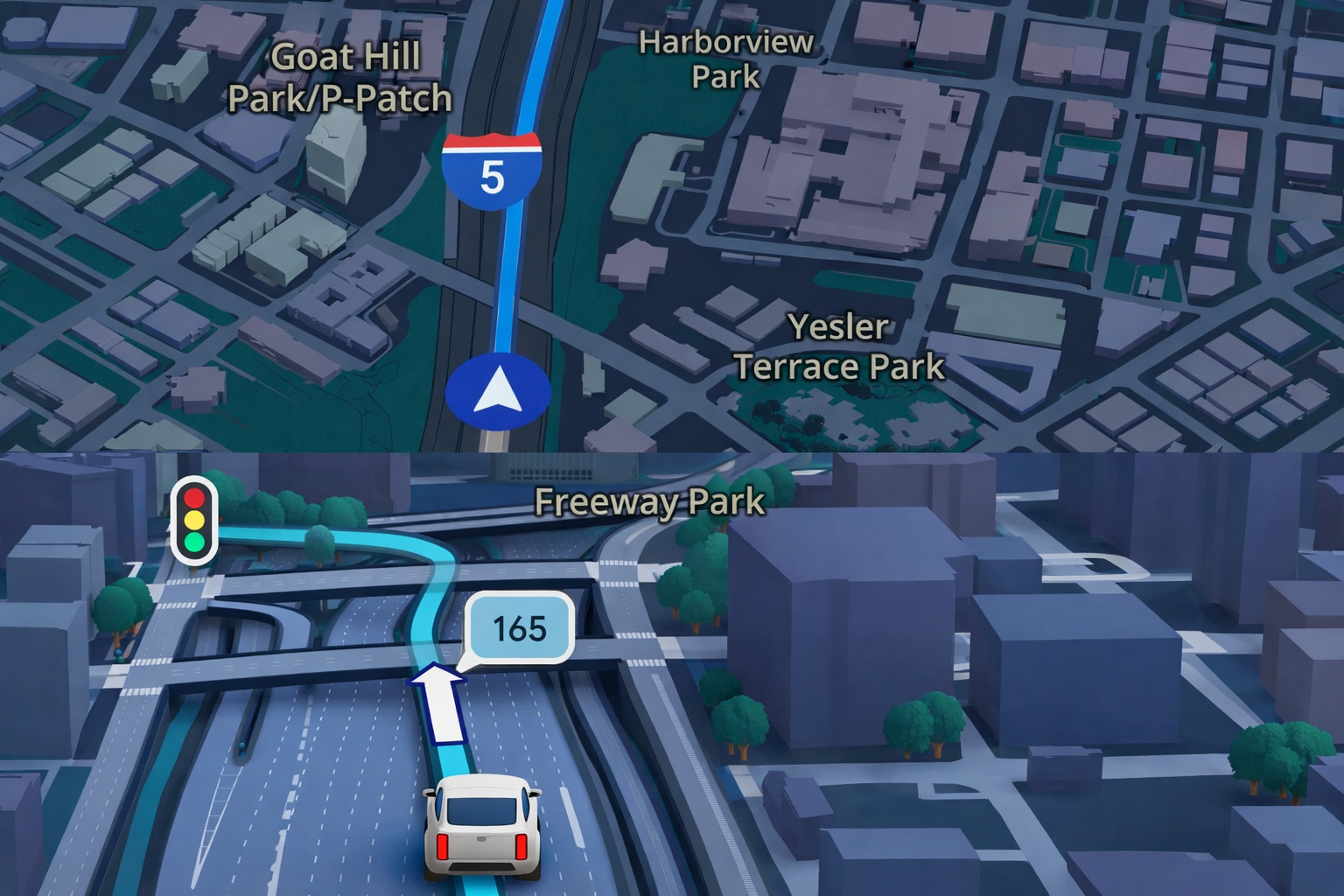
Google Maps Revolutionizes GPS Navigation With Gemini Artificial Intelligence, Ask Maps Feature, and Advanced 3D Visualization for Route and Travel Planning

According to Michelin, the set can replace the current tire pressure monitoring system, known as TPMS, with relevant operational gains for drivers and fleets.
The company estimates that the global adoption of the technology could generate savings of US$ 1.68 billion, equivalent to R$ 9.5 billion at current exchange rates, by 2030.
Information about the financial impact and functioning of the system was released by the website Carscoops, mentioned by Michelin in the official announcement of the news.
How The Tire Begins to Understand The Vehicle
Unlike conventional sensors, the system does not rely solely on internal tire data, broadening the scope of operational analysis.
The artificial intelligence crosses information from the vehicle, including braking intensity, load carried, lateral forces in turns, and usage patterns over time.
With this set of signals, the software calculates the wear and actual load supported by each tire, providing a more accurate reading of remaining useful life.
The goal is to replace generic alerts with specific predictions, tailored to driving style and the real operating conditions of each vehicle.
According to Ali Rezgui, Vice President of the Digital Twin area at Michelin, the system transforms complex data into practical and actionable predictions.
He stated that the technology can extend the life of tires, reduce operational costs, and increase safety, as well as support sustainable mobility strategies.
Privacy and Embedded Data Storage
A sensitive point in connected vehicles is the destination of information collected during daily use in different operational conditions.
In the case of Michelin’s solution, the company states that all data remains stored in the vehicle itself, with no sending to external servers.
The integration occurs through the Sonatus Collector, a platform that allows configuration of the system in different models with low technical adaptation effort.
This decision aims to meet automakers and consumers concerned with privacy and digital security, keeping control of the information within the vehicle.
This positioning differentiates Michelin in a scenario with increased scrutiny over data-based automotive systems, especially in the United States.
Demonstration at CES and Technology Showcase
To demonstrate the technology, Michelin and Sonatus will take a 1970 Ford Bronco equipped with the smart tire system to CES.
The contrast between a classic utility vehicle and sensors based on artificial intelligence is part of the strategy to present it to the event audience.
During the fair, visitors will be able to monitor real-time data about tire health through the MyTires app, developed by Michelin.
The proposal is to show that the technology does not depend on exclusive platforms for electric vehicles or latest-generation models.
According to the website Carscoops, the demonstration reinforces the system’s flexibility across different automotive architectures.
Competition and Regulatory Scenario
Michelin is not alone in the race for smart tires, with competitors investing in solutions based on advanced data.
Pirelli launched, in 2021, the Cyber Tire platform, capable of collecting driving data and identifying road surface conditions.
In the United States, however, Pirelli’s technology has come under scrutiny related to national security and data control.
The Chinese company Sinochem holds about 37% of the Italian manufacturer, which has increased oversight from American authorities.
New federal rules are expected to prohibit certain software in connected vehicles starting with the 2027 model year, with hardware restrictions planned for 2030.
If there are no exemptions, cars equipped with Cyber Tire technology may face limitations in the local market, according to the current regulatory landscape.







Onde colocam este equipamento