





 Portuguese
  English
  Spanish
  4 min of reading
  0 comments


United States Deploys Ships, Planes, and Submarine to the Caribbean While Maduro Mobilizes Militias and Military Tension Grows in South America
This week, the United States sent warships, aircraft, at least one submarine, and around 4,000 troops to the South Caribbean Sea. The movement occurred near the Venezuelan coast and was reported by Reuters and the Associated Press.
The U.S. government stated that the mobilization aims to combat drug cartels operating in the region.
They are reportedly transporting drugs from South America to the U.S. The most important thing, according to analysts, is that the measure also serves as a political message to the government of Nicolás Maduro.
-
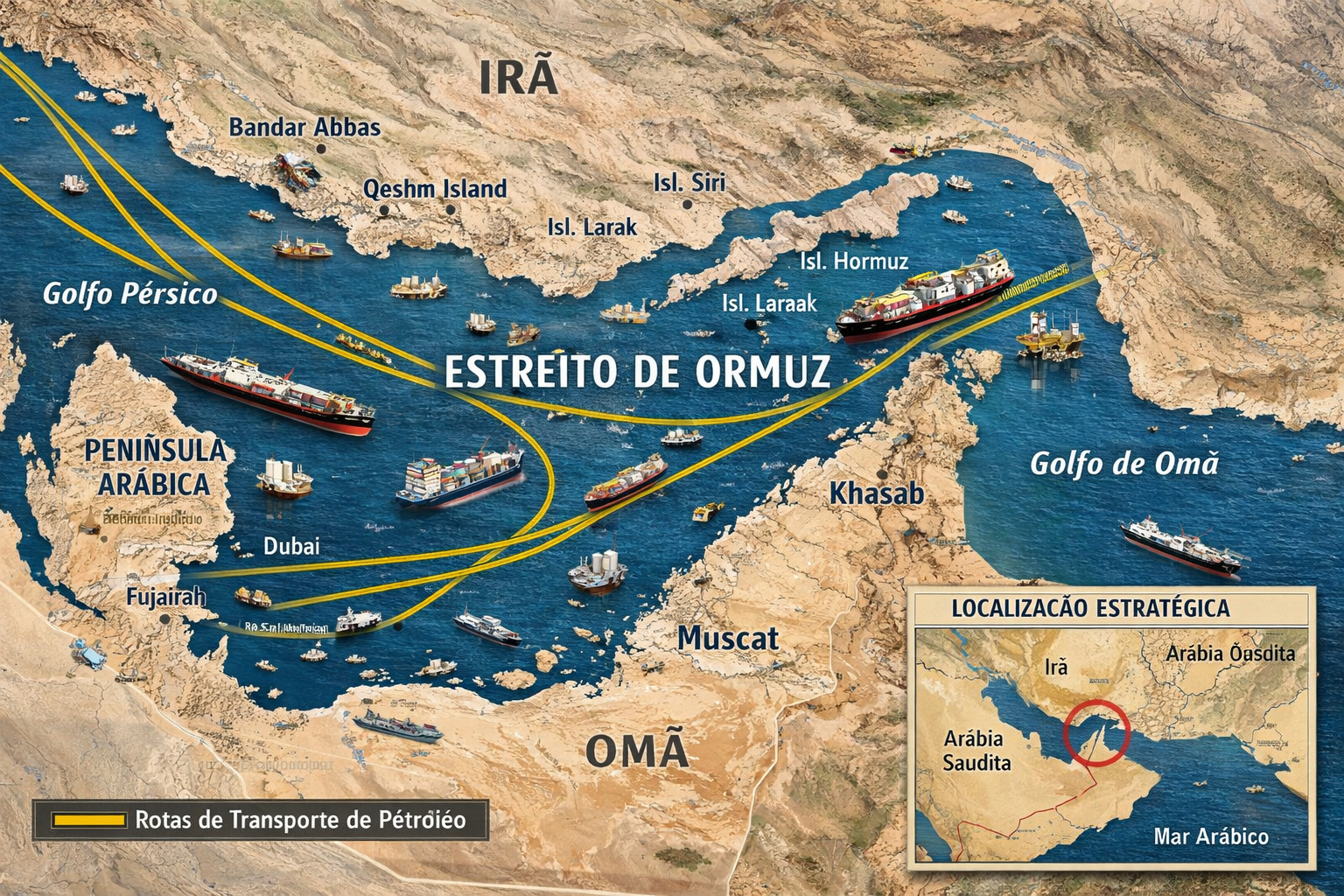
Global summit with over 40 countries pressures Iran for a blockade in the Strait of Hormuz and warns of direct impact on oil, food, and the global economy.
-
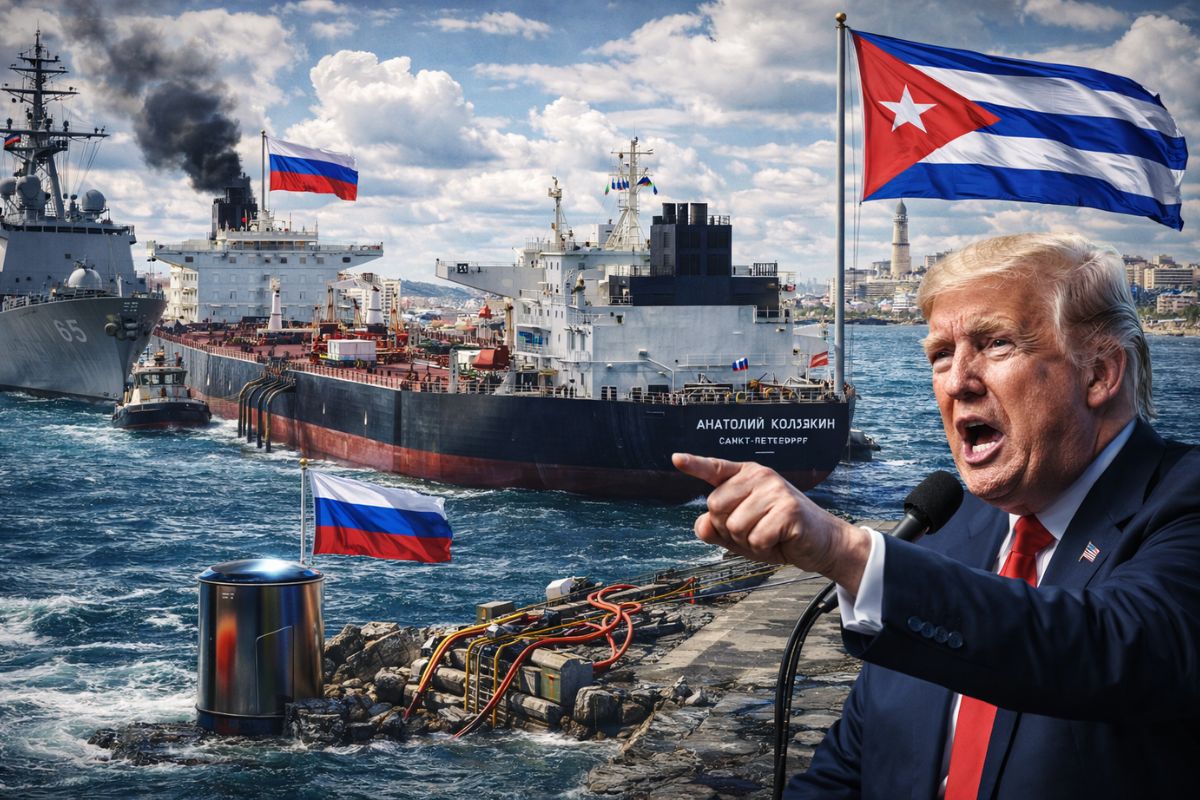
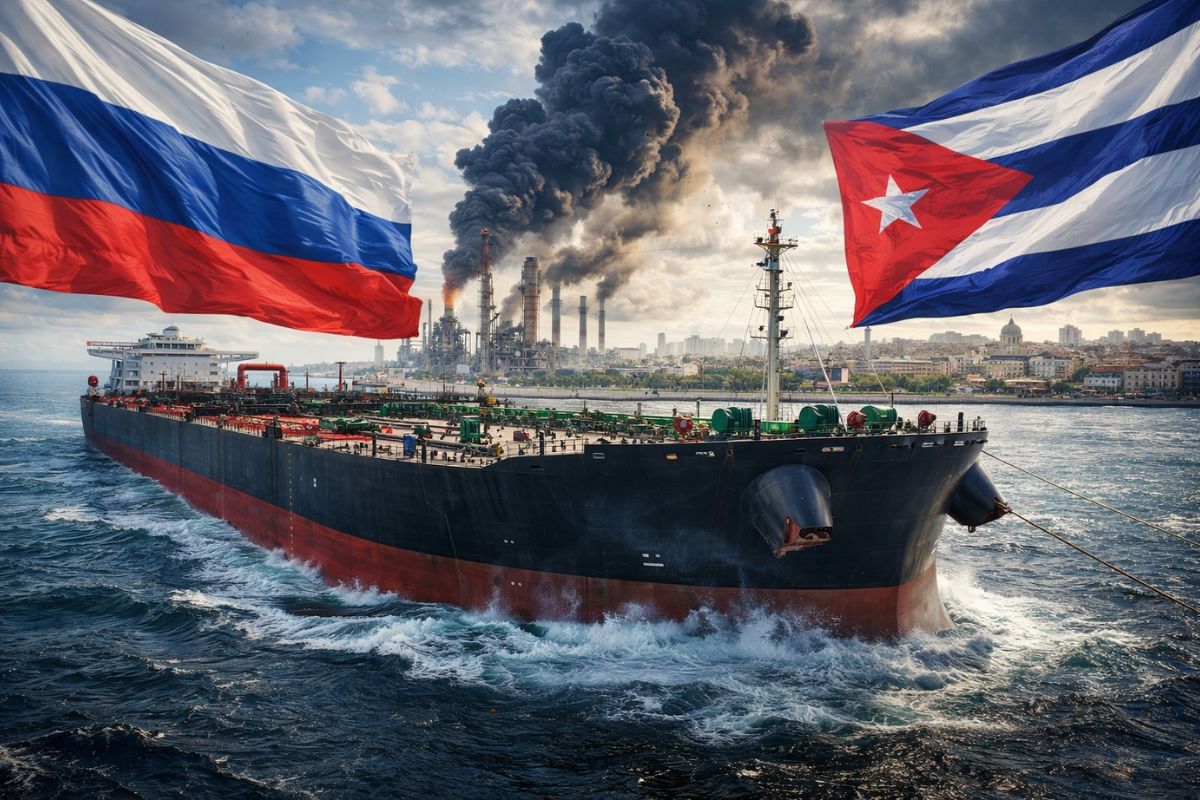
Russia has broken the U.S. maritime blockade to send oil to Cuba and is now loading a second ship while Trump says that “Cuba is next” in a possible military action against the island.
-
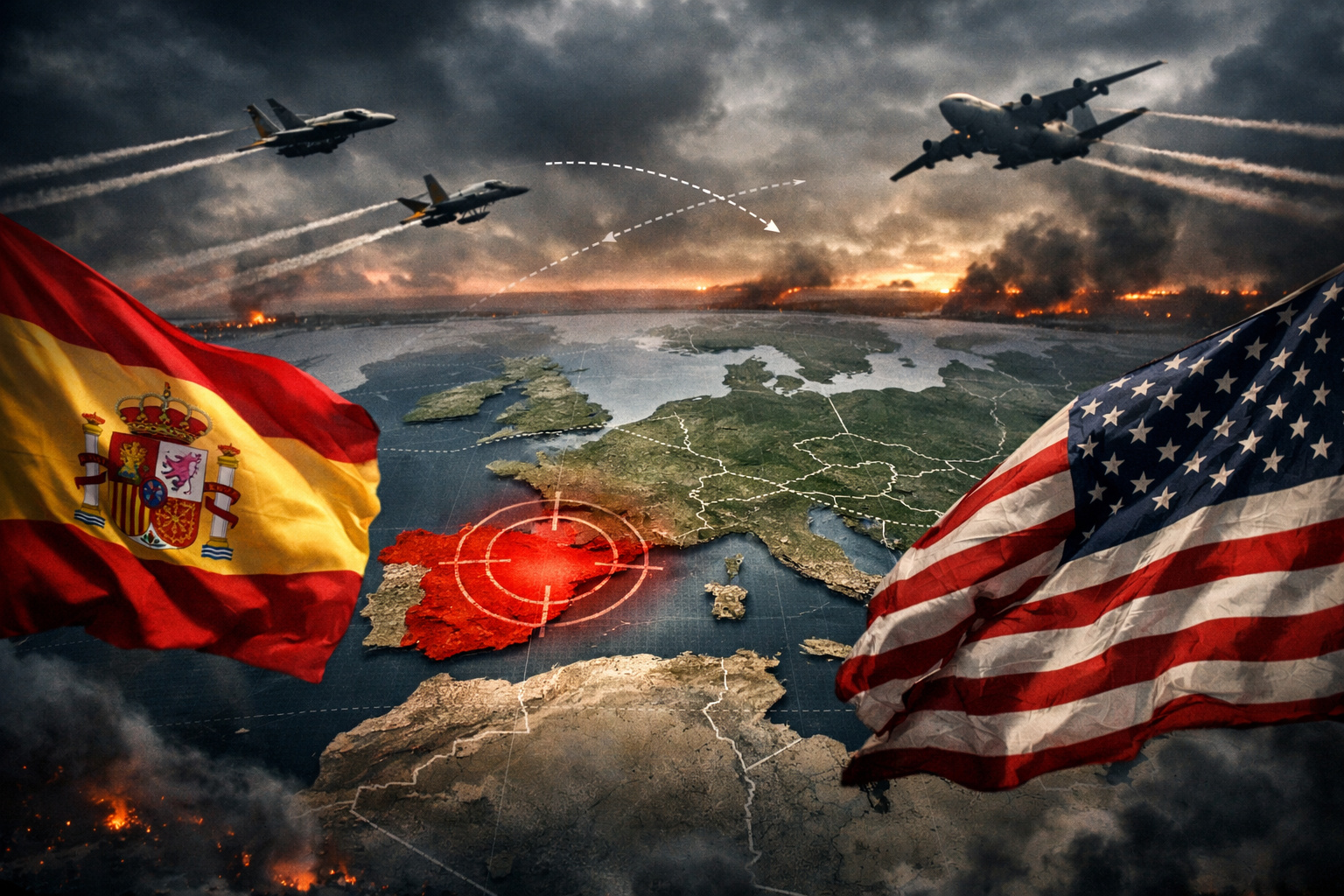
Spain challenges the USA and closes its airspace for operations against Iran, raising global tension and provoking the threat of a trade rupture.
-
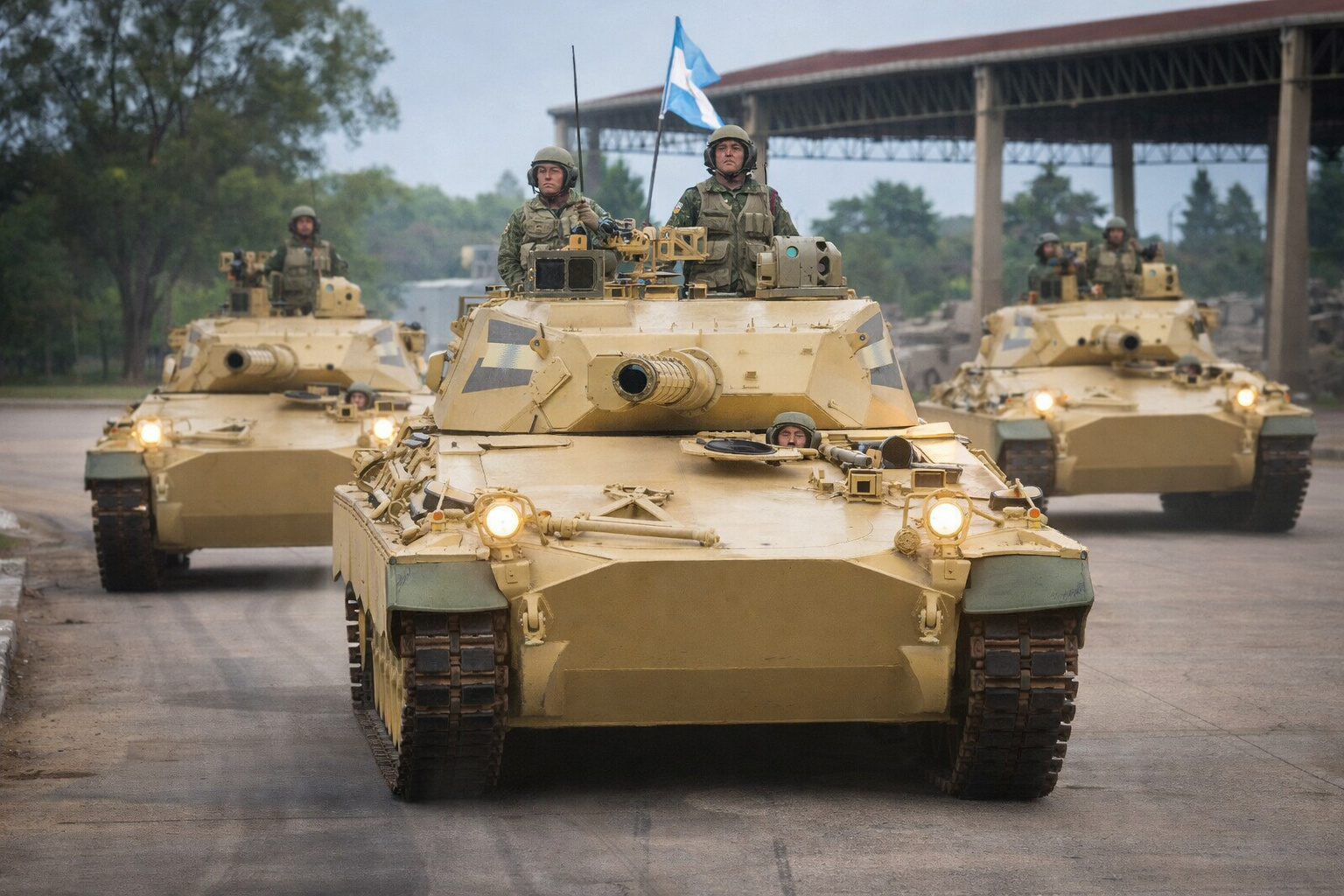
While no other country manufactures tanks in Latin America, Argentina activates the TAM 2C-A2 and raises a curiosity about the technological lag in the region.

“Missiles Do Not Combat Cartels”
Political scientist Carlos Gustavo Poggio, a professor at Berea College in the U.S., considers it unlikely that the arsenal is solely aimed at combating drug trafficking.
“Missiles are not for combating drug cartels,” he said in an interview with g1. He emphasized that it makes no sense to use a Tomahawk missile against criminal organizations.
“It does not make sense to throw a Tomahawk [guided missile launched from warships that can travel hundreds of kilometers] at a cartel“, he stated.
According to Poggio, cartels use land routes, small boats, or speedboats—not warships or military aircraft.
Therefore, for him, the deployment of forces is effective for attacking or invading a country, not for dismantling cartels.
Reward Against Maduro
The Trump administration has increased pressure against the Venezuelan president. Justifying the deployment of ships, spokesperson Karoline Leavitt referred to Maduro as a “fugitive,” “narcoterrorist,” and “illegitimate.” She stated that the U.S. would use “full force” against the regime.
In early August, Washington announced a reward of US$ 50 million, equivalent to R$ 275 million, for information leading to Maduro’s arrest or conviction.
The U.S. Department of Justice accuses the Venezuelan president of conspiring with narcoterrorism, trafficking drugs, importing cocaine, and using firearms in drug-related crimes.
Furthermore, it claims that Maduro leads the so-called Cartel de los Soles, classified as an international terrorist organization.
Venezuela’s Response
In response, Nicolás Maduro announced the mobilization of 4.5 million militia members. He stated that the objective is to combat what he called “threats” from the United States.
Washington’s decision raises concerns about the possibility of military escalation. Poggio reminded that, if an invasion occurs, it would be the first time the U.S. directly attacks a country in South America.
American Power
The deployment included three destroyers equipped with the Aegis system, three amphibious landing ships, P-8 Poseidon spy planes, and at least one submarine.
According to Poggio, this force has high offensive capability and can transport entire ground divisions. He stressed that the mobilization demonstrates Washington’s military readiness beyond political rhetoric.
Militarization as Policy
Trump has shown a penchant for using the Armed Forces in crisis situations. Poggio recalled that the former president advocated for the presence of the National Guard in cities like Los Angeles and Washington to contain protests and crime.
This view explains, according to him, the decision to equate drug cartels with terrorist groups. “Criminal organizations are not terrorist organizations.
It makes no sense to confuse one with the other,” he stated. However, this classification grants the U.S. government more legal prerogatives.
Cartel de los Soles
The Cartel de los Soles is identified by Washington as being led by high-ranking officials of the Venezuelan Army.
Reports from Latin American media indicate that the group facilitates drug routes for cartels like the Sinaloa cartel from Mexico and the Venezuelan Tren de Aragua.
The Trump administration intensified pressure by designating the cartel as a terrorist organization. Some countries in South America followed suit. Ecuador, led by Daniel Noboa, was the first.
Shortly after, Paraguay, under President Santiago Peña, adopted a similar measure. This Friday (22), Guyana also announced the same decision.
According to Poggio, these governments seek to align themselves with Trump. He pointed out that Ecuador and Paraguay are led by opponents of chavismo, while Guyana faces territorial disputes with Caracas over the Essequibo region.
The Arsenal of Venezuela
Despite the confrontational tone, Venezuela faces serious limitations in its military capacity. The International Institute for Strategic Studies (IISS) released a report pointing to “restricted capabilities” and “readiness problems” in the Venezuelan Armed Forces.
International sanctions, regional isolation, and prolonged economic crisis have hindered the purchase of modern weapons and new technologies. Consequently, the country’s military strategy has relied on repairs and upgrades of old equipment.
According to the IISS, both the Air Force and the Navy suffer from readiness issues. Although they possess some systems considered relatively modern, the real capacity for use remains uncertain.
Convergence of Pressures
The tension between Caracas and Washington combines criminal accusations, military movements, and regional disputes.
For experts, classifying Maduro as the leader of a terrorist cartel broadens the legal basis for harsher actions from the U.S.
At the same time, neighboring countries take advantage of the American offensive to reinforce their own interests, whether due to political antagonism or border disputes.
Most importantly, however, is that the crisis increases the risk of an unprecedented confrontation in South America, amid a militarily weakened Venezuela and a Trump administration that bets on demonstrating strength.
With information from G1.








-

-

2 pessoas reagiram a isso.