





 Portuguese
  English
  Spanish
  4 min of reading
  0 comments


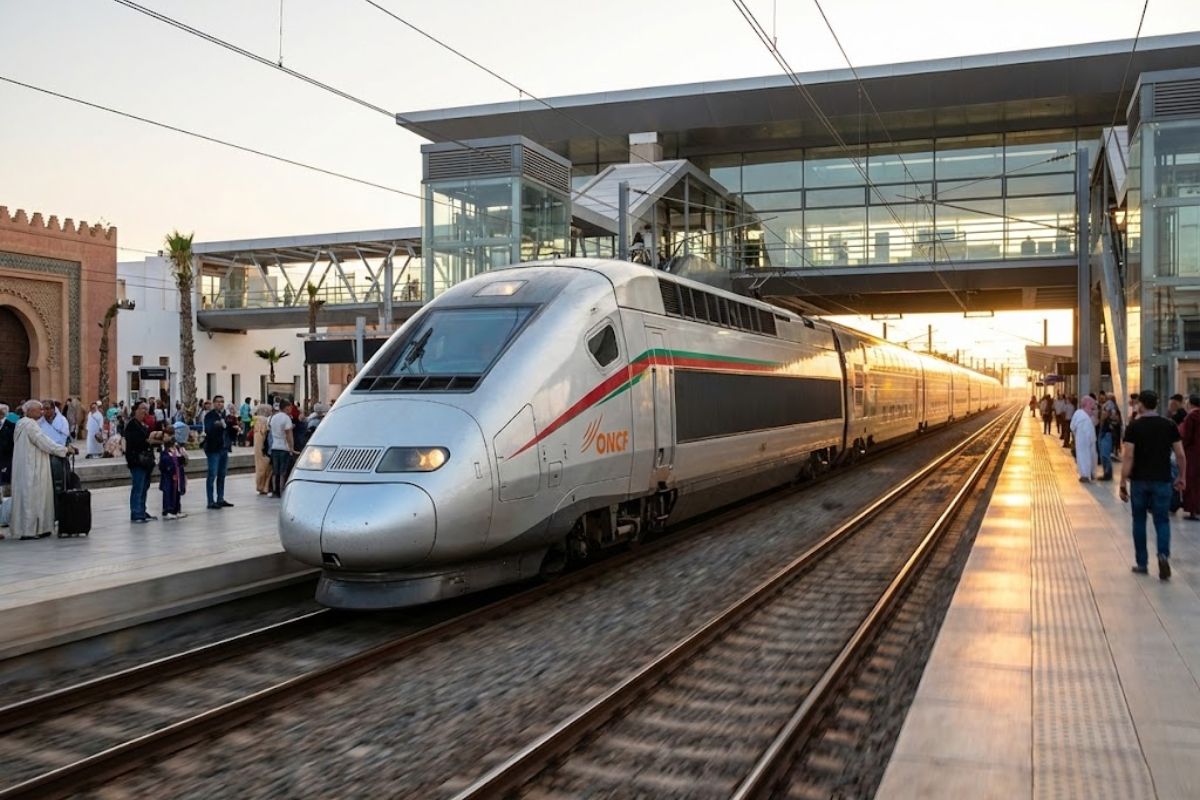
In Morocco, the High-Speed Train Al Boraq Became the Logistics Axis of the Africa Cup of Nations and the Preparation for the 2030 World Cup. The Line Connects Host Cities, Reduces Travel Time, and Improves Access for Teams, Press, and Fans, with Operation Above 300 km/h.
In Morocco, the high-speed train Al Boraq has taken on a central role in the logistics of the 2025 Africa Cup of Nations and in the infrastructure strategy ahead of the FIFA World Cup 2030. The connection between Tangier, Rabat, and Casablanca has reduced travel times, eased congestion, and expanded access between tournament venues.
The integration of the high-speed train into the planning enables national teams, referees, press, and the public to travel between matches in hours instead of an entire day. The proposal combines geography and infrastructure: stadiums in urban centers, supported by reliable transportation and high-quality accommodation.
Al Boraq Shortens Routes and Changes Routine Between Tangier, Rabat, and Casablanca

An example cited of the journey highlights the practical gain: the car trip between Rabat and Tangier, estimated at four and a half hours, can be made in 1 hour and 15 minutes aboard the Al Boraq, passing through Kenitra.
-
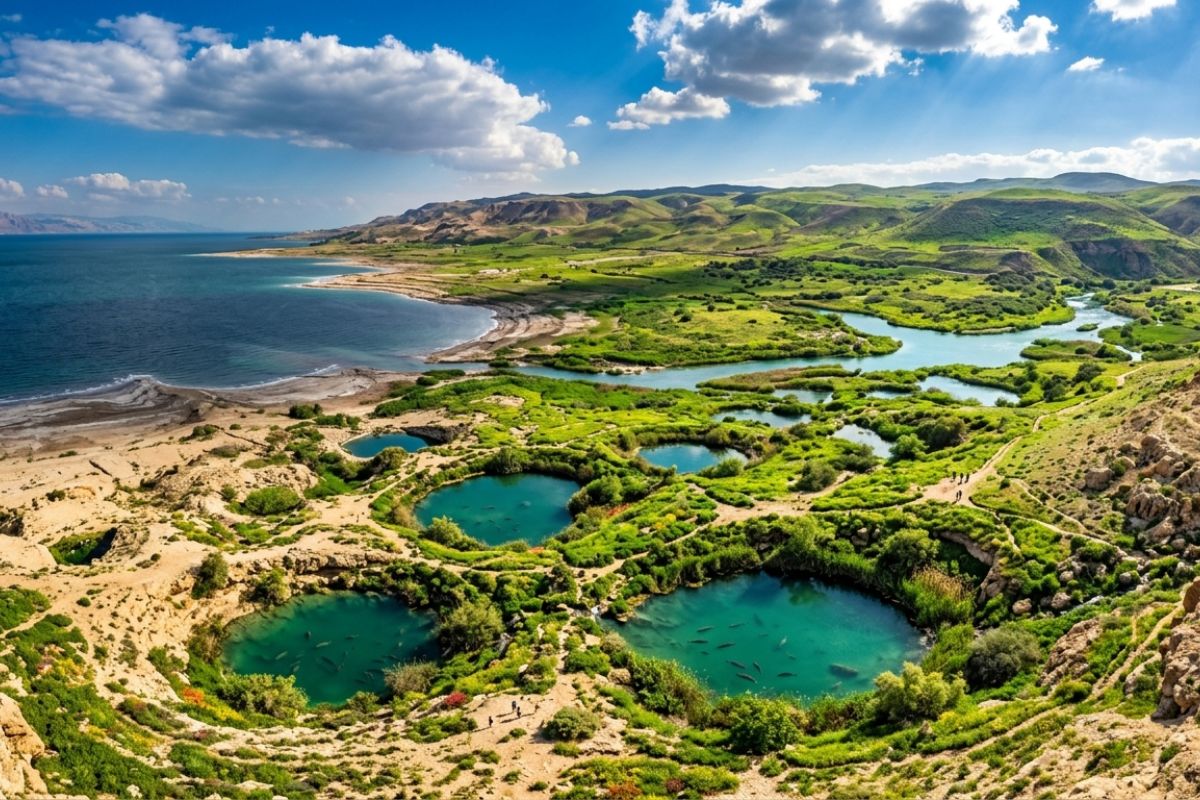
The Judean Desert flourishes alongside the Dead Sea, craters turn into freshwater lagoons with fish, and satellite images show Israel greener, raising debate about biblical prophecies in the world.
-
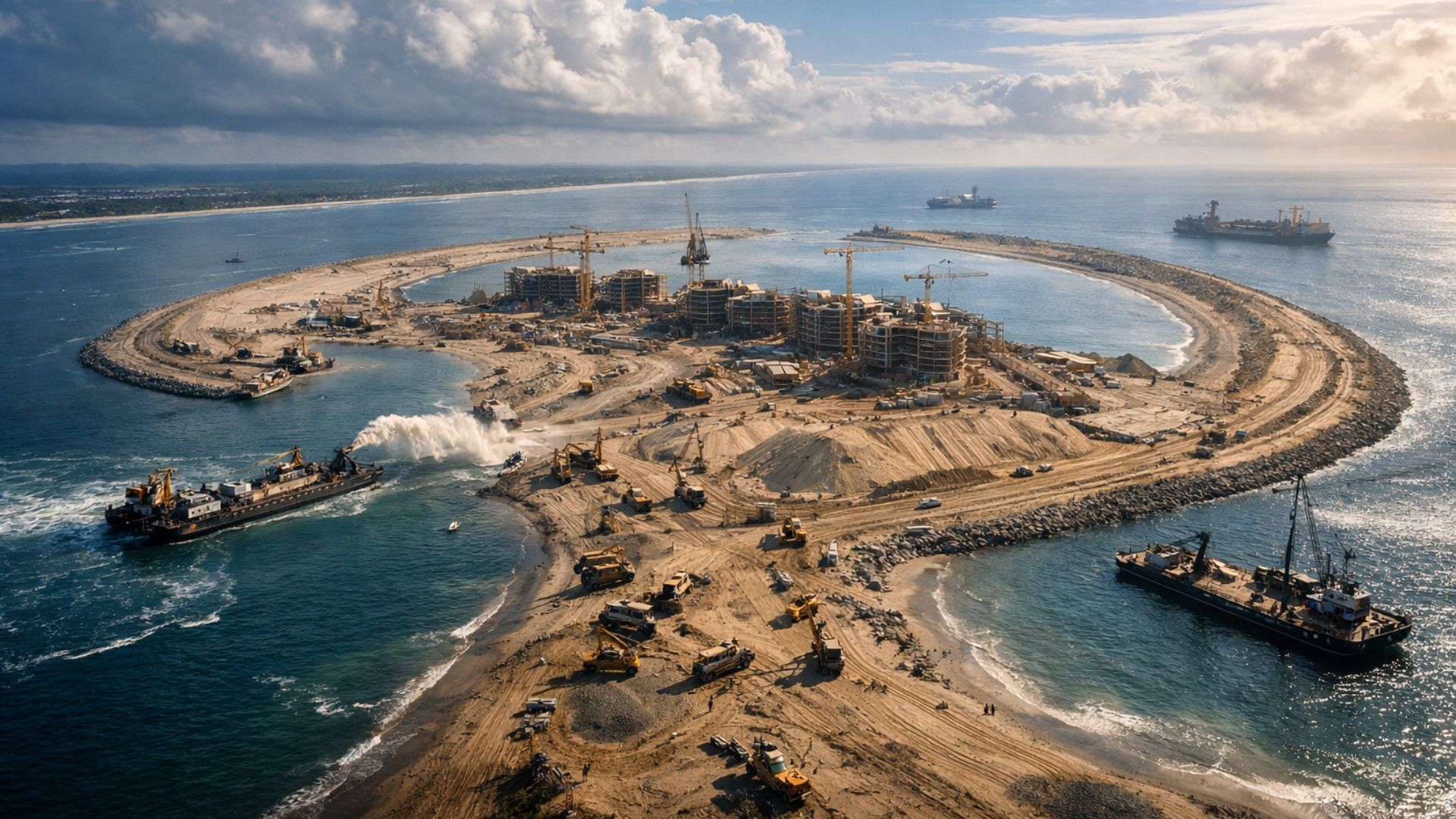
‘Artificial island of Dubai in Brazil’: construction of R$ 65 million inspired by a mega maritime structure, plans for complete urbanization, duplication of 2.2 km of a strategic road, and delivery in 2026, but is ultimately halted by Fepam.
-
The generation that grew up alone at home in the 80s reveals how an unsupervised childhood shaped adults with high adaptability, resilience, and emotional control, according to scientific studies that indicate a significant increase in tolerance for uncertainty.

-
Adolescents who regularly participate in household tasks develop up to 40% more sense of self-efficacy, according to studies in psychology, impacting autonomy, academic performance, emotional health, and the ability to cope with challenges in adulthood.

The report emphasizes comfort and speed as factors that transform the travel experience during the tournament.
Operating at speeds exceeding 300 kilometers per hour, the high-speed train fits into the strategy of connecting sports facilities to a modern and high-capacity transportation system.
For an event with games distributed, the effect is straightforward: less time on the road and more logistical predictability.
Rabat Becomes the Center of the Model and Concentrates Decisive Games

Rabat, the capital of Morocco, emerges as a fundamental center of the logistical corridor, combining the Al Boraq and Rabat Salé Airport as entry points and connections to other host cities.
The city hosts important matches, including the opening and the final.
The venue is the newly rebuilt Prince Moulay Abdellah Sports Complex, with a capacity of 68,000 people.
The connection to the national road and rail network facilitates access for fans coming from Casablanca and Tangier without relying solely on road traffic, reducing bottlenecks on game days.
Tangier Integrates Stadium with Transport and Expands Same-Day Travel
In Tangier, the Grand Stade, with a capacity of 75,600 people, is fully integrated into the transportation system.
The connectivity allows same-day travel for fans coming from Rabat or Casablanca, increasing public attendance and economic activity related to the event.
The design contrasts with isolated venues seen in previous tournaments, where the lack of integration with urban centers and transportation led to underutilized structures in the long term.
Here, the stated goal is for the stadium and the high-speed train to operate as part of a continuous urban ecosystem.
Casablanca Uses the North Corridor to Distribute Flow and Reduce Urban Pressure
Casablanca, the economic center of the country, hosts matches at the Mohammed V Complex.
The proximity to Al Boraq stations ensures efficient travel and helps distribute tournament activities along the north corridor, avoiding extreme concentration in just one city.
For teams and delegations, this fluidity impacts hotel logistics, training, and official transport.
For fans, the advantage is the ability to attend more than one game in different cities with manageable travel time.
Five-Star Hotels, Shorter Times, and Impact on Sports Performance
For the first time in the history of the AFCON, all participating national teams are hosted in five-star hotels, with easy access to major transportation routes, according to the organizers.
The logic is simple: shorter travel times contribute to physical recovery, mental preparation, and overall performance.
In this scenario, the high-speed train is no longer just a comfort but becomes an indirect competitive tool, as it reduces travel fatigue, minimizes delays, and allows for more predictable routines on match days.
Expansion to Marrakech and Agadir Enters Morocco 2030 Plan
Although the Al Boraq currently serves northern and central regions, the planned expansion towards Marrakech and Agadir is part of Morocco’s infrastructure strategy for 2030.
Authorities frame the plan as a long-term vision, not a short-term expenditure aimed solely at tournaments.
By integrating stadiums into dynamic urban landscapes with accessible transportation, the country aims to avoid the risk of underutilized and labeled white elephants.
The longevity of the infrastructure is treated as a central investment criterion.
AFCON 2025 Becomes a Stress Test Before the 2030 World Cup
The AFCON 2025, scheduled to take place from December 21, 2025, to January 18, 2026, is presented as the first major test of this model of urban and transport integration.
The large-scale operation serves as a rehearsal for 2030, when Morocco will co-host the World Cup with Spain and Portugal.
The bet is to demonstrate readiness for large global events with modern and sustainable infrastructure, placing the high-speed train as the backbone to connect venues, accommodation, and transport more efficiently.
Do you think the high-speed train Al Boraq is Morocco’s main differentiator in delivering a seamless 2030 World Cup without mobility bottlenecks?






-

-

-

-

-

7 pessoas reagiram a isso.