





 Portuguese
  English
  Spanish
  6 min of reading
  0 comments


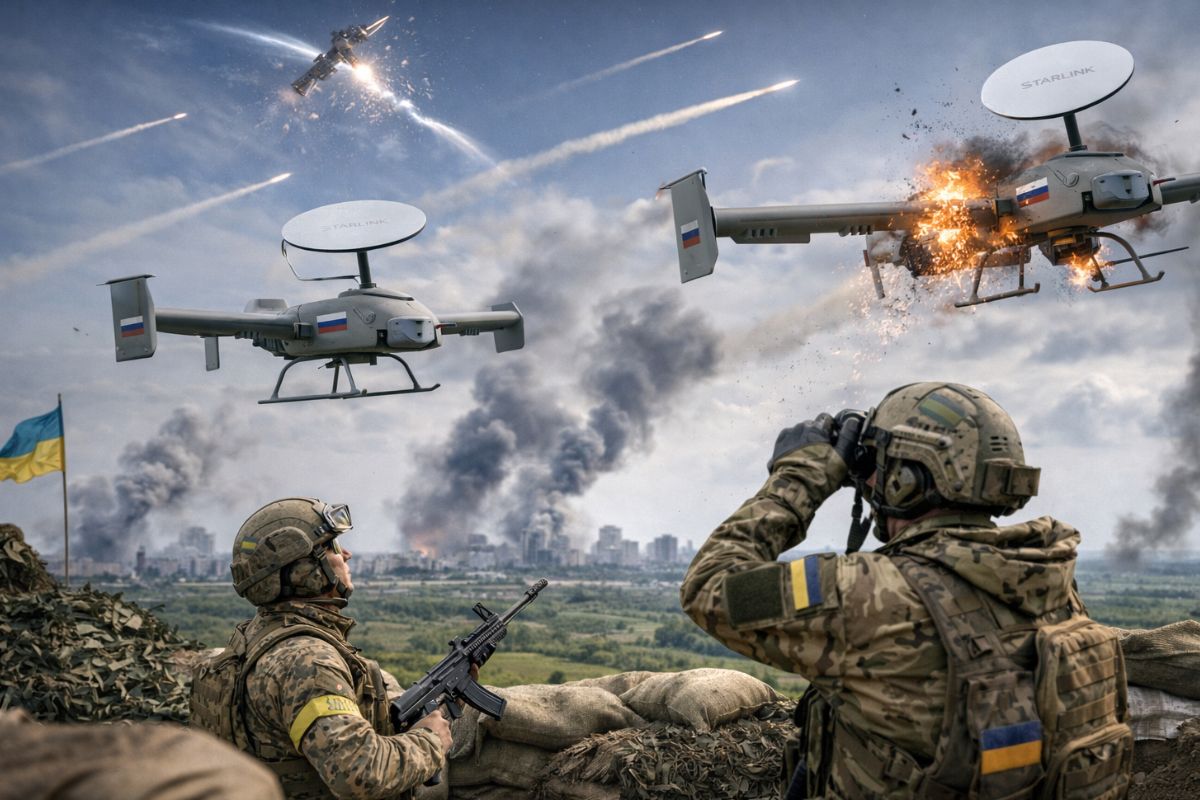
In The Midst Of The War In Ukraine, Elon Musk Limits The Use Of Starlink In Ukraine, Stops Russian Drones From Using Starlink Satellites At High Speed, And Fuels Russian Rhetoric About Nuclear Weapons In Space.
As authorities and commentators in Moscow once again discuss the idea of taking down satellites with nuclear weapons in space, Elon Musk imposes a direct blockade on the use of Starlink by Russian drones, using a speed limit to cut the connection mid-flight. The measure has sparked a new round of tension, in which Ukraine supports the throttling and Russia reacts with threats and rhetoric about war in space.
At the center of the conflict is a constellation of thousands of satellites in low orbit that has become the backbone of Ukrainian communication and a target for clandestine use by Russian drones. The dispute shows how, in the early 2020s, the battle for digital and space infrastructure is as decisive as the advance of troops on land, raising difficult questions about the role of private companies in modern wars.
How Russian Drones Began To Use Starlink
In early January, Ukraine released photos of downed Russian drones with installed Starlink terminals. These satellite internet kits, which should have been in Ukrainian hands, had been smuggled, activated abroad, and mounted on attack aircraft.
-
The German “steel monster” weighing 55 tons fires up to 10 projectiles per minute at over 40 km and avoids counterattacks on the battlefield by moving quickly to escape enemy attacks; meet the Panzerhaubitze 2000.

-
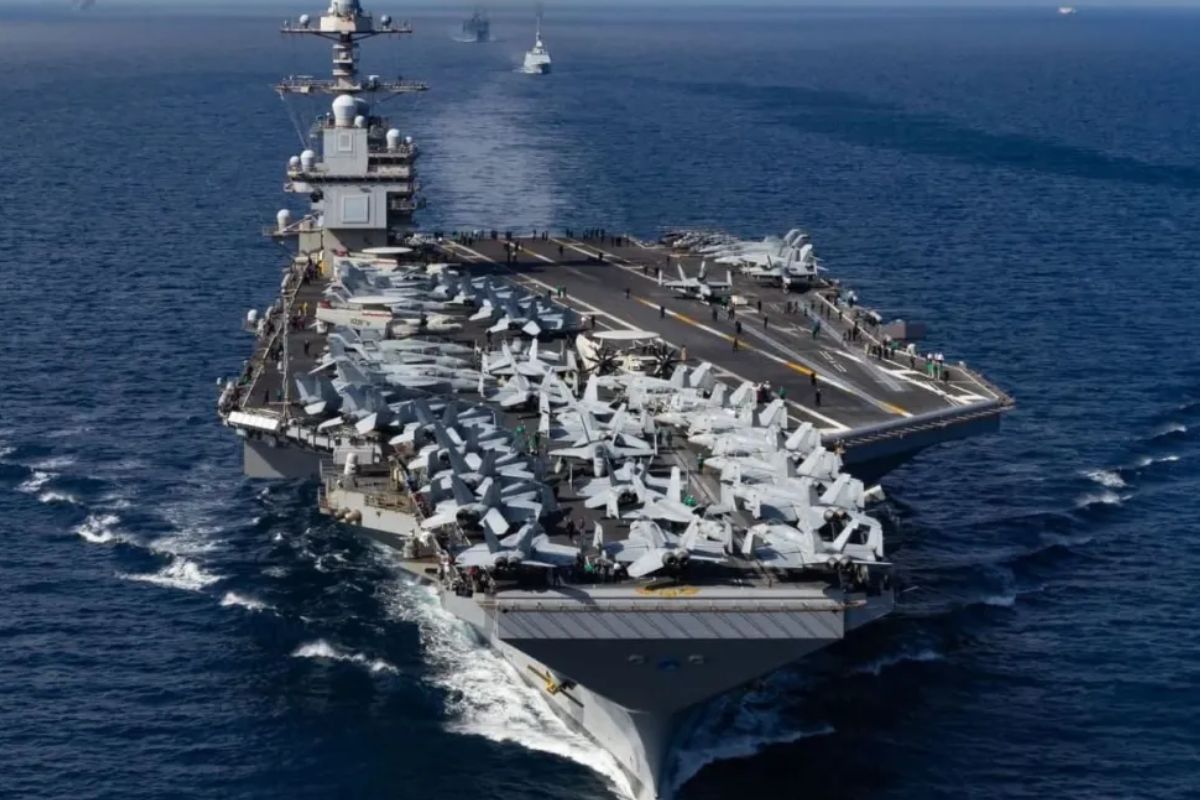
USS Gerald R. Ford, the largest aircraft carrier in the world, returns to sea after a fire in the laundry in the Red Sea; repaired in Crete, it resumes missions of Operation Epic Fury against Iran.
-
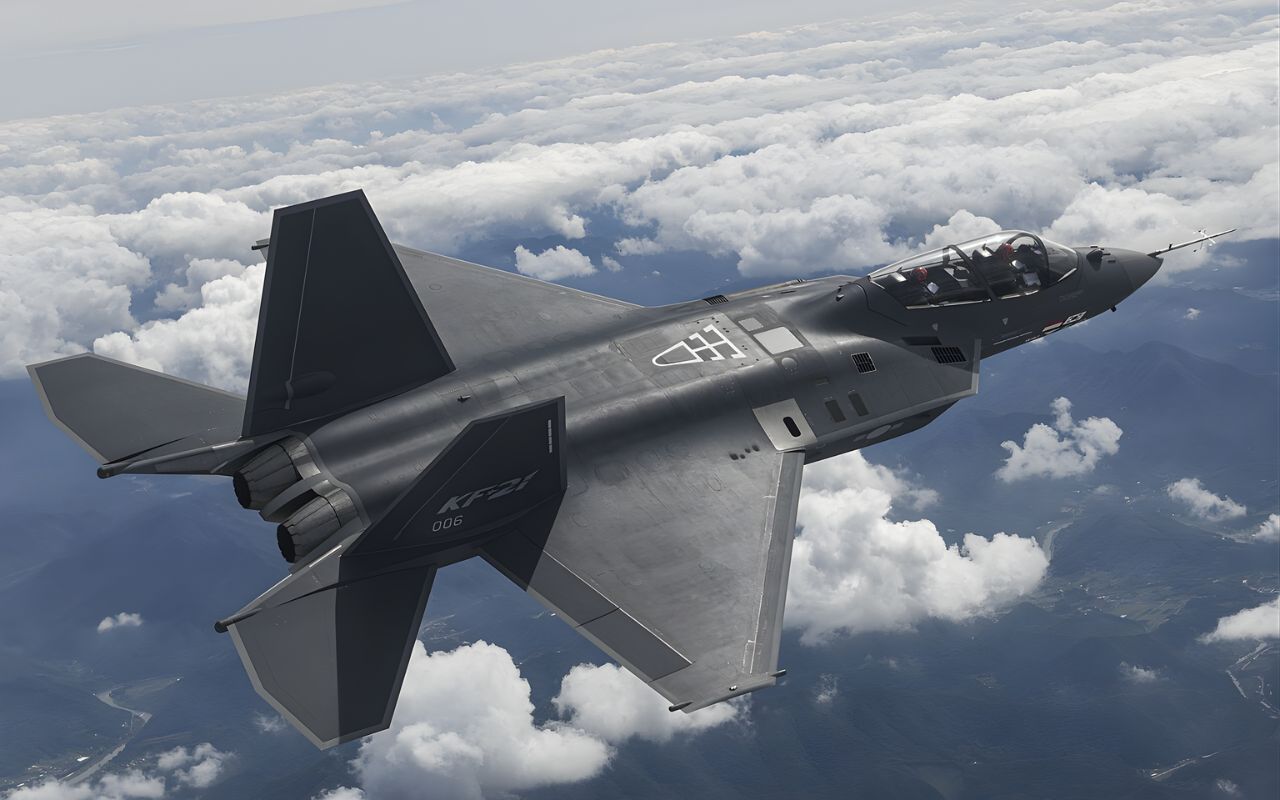
Military power: South Korea’s new KF-21 fighter jet will be a key component in replacing the aging aircraft of the air force, placing the country on the map of air military powers.
-
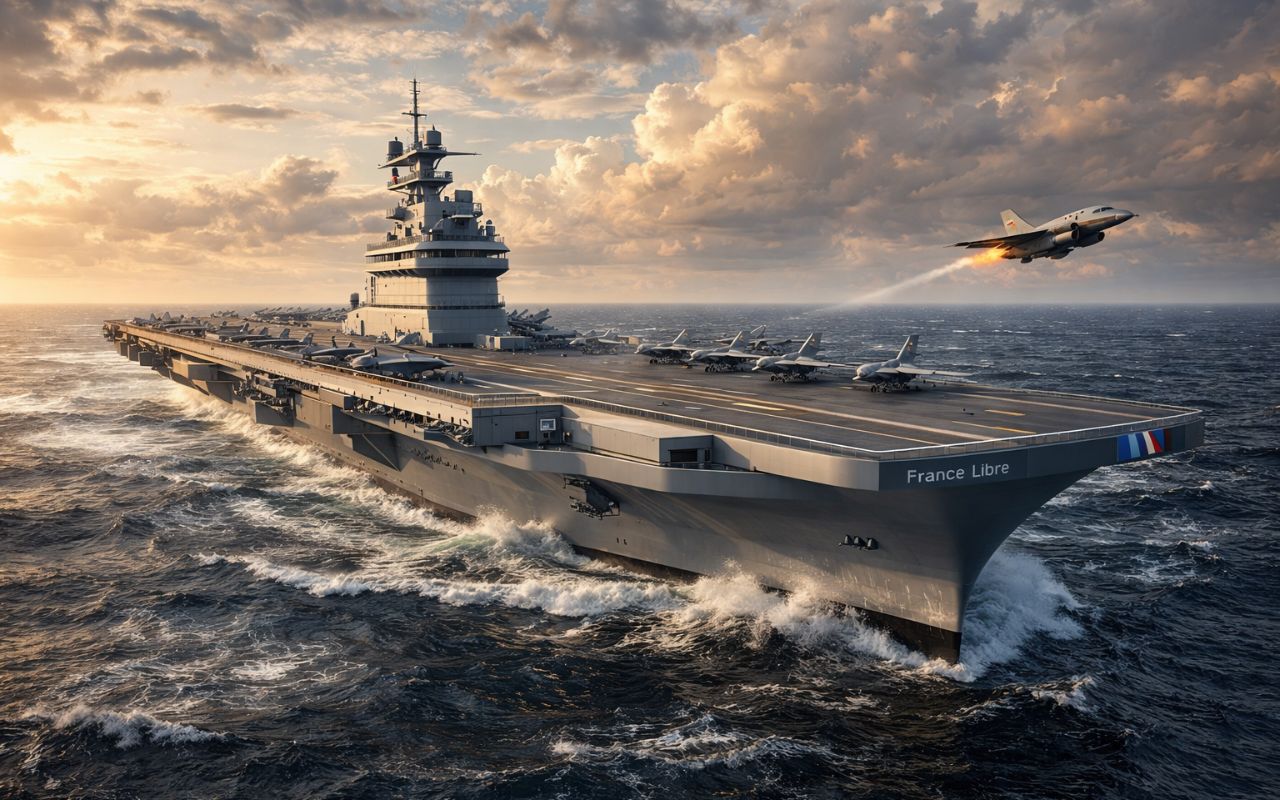
With 310 meters, 80 thousand tons, and capable of operating for 45 years, the new nuclear aircraft carrier France Libre will be the largest in France and will enter service in 2038.

Until then, many of these Russian drones would follow fixed and pre-programmed routes, limited to predetermined paths. With Starlink on board, the game changed: they became remotely guided in real-time, able to correct their course, evade defenses, and fly at very low altitudes.
In practice, this made Russian drones more unpredictable and difficult to intercept, increasing pressure on Ukrainian air defense and exploiting an infrastructure that had originally been sent precisely to strengthen the attacked side, not the aggressor.
Elon Musk’s Response: Speed Limit Against Russian Drones
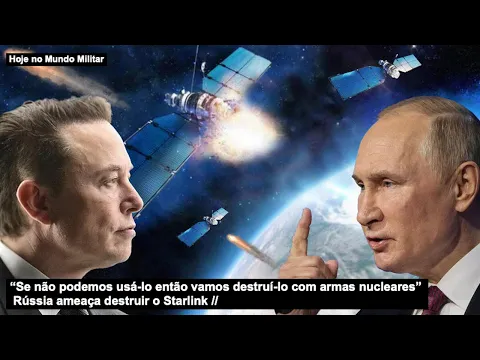

In light of the evidence, the Ukrainian government protested. SpaceX, Elon Musk’s company responsible for Starlink, responded with a technical and, at the same time, political solution. Instead of trying to hunt down each terminal used in Russian drones, the company imposed a speed limit on the service.
The logic is simple: if a Starlink terminal is moving too fast, above about 75 km/h, it stops transmitting internet. And since many long-range Russian drones fly above 150 km/h, this speed throttle cuts the connection precisely during the type of mission in which the Russians had been exploiting the system.
To avoid harming Ukrainian forces, legitimate antennas were placed on a sort of “whitelist”, with differentiated registration and authentication. Russia, under sanctions and without formal access to the service, cannot make this same registration, which excludes it from authorized use.
In practice, Musk is saying: “we will not allow Russian drones to use our network to attack the country we are helping”, reinforcing the role of Starlink as a strategic asset on one side of the war.
Why Starlink Became A Target Of Russian Rhetoric
After this move, Russian propaganda began treating Starlink as a legitimate target. In speeches and comments, accusations emerged that there is no “independent” Starlink, and that Elon Musk and his companies would, in practice, be arms of U.S. military interests.
The argument is straightforward: if Starlink is being used to coordinate attacks against Russian forces, from long-range naval drones to small units on land, then, for this narrative, it is part of the war infrastructure and ceases to be merely a civil network.
Within this narrative, the use of Starlink by Ukraine would be an example of “militarization of space”, and any specific blockade against Russian drones would be proof of direct alignment with the West’s war effort. It is from this framing that some argue Musk’s satellites should be treated as targets.
The Return Of The Idea Of Nuclear Weapons In Space
It is in this climate that statements suggesting nuclear detonations in orbit to destroy satellites via electromagnetic pulse (EMP) resurface. The proposal, at least in rhetoric, would “solve” the issue with a single explosion in space that would “cook” the electronics of constellations like Starlink.
From a technical perspective, a nuclear explosion at high altitude can indeed generate an EMP capable of damaging satellites. This is not abstract theory: in 1962, the Starfish Prime test created an artificial radiation belt that led to the loss of several satellites in the following months.
But the problem is the scale of the undertaking. Starlink is a massive constellation, distributed. Affecting a part of it in a given sector of orbit does not mean “wiping” the network off the map. To seriously compromise the entire constellation, one would need to accept:
- widespread impact on civil and military satellites from dozens of countries,
- direct risk to the aggressor’s own satellites,
- and a sequence of nuclear detonations in orbit over weeks or months, trying to keep up with SpaceX’s replacement capacity, which has already demonstrated the ability to launch hundreds of new satellites in a single year.
In other words, there is no “surgical” nuclear attack in orbit: any attempt of that kind would mean targeting the entire space environment.
International Treaties And The Risk Of Nuclear Escalation In Space
In addition to the technical challenges and global impact, there is the legal and political side. The Outer Space Treaty prohibits countries from placing nuclear weapons or other weapons of mass destruction in orbit or parking them in space. The Partial Test Ban Treaty prohibits such explosions in the atmosphere and in space.
A nuclear detonation against satellites, therefore, would not only be a military act, but a direct breach of the pillars of the international arms control regime. This would push the world into a territory of nuclear escalation and collapse of space norms, opening the door for other actors to do the same.
Ultimately, space would no longer be seen as shared infrastructure and would become a free field for nuclear tests and attacks, with unpredictable consequences for communication, navigation, meteorology, Earth observation, and countless civil activities.
For this reason, many analysts see these threats more as signals of frustration and political pressure rather than as a concrete plan ready to be executed.
Space As Part Of The Modern Battlefield
The trajectory of Starlink in the Ukraine war is a portrait of how space has ceased to be merely a backdrop.
Satellites that were once synonymous with TV, GPS, and internet now appear as central pieces in military operations.
On one side, the network enables small Ukrainian units to remain connected, coordinate defense, receive orders, and transmit data in real-time, even far from reliable fiber or radio infrastructure. It also enables long-range attacks, such as the use of naval drones against the Russian fleet in the Black Sea.
On the other hand, Russian drones attempt to hijack the same technology, using smuggled terminals to improve their attack capabilities. SpaceX’s response, limiting the speed to cut these uses, shows how a private company has begun to regulate, on its own, certain aspects of the battlefield.
In the end, the story of Russian drones throttled by speed limits and satellites threatened by nuclear rhetoric reflects a conflict in which the boundary between civil infrastructure, private business, and military target is becoming increasingly blurred.
And you, how do you view this dispute? Do you think that private companies, like Elon Musk’s, should have the power to block Russian drones and directly influence a war, or should this type of decision rest solely in the hands of states and international agreements?







-

-

-

-

5 pessoas reagiram a isso.