





 Portuguese
  English
  Spanish
  4 min of reading
  0 comments


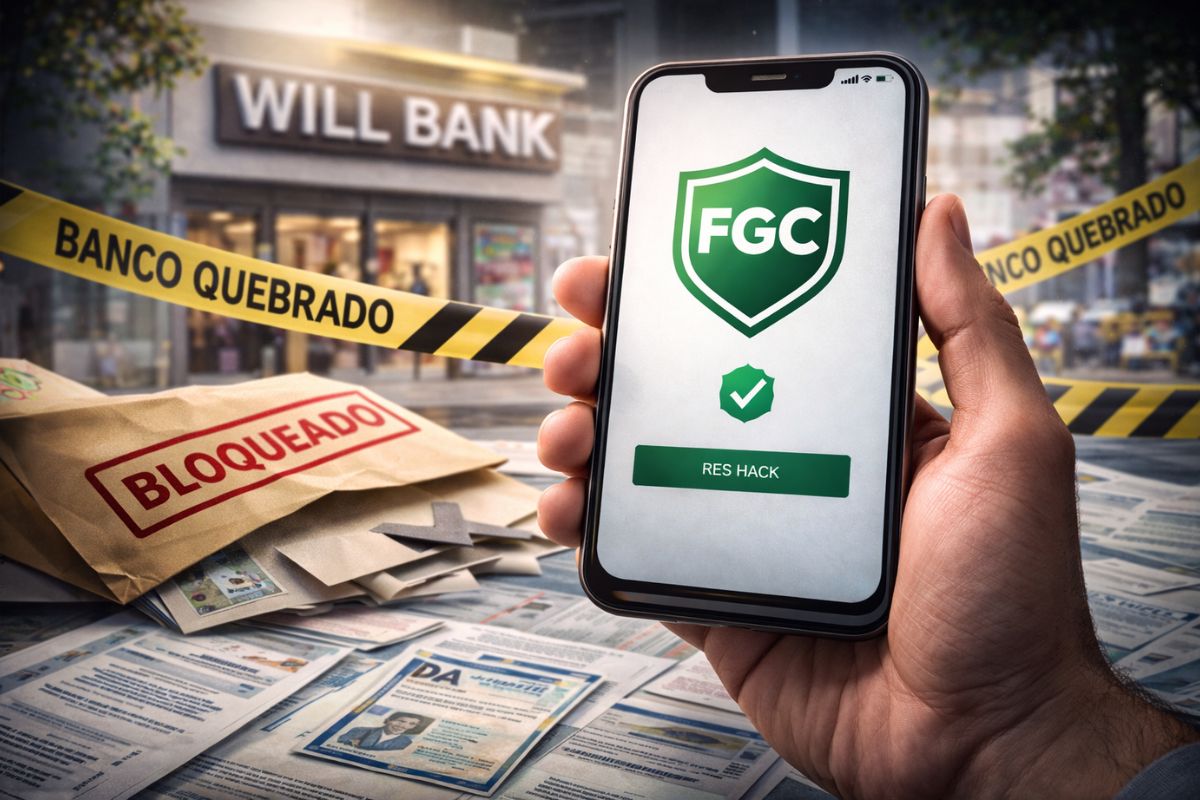
With the Extrajudicial Liquidation of Will Bank Decreed by the Central Bank on January 21, 2026, the FGC App Releases Up to R$ 250 Thousand Following Bank Failure, Promises to Save Customers with Frozen Money, but Imposes Validation on Registration and a Typical Initial Period of 30 to 60 Days.
The extrajudicial liquidation of Will Bank, decreed by the Central Bank on January 21, 2026, placed customers in an immediate scenario of frozen operations and blocked investments, and the FGC app releases up to R$ 250 thousand following bank failure, promises to save customers with frozen money, but does not work without registration and without waiting for data consolidation.
The Credit Guarantee Fund acts as the layer of protection in cases of insolvency, with reimbursement of up to R$ 250 thousand per CPF or CNPJ. The reimbursement is not automatic or immediate, and the expectation presented is for the start of payments between 30 and 60 days after liquidation, while the appointed liquidator organizes information and clears the operational path.
Where It Happened and Why the Liquidation Blocked Access to Money

The episode focuses on Brazil and stems from a formal decision by the Central Bank on January 21, 2026: the extrajudicial liquidation of Will Bank. The practical consequence described is the freezing of operations, with customers without access to funds in the short term until the liquidation process advances.
-
“No one will make us change the Pix,” says Lula after the US report.

-
Lula responds directly to Trump and says that Pix is from Brazil and will not change under pressure from anyone, after a report from the United States pointed out the Brazilian payment system as an American trade barrier.

-
Amazon has just announced a new fee on all deliveries, and your online purchases will become more expensive starting April 17, including for those buying from the United States here in Brazil.

-
He sold his share for R$ 4 thousand, saw the company become a giant worth R$ 19 trillion, and missed the opportunity of a lifetime.

In this type of scenario, the liquidator’s role is central. It is up to them to consolidate data, validate depositor bases, and organize records that support payment, a step that precedes the opening of the request period for customers.
What the FGC Covers and What Changes for Those with Blocked Funds
The FGC is presented as responsible for protecting users when financial institutions enter insolvency, guaranteeing reimbursements of up to R$ 250 thousand per CPF or CNPJ. This rule is the most critical point of attention for those trying to estimate how much they can recover and in what time frame.
It is also informed that the fund is prepared to manage approximately R$ 6.3 billion allocated for the reimbursement of affected customers. The maximum amount per CPF or CNPJ serves as a cap, which requires attention from those maintaining more than one financial relationship or who have approached the limit in other situations.
FGC App Releases Up to R$ 250 Thousand Following Bank Failure, Promises to Save Customers with Frozen Money, but Depends on Registration and Notification
To retrieve the money, the indicated procedure is through the FGC app, available for Android and iOS. The operational flow starts with basic registration and then waits for notification from the FGC, signaling the opening of the period to request reimbursement.
The dynamic is sequential and does not allow shortcuts. Without the consolidation of information by the liquidator, the request does not progress, as the system needs to recognize customer data, values, and eligibility within the coverage rules.
Informed operational procedure
Install the FGC app from the app store on the device
Complete registration with the necessary personal data
Await the notification that will inform the opening of the period to request reimbursement
Why the Deadline Can Range from 30 to 60 Days and What Happens in That Interval
The deadline presented by the FGC for the start of reimbursement typically ranges from 30 to 60 days after liquidation. The direct reason described is the need to consolidate information: identify depositors, validate balances, and formalize the base that will allow payment.
This interval is the point where many customers feel the greatest insecurity, as there is frozen money and daily decisions dependent on liquidity. The practical rule is to monitor the progress of the process and wait for the formal opening of the request period, instead of expecting immediate credit after the news of liquidation.
Limit per CPF and the Warning for Those Who May Have Already Used Part of the Coverage
In addition to the deadline, the limit of R$ 250 thousand per CPF or CNPJ is the second factor that most impacts expectations. The mentioned scenario also involves an additional component: with over 12 million customers, Will Bank’s situation amplifies concerns about deadlines and the complexity of the process for those who have already reached the coverage limit due to participation in the Master conglomerate.
In practice, this means that part of the public may find that they will not have full coverage if they are already at the allowed cap, even with amounts blocked. This is the point that requires careful reading of one’s own coverage history within the FGC rules, before creating expectations about receiving everything at once.
What to Do Now to Avoid Missing Deadlines and Reduce Noise
The described path is straightforward: install the app, complete registration, and await the notification of the opening of the period. At the same time, discipline is important, as anxiety tends to lead to repeated attempts and frustration, while the process still depends on the consolidation stage.
CTA Connected to the Theme
If you are a Will Bank customer, install the FGC app, complete registration, and monitor notifications, because the reimbursement request only begins when the period is officially opened.
Have you ever had frozen money due to the liquidation of a financial institution and managed to resolve it within the 30 to 60 day period, or was the wait longer than expected?









Seja o primeiro a reagir!