





 Portuguese
  English
  Spanish
  6 min of reading
  0 comments



Zero IPI On The New Sustainable Car Now Has An Official List Of Enabled Models, All Compact Efficient Vehicles Produced In Brazil. The Rule Favors Flex Hybrids Running On Ethanol, Changes The Price Calculation For The Consumer And Pressures Automakers To Nationalize Components.
The federal government published a package that recalibrates the vehicle IPI and creates the Sustainable Car category, with zero IPI for highly efficient compacts manufactured in the country. The measure is part of the Move Program, is valid until December 2026, and inaugurates a bonus and malus system that rewards efficiency, safety, and recyclability, while making more polluting models more expensive.
Understand what changes now for consumers and automakers — and why flex hybrids running on ethanol are likely to progress.
What Changes With The New Decree And The “Sustainable Car”
The Decree No. 12,549/2025 redefines the TIPI of vehicles and creates the Sustainable Car modality. In this category, compacts produced in Brazil can have zero IPI as long as they meet four requirements simultaneously: emission lower than 83 g of CO₂/km, more than 80% recyclable materials, production steps in the country (welding, painting, assembly, and engine manufacturing), and classification in compact car segments.
-
Less than a Tera TSI, up to 710 km of range and charging in 9 minutes: the new BYD Song Ultra expands the Chinese brand’s bet on increasingly faster, more technological, and competitively priced electric SUVs.

-
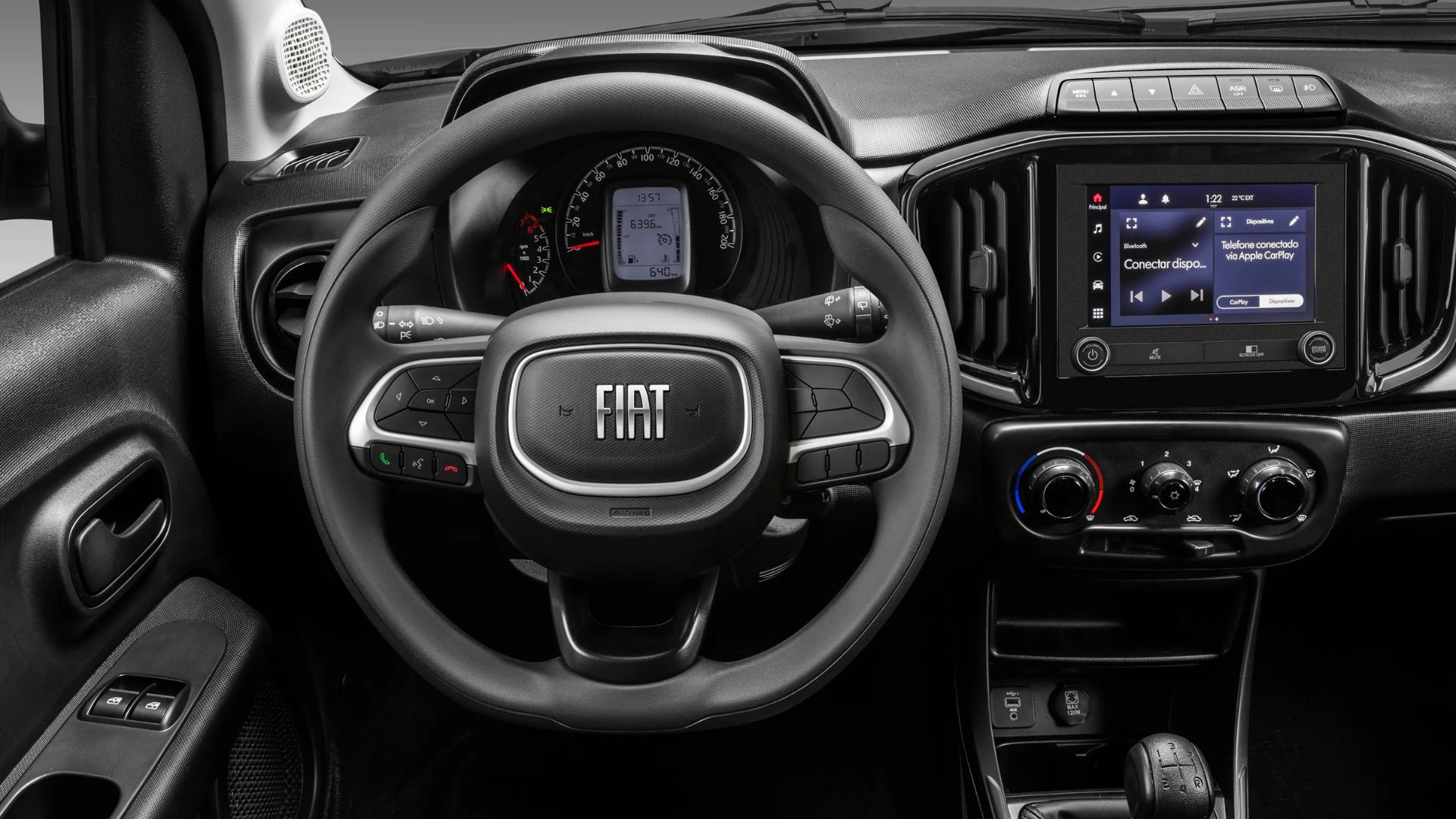
With a 1.0 engine producing 75 hp and costing less than R$ 70,000, Fiat’s car returns to the podium as the cheapest in the country; a temporary promotion for the 2026 Like version reduces the price of the Fiat Mobi.
-
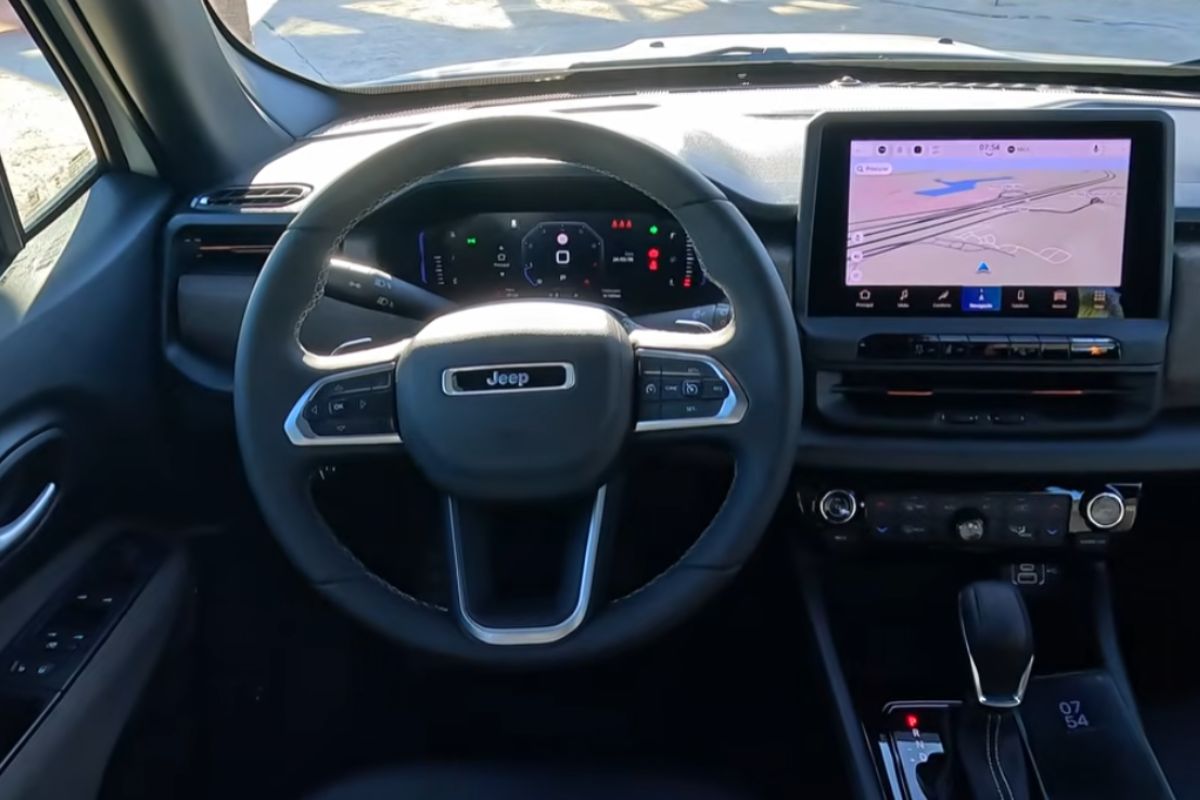
With a mild hybrid system of 48 V, 176 hp and a price of R$ 175,990 in the Sahara version, the new Jeep Renegade changes mostly on the inside, improves slightly in fuel consumption, and remains almost the same car.
-
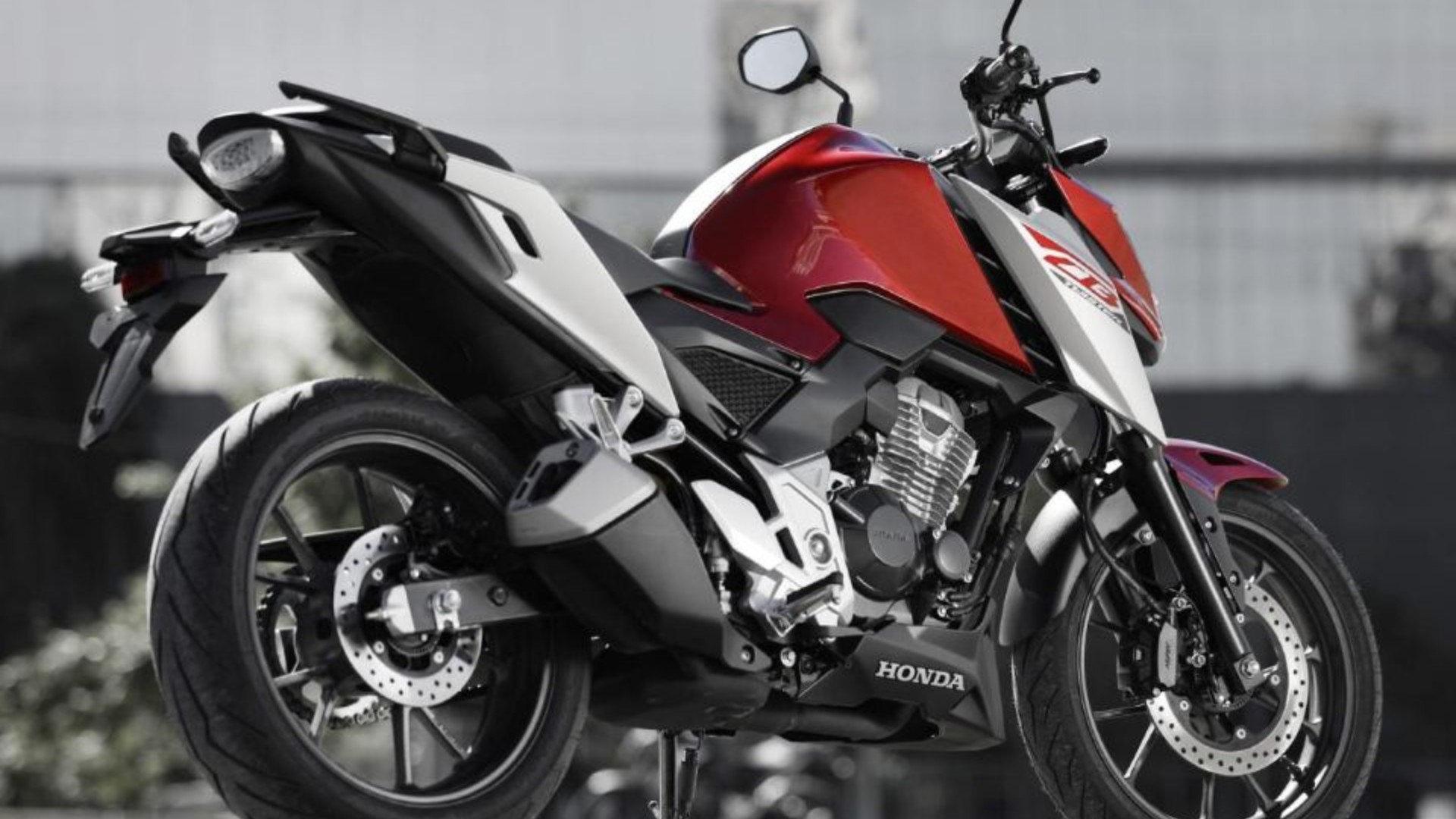
With a 293.5 cm³ engine and a range of up to 400 km with a 14.1-liter tank, the Honda CB 300F Twister 2026 has up to 24.7 hp, an initial price of R$ 25,150, and already exceeds R$ 29,000 in the Fipe Table.

According to Palacio do Planalto and MDIC, the logic is “zero-sum” for the entire market: the table reduces the tax on more economical and cleaner vehicles and raises the rate for the less efficient, maintaining fiscal neutrality. The policy aligns with the agenda of decarbonization and the strategy of reindustrialization of the automotive sector.
The Sustainable Car depends on accreditation: each automaker requests an analysis from the MDIC; an order will list the models approved to apply zero IPI on sales. This gives legal certainty and reduces doubts about specific versions, engines, and equipment.
Models Already Approved For Zero IPI: See The Official List Of The Sustainable Car
The Ministry of Development, Industry, Commerce and Services (MDIC) published, in July 2025, the first official list of models and versions accredited for zero IPI, within the new Sustainable Car category. These vehicles meet the criteria established by the Decree No. 12,549/2025 and the Move Program, including reduced CO₂ emissions, high recyclability, and local production.
The list below shows the automakers and their respective models/versions that are already eligible for the tax benefit. The list will be expanded as new requests from manufacturers are analyzed and approved by the MDIC.
Table Of Models With Zero IPI (Official Update – July/2025)
| Manufacturer | Brand/Model/Version |
|---|---|
| General Motors | CHEV/ONIX PLUS 10TMT |
| CHEV/ONIX PLUS 10MT NB | |
| CHEV/ONIX 10TMT HB | |
| CHEV/ONIX 10MT HB 100 | |
| CHEV/ONIX 10MT HB | |
| Renault | RENAULT/KWID INTENS 2 |
| RENAULT/KWID ICONIC 2 | |
| RENAULT/KWID INT BTON | |
| RENAULT/KWID OUTSID 2 | |
| RENAULT/KWID ZEN 2 | |
| Volkswagen | VW/POLO TRACK MA |
| VW/POLO TRACK MA RB | |
| VW/POLO MB | |
| Hyundai | HYUNDAI/HB20 10M SENSE |
| HYUNDAI/HB20 10M COMFORT | |
| HYUNDAI/HB20 10M LIMITED | |
| HYUNDAI/HB20 10M PLATINU | |
| HYUNDAI/HB20 10M SE | |
| HYUNDAI/HB20S 10M COMFOR | |
| HYUNDAI/HB20S 10M LIMITE | |
| HYUNDAI/HB20S 10M PLATIN | |
| HYUNDAI/HB20S 10M SE | |
| Stellantis | FIAT/MOBI LIKE |
| FIAT/MOBI TREKKING 1.0MT | |
| FIAT/ARGO DRIVE 1.0 |
Rules, Deadlines And How The New IPI Will Be Calculated
There are two blocks of changes. The first is the zero IPI for the Sustainable Car (subject to the four criteria). The second is the new IPI calculation for other vehicles, which comes into effect in 90 days and is based on a base rate of 6.3% (passenger vehicles) and 3.9% (light commercial vehicles), adjusted by bonuses (reductions) and maluses (increases) according to energy efficiency, propulsion technology, power, safety level, and recyclability.
Official Example: a flex hybrid can reduce the IPI by 1.5 percentage points for technology; if it also meets the efficiency level of the Move Program, it drops another 1 point; and if it meets recyclability level 1, another 1 point — reducing the IPI from 6.3% to 2.8%. The malus applies to the other extreme (more powerful and inefficient gasoline/diesel vehicles).
The Move Program (Law 14,902/2024) legally supports the change and establishes efficiency goals and industrial countermeasures for the current cycle. The 2025 decree acts as economic regulation of this framework, with validity until 12/2026.
Who Benefits: Flex Hybrids And Ethanol As A National Asset
The new standard favors low-emission technologies. Electric vehicles, those powered solely by ethanol, and flex/ethanol hybrids receive reductions in the IPI within the scoring system. In practice, ethanol, already available at gas stations, becomes a competitive lever for hybrid platforms made in Brazil, with potential for high autonomy and lower emissions, especially when compared to gasoline solutions.
For consumers, the combination of lower IPI + local production is likely to ease the final price of enabled versions, maintaining performance and reducing the cost of use (fuel consumption). For the industry, the signal encourages investment in flex hybrid lines, nationalization of components, and local content — decisive dimensions to earn points in the new system.
The bet responds to a context where the electric charging infrastructure is still advancing unevenly across the country. The flex hybrid serves as a transitional bridge, combining partial electrification with national biofuel.
Who Loses: Gasoline And Diesel Models, Imported And Inefficient Versions
On the malus side are gasoline and diesel vehicles — including hybrids that use these fuels — especially when they are more powerful and less efficient. These models tend to lose competitiveness compared with local products that score better in emissions, safety, and recyclability.
Another point is national production: since the Sustainable Car requires production steps in Brazil, pure imports are unlikely to qualify for zero IPI. For brands without a local industrial base, the alternative will be to nationalize steps or focus on niches where the additional taxation can be absorbed by market positioning.
For consumers, this means a redesign of relative prices: efficient and locally produced compacts should drive the tax reduction; larger and less clean versions may face higher rates.
Price At The Dealership, When It’s Worth It, And What To Monitor
From a practical standpoint, the full discount of the Sustainable Car only appears after the MDIC order that lists the enabled versions. From this publication, automakers and dealerships can already practice the new prices. Until then, avoid “informal tables” and follow official actions.
For other vehicles, the new IPI calculation comes into effect in 90 days from the publication of the decree. This period allows adjustments for production mix, approvals, efficiency labels, and documentation for accreditation.
Reports from the specialized press already indicate estimates of reductions in models produced in the country (in some cases, even reaching tens of thousands of reais), but the values vary by version and by bonus/malus points. Use only official communications and announcements from the automakers as reference.
Effect On The Industry: Investment, Local Content, And Suppliers
The government and sector entities estimate that the Move Program has already anchored billion-dollar investments in automakers and auto parts, and that the Green IPI adds predictability to the launch schedule and nationalization. The rule emphasizes recyclability, active safety (like ESC and autonomous braking), and efficiency, forcing engineering and purchasing decisions aligned with the decree’s criteria.
For hubs with a mature supplier chain, the new design can accelerate industrial projects and local capacity for components for hybrids (low-voltage batteries, auxiliary electric motors, power electronics, control systems). The message is clear: producing in Brazil, with high efficiency, now earns more points in taxation.
In the medium term, the combination of ethanol and hybridization can open regional export opportunities, leveraging the differential of biofuel and adapting to neighboring markets with similar infrastructure profiles.








-

-

2 pessoas reagiram a isso.