





 Portuguese
  English
  Spanish
  4 min of reading
  0 comments


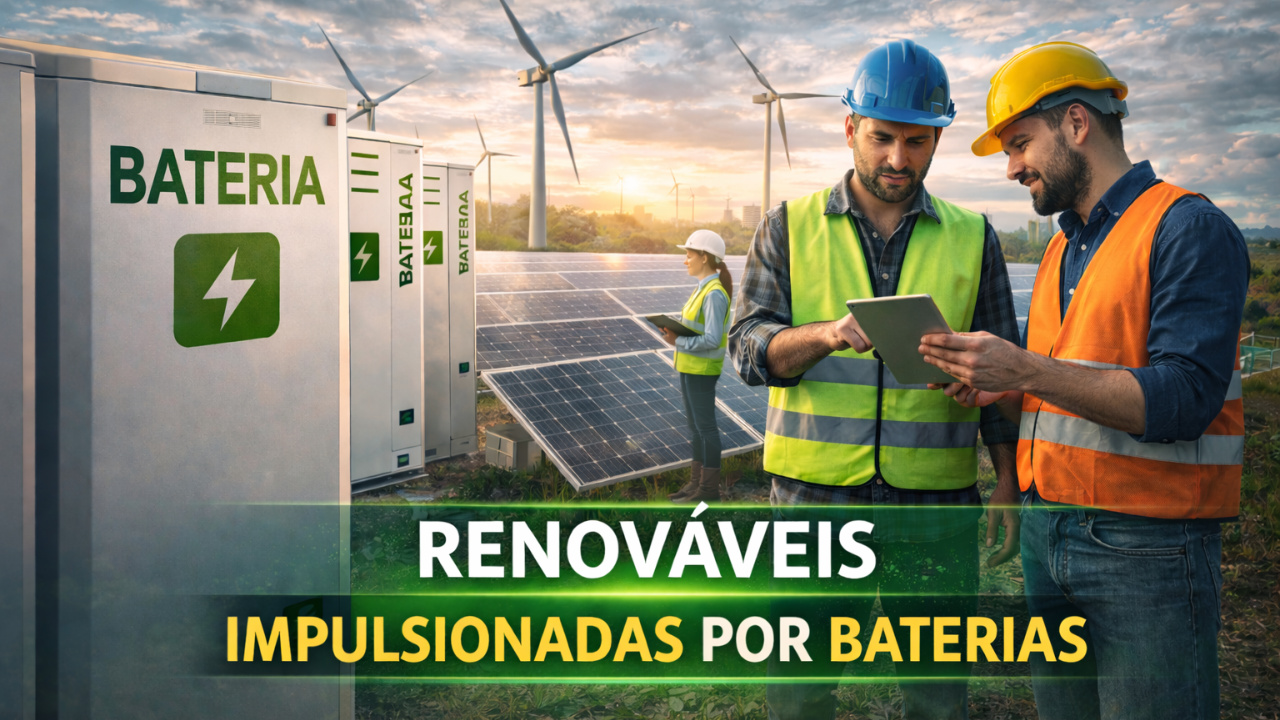
Battery Market Advances in Brazil and Could Generate Over R$ 70 Billion, Reducing Waste and Strengthening Renewable Energies in the Electric System.
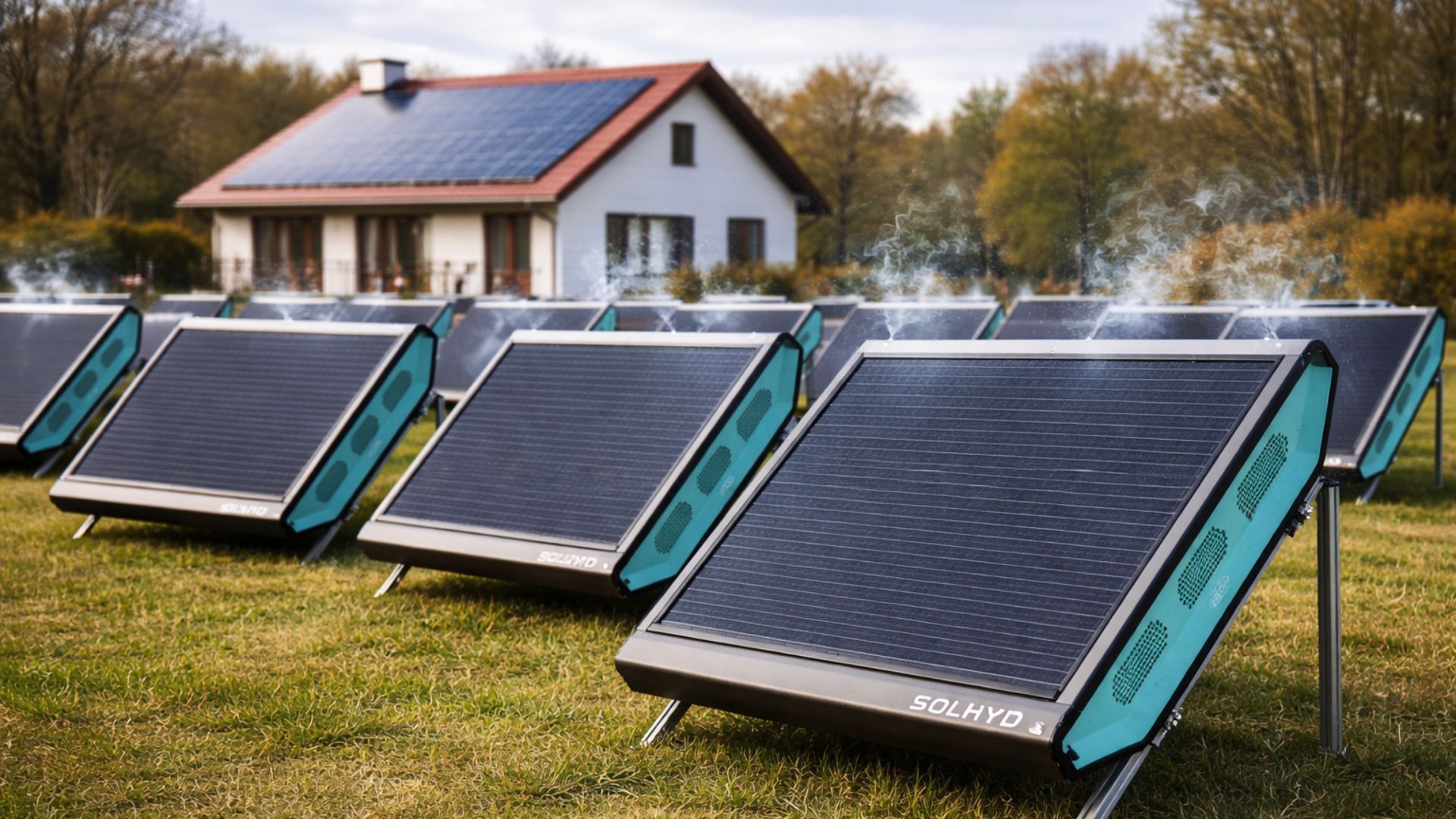
The advancement of renewable energies in Brazil has brought a challenge that grows at the same pace as clean generation. Although the country is among the global leaders in installed capacity, a significant portion of this electricity does not reach final consumption. The lack of battery systems and integration of the power grid has led to waste and generation cuts, especially in regions with a higher presence of intermittent sources.
According to estimates from the National Electric System Operator (ONS), about 17% of the renewable energy produced in the country is currently wasted. This scenario exposes a structural bottleneck and, at the same time, opens up space for a rapidly expanding new market.
Brazil Advances in Generation but Loses Energy Along the Way
Data from the International Renewable Energy Agency (IRENA) shows that Brazil has 213 gigawatts of installed capacity in renewable sources. The country ranks third in the global ranking, behind only China and the United States. However, the substantial generation volume contrasts with the absence of adequate infrastructure to store the electricity produced during periods of high supply.
-
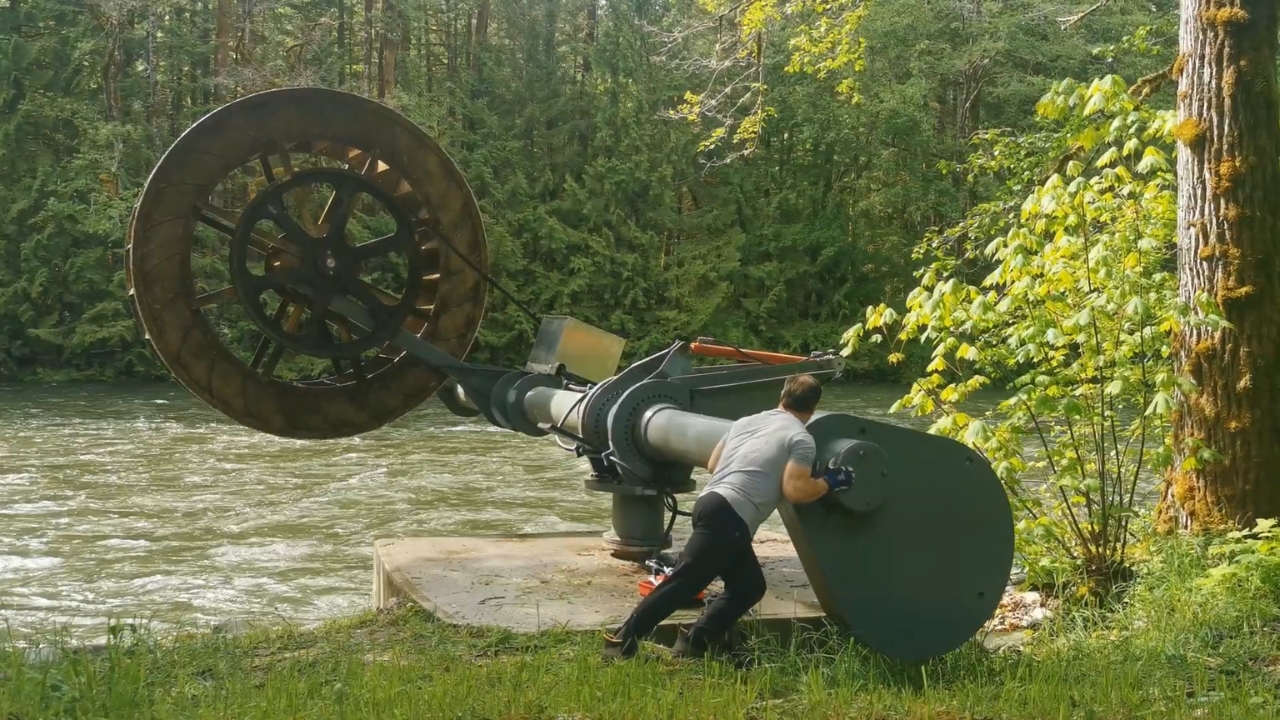
A Canadian retiree creates a hydroelectric system on a real river, generating energy continuously throughout the day and demonstrating how the power of water can supply a house with stability even in a simple structure.
-
Petrobras reaffirms its commitment to the market and ensures that it will carry out the energy transition safely to maintain national sovereignty.
-
Researchers discover a possible hydrogen deposit of up to 46 million tons beneath an ancient coal basin, and the volume could exceed half of the entire global production.

-
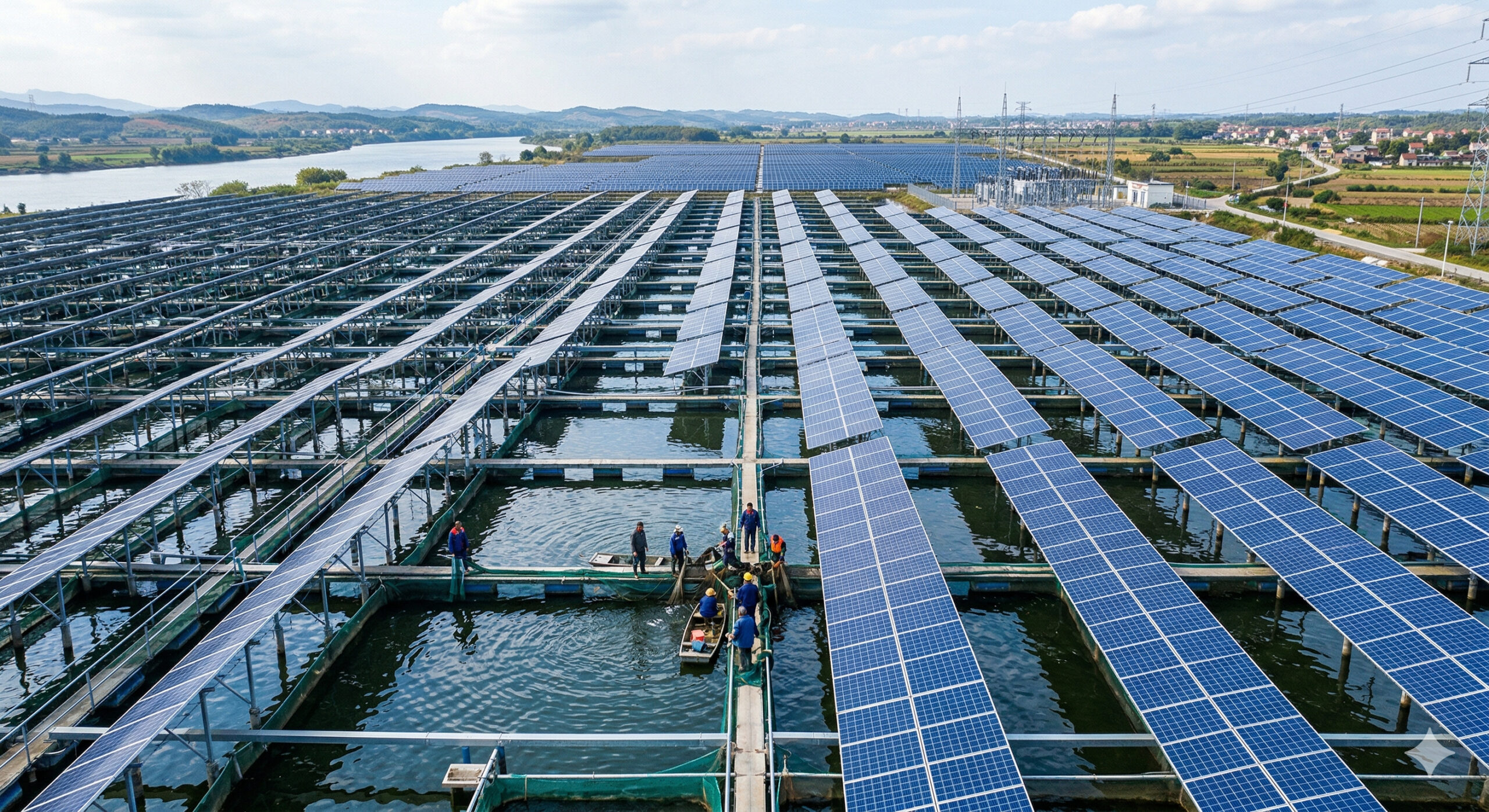
China bets on the Fishery-PV model and transforms fish farms into giant solar plants, covering ponds with panels that generate energy while utilizing the same space for large-scale aquaculture production.

The situation is more evident in the Northeast. The region concentrates 70.6% of its electrical matrix in solar and wind sources, making it more vulnerable to generation cuts during times of excess production. Without battery systems, the energy generated during periods of intense sunlight or strong winds simply goes to waste.
Battery Market Could Generate R$ 70 Billion by 2034
According to the Brazilian Association of Energy Storage Solutions (Absae), this waste is expected to decrease with the expansion of battery use in the national electric system. The entity estimates that the storage market could generate around R$ 70 billion over the next nine years, driven by the need to balance supply and demand for renewable energies.
“Storage is likely to be applied throughout the country, but the Northeast stands out, with its large wind and solar parks,” says Fábio Lima, executive director of Absae. According to him, the advancement of batteries is also beginning to appear in isolated systems in the Amazon and in riverside communities, combining solar generation and local storage.
How Batteries Change the Logic of Renewable Energies
Battery systems allow for storage of the electricity produced during times of high generation and use it when the sun or wind is not available. This flexibility alters the logic of the electric system, reducing dependency on thermoelectric plants during peak times.
“Energy storage in batteries allows for the use of renewable and abundant electric energy, mainly from wind and solar photovoltaic sources, preventing its waste,” emphasizes the director of Absae. In addition, the strategic use of these technologies helps to reduce operational costs and increase supply security.
Applications Go Beyond the Traditional Electric Sector
Although the discussion often focuses on large power plants, the battery market also attracts interest from other segments. Agriculture emerges as one of the main beneficiaries, especially in regions with unstable supply or distant from major consumption centers.
Energy-intensive industries, commercial centers, hospitals, and critical facilities are also evaluating the adoption of their own storage systems. In these structures, the battery acts as a safeguard against fluctuations in the grid and as a tool to reduce demand costs during the most expensive hours.
Battery Auction Marks a New Regulatory Phase
The federal government has begun to outline a specific regulatory environment for the sector. During COP 30, held in Belém do Pará, the Minister of Mines and Energy, Alexandre Silveira, announced the first auction for capacity reserve in battery storage systems, scheduled for April.
According to the ordinance defining the auction rules, the systems must perform full recharging within six hours and provide maximum power for four hours daily, with a capacity greater than 30 megawatts. The operation is expected to start in August 2028, with ten-year contracts and an expectation of contracting up to 2 gigawatts.
Interest from Large Companies Reinforces the Sector’s Potential
The auction has sparked interest from national and multinational companies in the energy sector. Traditional companies, as well as new players specializing in battery technology, are considering entering the competition. Petrobras itself has already indicated attention to the segment, suggesting that storage could become a strategic part of Brazil’s energy portfolio.
With 91.2% of the national electricity coming from renewable sources, according to the Electric Energy Commercialization Chamber (CCEE), Brazil has the technical conditions to advance quickly. The consolidation of the battery market thus appears as a decisive step to reduce losses, stabilize renewable energies, and strengthen the country’s position in the global energy transition.







Seja o primeiro a reagir!